Sinus Disorders: Expert Guide To Symptoms, Causes & Treatments
Comprehensive guide to sinus disorders: symptoms, causes, diagnosis, treatments, and prevention strategies for sinusitis and related conditions.
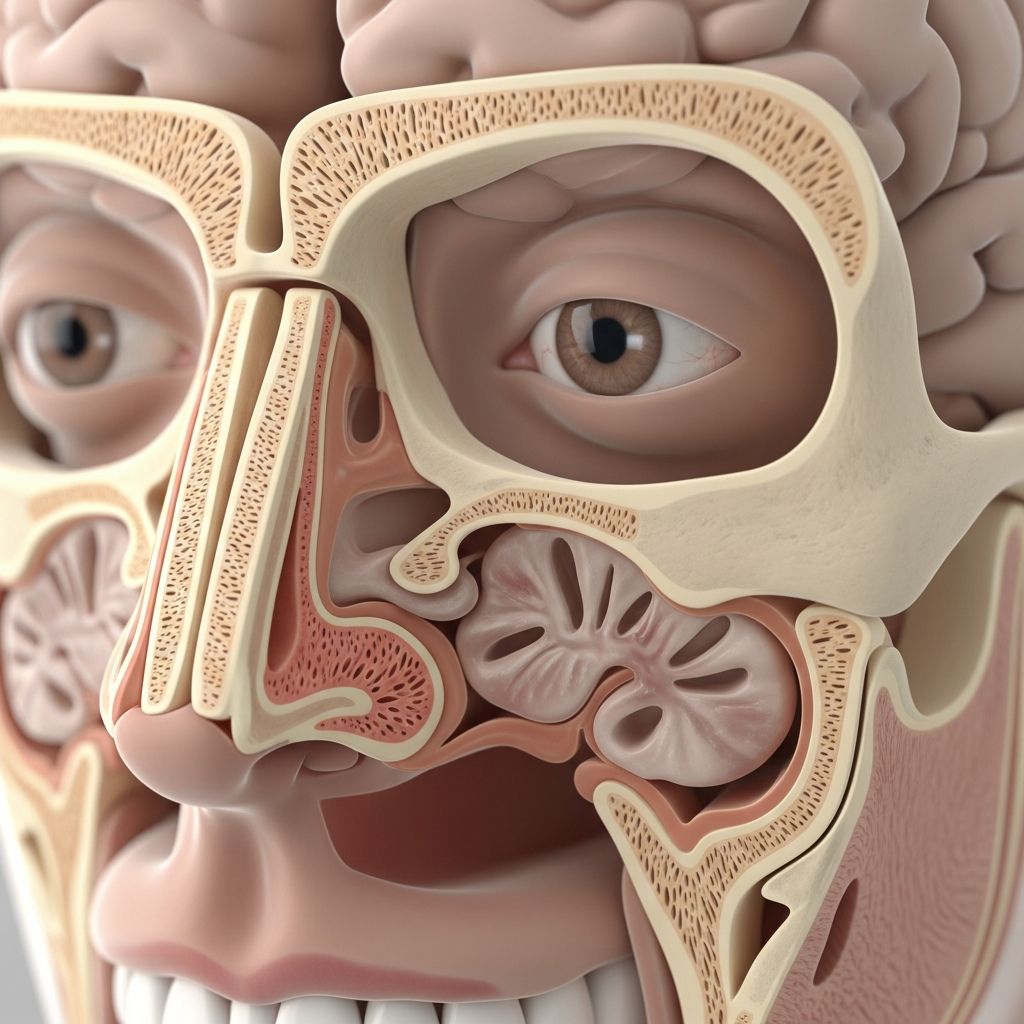
Sinus disorders, primarily encompassing various forms of sinusitis, affect millions worldwide, causing discomfort and impacting daily life. These conditions involve inflammation or infection of the sinuses—air-filled cavities around the nose, eyes, and cheeks. Understanding sinus disorders is crucial for effective management and prevention. This comprehensive overview covers symptoms, causes, diagnosis, treatments, complications, and prevention strategies, drawing from authoritative medical guidelines.
What Are Sinus Disorders?
The paranasal sinuses are four pairs of hollow spaces in the skull: frontal (forehead), maxillary (cheeks), ethmoid (between eyes), and sphenoid (behind nose). They produce mucus to moisten inhaled air and trap particles. Sinus disorders occur when these sinuses become inflamed, blocked, or infected, leading to sinusitis—the most common disorder.
Sinusitis can be acute (short-term, lasting less than 4 weeks), subacute (4-12 weeks), chronic (over 12 weeks), or recurrent (multiple acute episodes yearly). According to the CDC, acute sinusitis affects over 30 million Americans annually, often following viral infections.
Symptoms of Sinus Disorders
Symptoms vary by type and severity but commonly include:
- Nasal congestion: Blocked nose preventing normal breathing.
- Thick nasal discharge: Yellow or green mucus draining from nose or throat (postnasal drip).
- Facial pain/pressure: Tenderness over cheeks, forehead, or eyes, worsening when bending forward.
- Reduced sense of smell/taste: Hyposmia or anosmia, especially in chronic cases.
- Headache: Dull ache around sinuses or behind eyes.
- Fever and fatigue: More common in acute bacterial sinusitis.
- Cough: Worsens at night due to postnasal drip.
In chronic sinusitis, symptoms persist subtly, with fatigue and poor quality of life being prominent. Children may exhibit bad breath, irritability, or swelling around eyes.
Causes and Risk Factors
Sinus disorders arise from impaired sinus drainage and ventilation, often due to:
- Viral infections: Common colds (rhinovirus) trigger 90-98% of acute cases.
- Bacterial infections: Secondary invaders like Streptococcus pneumoniae in 0.5-2% of cases.
- Fungal infections: Rare, affecting immunocompromised individuals.
- Allergies: Allergic rhinitis causes swelling, blocking sinuses.
- Nasal polyps/anatomical issues: Deviated septum or polyps obstruct drainage.
- Environmental factors: Smoke, pollutants, dry air irritate mucosa.
Risk factors include asthma (linked in 40% of chronic cases), immune deficiencies, cystic fibrosis, and smoking. The American Academy of Otolaryngology notes that upper respiratory infections precede most acute sinusitis.
Diagnosis of Sinus Disorders
Diagnosis begins with history and physical exam, assessing symptoms duration and nasal endoscopy for inflammation, polyps, or pus.
Imaging includes:
| Test | Purpose | When Used |
|---|---|---|
| CT Scan | Gold standard for detailed sinus anatomy, blockages, polyps | Chronic/recurrent cases, pre-surgery |
| X-ray | Detects air-fluid levels | Rarely, for acute uncomplicated |
| MRI | Soft tissue evaluation, fungal disease | Complications or tumors suspected |
Allergy testing, sweat chloride for cystic fibrosis, or nasal cytology confirm underlying causes. Cultures guide antibiotic choice in resistant cases.
Treatment Options for Sinus Disorders
Treatment targets symptoms, inflammation, and infection while promoting drainage.
Acute Sinusitis Treatment
Most resolve in 7-10 days with supportive care:
Related Stories



- Nasal saline irrigation: Neti pot or squeeze bottle flushes mucus.
- Decongestants: Oral pseudoephedrine or nasal oxymetazoline (short-term <3 days).
- Pain relievers: Acetaminophen, ibuprofen.
- Antibiotics: Only for bacterial (amoxicillin-clavulanate first-line per IDSA guidelines if symptoms persist >10 days or worsen).
Chronic Sinusitis Treatment
Multimodal, lasting months:
- Intranasal corticosteroids: Fluticasone, budesonide reduce inflammation.
- Saline rinses: Daily for mucus clearance.
- Oral steroids: Short burst for severe cases.
- Antibiotics: 3-4 weeks for bacterial (culture-directed).
- Biologics: Dupilumab for nasal polyps with asthma (FDA-approved 2019).
Surgical Interventions
Functional endoscopic sinus surgery (FESS) for refractory cases: removes blockages, widens openings. Balloon sinuplasty dilates sinuses non-invasively. Success rates exceed 80% per AAO-HNS.
Complications of Untreated Sinus Disorders
Rare but serious:
- Orbital cellulitis/abscess: Eye swelling, vision threat.
- Meningitis: Infection spreads to brain meninges.
- Osteomyelitis: Bone infection.
- Chronic complications: Permanent smell loss, sleep apnea.
Prompt treatment prevents most, per CDC surveillance data.
Prevention Strategies
Key measures include:
- Hand hygiene: Prevents viral spread.
- Avoid irritants: Quit smoking, use air purifiers.
- Allergy management: Antihistamines, immunotherapy.
- Humidification: Maintain 40-60% indoor humidity.
- Vaccinations: Flu, pneumococcal reduce risk.
- Daily nasal hygiene: Saline sprays during cold season.
Living with Sinus Disorders
Chronic sufferers benefit from ENT specialists, lifestyle adjustments like diet (anti-inflammatory Mediterranean), and stress reduction. Patient education improves adherence; apps track symptoms for personalized care. Research into microbiome-targeted therapies and advanced biologics promises better outcomes.
Frequently Asked Questions (FAQs)
Can sinus disorders cause dizziness?
Yes, via eustachian tube dysfunction or labyrinthitis from adjacent infection.
How long does acute sinusitis last?
Typically 7-10 days; seek care if >10 days or worsening.
Is chronic sinusitis curable?
Manageable; 70-80% improve with treatment, some require ongoing therapy.
Can I fly with sinusitis?
Avoid if acute; decongestants help, but barotrauma risks exist.
Do essential oils help sinuses?
Limited evidence; eucalyptus may aid congestion but not substitute medical care.
References
- Clinical Practice Guideline for Acute Bacterial Sinusitis in Children — American Academy of Pediatrics. 2024-01-15. https://publications.aap.org/pediatrics/article/153/1/e2023064248/196198
- Sinusitis (Sinus Infection) — CDC. 2025-03-10. https://www.cdc.gov/sinus-infection/index.html
- Adult Sinusitis Guideline — American Academy of Otolaryngology–Head and Neck Surgery. 2023-07-01. https://www.entnet.org/quality-practice/quality-products/clinical-practice-guidelines/adult-sinusitis/
- International Consensus Statement on Allergy and Rhinology: Rhinosinusitis — Wiley Online Library (ICAR). 2024-02-20. https://onlinelibrary.wiley.com/doi/full/10.1002/alr.23309
- Acute Rhinosinusitis in Adults — IDSA Guidelines. 2022-05-12. https://www.idsociety.org/practice-guideline/acute-rhinosinusitis-adults/
Similar Articles








Read full bio of Sneha Tete