Sinus Infection (Sinusitis): Causes, Symptoms & Treatment
Comprehensive guide to understanding sinusitis, its causes, symptoms, and effective treatment options.
Understanding Sinusitis: What You Need to Know
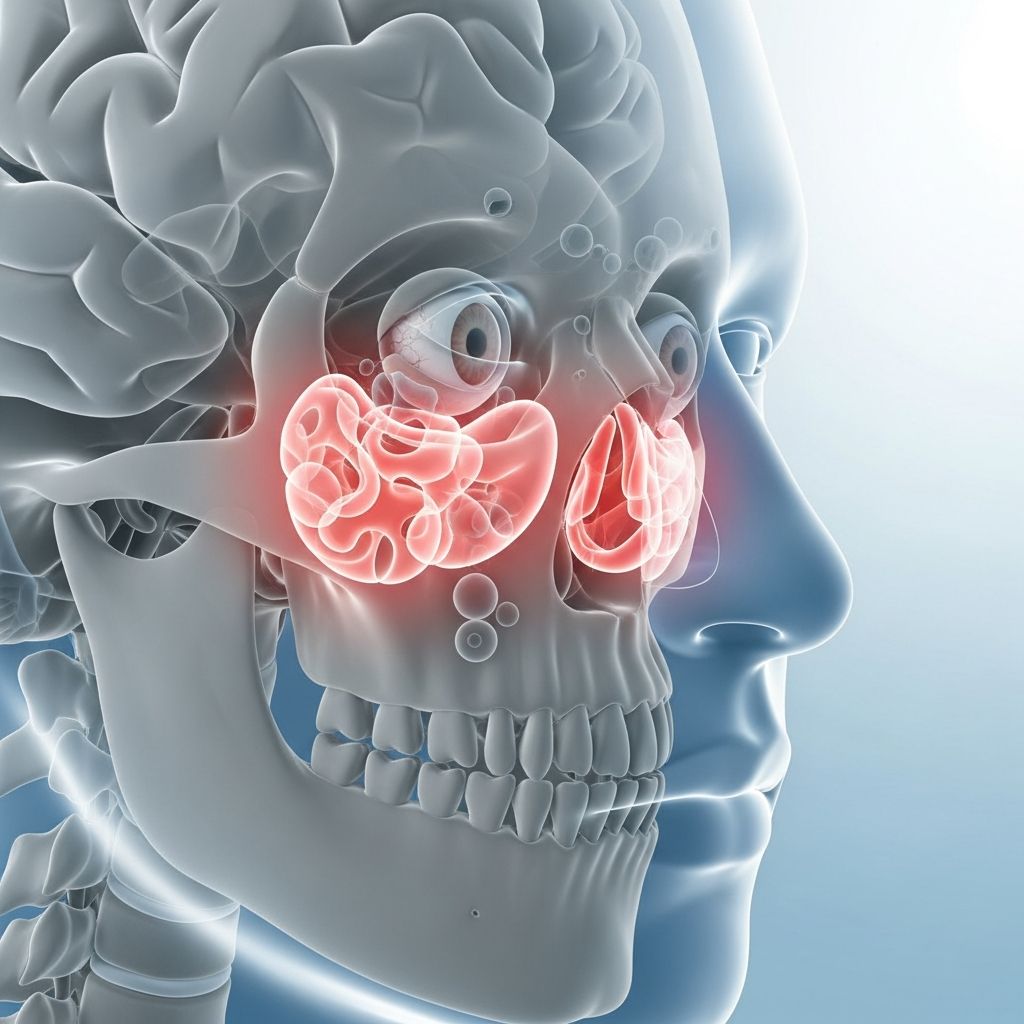
Sinusitis, commonly referred to as a sinus infection, is an inflammation of the tissues lining your sinuses. Your sinuses are hollow spaces located around your eyes, nose, and forehead that normally contain air. When these spaces become irritated or inflamed, they can fill with fluid and mucus, creating an environment where bacteria, viruses, or fungi can thrive. This condition affects millions of people annually and can range from mild to severe, impacting your quality of life significantly.
Understanding the nature of sinusitis is crucial for proper management and treatment. While many people experience acute sinus infections that resolve within days, others suffer from chronic conditions that persist for weeks or months. The inflammation in sinusitis can create pressure and tenderness in your facial area, along with thick yellow or green mucus that drains down the back of your throat in a condition known as postnasal drip.
Causes of Sinusitis
Sinusitis can develop from various triggers, and identifying the underlying cause is essential for effective treatment. The most common causes include:
– Viral infections: Viruses are the most frequent cause of sinusitis, often following a common cold or upper respiratory infection- Bacterial infections: These can develop when viral infections are left untreated or persist beyond their normal duration- Fungal infections: Less common but serious infections that may require specialized treatment- Allergies: Allergic reactions can trigger inflammation and congestion in your sinuses- Nasal polyps: These benign growths can obstruct sinus drainage and contribute to chronic infections- Deviated septum: A structural abnormality in the nasal passage that can impede proper sinus drainage- Environmental irritants: Pollution, smoke, and other irritants can inflame sinus tissues
Additionally, factors such as immune system dysfunction, certain medications, or chronic health conditions can increase your susceptibility to developing sinusitis. People with asthma, cystic fibrosis, or immunodeficiency disorders are at higher risk for developing sinus infections.
Recognizing Symptoms of Sinusitis
Sinusitis presents with a variety of symptoms that can vary in intensity and duration. Common signs include:
– Facial pain and pressure, particularly around the eyes, cheeks, nose, and forehead- Nasal congestion and stuffiness- Postnasal drip with thick, discolored mucus- Cough that may worsen at night- Headaches and general fatigue- Fever in some cases- Loss of smell or taste- Ear pain or pressure- Sore throat
The severity and combination of symptoms can help distinguish between acute and chronic sinusitis. Acute sinusitis typically develops suddenly and resolves within seven to ten days, while chronic sinusitis persists for twelve weeks or longer. If you experience symptoms that last more than ten days or worsen after initial improvement, medical consultation is recommended.
Diagnosing Sinusitis
Accurate diagnosis is the foundation of effective treatment. Healthcare providers use several methods to confirm sinusitis:
Clinical Evaluation
Your healthcare provider will begin by discussing your symptoms, including when they started, their severity, and any factors that improve or worsen them. They will perform a physical examination of your ears, nose, and throat, looking for signs of swelling, drainage, or blockage. During this examination, your provider may gently palpate your sinuses to assess for tenderness.
Related Stories



Diagnostic Tests
If clinical evaluation is inconclusive, your provider may order additional tests:
– Nasal endoscopy: A healthcare provider uses a small, lighted instrument called an endoscope to visualize the inside of your nasal passages and sinuses- CT scan: This imaging study provides detailed cross-sectional images of your sinuses and can reveal inflammation, blockages, or structural abnormalities- MRI scan: Used when CT findings are unclear or when fungal infection is suspected- Allergy testing: Performed if allergies are suspected as an underlying cause- Sinus cultures: Samples may be collected to identify specific bacterial or fungal pathogens
Your primary care provider may also refer you to a specialist, such as an otolaryngologist (also called an ENT—an ear, nose and throat specialist), who has advanced expertise in diagnosing and treating sinus conditions.
Treatment Options for Sinusitis
Treatment approaches vary depending on the underlying cause, severity of symptoms, and duration of illness. Your healthcare provider will develop a personalized treatment plan based on your specific situation.
Home Care Management
Many cases of acute sinusitis can be managed effectively with home remedies and over-the-counter products:
– Rest: Allow your body adequate time to recover and fight off infection- Hydration: Drink plenty of fluids to help thin mucus secretions- Humidification: Use a humidifier or breathe steam from a hot shower to moisten sinus passages- Saline nasal drops or spray: Help clear nasal congestion and reduce inflammation- Nasal irrigation: Using a neti pot or saline irrigation device can flush out mucus and irritants- Warm compresses: Apply warm, moist cloths over your sinuses to relieve pressure and pain- Over-the-counter pain relievers: Medications like acetaminophen or ibuprofen can reduce pain and fever- Decongestants: Nasal decongestant sprays or oral medications can provide temporary relief from congestion
Medical Treatments
If symptoms do not improve after ten days or worsen, your healthcare provider may prescribe additional medications:
– Antibiotics: Prescribed only if a bacterial infection is confirmed, as they are ineffective against viral infections- Nasal corticosteroid sprays: Reduce inflammation and swelling in sinus tissues- Oral corticosteroids: Used in more severe cases to reduce widespread inflammation- Antihistamines: Helpful if allergies are contributing to your symptoms- Antifungal medications: Necessary if a fungal infection is identified
Advanced Treatment Options
For chronic sinusitis that doesn’t respond to standard treatments, more advanced interventions may be considered:
– Balloon sinuplasty: A minimally invasive procedure where a small balloon is inflated in the sinus opening to improve drainage- Functional endoscopic sinus surgery (FESS): Surgical removal of blockages or diseased tissue to restore proper sinus function- Caldwell-Luc surgery: Used in select cases to create a new drainage pathway from the maxillary sinus
These surgical options typically provide immediate relief from sinus pressure and pain and have relatively short recovery times compared to traditional sinus surgery approaches.
When to Seek Professional Help
Contact your healthcare provider if:
– Symptoms persist beyond ten days- You experience severe facial pain or pressure- You develop symptoms of meningitis, such as stiff neck and high fever- Sinusitis occurs frequently or recurrently- You have any symptoms that concern you- Home remedies have failed to provide relief
Prompt medical attention is especially important if you have a compromised immune system or if you develop signs of complications such as vision changes or severe headache.
Prevention Strategies
While not all sinus infections are preventable, several steps can reduce your risk:
– Practice good hygiene: Wash your hands frequently to reduce transmission of viruses and bacteria- Manage allergies: Use antihistamines or nasal sprays to control allergic rhinitis- Avoid smoking and secondhand smoke: Smoke irritates sinus tissues and impairs clearance mechanisms- Stay hydrated: Adequate fluid intake helps maintain healthy mucus consistency- Use humidifiers: Adding moisture to the air prevents sinus dryness- Avoid environmental irritants: Limit exposure to pollution and chemical irritants- Get vaccinated: Annual flu vaccine and pneumococcal vaccines can prevent infection- Maintain nasal health: Regular nasal irrigation can help remove irritants and allergens
Understanding the Difference: Acute vs. Chronic Sinusitis
| Characteristic | Acute Sinusitis | Chronic Sinusitis |
|---|---|---|
| Duration | 7-10 days | 12 weeks or longer |
| Onset | Sudden | Gradual or persistent |
| Severity | Moderate, usually self-limiting | Mild to moderate, persistent |
| Common Causes | Viral infection, common cold | Underlying conditions, allergies, structural problems |
| Treatment | Home remedies, supportive care | May require medications or surgery |
Frequently Asked Questions About Sinusitis
Q: How long does a typical sinus infection last?
A: A typical acute sinus infection lasts about 7 to 10 days. However, if symptoms persist beyond this timeframe, your condition may be classified as chronic sinusitis, requiring additional evaluation and treatment from a healthcare provider.
Q: Are antibiotics always necessary for sinusitis?
A: No, antibiotics are only effective against bacterial infections. Since most sinusitis cases are caused by viruses, antibiotics are not prescribed initially. Your provider may recommend antibiotics only if a bacterial infection is confirmed or if symptoms worsen after ten days.
Q: Can sinusitis lead to serious complications?
A: While most cases of sinusitis are not serious, untreated chronic sinusitis can rarely lead to complications such as meningitis, brain abscess, or orbital cellulitis. Seek immediate medical attention if you experience severe symptoms.
Q: Is nasal irrigation safe for treating sinusitis?
A: Yes, nasal irrigation is considered a safe and effective method for relieving sinus symptoms. Use sterile saline solution and follow proper technique to avoid complications. Ask your healthcare provider to demonstrate correct usage.
Q: What is the difference between sinusitis and rhinitis?
A: Rhinitis is inflammation of the nasal passages, while sinusitis specifically involves inflammation of the sinus cavities. Rhinitis can occur with or without sinus involvement, and the two conditions can coexist.
Q: When should I consider sinus surgery?
A: Surgery is typically considered after conservative treatments have failed to provide relief for chronic sinusitis. Your ENT specialist will evaluate your specific situation and discuss whether minimally invasive procedures like balloon sinuplasty or FESS are appropriate for you.
Conclusion
Sinusitis is a common condition that can significantly impact your daily life, but with proper understanding and treatment, most cases resolve successfully. Whether you experience acute sinusitis that resolves within days or chronic sinusitis requiring long-term management, numerous effective treatment options are available. The key to optimal outcomes is early recognition of symptoms, accurate diagnosis, and working with your healthcare provider to develop a personalized treatment plan. If you suffer from recurrent or persistent sinus problems, don’t hesitate to seek evaluation from a qualified healthcare professional who can help you achieve lasting relief and improve your quality of life.
References
- Sinus Infection (Sinusitis): Causes, Symptoms & Treatment — Cleveland Clinic. 2023-03-09. https://my.clevelandclinic.org/health/diseases/17701-sinusitis
- Acute Sinusitis: Symptoms, Causes & Treatment — Cleveland Clinic. https://my.clevelandclinic.org/health/diseases/15285-acute-sinusitis
- Sinus Surgery: Types, Procedure & Recovery — Cleveland Clinic. 2022-06-29. https://my.clevelandclinic.org/health/treatments/15854-sinus-surgery-overview
- Chronic Sinusitis: Symptoms, Causes & Treatment — Cleveland Clinic. https://my.clevelandclinic.org/health/diseases/17700-chronic-sinusitis
- Nasal Irrigation: Uses, Benefits & Side Effects — Cleveland Clinic. https://my.clevelandclinic.org/health/treatments/24286-nasal-irrigation
Similar Articles








Read full bio of medha deb