Sinus X-Ray: Purpose, Procedure, and What to Expect
Complete guide to sinus X-rays: Learn about purpose, procedure, risks, and results.
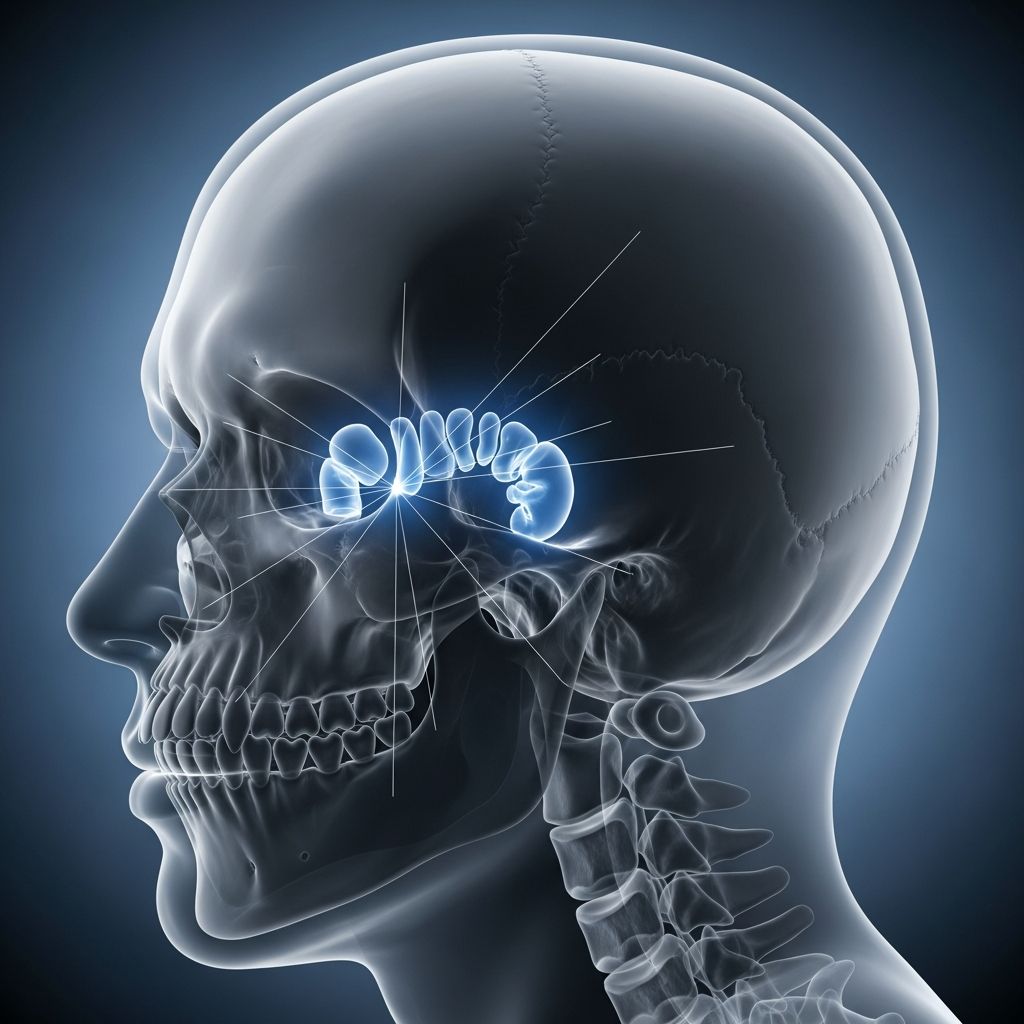
Understanding Sinus X-Ray: A Complete Patient Guide
A sinus X-ray is a quick, non-invasive diagnostic imaging procedure used to examine the paranasal sinuses and surrounding structures. This straightforward medical test helps healthcare providers identify various sinus conditions, infections, and structural abnormalities. The procedure uses minimal radiation exposure and provides valuable information that guides treatment decisions. Whether you’re experiencing chronic sinus problems or have recently suffered a facial injury, understanding what a sinus X-ray involves can help you feel more prepared and informed about your diagnostic care.
What Is a Sinus X-Ray?
A sinus X-ray is a radiographic imaging technique that captures detailed images of the paranasal sinuses—air-filled cavities located in the facial bones around the nose and eyes. The procedure utilizes electromagnetic radiation to create two-dimensional images that allow physicians to visualize the internal structures of these sinus cavities. Unlike computed tomography (CT) scans, which provide cross-sectional views, sinus X-rays offer a more basic but still informative perspective of sinus anatomy and pathology. The entire procedure is painless, non-invasive, and typically completed within 5 to 10 minutes, making it an accessible and efficient diagnostic tool for outpatient settings.
Purpose and Indications for Sinus X-Ray
Healthcare providers recommend sinus X-rays for several important diagnostic purposes. The primary goal is to detect abnormalities within the sinus cavities that may be contributing to patient symptoms or health concerns. Medical professionals order this imaging study when patients present with specific clinical indicators or when alternative diagnostic approaches are needed.
Common Reasons for Ordering a Sinus X-Ray
Doctors typically recommend sinus X-ray imaging when patients experience persistent facial pain or pressure, particularly around the cheeks and forehead. Chronic nasal congestion that doesn’t respond to standard treatment, thick colored nasal discharge lasting more than a week, and recurring headaches that worsen when bending forward are additional indicators. When sinusitis is suspected—whether acute or chronic—ENT specialists often order this test as an initial screening tool. The procedure also helps evaluate facial trauma that might affect sinus structures, assess whether fluid is accumulating in the sinuses, and identify any structural deformities such as a deviated nasal septum or nasal polyps that could obstruct normal sinus drainage.
Conditions Detected by Sinus X-Ray
Sinus X-rays can identify a wide range of pathological conditions affecting the paranasal sinuses and surrounding structures. The imaging reveals abnormalities that help guide appropriate treatment interventions and surgical planning when necessary.
Primary Diagnostic Applications
Sinusitis (Acute and Chronic): Both acute and chronic forms of sinus inflammation can be identified through sinus X-ray imaging. The images show characteristic findings such as fluid levels, mucosal thickening, and opacification of the affected sinuses. Sinus Fractures and Trauma: Any trauma to the facial bones or sinus cavities resulting from accidents, falls, or impacts can be clearly detected on radiographic images. Nasal Blockages: Obstructions due to nasal polyps, deviated nasal septum, or infectious material are visible on X-ray studies. Tumors or Abnormal Masses: While less common, abnormal growths within sinus cavities may be identified on radiographic examination. Sinus Infections by Location: X-rays can differentiate between infections affecting different sinus regions, including maxillary sinusitis, frontal sinusitis, ethmoid sinusitis, and sphenoid sinusitis.
How the Sinus X-Ray Procedure Works
Understanding the technical aspects of the sinus X-ray procedure can help patients feel more comfortable and prepared. The process involves specific positioning, imaging techniques, and safety protocols designed to obtain clear diagnostic images while minimizing radiation exposure.
Procedure Steps
Preparation Phase: Before the procedure begins, you’ll be asked to remove any metal objects, jewelry, or accessories that could interfere with image quality, such as earrings, necklaces, or hair clips. The radiology technologist will explain the procedure and answer any questions you may have. Positioning: You’ll be positioned in front of or adjacent to the X-ray machine. Different views may be taken from multiple angles to capture comprehensive images of all sinus cavities. Standard views typically include Waters view, Caldwell view, and lateral views. Imaging Process: The technologist will ask you to remain still while X-ray images are captured. You may hear a brief buzzing sound as the radiation is delivered. The actual exposure time is extremely brief—usually less than a second for each image. Post-Procedure: Once the images are captured, you’re free to leave immediately. There’s no recovery period or special care required after a sinus X-ray.
Related Stories



Radiation Safety and Risk Considerations
While sinus X-rays are considered very safe diagnostic procedures, it’s important to understand the radiation exposure involved and relevant safety precautions. Modern X-ray equipment is designed with safety features that minimize unnecessary exposure to surrounding tissues while maintaining diagnostic image quality.
Radiation Exposure Facts
The amount of radiation used during a sinus X-ray is exceptionally low—comparable to several days of natural background radiation exposure from environmental sources. Healthcare providers follow the principle of using the lowest possible radiation dose necessary to obtain diagnostic-quality images. For most patients, the benefits of accurate diagnosis far outweigh any minimal radiation risks associated with the procedure. However, cumulative radiation exposure from multiple imaging studies over time is an important consideration. Patients should maintain a record of all X-rays and imaging procedures they receive and share this information with their healthcare provider to prevent unnecessary repeat studies.
Special Considerations
Pregnancy Precautions: Pregnant women or those who might be pregnant should inform their healthcare provider and radiology staff before undergoing sinus X-ray imaging. Radiation exposure during pregnancy may potentially lead to birth defects, and alternative imaging methods such as magnetic resonance imaging (MRI) may be recommended when possible. If a sinus X-ray is absolutely necessary during pregnancy, special precautions will be implemented to minimize fetal exposure. Individual Risk Factors: Patients with specific health conditions or previous extensive radiation exposure should discuss their individual risk profile with their healthcare provider before the procedure.
Sinus X-Ray vs. Other Imaging Methods
When evaluating sinus conditions, healthcare providers may choose between several imaging modalities depending on clinical presentation, diagnostic needs, and patient factors. Understanding the differences between these techniques helps patients understand why their doctor selected a particular imaging approach.
| Imaging Modality | Best Uses | Radiation Exposure | Image Detail | Cost | Scan Duration |
|---|---|---|---|---|---|
| Sinus X-Ray | Initial screening for basic sinusitis, fluid levels, and bone alignment | Minimal | Basic detail; may miss subtle abnormalities | Low | 5-10 minutes |
| CT Scan | Persistent symptoms, pre-surgery planning, complex sinus conditions | Moderate (higher than X-ray) | High-detail images of both bone and soft tissue | Moderate to High | 10-15 minutes |
| MRI | Suspected tumors, soft tissue complications, neurological symptoms | None | Excellent soft tissue contrast | High | 30-45 minutes |
CT Scan Comparison: Computed tomography (CT) scans provide more detailed, cross-sectional views of the sinuses and surrounding tissues. CT imaging is particularly useful for detecting complications such as abscesses, severe infections, or bone erosion. However, CT scans use more radiation than standard X-rays and are typically reserved for more complex diagnostic situations or when pre-surgical planning is needed. CT has become the most reliable imaging technique for determining sinus obstruction and is considered the gold standard for sinusitis diagnosis in complex cases.
MRI Advantages: Magnetic resonance imaging offers exceptional soft tissue contrast and does not involve radiation exposure, making it ideal for evaluating suspected tumors or soft tissue abnormalities. However, MRI is more expensive, has limited availability in smaller medical centers, and requires longer scan times that may be uncomfortable for some patients.
Understanding Sinus X-Ray Results
After your sinus X-ray is completed, a radiologist—a physician specialist in medical imaging—will review the images and prepare a detailed report. This report will be sent to your referring healthcare provider, who will discuss the findings with you and explain what they mean for your diagnosis and treatment plan.
Normal vs. Abnormal Findings
Normal sinus X-ray images show clear sinus cavities filled with air, with well-defined bony walls and no evidence of fluid accumulation, inflammation, or obstruction. Gray or white areas on sinus X-ray images typically indicate pathology. These areas may represent fluid accumulation, inflammation, or mucosal thickening within affected sinuses. The location and extent of these findings help your doctor determine the specific type and severity of sinus disease. Fractures appear as breaks or disruptions in the normal bony architecture of the facial structures or sinus walls.
Risks and Side Effects of Sinus X-Ray
Sinus X-rays are generally considered safe and non-invasive diagnostic tests with minimal risks for the vast majority of patients. However, as with all medical procedures involving radiation, there are certain considerations and precautions to understand.
Primary Risk Factors
Radiation Exposure Risk: The primary risk associated with sinus X-ray imaging involves exposure to ionizing radiation. Although the radiation dose is minimal compared to CT scans or other more intensive imaging procedures, any radiation exposure carries a slight theoretical risk of cancer. This risk is extremely small and decreases with age at the time of exposure. Cumulative Exposure Effects: Repeated imaging studies over time may lead to cumulative radiation exposure, particularly in sensitive individuals. This is why healthcare providers recommend keeping track of all imaging procedures and avoiding unnecessary duplicate studies. Pregnancy Considerations: Pregnant women should avoid X-rays unless absolutely medically necessary, as radiation may potentially affect fetal development. Alternative imaging methods should be considered during pregnancy when possible.
For most patients, the diagnostic benefits of accurate imaging far outweigh the minimal radiation risks. Modern X-ray equipment uses the lowest possible radiation dose while maintaining image quality, and medical professionals carefully weigh the benefits and risks before ordering any imaging study.
Preparing for Your Sinus X-Ray
Minimal preparation is required for a sinus X-ray, making it a convenient diagnostic procedure for most patients. However, a few simple steps can help ensure optimal results and smooth procedure experience. Remove all metal objects, jewelry, and accessories before the procedure, as metal can create artifacts that degrade image quality. Inform your healthcare provider about any previous imaging studies you’ve had, current medical conditions, and all medications you’re taking. If you’re pregnant or might be pregnant, inform the radiology staff before the procedure so that alternative imaging methods can be considered if appropriate.
Frequently Asked Questions
Q: What symptoms indicate that I might need a sinus X-ray?
A: You may need a sinus X-ray if you experience persistent facial pressure or pain (especially around your cheeks and forehead), chronic nasal congestion that doesn’t improve with treatment, thick colored nasal discharge lasting more than a week, recurring headaches that worsen when bending forward, or if your doctor suspects a sinus infection or structural abnormality. Healthcare providers may also recommend imaging after facial injuries that might affect the sinuses or before certain surgical procedures.
Q: How long does a sinus X-ray procedure take?
A: A sinus X-ray typically takes between 5 to 10 minutes from start to finish. The actual radiation exposure time is extremely brief—usually less than a second for each image captured. You can return to your normal activities immediately after the procedure with no recovery period needed.
Q: Is a sinus X-ray safe, and what is the radiation risk?
A: Sinus X-rays are very safe with minimal radiation exposure, comparable to a few days of natural background radiation from environmental sources. Modern equipment uses the lowest possible radiation dose while maintaining image quality. The main precaution is for pregnant women, who should inform their healthcare provider, as alternative imaging methods may be recommended. For most patients, the diagnostic benefits far outweigh the minimal radiation risks.
Q: How is a sinus X-ray different from a CT scan?
A: A sinus X-ray uses minimal radiation and is quick, accessible, and inexpensive, making it ideal for initial screening. However, it provides only two-dimensional images and may miss finer details. A CT scan offers more detailed, cross-sectional views of both bone and soft tissue, making it better for detecting severe infections, abscesses, or bone erosion. CT scans use more radiation and are more expensive but are superior for complex diagnostic situations and pre-surgical planning.
Q: What does a gray or white area on my sinus X-ray mean?
A: Gray or white areas on sinus X-ray images indicate a problem, most often due to inflammation or fluid buildup in the sinuses. These areas may represent sinusitis, fluid accumulation, mucosal thickening, or other sinus pathology. Your radiologist and healthcare provider will interpret these findings and explain what they mean for your specific situation.
Q: Can I have a sinus X-ray if I’m pregnant?
A: Pregnant women should inform their healthcare provider before undergoing sinus X-ray imaging. While the radiation exposure is minimal, it’s generally recommended to avoid X-rays during pregnancy unless absolutely medically necessary. Alternative imaging methods such as MRI, which doesn’t use radiation, may be recommended instead. If a sinus X-ray is absolutely necessary, special precautions will be taken to minimize fetal exposure.
Q: Do I need to do anything special to prepare for a sinus X-ray?
A: Minimal preparation is needed. Simply remove any metal objects, jewelry, or accessories before the procedure, as metal can interfere with image quality. Inform your healthcare provider about previous imaging studies, current medical conditions, and medications. If you’re pregnant or might be pregnant, let the radiology staff know before the procedure.
References
- X-Ray PNS: Purpose, Procedure, Risks & Result — Vijaya Diagnostic. 2024. https://www.vijayadiagnostic.com/blog/x-ray-pns-purpose-procedure-risks-result
- CT of the Sinuses — Radiology Info, American College of Radiology. 2024. https://www.radiologyinfo.org/en/info/sinusct
- Nose X-Ray: What to Expect for Sinus Imaging — GetLabTest.com. 2024. https://www.getlabtest.com/news/post/nose-xray-sinus-imaging
- Sinus X-ray — University of Rochester Medical Center Encyclopedia. 2024. https://www.urmc.rochester.edu/encyclopedia/content?ContentTypeID=92&ContentID=P07760
- Sinus X-Ray: Purpose, Procedure, and Risks — Healthline. 2024. https://www.healthline.com/health/sinus-x-ray
- X-ray or CT Scan, Best for Diagnosing Sinusitis — Sinus Doctor. 2024. https://www.sinusdoctor.com/xray-and-ct-for-diagnosing-sinusitis/
Similar Articles








Read full bio of Sneha Tete