Sinusitis: 4 Types, Symptoms, Treatments, And Prevention
Comprehensive guide to sinusitis: symptoms, causes, diagnosis, treatment, and prevention strategies for acute and chronic cases.
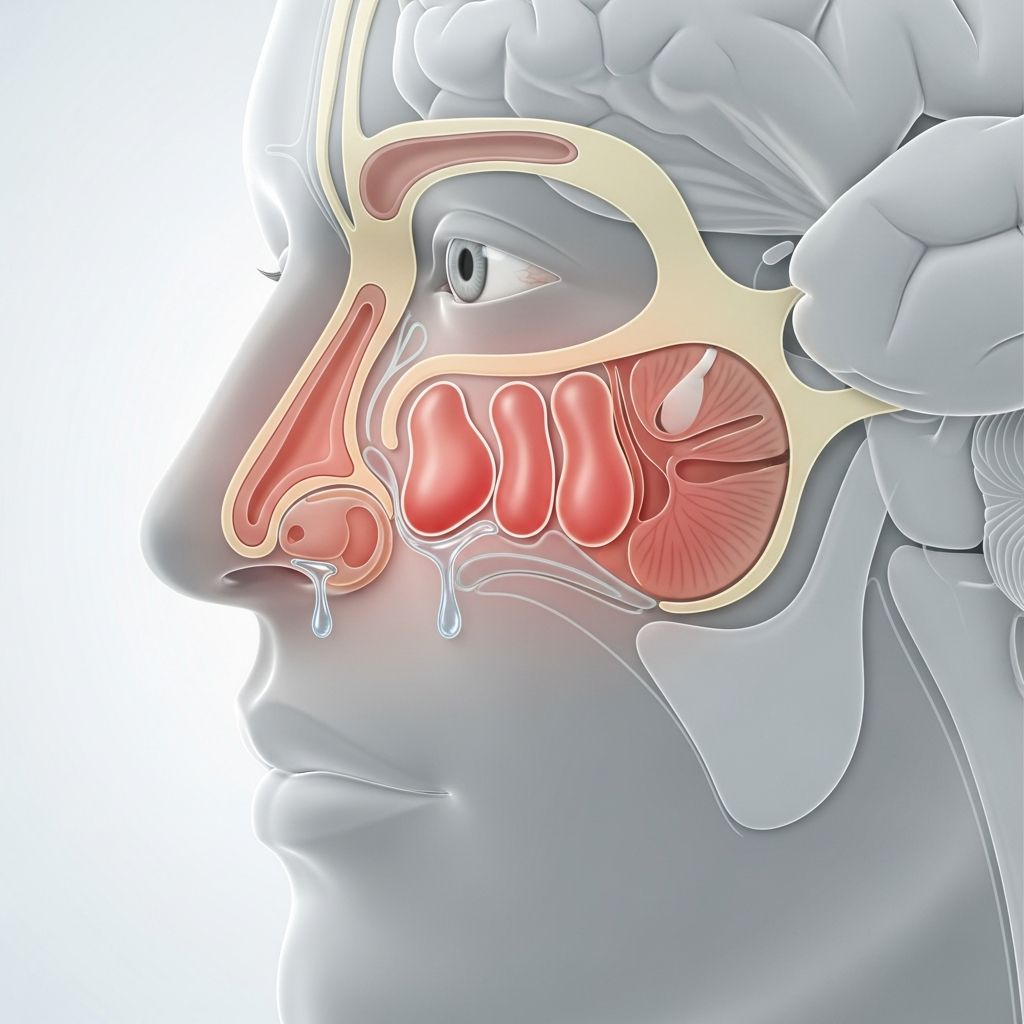
Sinusitis, also known as rhinosinusitis, is the inflammation of the mucous membranes lining the paranasal sinuses and nasal passages, leading to symptoms like nasal congestion, facial pain, and reduced smell.
This condition affects millions annually, disrupting daily life with discomfort and breathing difficulties. Understanding its types—acute (lasting less than 4 weeks) and chronic (over 12 weeks)—is crucial for effective management.
What Is Sinusitis?
The paranasal sinuses are air-filled cavities in the skull surrounding the nasal cavity, including frontal, ethmoid, sphenoid, and maxillary sinuses. These spaces, lined with ciliated mucous membrane, produce mucus that drains into the nose, aiding humidification and filtration of inhaled air.
When inflamed, these membranes swell, blocking drainage and trapping mucus, which can foster bacterial growth. Rhinosinusitis emphasizes involvement of both sinuses and nasal passages, as they are interconnected.
- Acute sinusitis: Sudden onset, resolves in under 4 weeks.
- Subacute sinusitis: 4-12 weeks duration.
- Chronic sinusitis: Persists over 12 weeks, often with polyps.
- Recurrent acute sinusitis: Four or more episodes yearly, each under 2 weeks.
Sinusitis prevalence is high; the CDC reports over 30 million U.S. cases yearly, frequently misdiagnosed as colds.
Sinusitis Symptoms
Symptoms vary by severity and type but commonly include:
- Stuffy or runny nose with thick, yellow-green discharge indicating bacterial involvement.
- Facial pain or pressure, worsening when bending forward, around cheeks, eyes, forehead, or teeth.
- Reduced or lost sense of smell (hyposmia/anosmia).
- Nasal obstruction hindering breathing.
- Cough, often worse at night; sore throat from postnasal drip.
- Fatigue, bad breath, and fever in acute cases.
Chronic cases may present milder but persistent symptoms, including headache and ear fullness. Severe signs like high fever, vision changes, or neck stiffness signal complications requiring immediate care.
| Symptom | Acute Sinusitis | Chronic Sinusitis |
|---|---|---|
| Facial Pain | Severe, sudden | Dull, persistent |
| Nasal Discharge | Purulent, thick | Clear or mucoid |
| Duration | <4 weeks | >12 weeks |
| Fever | Common | Rare |
Sinusitis Causes and Risk Factors
Most cases stem from viral upper respiratory infections like colds, resolving without antibiotics. Bacterial superinfections occur in 0.5-2% of viral cases, characterized by worsening after 5-7 days or severe symptoms.
Fungi cause it in immunocompromised individuals (e.g., diabetes, HIV). Noninfectious triggers include:
- Allergic rhinitis causing mucosal swelling.
- Nasal polyps or septal deviation obstructing drainage.
- Environmental irritants: smoke, pollutants, dry air.
- Immune deficiencies or ciliary dysfunction (e.g., cystic fibrosis).
- Aspirin sensitivity in adults (Samter’s triad).
Risk factors heighten susceptibility:
- Age: Children due to adenoids; adults 45-64.
- Smoking or secondhand exposure.
- Weakened immunity from chemotherapy or steroids.
- Frequent flights or diving (pressure changes).
Chronic sinusitis often links to uncontrolled allergies or anatomical issues, with biofilms (bacterial communities) resisting clearance.
Sinusitis Diagnosis
Diagnosis relies on history and exam; imaging or endoscopy confirms complex cases. Key criteria:
- Symptoms >10 days or worsening after initial improvement.
- Purulent discharge ≥3 days with severe pain/fever ≥39°C.
Physical exam reveals mucosal erythema, purulent postnasal discharge. Nasal endoscopy visualizes inflammation, polyps. CT scans detect blockages; avoid routine sinus X-rays.
Differentiate from migraine, dental pain, or tumors via imaging. Allergy testing or sweat chloride test (cystic fibrosis) if recurrent.
Related Stories



Sinusitis Treatment
Treatment targets symptom relief and underlying causes; antibiotics only for bacterial cases (10-14 days, e.g., amoxicillin).
Conservative Measures
- Nasal irrigation: Saline rinses clear mucus (Neti pot, squeeze bottles).
- Analgesics: Acetaminophen, ibuprofen for pain/fever.
- Decongestants: Oral (pseudoephedrine) or topical (oxymetazoline, ≤3 days to avoid rhinitis medicamentosa).
- Humidification: Steam, warm compresses.
Medications
- Intranasal corticosteroids: Fluticasone, budesonide reduce inflammation (first-line for chronic).
- Oral steroids: Short burst for severe chronic cases.
- Antihistamines: For allergic triggers.
- Antibiotics: High-dose amoxicillin-clavulanate if no improvement in 48-72 hours.
Surgery
Functional endoscopic sinus surgery (FESS) for chronic refractory cases: removes blockages, widens ostia. Balloon sinuplasty dilates sinuses minimally invasively.
Sinusitis Prevention
Prevent via:
- Handwashing, flu vaccines to curb viral triggers.
- Managing allergies with immunotherapy.
- Avoiding smoke, irritants; using humidifiers.
- Daily nasal saline rinses for high-risk individuals.
Early intervention shortens episodes.
When to See a Doctor
Seek care for symptoms >10 days, high fever, severe pain, swelling/redness around eyes, vision changes, confusion, or stiff neck—possible orbital/cranial spread. Recurrent cases warrant specialist referral.
Frequently Asked Questions (FAQs)
What is the difference between sinusitis and a cold?
A cold resolves in 7-10 days with clear discharge; sinusitis lasts longer, purulent discharge, facial pain.
Do I need antibiotics for sinusitis?
Only if bacterial (severe/worsening symptoms); most viral, self-limiting.
Can chronic sinusitis be cured?
Managed effectively with meds/surgery; cure varies by cause.
How long does acute sinusitis last?
1-4 weeks with treatment.
Is sinusitis contagious?
Viral causes yes; bacterial less so.
References
- Overview: Sinusitis – InformedHealth.org — NCBI Bookshelf. 2023-05-01. https://www.ncbi.nlm.nih.gov/books/NBK279485/
- Sinus Infection (Sinusitis) — Centers for Disease Control and Prevention (CDC). 2024-09-15. https://www.cdc.gov/sinus-infection/about/index.html
- Acute Sinusitis — American Academy of Otolaryngology—Head and Neck Surgery. 2023-11-20. https://www.enthealth.org/conditions/acute-sinusitis/
- Clinical Practice Guideline: Adult Sinusitis — American Academy of Otolaryngology. 2022-04-01. https://doi.org/10.1177/0194599815572097
- Sinusitis (Rhinosinusitis) — World Health Organization (WHO). 2024-02-10. https://www.who.int/news-room/fact-sheets/detail/sinusitis
Similar Articles








Read full bio of medha deb