Sirolimus In Dermatology: A Guide To Topical And Oral Use
Comprehensive guide to sirolimus: uses, mechanisms, dosing, side effects, and management in dermatology.
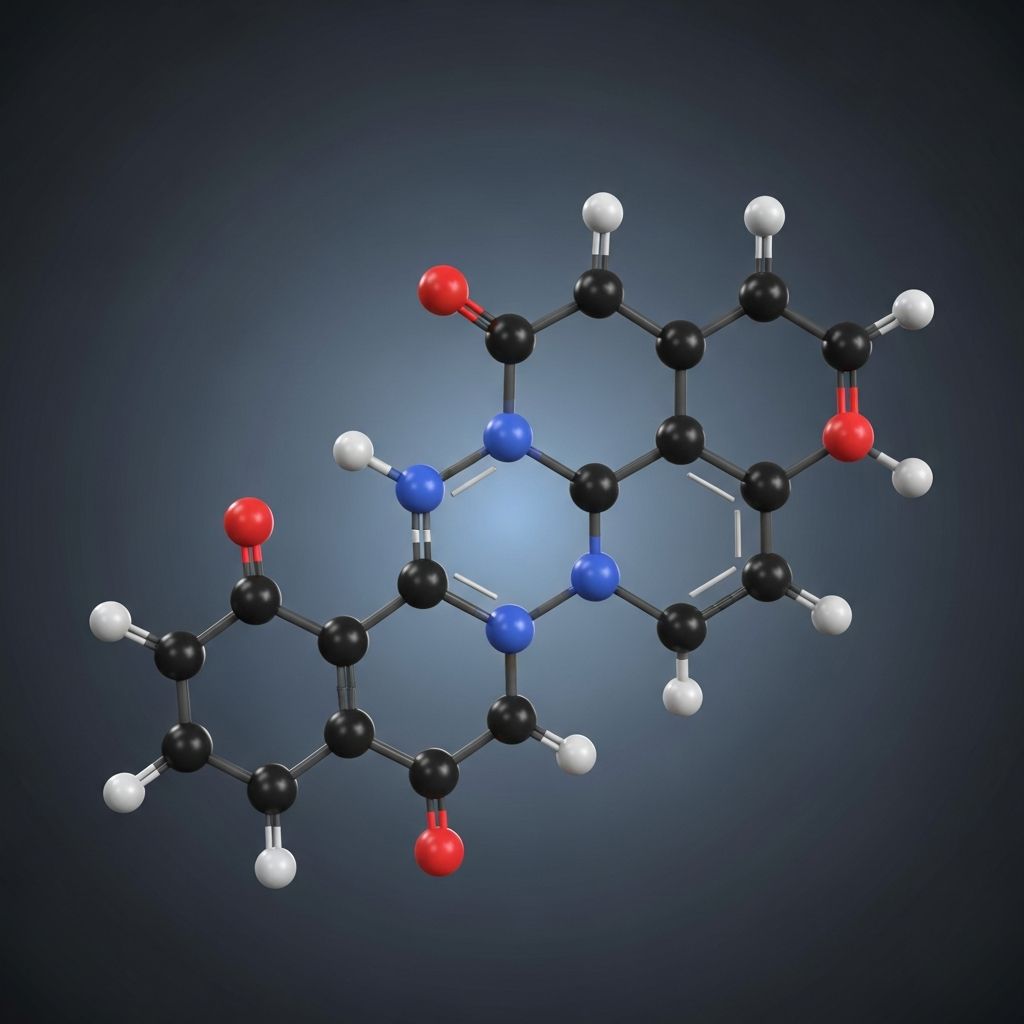
Sirolimus, also known as rapamycin, is a macrolide compound with potent immunosuppressive and antiproliferative properties. Initially discovered as an antifungal agent from Streptomyces hygroscopicus on Easter Island (Rapa Nui), it has evolved into a key therapeutic in transplantation, oncology, and dermatology. In skin medicine, sirolimus inhibits the mechanistic target of rapamycin (mTOR), a serine/threonine kinase central to cell growth, proliferation, metabolism, and survival pathways.
What is sirolimus?
Sirolimus binds to FK-binding protein 12 (FKBP12), forming a complex that allosterically inhibits mTOR complex 1 (mTORC1). This blocks downstream signaling, including S6 kinase 1 (S6K1) and eukaryotic initiation factor 4E-binding protein 1 (4E-BP1), suppressing protein synthesis, cell cycle progression, and angiogenesis. Unlike calcineurin inhibitors (e.g., tacrolimus), sirolimus spares T-cell activation while preventing clonal expansion, reducing rejection without broad immunosuppression.
Approved formulations include oral tablets (Rapamune®), intravenous solutions, and topical gels (Hyftor® 0.2% for facial angiofibromas). Off-label topical compounded versions (0.1–1%) treat vascular anomalies and proliferations.
Who gets sirolimus in dermatology?
Sirolimus targets mTOR-hyperactive disorders:
- Tuberous sclerosis complex (TSC): Facial angiofibromas (adenoma sebaceum), shagreen patches, ungual fibromas.
- Vascular malformations: Tufted angiomas, kaposiform hemangioendotheliomas, lymphatic anomalies.
- Proliferative disorders: Keratinocyte carcinomas, epithelial nevi, psoriasis.
- Immunobullous diseases: Pemphigus vulgaris (refractory cases).
- Post-transplant skin cancers: Squamous cell carcinomas in organ recipients.
TSC affects 1 in 6,000 births; facial angiofibromas occur in 70–80% of patients, causing disfigurement.
What is the mechanism of action of sirolimus?
mTOR integrates growth signals (amino acids, energy, growth factors). TSC1/TSC2 loss (hamartin/tuberin) derepresses mTORC1, driving hamartomas. Sirolimus restores feedback inhibition:
- Inhibits angiogenesis (VEGF reduction).
- Induces autophagy (cell cleanup).
- Suppresses keratinocyte/fibroblast proliferation.
Topical sirolimus achieves high skin concentrations with minimal systemic absorption (trough levels <1 ng/mL), ideal for localized disease.
How is topical sirolimus used?
Approved (Hyftor® 0.2% gel): For TSC facial angiofibromas (ages ≥6 years).
- Apply pea-sized amount once daily to clean, dry face.
- Avoid eyes, mouth, mucosa.
- Do not occlude unless directed.
Compounded topical (0.1–1% cream/ointment/gel/oil):
- Thin layer 1–2x daily to lesions.
- Vehicle: Aqueous cream, VersaBase®, Lipoderm® for penetration.
- Duration: 3–12 months; reassess response.
Wash hands pre/post-application. Sun protection essential (SPF 50+).
Dosing table
| Condition | Concentration | Frequency | Duration |
|---|---|---|---|
| Facial angiofibromas (TSC) | 0.2% gel (Hyftor®) | Once daily | 6–12 months |
| Tufted angioma | 0.1–0.5% ointment | 1–2x daily | 3–6 months |
| Epithelial nevi | 0.1–1% cream | Daily | Variable |
Systemic sirolimus in dermatology
Oral sirolimus (1–5 mg/day; target trough 5–15 ng/mL) for extensive TSC, lymphatic malformations, or post-transplant skin cancer prophylaxis. Monitor lipids, CBC, renal function monthly. Combination with low-dose everolimus under study.
Response to treatment
Topical: 50–75% lesion size reduction in 3–6 months for angiofibromas (FDA pivotal trial: Hyftor® superior to vehicle, p<0.0001). Vascular tumors shrink 30–70%; color fades. Maintenance: Taper to 2–3x/week.
Related Stories



- Success factors: Early intervention, adherence, combination laser (pulsed dye).
- Non-responders: Deep nodules, poor compliance.
What are the side effects of sirolimus?
Topical: Mild, local (37–40% irritation, dry skin; 17% itch; 7% acne). Systemic absorption rare (<5%).
Serious risks (mostly oral form):
- Cancer (lymphoma, skin SCC; use sunscreen).
- Infections (PML, zoster; avoid live vaccines).
- Interstitial lung disease (cough, dyspnea).
- Angioedema (ACEi interaction).
- Hyperlipidemia, infertility.
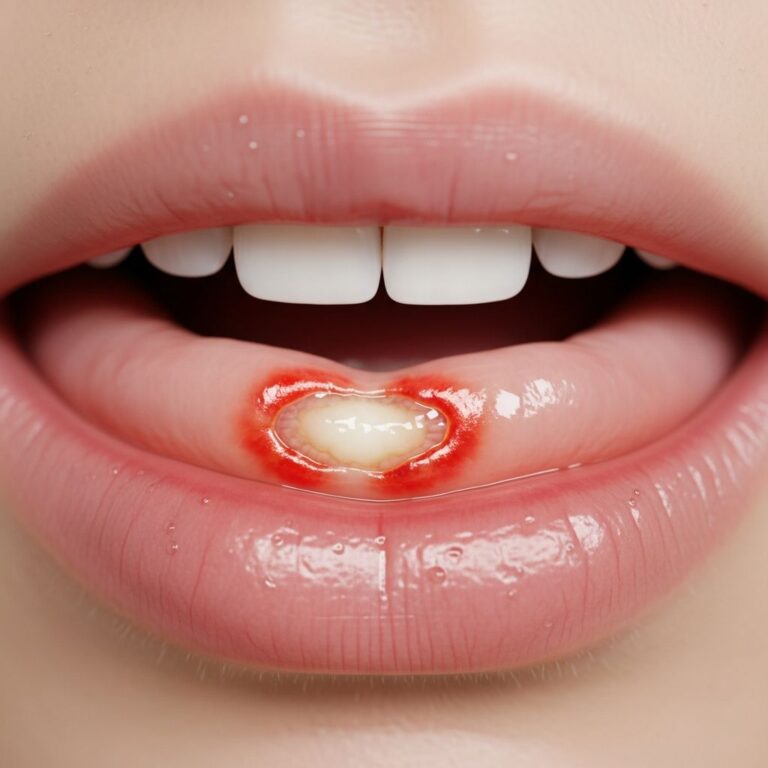
Dermatologic: Oral ulcers (50%+), acneiform rash (scalp/face/back), edema (47%), folliculitis (27%), xerosis. Grade 1–2; discontinue if severe.
Side effects table
| Local (Topical) | Systemic/Oral |
|---|---|
| Dry skin (40%) Application site reaction (37%) Pruritus (17%) Acne (7%) Bleeding (rare) | Oral ulcers (50–60%) Acneiform eruption (50–60%) Edema (47%) Folliculitis (27%) Poor wound healing (27%) Xerosis/pruritus (20%) |
Management of side effects
- Local irritation: Dilute concentration, emollients, short-contact (1–2h then wash).
- Acne: Topical retinoids, benzoyl peroxide.
- Ulcers: Triamcinolone paste, dose reduction.
- Edema: Elevate, low-salt diet.
- Infection: Culture, antibiotics; hold sirolimus.
Interactions and precautions
Drug interactions: CYP3A4 inhibitors (ketoconazole ↑ levels); inducers (rifampin ↓). Avoid grapefruit, St. John’s wort.
- No live vaccines.
- Pregnancy Category C: Teratogenic (contraception mandatory).
- Hyperlipidemia: Statins.
Monitor trough levels (oral), LFTs, lipids q3months.
Frequently asked questions
What conditions does topical sirolimus treat?
Approved for TSC facial angiofibromas; off-label for vascular malformations, nevi, post-transplant skin cancers.
Is topical sirolimus safe long-term?
Yes, minimal systemic absorption; monitor for local effects. Sunscreen prevents skin cancer risk.
Can I use sirolimus while breastfeeding?
Avoid; unknown excretion in milk. Pump/discard during therapy.
How quickly does sirolimus work on angiofibromas?
Visible improvement in 2–4 weeks; peak response 3–6 months.
What if topical sirolimus irritates my skin?
Reduce frequency, dilute, or switch vehicle. Consult dermatologist.
References
- Sirolimus (topical application route) — Mayo Clinic. 2024. https://www.mayoclinic.org/drugs-supplements/sirolimus-topical-application-route/description/drg-20531852
- Sirolimus: MedlinePlus Drug Information — National Library of Medicine. 2025-01-15. https://medlineplus.gov/druginfo/meds/a602026.html
- Dermatologic adverse events associated with use of oral sirolimus and everolimus — National Center for Biotechnology Information (PMC). 2021-07-20. https://pmc.ncbi.nlm.nih.gov/articles/PMC8325983/
- Hyftor (sirolimus): Uses, Side Effects, Dosage — GoodRx Health (citing FDA label). 2025. https://www.goodrx.com/hyftor/what-is
- Sirolimus (Rapamune) Tablets — Pfizer Labeling (MedGuide). 2024. https://labeling.pfizer.com/ShowLabeling.aspx?id=12088§ion=MedGuide
Similar Articles








Read full bio of medha deb