Sitagliptin for diabetes (Januvia, Ristaben, Xelevia)
Comprehensive guide to sitagliptin: uses, dosage, side effects, and management of type 2 diabetes with Januvia and generics.
Sitagliptin is a medication classified as a dipeptidyl peptidase-4 (DPP-4) inhibitor used to manage type 2 diabetes in adults. Available under brand names like Januvia, Ristaben, and Xelevia, it helps control blood sugar levels alongside diet and exercise by enhancing insulin production and reducing glucose output from the liver.
About sitagliptin
Sitagliptin treats high blood sugar in type 2 diabetes, a condition where the pancreas fails to produce sufficient insulin or the body cannot use it effectively, leading to hyperglycemia. Unlike type 1 diabetes, which requires insulin replacement, sitagliptin supports the body’s natural incretin hormones to regulate glucose.
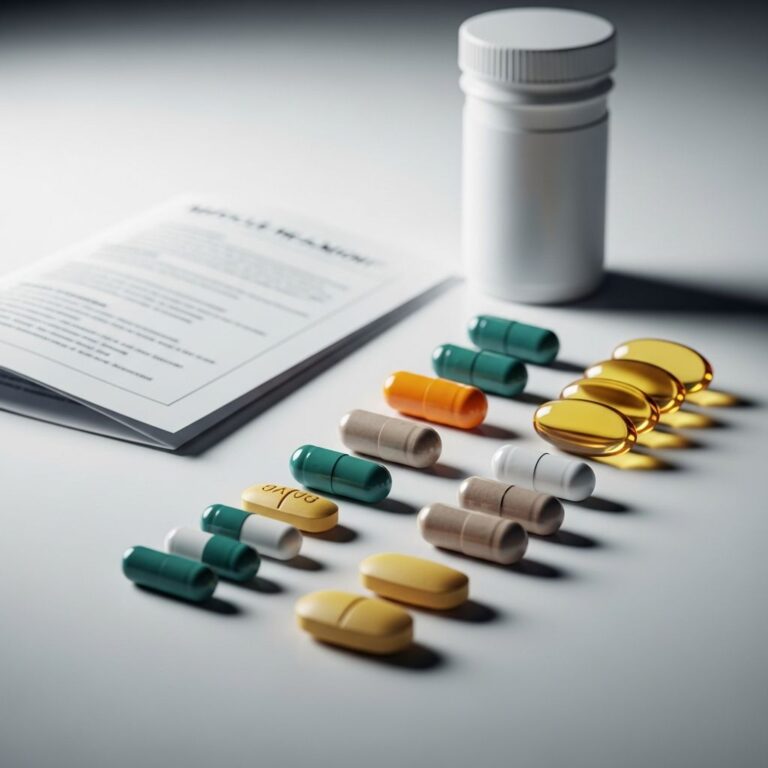
The medicine is prescribed when diet and exercise alone prove insufficient. It is not suitable for type 1 diabetes or diabetic ketoacidosis. Sitagliptin comes as 100 mg tablets, typically taken once daily, and is available as monotherapy or in fixed combinations like Janumet (with metformin).
Key facts about sitagliptin
- Usually taken once a day.
- Common side effects include upper respiratory infections, stuffy nose, and sore throat.
- Serious risks involve pancreatitis and potential heart failure worsening.
- Does not cause low blood sugar (hypoglycemia) when used alone.
- Suitable for adults; not approved for children unless specified by a doctor.
About type 2 diabetes
Type 2 diabetes affects how the body processes glucose, leading to elevated blood sugar levels that can damage organs over time. Risk factors include obesity, age over 45, family history, and sedentary lifestyle. Management focuses on lifestyle changes and medications like sitagliptin to prevent complications such as heart disease, stroke, kidney failure, and neuropathy.
How sitagliptin works
Sitagliptin inhibits DPP-4, an enzyme that breaks down incretin hormones like GLP-1 and GIP. These hormones are released after meals to stimulate insulin secretion from the pancreas in a glucose-dependent manner and suppress glucagon release from the liver, reducing hepatic glucose production.
This mechanism improves glycemic control without significant hypoglycemia risk, as insulin release only increases when blood glucose is high. Clinical studies show reductions in HbA1c by 0.5-1% when used alone or in combination.
How and when to take sitagliptin
Dosage
The standard adult dose is 100 mg once daily, with or without food. For patients with moderate renal impairment (creatinine clearance 30-50 mL/min), reduce to 50 mg daily; for severe (under 30 mL/min) or end-stage renal disease, 25 mg daily. No dose adjustment needed for mild impairment or hepatic issues.
| Condition | Dose |
|---|---|
| Type 2 diabetes (adults) | 100 mg once daily |
| Moderate renal impairment | 50 mg once daily |
| Severe renal impairment/ESRD | 25 mg once daily |
| Children | Determined by doctor |
Missed dose
Take the missed dose as soon as remembered unless it’s nearly time for the next. Skip and resume schedule; do not double up.
Storage
Store at room temperature (15-30°C), away from moisture and heat. Keep out of reach of children.
Who can and cannot take sitagliptin
Who can take it
Adults with type 2 diabetes inadequately controlled by diet/exercise. Used alone if metformin-intolerant or with other agents like metformin, sulfonylureas, insulin, or thiazolidinediones.
Who cannot
Related Stories



- People with type 1 diabetes or ketoacidosis.
- History of serious hypersensitivity to sitagliptin.
- Severe renal impairment without dose adjustment (consult doctor).
- Pregnant or breastfeeding women (limited data).
Common questions about sitagliptin
Can you take sitagliptin on an empty stomach?
Yes, it can be taken with or without food, offering flexibility.
Is sitagliptin safe in pregnancy?
Not recommended; use only if benefits outweigh risks. Insulin is preferred.
Can you drink alcohol with sitagliptin?
Moderate alcohol is okay but monitor blood sugar, as excess can affect control.
Is sitagliptin a sulfonylurea?
No, it’s a DPP-4 inhibitor, unlike sulfonylureas that stimulate insulin regardless of glucose levels.
Does sitagliptin cause weight gain?
Generally weight-neutral, unlike some diabetes drugs.
Side effects of sitagliptin
Most side effects are mild. Report persistent or severe symptoms to a doctor.
Common side effects
- Headache
- Stuffy or runny nose, sore throat
- Upper respiratory infection
- Joint pain
- Diarrhea, nausea, stomach pain
- Hypoglycemia (when combined with other drugs).
Serious side effects
- Pancreatitis: Severe abdominal pain, nausea, vomiting—seek emergency care.
- Severe joint pain: May require discontinuation.
- Bullous pemphigoid: Blisters or skin erosion.
- Heart failure: Worsening shortness of breath, swelling.
- Hypersensitivity: Rash, hives, swelling.
Side effects table
| Type | Examples | Frequency |
|---|---|---|
| Common (>1/100) | Respiratory infections, headache | Up to 5% |
| Serious (rare) | Pancreatitis, severe allergy | <1/1000 |
How to cope with sitagliptin side effects
- Headache: Rest, hydrate, use paracetamol if needed.
- Stomach upset: Take with food.
- Joint pain: Monitor; consult if persistent.
- Hypoglycemia: Consume glucose if dizzy or shaky.
Do not stop without medical advice.
Pregnancy and breastfeeding with sitagliptin
Avoid during pregnancy due to potential fetal harm; use effective contraception. Limited breastfeeding data—discuss alternatives with doctor.
Other medicines and sitagliptin
Sitagliptin has few interactions but inform your doctor of all medications.
- Other diabetes drugs: Increases hypoglycemia risk with sulfonylureas/insulin.
- Digoxin: Slight level increase.
- Contraindicated with other DPP-4 inhibitors.
- Adjust dose with renal-affecting drugs.
Common questions about sitagliptin and other medicines
Is sitagliptin safe with statins?
Yes, commonly co-prescribed for cardiovascular risk.
Can you take paracetamol with sitagliptin?
Yes, for pain relief.
Does sitagliptin interact with metformin?
No major issues; often combined safely.
Buying and using sitagliptin safely
Prescription-only. Use exactly as directed, monitor blood sugar regularly, and attend check-ups for kidney function and HbA1c.
Further information and support
Consult Diabetes UK or your healthcare provider for personalized advice.
Frequently Asked Questions (FAQs)
What is sitagliptin used for?
Treating type 2 diabetes by improving blood sugar control.
How quickly does sitagliptin work?
Effects start within weeks; full benefit in 3 months with lifestyle changes.
Does sitagliptin cause cancer?
No evidence; long-term studies show safety.
Can sitagliptin be crushed?
No, swallow whole.
What if I overdose?
Seek immediate medical help.
References
- Sitagliptin (oral route) – Mayo Clinic — Mayo Clinic. 2023. https://www.mayoclinic.org/drugs-supplements/sitagliptin-oral-route/description/drg-20069730
- Sitagliptin Accord – EMA — European Medicines Agency. 2023. https://www.ema.europa.eu/en/medicines/human/EPAR/sitagliptin-accord
- Sitagliptin: Uses, Interactions, Mechanism – DrugBank — DrugBank. 2023. https://go.drugbank.com/drugs/DB01261
- Sitagliptin Tablets: Uses & Side Effects – Cleveland Clinic — Cleveland Clinic. 2023. https://my.clevelandclinic.org/health/drugs/20653-sitagliptin-tablets
- About sitagliptin – NHS — NHS. 2023. https://www.nhs.uk/medicines/sitagliptin/about-sitagliptin/
Similar Articles








Read full bio of Sneha Tete