Sitagliptin for diabetes (Januvia, Ristaben, Xelevia)
Sitagliptin helps manage type 2 diabetes by boosting insulin and controlling blood sugar levels effectively with diet and exercise.
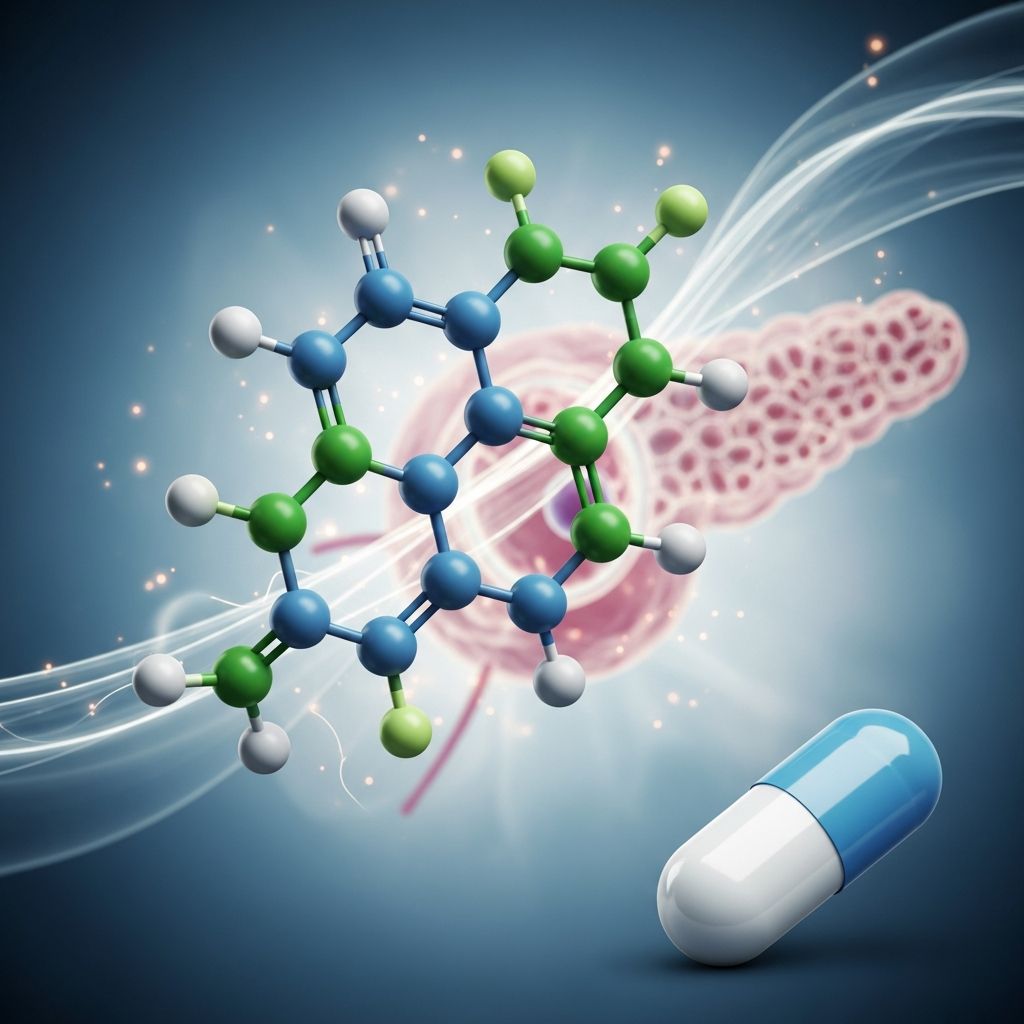
About sitagliptin tablets, including Januvia, Ristaben, and Xelevia, and how to take them safely alongside diet and exercise for type 2 diabetes management.
About sitagliptin tablets
Sitagliptin is a medication specifically designed to help manage
type 2 diabetes
in adults. It belongs to a class of drugs known as dipeptidyl peptidase-4 (DPP-4) inhibitors. Unlike type 1 diabetes, where the body produces no insulin, type 2 diabetes involves the body either not producing enough insulin or not using it effectively, leading to elevated blood sugar levels (hyperglycaemia).Sitagliptin works by targeting the incretin system in the body. After eating, incretin hormones like GLP-1 and GIP are released, stimulating insulin production from the pancreas and reducing glucagon release from the liver, which lowers blood glucose production. Sitagliptin inhibits the DPP-4 enzyme that breaks down these hormones, thereby prolonging their activity. This results in increased insulin when blood sugar is high and decreased glucagon, helping to stabilise glucose levels without causing low blood sugar (hypoglycaemia) when levels are normal.
Available under brand names such as
Januvia
,Ristaben
, andXelevia
, sitagliptin is typically prescribed alongside diet and exercise. It can be used alone or in combination with other diabetes medications like metformin, sulphonylureas, PPAR-gamma agonists (e.g., thiazolidinediones), or insulin. It is not suitable for type 1 diabetes or diabetic ketoacidosis.Key benefits include once-daily dosing, low risk of weight gain, and a generally well-tolerated profile. Clinical studies show it reduces HbA1c (a measure of long-term blood sugar control) by about 0.5-1% when added to existing therapies.
Key facts about sitagliptin
- Sitagliptin starts working within a few hours but requires daily use for stable blood sugar control.
- Standard dose is
100 mg once daily
, with or without food. - Common side effects include
headaches
and upper respiratory infections; serious risks like pancreatitis are rare. - Does not typically cause weight gain, unlike some other diabetes drugs.
- Free prescriptions available for diabetes patients in eligible regions.
- Not recommended during pregnancy or breastfeeding without medical advice.
Who can and cannot take sitagliptin tablets
Who can take sitagliptin
Adults diagnosed with type 2 diabetes who have not achieved adequate blood sugar control through diet and exercise alone. It is suitable for monotherapy in patients intolerant to metformin or as combination therapy with other agents.
Who cannot take sitagliptin
- People with
type 1 diabetes
or diabetic ketoacidosis. - Those with a history of serious hypersensitivity to sitagliptin or any component.
- Patients with severe kidney problems (dose adjustment needed for moderate impairment).
- Individuals with active pancreatitis or history of severe pancreatitis.
Caution is advised in patients with heart failure, as some DPP-4 inhibitors have been linked to risks in this group, though sitagliptin data is reassuring.
How and when to take sitagliptin tablets
Dosage
The usual dose for adults is 100 mg once daily. For those with moderate renal impairment (creatinine clearance 30-50 mL/min), reduce to 50 mg daily; for severe (under 30 mL/min) or end-stage renal disease, 25 mg daily. No adjustment needed for mild impairment or hepatic issues.
Related Stories



How to take it
- Swallow tablets whole with water, with or without food.
- Take at the same time each day for consistency.
- If switching from another diabetes drug, follow doctor’s transition plan.
- Missed dose: Take as soon as remembered unless near next dose; do not double up.
How long to take it for
Sitagliptin is a long-term treatment for ongoing diabetes management. Regular blood tests monitor effectiveness and safety. Do not stop without consulting your doctor, as blood sugar may rise.
Side effects of sitagliptin tablets
Most people tolerate sitagliptin well, but side effects can occur. Always report persistent or severe symptoms to your doctor.
Common side effects
These affect more than 1 in 100 people:
- Headaches.
- Upper respiratory tract infection (e.g., sore throat, stuffy nose).
- Stomach pain or discomfort.
Serious side effects
Rare but require immediate medical attention:
- Pancreatitis: Severe abdominal pain that may radiate to the back, with nausea/vomiting.
- Severe allergic reactions (anaphylaxis): Swelling of face/throat, difficulty breathing, rash.
- Bullous pemphigoid: Blisters or skin erosion (reported with DPP-4 inhibitors).
- Heart failure worsening: Shortness of breath, swelling in legs.
- Low blood sugar (hypoglycaemia): More common when combined with insulin or sulphonylureas; symptoms include sweating, shakiness, confusion.
Monitoring: Regular kidney function tests, as renal impairment affects dosing.
Side effects table
| Side Effect | Frequency | Action |
|---|---|---|
| Headache | Common | Usually mild, resolves |
| Pancreatitis | Rare | Seek emergency care |
| Hypoglycaemia | With combos | Check blood sugar, treat promptly |
| Joint pain | Uncommon | Monitor, report if severe |
Pregnancy and breastfeeding with sitagliptin tablets
Limited data exists on sitagliptin use in pregnancy. Animal studies show no direct harm, but potential risks to fetal development cannot be ruled out. It is not recommended unless benefits outweigh risks; insulin is preferred for glycemic control in pregnancy.
For breastfeeding, sitagliptin may pass into milk (unknown in humans). Avoid or consult a specialist; monitor infant for effects.
Other medicines, food and drink with sitagliptin tablets
Interactions
- Other diabetes drugs: Increased hypoglycaemia risk with insulin/sulphonylureas; dose adjustments may be needed.
- Digoxin: Slight increase in digoxin levels; monitor.
- Rifampicin: May reduce sitagliptin efficacy; consider dose increase.
- No significant interactions with common foods, alcohol (moderate use advised), or most antihypertensives.
Always inform your doctor of all medications, including over-the-counter and supplements.
Common questions about sitagliptin tablets
Frequently Asked Questions (FAQs)
Can I take sitagliptin on an empty stomach?
Yes, sitagliptin can be taken with or without food, making it convenient for daily use.
Does sitagliptin cause weight gain?
No, sitagliptin is weight-neutral and may even support weight management in type 2 diabetes.
How quickly does sitagliptin lower blood sugar?
It begins working within hours, but full effects on HbA1c take weeks of consistent use.
Is sitagliptin safe for kidneys?
Dose adjustments are required for renal impairment; not recommended in severe cases without monitoring.
Can children take sitagliptin?
Safety and efficacy not established in children; use determined by doctor if needed.
Choosing between sitagliptin brands
Januvia (original), Ristaben, Xelevia are equivalent in active ingredient (sitagliptin). Generics like Sitagliptin Accord match efficacy and safety. Choose based on availability, cost, and doctor recommendation.
References
- Sitagliptin (oral route) – Mayo Clinic — Mayo Clinic. 2023-10-01. https://www.mayoclinic.org/drugs-supplements/sitagliptin-oral-route/description/drg-20069730
- Sitagliptin Accord – European Medicines Agency — EMA. 2023-05-15. https://www.ema.europa.eu/en/medicines/human/EPAR/sitagliptin-accord
- Sitagliptin: Uses, Interactions, Mechanism of Action — DrugBank. 2024-01-10. https://go.drugbank.com/drugs/DB01261
- Sitagliptin Tablets: Uses & Side Effects — Cleveland Clinic. 2023-08-20. https://my.clevelandclinic.org/health/drugs/20653-sitagliptin-tablets
- About sitagliptin – NHS — NHS. 2024-02-05. https://www.nhs.uk/medicines/sitagliptin/about-sitagliptin/
- What You Should Know About Sitagliptin (Januvia) — Banner Health. 2023-11-12. https://www.bannerhealth.com/healthcareblog/teach-me/what-you-should-know-about-sitagliptin-januvia
Similar Articles








Read full bio of medha deb