Situational Depression: Symptoms, Causes, And Treatment Guide
Understand situational depression: symptoms, causes, treatments, and how it differs from clinical depression for effective recovery.
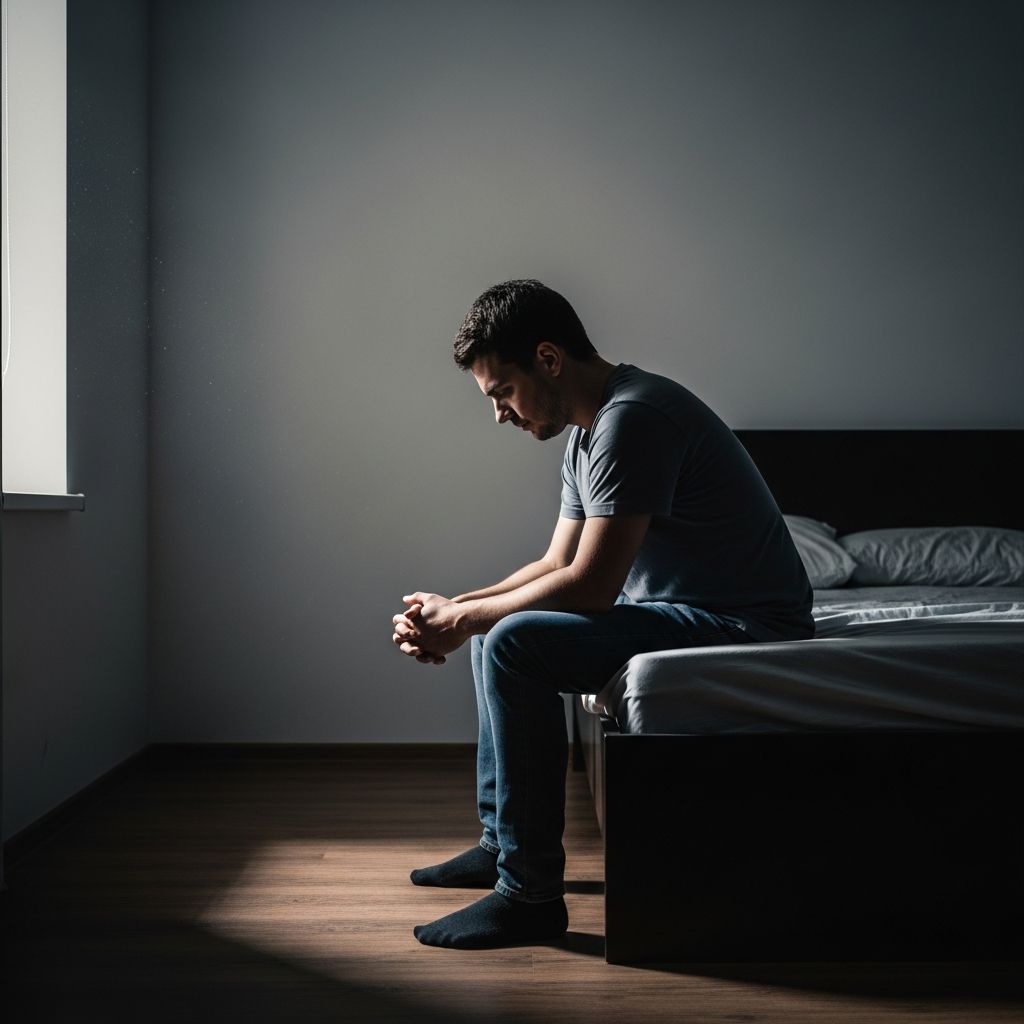
Situational depression, also known as adjustment disorder with depressed mood, is a temporary form of depression triggered by specific life stressors, distinguishing it from chronic clinical depression.
Unlike major depressive disorder (MDD), which persists without a clear trigger, situational depression typically resolves within six months once the stressor diminishes or coping improves.
What Is Situational Depression?
Situational depression develops in response to identifiable events like bereavement, job loss, or divorce, classified under adjustment disorders in the DSM-5 as emotional symptoms emerging within three months of the stressor.
This condition affects daily functioning but is short-term, often improving with time, support, or intervention, preventing escalation to longer-lasting depression.
Recognizing it early supports timely recovery, emphasizing its link to external events rather than biochemical imbalances alone.
Situational Depression vs. Clinical Depression
Situational depression stems from acute stressors and lasts briefly, while clinical depression (MDD) involves persistent low mood and anhedonia for at least two weeks without a single trigger.
| Aspect | Situational Depression | Clinical Depression |
|---|---|---|
| Duration | Short-term (<6 months) | Chronic (2+ weeks, often longer) |
| Triggers | Specific event (e.g., loss, move) | Multiple or none |
| Severity | Mild to moderate | Severe, with physical symptoms |
| Treatment | Therapy, lifestyle changes | Therapy + medication often needed |
These differences guide diagnosis and intervention, with situational cases rarely requiring hospitalization.
Symptoms of Situational Depression
Symptoms mirror depression but tie directly to the stressor, varying in intensity and typically resolving post-event.
- Persistent sadness or hopelessness
- Frequent crying episodes
- Anxiety, worry, or irritability
- Fatigue or low energy
- Sleep changes (insomnia or oversleeping)
- Appetite shifts leading to weight changes
- Difficulty concentrating or deciding
- Social withdrawal
- Declined work/school performance
- Suicidal thoughts (seek immediate help if present)
These must impair social, occupational, or other functioning and not stem from another disorder.
Causes and Triggers of Situational Depression
Triggers involve major life disruptions challenging emotional adaptation.
- Traumatic events: Death of a loved one, accidents
- Life transitions: Job loss, retirement, relocation, divorce
- Personal conflicts: Relationship breakdowns, family disputes
- Caregiving burdens: Illness of a relative
- Financial strain: Debt or economic hardship
Individual responses, not event severity, determine onset, influenced by coping resources.
Risk Factors for Situational Depression
Not everyone facing stressors develops symptoms; vulnerabilities heighten risk.
- Limited social support networks
- History of anxiety or prior depression
- Chronic stress (e.g., ongoing finances)
- Pessimistic coping styles or low resilience
- Recent multiple stressors compounding impact
Addressing these through support reduces likelihood.
Diagnosis of Situational Depression
Diagnosis follows DSM-5 criteria: symptoms within 3 months of stressor, excessive distress relative to event, functional impairment, not better explained by another condition, and resolution within 6 months post-stressor.
Related Stories



Clinicians use interviews, questionnaires, and rule out MDD or grief via timelines and pervasiveness.
ICD-11 aligns, stressing temporal link to stressor.
Treatment for Situational Depression
Treatment focuses on coping enhancement, often succeeding without medication due to its transient nature.
Psychotherapy (Talk Therapy)
First-line, helps process emotions and build resilience.
- Cognitive Behavioral Therapy (CBT): Restructures negative thoughts, fosters adaptive behaviors.
- Mindfulness-Based Therapies: Promote present-focus via meditation, breathing to curb rumination.
- Interpersonal Therapy: Addresses relationship strains from stressor.
Medications
Rarely primary; short-term antidepressants if severe, but psychotherapy preferred.
Lifestyle Changes
Essential adjuncts.
- Regular aerobic exercise (30 min/day)
- Balanced nutrition avoiding excess sugar/caffeine
- Consistent sleep hygiene
- Social reconnection
- Stress reduction: yoga, hobbies
How Long Does Situational Depression Last?
DSM-5 specifies <6 months after stressor ends; lingering beyond suggests progression to MDD, warranting reevaluation.
With treatment, improvement often occurs in weeks.
Can Situational Depression Turn Into Clinical Depression?
Yes, if unresolved; chronic stressors or poor coping can evolve into MDD.
Early intervention prevents this, with monitoring key if symptoms persist >6 months.
Coping Strategies and Prevention
Proactive steps mitigate onset or duration.
- Build support: confide in friends/family
- Practice mindfulness daily
- Maintain routines: exercise, diet
- Journal to process emotions
- Seek professional help early
- Develop resilience via problem-solving skills
Support groups aid grief or transition adjustment.
When to See a Doctor
Consult if symptoms last >2 weeks, worsen, or include suicidality; immediate ER for self-harm risk.
Therapists via primary care or direct access recommended.
Frequently Asked Questions (FAQs)
What is the difference between situational and clinical depression?
Situational is short-term, event-linked; clinical is pervasive, longer-lasting without single trigger.
How long does situational depression typically last?
Up to 6 months post-stressor per DSM-5.
Can situational depression lead to major depression?
Yes, if untreated and stressors persist.
What are the best treatments for situational depression?
CBT, mindfulness, lifestyle changes; meds if severe.
Is medication necessary for situational depression?
Often not; therapy suffices for most.
References
- What is situational depression? Symptoms, causes, and treatment — Grow Therapy. 2023. https://growtherapy.com/blog/what-is-situational-depression/
- Situational vs clinical depression: Differences and diagnoses — Medical News Today. 2023-10-12. https://www.medicalnewstoday.com/articles/314698
- Clinical Depression (Major Depressive Disorder): Symptoms — Cleveland Clinic. 2023-05-12. https://my.clevelandclinic.org/health/diseases/24481-clinical-depression-major-depressive-disorder
- Depression — National Institute of Mental Health (NIMH). 2024. https://www.nimh.nih.gov/health/topics/depression
- Understanding Lifestyle and Environmental Triggers of Depression — MentalHealth.com. 2023. https://www.mentalhealth.com/library/lifestyle-and-depression
Similar Articles








Read full bio of medha deb