Sitz Bath: Benefits, How to, and Supplies
Discover how sitz baths soothe pain, speed healing for hemorrhoids, postpartum recovery, and more with simple home remedies.
A
sitz bath
is a shallow, warm-water bath designed to target the perineal area—the space between the anus and genitals—for pain relief, cleansing, and healing promotion. Commonly recommended for conditions like hemorrhoids, anal fissures, and postpartum recovery, it increases blood flow while reducing inflammation and discomfort.This therapeutic soak requires minimal equipment and can be done at home using a bathtub or specialized kit. Medical sources emphasize its safety and efficacy for various anal and genital issues. Below, we cover everything from benefits and procedures to precautions.
What Is a Sitz Bath?
A sitz bath (from the German “sitzen,” meaning “to sit”) involves sitting in a few inches of warm water that covers only the hips and buttocks, immersing the perineum without submerging the rest of the body. The warm water relaxes the anal sphincter, boosts circulation, and eases pain, itching, or muscle spasms in the area.
Unlike a full bath, it focuses therapy on the lower pelvis. Water temperature should be comfortably warm (around 94–98°F or 34–37°C), not hot, to avoid burns. Sessions typically last 15–20 minutes, 2–3 times daily, as needed.
- Key purpose: Cleanse perineum, reduce swelling, promote faster healing.
- Not a prescription: Over-the-counter remedy accessible to most people.
- Historical use: Dates back centuries for postpartum and surgical recovery.
How to Do a Sitz Bath
Performing a sitz bath is straightforward with two main methods: bathtub or toilet-mounted kit. Always clean equipment thoroughly before and after use to prevent infection.
In the Bathtub
- Fill the tub with 3–4 inches of warm water (test with your wrist; it should feel soothing, not scalding).
- Sit with knees bent, ensuring water covers the perineum.
- Soak for 15–20 minutes.
- Pat dry gently with a clean towel; avoid rubbing.
This method is free but less precise for targeting the perineum.
Using a Sitz Bath Kit
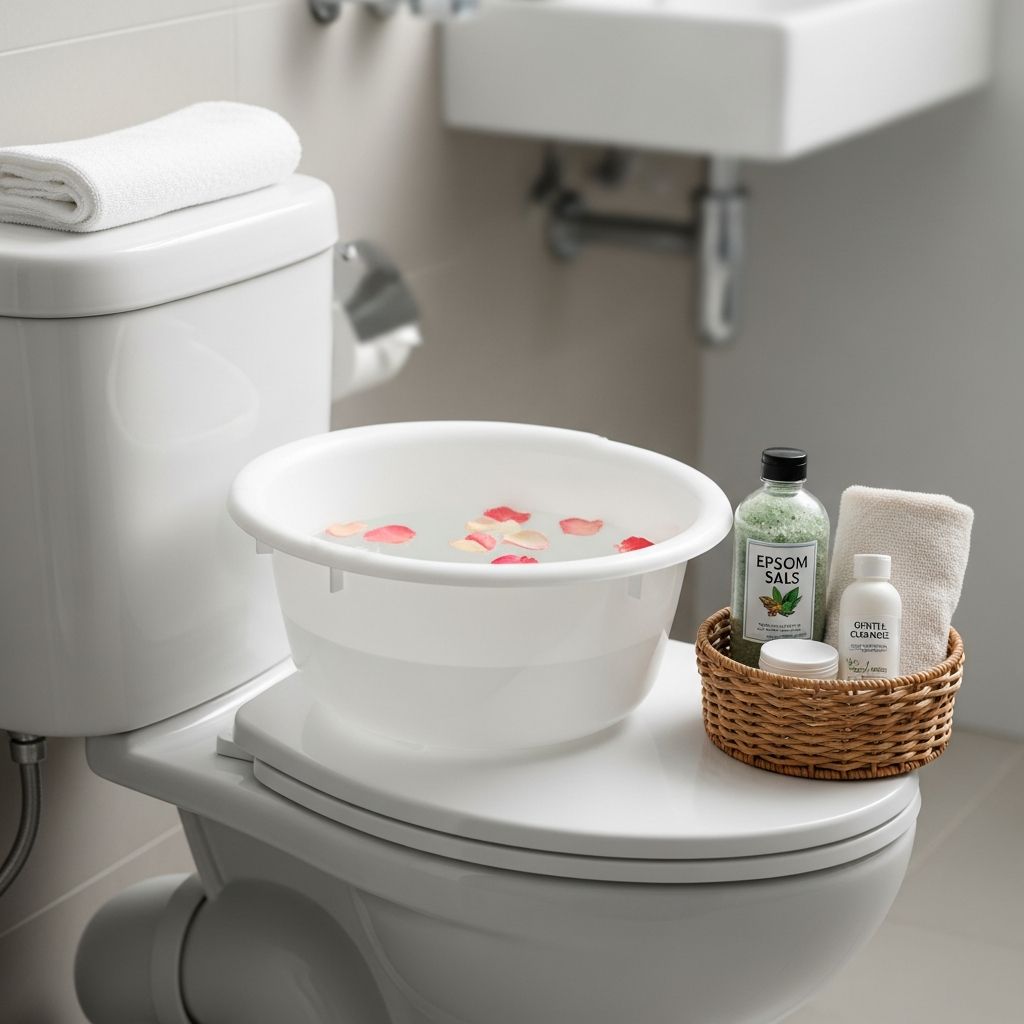
Kits (about $10–20) include a plastic basin that fits over the toilet seat and often a bag for continuous warm water flow, creating a gentle whirlpool effect.
- Clean and rinse the basin.
- Place it securely over the toilet (lift seat first).
- Fill 2/3 with warm water; add 1–2 tsp salt if recommended (stirs to dissolve).
- If using a bag: Hang at shoulder height, open valve to fill and maintain flow.
- Sit and soak 15–20 minutes; rise slowly to avoid dizziness.
- Empty, rinse, and air-dry the basin.
Pro tip: For added relief, some add Epsom salt or prescribed meds, but consult a doctor first.
What Is a Sitz Bath Used For?
Sitz baths treat a range of lower-body issues by improving hygiene, reducing inflammation, and aiding tissue repair.
| Condition | How It Helps |
|---|---|
| Hemorrhoids | Reduces swelling, pain, itching; cleanses to prevent irritation. |
| Anal Fissures | Relaxes sphincter, promotes healing of tears. |
| Post-Surgery (e.g., Hemorrhoidectomy) | Speeds recovery, eases discomfort. |
| Episiotomy/Perineal Tears | Lowers postpartum pain, swelling. |
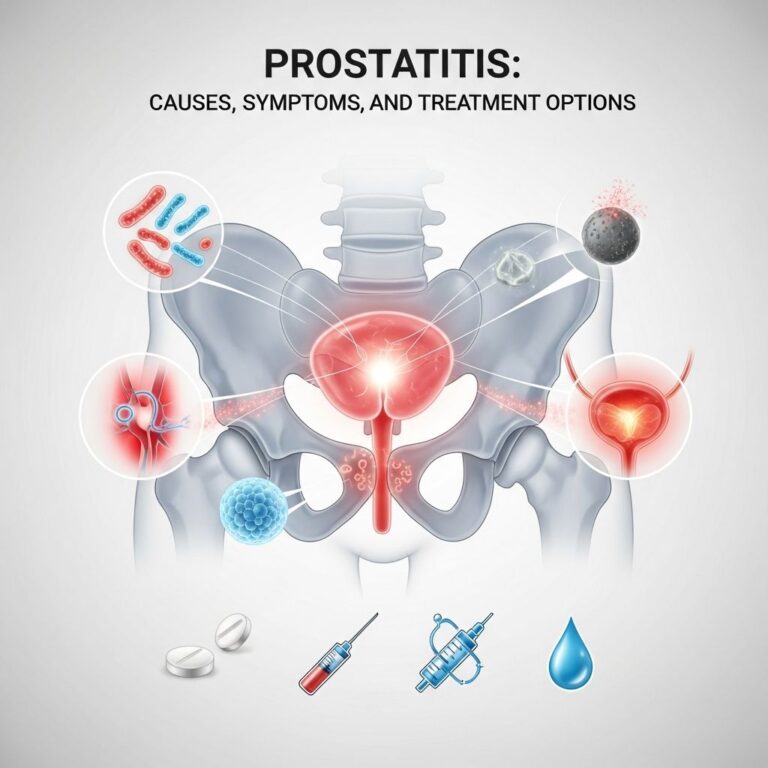
| Prostatitis or Vaginal Infections | Soothes burning, boosts blood flow. |
Regular use keeps the area clean during bowel movements and reduces infection risk.
Sitz Bath Benefits for Women
Related Stories



Women benefit significantly postpartum, where 90% experience perineal discomfort. Sitz baths alleviate:
- Afterbirth pain: From tears or C-sections affecting the area.
- Swelling/bruising: Warm water constricts vessels then dilates for healing.
- Bartholin’s cyst/abscess: Reduces inflammation near vaginal glands.
- Menstrual cramps: Some use for pelvic relief (though less common).
Studies note faster healing post-vaginal delivery; start 24 hours after birth if approved by a provider. It’s also useful for yeast infections or general genital soreness.
Risks and Aftercare
Sitz baths are low-risk but require precautions.
- Burns: Water too hot—always test.
- Infection: unclean basin; rinse with soap/water post-use.
- Dizziness: Stand slowly; stay hydrated.
- Allergies: Avoid additives if sensitive.
Aftercare: Pat dry front-to-back, wear cotton underwear, air out area. Discard towel if pus present.
When to Contact a Doctor
Seek care if symptoms worsen: severe pain, bleeding, fever, pus, or no improvement after 1 week. Not a substitute for medical treatment. Postpartum: Get clearance before starting.
Frequently Asked Questions (FAQs)
How often should you do a sitz bath?
2–3 times daily for 15–20 minutes, or as advised by your doctor.
Can you put Epsom salt in a sitz bath?
Yes, 1/2 cup Epsom salt can enhance relaxation, but plain water works too. Consult for meds.
How does a sitz bath help hemorrhoids?
Warm water shrinks swollen veins, cleanses, and eases bowel movement pain.
Can I use a sitz bath while pregnant?
Yes, for hemorrhoids, but check with OB-GYN; avoid very hot water.
What temperature should a sitz bath be?
94–98°F (34–37°C)—warm like a baby’s bottle.
Choosing Sitz Bath Supplies
- Kits: Brands like McKesson or Drive Medical ($10–25); include bag/tubing.
- Additives: Salt, baking soda (doctor-approved).
- Alternatives: Bathtub for budget option.
Reusable and portable for home or travel.
References
- Sitz Bath: Uses, Procedure, and Risk Factors — Healthline. 2022-07-22. https://www.healthline.com/health/sitz-bath
- Sitz bath — MedlinePlus Medical Encyclopedia (NIH). Accessed 2026. https://medlineplus.gov/ency/article/002299.htm
- Sitz Bath — SingHealth. Accessed 2026. https://www.singhealth.com.sg/medicine/sitz-bath
- Sitz bath: Definition, reasons for use, and benefits for women — Medical News Today. Accessed 2026. https://www.medicalnewstoday.com/articles/312033
- Sitz Bath: Definition & Benefits — Cleveland Clinic. Accessed 2026. https://my.clevelandclinic.org/health/treatments/24137-sitz-bath
- How Sitz Baths Can Soothe Your Genital or Anal Problems — Banner Health. Accessed 2026. https://www.bannerhealth.com/healthcareblog/better-me/how-a-simple-sitz-bath-can-relieve-your-genital-or-anal-pain
Similar Articles








Read full bio of Sneha Tete