Six Common Types of Depression: Symptoms and Treatment
Understanding major, persistent, seasonal, and other common forms of depression and how to seek help.
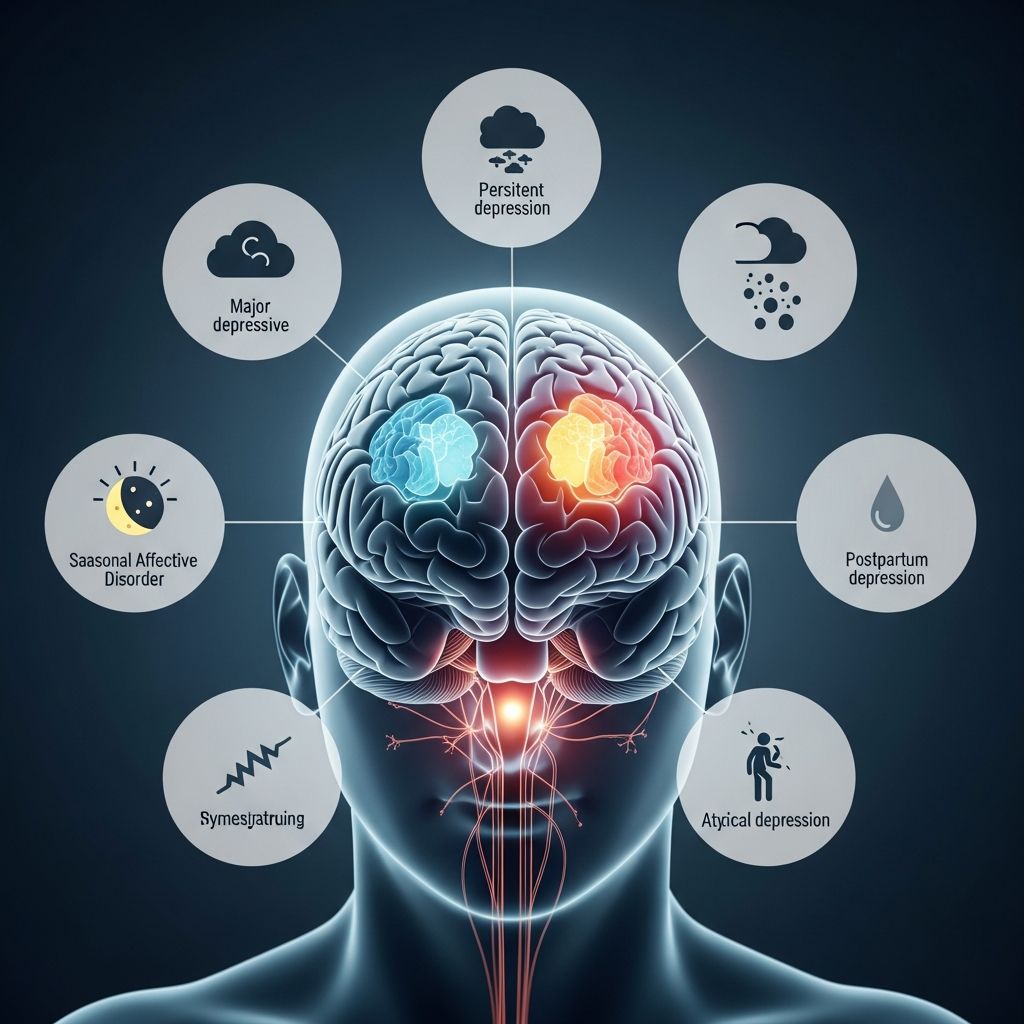
Understanding Depression: Six Common Types
Depression is more than just feeling sad or blue. It’s a serious mental health condition that can significantly impact your daily life, relationships, and overall well-being. While sadness is a natural human emotion that typically passes with time, clinical depression persists and interferes with your ability to function. Understanding the different types of depression is essential for recognizing symptoms, seeking appropriate treatment, and finding relief. This guide explores six common forms of depression, their characteristics, and evidence-based treatment approaches.
What Is Depression?
Depression is a medical condition characterized by persistent feelings of sadness, hopelessness, and loss of interest in activities you once enjoyed. Unlike temporary sadness, depression involves a combination of emotional, physical, and cognitive symptoms that last for weeks or months. Depression affects how you think, feel, and handle daily activities, and it can occur at any age, affecting children, adolescents, and adults. The condition is common, with millions of people experiencing depression each year, yet it remains highly treatable when properly diagnosed and managed.
Major Depressive Disorder (Clinical Depression)
Major depressive disorder (MDD), also called clinical depression, is the most severe form of depression. It is characterized by intense, persistent symptoms that significantly interfere with your daily functioning. People with major depression may experience debilitating sadness, complete loss of interest in activities, severe fatigue, and difficulty concentrating. Unlike milder forms of depression, major depression can make it nearly impossible to work, maintain relationships, or care for yourself.
The symptoms of major depression typically last at least two weeks and include:
– Persistent sad or empty mood- Loss of interest or pleasure in activities- Significant weight or appetite changes- Sleep disturbances (insomnia or oversleeping)- Fatigue or loss of energy- Feelings of worthlessness or guilt- Difficulty concentrating or making decisions- Thoughts of death or suicide
Major depressive disorder is less common than mild or moderate depression, but it requires immediate professional intervention. If you’re experiencing thoughts of suicide, please reach out to a mental health professional or crisis helpline immediately.
Persistent Depressive Disorder (Dysthymia)
Persistent depressive disorder (PDD), formerly known as dysthymia, is a chronic form of low-grade depression that lasts significantly longer than major depression. While symptoms are generally less severe than major depression, they persist for at least two years in adults and at least one year in children and adolescents. Many people with dysthymia describe it as feeling constantly weighed down by a cloud of sadness and negativity.
Key characteristics of persistent depressive disorder include:
– Chronic depressed mood most days- Low energy and motivation- Low self-esteem- Poor concentration or difficulty making decisions- Feelings of hopelessness- Changes in sleep patterns or appetite- Withdrawal from social activities
The long-term nature of dysthymia can make it particularly challenging, as people may not recognize they’re experiencing a treatable condition. Because the symptoms develop gradually and persist over years, individuals often accept depression as part of their personality rather than a medical condition. Treatment, including therapy and medication, can significantly improve quality of life for those with persistent depressive disorder.
Mild and Moderate Depression
Depression exists on a spectrum, and understanding the distinction between mild and moderate depression can help determine appropriate treatment. Both types fall between normal sadness and major depressive disorder in terms of severity and impact on daily functioning.
Mild Depression
Mild depression is the most common type of depression. While it’s more serious than temporary sadness, it doesn’t completely disable you. You can typically complete your daily tasks and responsibilities, but everything feels much harder. You may experience:
– Persistent sadness or emptiness- Decreased motivation- Fatigue or reduced energy- Loss of interest in hobbies or social activities- Minor changes in sleep or appetite- Difficulty concentrating
People with mild depression often feel weighed down by negativity and may skip social events or struggle with work, but they can usually continue functioning. Early intervention with lifestyle changes, self-care, and sometimes therapy can prevent mild depression from progressing to more severe forms.
Moderate Depression
Moderate depression represents an escalation from mild depression, where symptoms become more pronounced and interfere more significantly with daily life. The negativity feels increasingly heavy, and the impact on work, relationships, and self-esteem becomes more tangible. People with moderate depression may:
– Skip more social events and appointments- Miss work deadlines or struggle with job performance- Experience noticeable changes in sleep, appetite, or weight- Feel increasingly hopeless or worthless- Have difficulty making decisions- Withdraw from relationships
Moderate depression typically requires more structured treatment than mild depression. Healthcare providers may recommend therapy, such as cognitive behavioral therapy (CBT), along with lifestyle modifications. In some cases, antidepressant medication may be prescribed to help restore brain chemistry and improve symptoms.
Seasonal Affective Disorder (SAD)
Seasonal affective disorder is a type of depression that follows a seasonal pattern, typically occurring during fall and winter when daylight hours are shorter. SAD can make you feel like a completely different person compared to how you feel during spring and summer. During winter months, people with SAD may experience:
– Persistent depressed mood- Hopelessness and low motivation- Increased tension and stress- Loss of interest in previously enjoyed activities- Social withdrawal- Weight gain- Excessive sleep- Difficulty concentrating
The reduced exposure to sunlight during winter months disrupts circadian rhythms and affects serotonin levels, contributing to depression. SAD usually begins in fall and continues through winter, resolving when spring arrives and daylight increases. Treatment options include light therapy (using a light box that mimics natural daylight), therapy, medication, and vitamin D supplementation. If you consistently experience depression during winter months, consulting a healthcare provider can help establish an effective treatment plan before symptoms become severe.
Postpartum Depression
Postpartum depression occurs in some women after giving birth. While it’s common to experience “baby blues”—temporary mood changes and sadness—postpartum depression is more serious and persistent. It can develop within weeks or months after delivery and includes:
– Persistent sadness or emptiness- Anxiety or panic attacks- Difficulty bonding with the baby- Feelings of inadequacy as a mother- Sleep disturbances beyond normal newborn care- Loss of interest in activities- Hopelessness or intrusive negative thoughts- Difficulty concentrating or making decisions
Postpartum depression results from hormonal changes, sleep deprivation, life stress, and adjustment to parenthood. It requires prompt professional attention because it affects not only the mother’s well-being but also the developing parent-child relationship. Treatment options include therapy, support groups, and in some cases, antidepressant medication. Many antidepressants are safe for breastfeeding mothers. Early intervention significantly improves outcomes for both mother and baby.
Other Important Depression Types
Premenstrual Dysphoric Disorder (PMDD)
Premenstrual dysphoric disorder is a severe form of premenstrual syndrome (PMS) caused by hormonal fluctuations throughout the menstrual cycle. Unlike standard PMS, PMDD significantly interferes with work, school, and relationships. Symptoms occur in the luteal phase of the cycle and include:
– Severe depression or hopelessness- Significant anxiety or tension- Emotional sensitivity or irritability- Physical symptoms (bloating, cramps, headaches, body pain)- Fatigue or low energy- Changes in appetite- Sleep disturbances
PMDD affects approximately 3-8% of menstruating people. Treatment includes lifestyle modifications, therapy, and medications such as selective serotonin reuptake inhibitors (SSRIs) or hormonal birth control. Tracking symptoms in a diary can help establish the pattern and confirm PMDD diagnosis.
Depression with Psychotic Features
Sometimes major depression can be accompanied by psychotic symptoms such as hallucinations, delusions, or stupor. This combination can be extremely frightening and disorienting. During a depressive episode with psychosis, you may:
– Believe things that aren’t based in reality- Experience paranoia- See, hear, or feel things that aren’t actually there- Feel irrational anger- Have thoughts of self-harm or harming others
This severe form of depression requires immediate professional intervention. Antipsychotic medications combined with antidepressants are typically prescribed. Hospitalization may be necessary if there’s risk of self-harm or harm to others.
Risk Factors and Causes
Depression develops through a combination of genetic, biological, environmental, and psychological factors. Common risk factors include:
– Family history of depression or mental illness- Brain chemistry imbalances (neurotransmitters like serotonin and dopamine)- Traumatic life experiences- Chronic stress- Medical conditions (diabetes, heart disease, chronic pain)- Substance use or medication side effects- Low self-worth or negative thinking patterns- Major life changes or losses- Social isolation
Understanding your personal risk factors can help you take preventive measures and seek early treatment if symptoms develop.
Treatment Options
Depression is highly treatable, with multiple evidence-based approaches available:
Psychotherapy
Cognitive behavioral therapy (CBT) is one of the most effective forms of therapy for depression. It helps you identify negative thought patterns and develop healthier thinking and coping strategies. Other effective therapies include interpersonal therapy, psychodynamic therapy, and acceptance and commitment therapy.
Medication
Antidepressants, particularly selective serotonin reuptake inhibitors (SSRIs), are commonly prescribed to treat depression. These medications help restore brain chemistry balance. Different medications work differently for different people, so finding the right medication often requires some trial and adjustment.
Lifestyle Changes
Regular exercise, adequate sleep, healthy diet, stress management, and social connection significantly support depression treatment. These changes work best in combination with professional treatment.
Combination Approach
For many people, combining therapy and medication provides the most effective treatment. Your healthcare provider can recommend the best approach for your specific situation.
Frequently Asked Questions
Q: How is depression diagnosed?
A: Healthcare providers diagnose depression through a comprehensive evaluation including your symptom history, medical history, mental health history, and sometimes questionnaires. The diagnosis depends on symptom duration, severity, and impact on daily functioning. The specific type of depression you have—such as seasonal affective disorder or postpartum depression—is identified based on the context and timing of your symptoms.
Q: Can depression go away without treatment?
A: While some mild depression may improve with time and self-care, clinical depression typically requires professional treatment. Without treatment, depression tends to persist and often worsens. Early intervention with therapy, medication, or lifestyle changes leads to better outcomes and faster recovery.
Q: Is depression a sign of weakness?
A: No. Depression is a medical condition, not a personal failing or weakness. It results from a combination of biological, environmental, and psychological factors beyond a person’s control. Seeking treatment is a sign of strength and self-awareness.
Q: Can children and teenagers experience depression?
A: Yes. Depression affects people of all ages, including children and adolescents. However, symptoms may present differently in younger people, such as irritability rather than sadness. Early recognition and treatment are important for healthy development and preventing long-term consequences.
Q: What should I do if I think I have depression?
A: Contact your primary care physician or a mental health professional. They can perform a comprehensive evaluation and recommend appropriate treatment. If you’re experiencing thoughts of suicide, call a crisis helpline or go to an emergency room immediately.
Q: Will I need to take antidepressants forever?
A: Duration of treatment varies depending on depression severity, frequency of episodes, and individual factors. Some people benefit from short-term treatment, while others require longer-term or maintenance medication. Work with your healthcare provider to determine the optimal treatment duration for your situation.
References
- Types of Depression: Clinical, Major, Mild—and Their Causes — HelpGuide. 2024. https://www.helpguide.org/mental-health/depression/depression-types-causes-and-risk-factors
- Depression: Causes, Symptoms, Types & Treatment — Cleveland Clinic. 2024. https://my.clevelandclinic.org/health/diseases/9290-depression
- Depression Diagnosis, Types, Symptoms & Treatment — Harvard Pilgrim Health Care. 2024. https://www.harvardpilgrim.org/public/depression
- The Costs of Depression — National Center for Biotechnology Information (NCBI). 2012. https://pmc.ncbi.nlm.nih.gov/articles/PMC3292769/
Similar Articles







Read full bio of Sneha Tete