Six Relaxation Techniques to Reduce Stress
Discover proven relaxation techniques to manage stress and enhance your mental wellbeing.
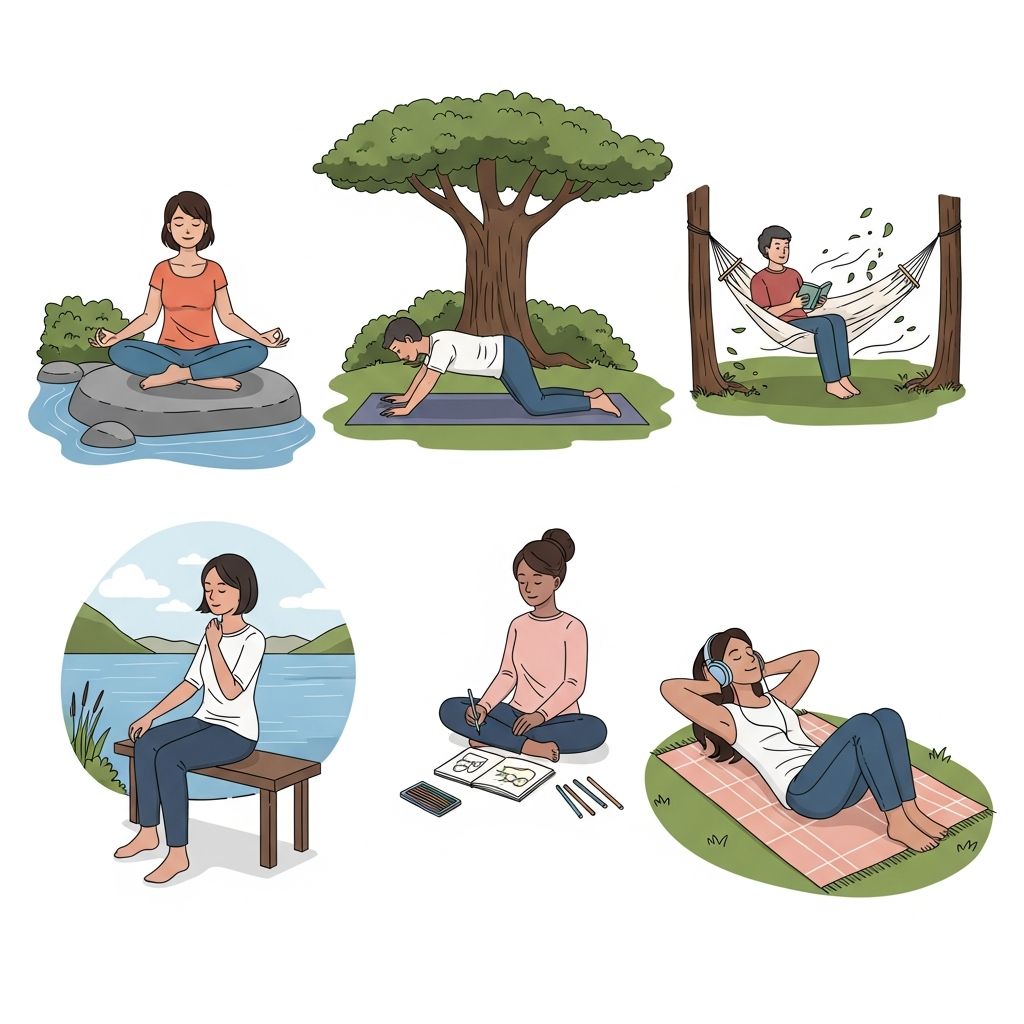
Stress is an inevitable part of modern life, affecting millions of people across the globe. Whether stemming from work pressures, personal relationships, health concerns, or financial worries, stress can take a significant toll on both your physical and mental wellbeing. Fortunately, research has demonstrated that incorporating relaxation techniques into your daily routine can significantly mitigate the harmful effects of stress. Harvard Health has identified and validated six powerful relaxation techniques that can help you manage stress more effectively and promote a greater sense of calm and equilibrium in your life.
Understanding the Stress Response and the Relaxation Response
Before exploring specific relaxation techniques, it is important to understand how stress affects your body. When you encounter a stressful situation, your nervous system triggers what is known as the “fight-or-flight” response. During this response, your heart rate increases, blood pressure rises, muscles tense, and your body releases stress hormones like cortisol and adrenaline. While this response is helpful when facing immediate danger, chronic activation of this stress response can lead to serious health problems including heart disease, high blood pressure, weakened immune function, and anxiety disorders.
The good news is that your body also possesses an innate counter-mechanism called the “relaxation response.” This is a state of deep rest that can be deliberately elicited through specific techniques. When activated, the relaxation response reverses many of the harmful effects of chronic stress, lowering heart rate, reducing blood pressure, decreasing stress hormone levels, and promoting a sense of calm and wellbeing. By regularly practicing relaxation techniques, you can train your body to access this restorative state more easily.
The Six Key Relaxation Techniques
1. Meditation and Mindfulness
Meditation is one of the most researched and widely practiced relaxation techniques. Mindfulness meditation, in particular, involves focusing your attention on the present moment without judgment. Rather than trying to empty your mind, mindfulness practitioners simply observe their thoughts, feelings, and bodily sensations as they arise, then gently redirect their attention back to the present moment.
To practice mindfulness meditation, find a quiet, comfortable place and sit with your spine straight and your shoulders relaxed. Close your eyes and focus on your natural breath. When your mind wanders—which it will—simply notice the thought without criticism and return your attention to your breathing. Even just 10-15 minutes of daily meditation can produce measurable reductions in stress and anxiety. Regular practitioners report improved emotional regulation, enhanced cognitive function, and a greater overall sense of wellbeing.
2. Deep Breathing Exercises
Deep breathing exercises are among the simplest yet most effective relaxation techniques. Most people breathe shallowly, using only the upper portion of their lungs, especially when stressed. Deep breathing exercises train you to breathe more fully and deliberately, engaging your diaphragm and activating your parasympathetic nervous system—the part of your nervous system responsible for rest and recovery.
One effective technique is the 4-7-8 breathing method: inhale slowly through your nose for a count of four, hold your breath for a count of seven, then exhale through your mouth for a count of eight. This pattern helps calm your nervous system and can be performed anywhere, anytime you feel stress building. Another popular method is box breathing, where you inhale for four counts, hold for four, exhale for four, and hold empty for four. These techniques can lower your heart rate and blood pressure almost immediately, making them ideal for managing acute stress.
Related Stories



3. Progressive Muscle Relaxation
Progressive muscle relaxation (PMR) is a technique where you systematically tense and then relax different muscle groups throughout your body. This practice helps you become aware of the physical sensations associated with tension and relaxation, allowing you to recognize and release muscle tension that accumulates during stress.
To practice PMR, start with your toes and work upward through your body. Tense each muscle group for about five seconds, then release and notice the sensation of relaxation for about 10 seconds before moving to the next group. Progress through your calves, thighs, buttocks, abdomen, chest, hands, arms, shoulders, neck, and face. A complete PMR session typically takes 15-20 minutes. Regular practice can reduce overall muscle tension, improve sleep quality, and provide relief from conditions like tension headaches and chronic pain.
4. Guided Imagery and Visualization
Guided imagery involves using your imagination to create a mental picture of a peaceful, relaxing environment. This could be a beach, mountain retreat, forest, or any location that feels calming to you. By engaging your senses in this imagined environment—what you see, hear, smell, and feel—you can evoke genuine physiological relaxation responses in your body.
You can practice guided imagery on your own by finding a comfortable position, closing your eyes, and mentally visiting your peaceful place in detail. Alternatively, many people find it helpful to listen to guided imagery recordings, which typically run 15-30 minutes and feature a narrator’s voice describing a relaxing scene. Studies show that guided imagery can reduce anxiety, lower blood pressure, improve pain management, and enhance immune function. It is particularly useful for people undergoing medical procedures or managing chronic health conditions.
5. Yoga and Gentle Movement
Yoga combines physical movement, controlled breathing, and meditation to create a holistic relaxation practice. While some yoga styles are more vigorous, gentler forms like Hatha yoga and restorative yoga are particularly effective for stress reduction. These practices help release physical tension, calm the nervous system, and quiet the mind.
Even simple yoga poses held for several minutes can significantly reduce stress levels. Poses like child’s pose, supported forward folds, and legs-up-the-wall pose activate the parasympathetic nervous system. The combination of gentle stretching, controlled breathing, and meditative focus makes yoga an excellent option for people of all fitness levels. Regular yoga practice has been shown to reduce anxiety, improve sleep, lower blood pressure, and enhance overall quality of life.
6. Rhythmic Exercise and Movement
Rhythmic, repetitive exercise such as walking, jogging, swimming, or cycling can induce a meditative state that promotes relaxation and stress relief. When you engage in rhythmic movement while focusing on your breath and body sensations, you activate the relaxation response while simultaneously benefiting from the physical health advantages of exercise.
The key is to maintain a sustainable pace that allows you to focus inward rather than pushing yourself to exhaustion. A 30-minute walk at a comfortable pace can be just as effective for stress reduction as high-intensity exercise. Many people find that rhythmic exercise provides a natural outlet for stress and anxiety while improving cardiovascular health, strengthening muscles, and enhancing mood through the release of endorphins.
Choosing the Right Technique for You
Different relaxation techniques work better for different people. Your choice may depend on your personality, lifestyle, preferences, and the specific circumstances causing your stress. Some people gravitate toward the structured practice of meditation, while others prefer the physical engagement of yoga or exercise. Many individuals benefit from experimenting with multiple techniques to discover which combination works best for them.
Consider starting with the technique that feels most natural or appealing to you. If you have a busy mind that resists meditation, progressive muscle relaxation or guided imagery might be more accessible. If you prefer movement, yoga or rhythmic exercise could be your ideal approach. The most important factor is consistency—even 10-15 minutes of daily practice with any technique can produce meaningful stress reduction benefits.
Integrating Relaxation Techniques Into Your Daily Life
To maximize the benefits of relaxation techniques, aim to practice them regularly, ideally on a daily basis. Many experts recommend establishing a consistent routine, such as practicing in the morning before work or in the evening before bed. Even brief sessions—just 5-10 minutes—can provide immediate stress relief and accumulate significant benefits over time.
You can also integrate mini-relaxation practices throughout your day. Take three conscious, deep breaths when you notice tension building. Spend two minutes in guided imagery during a lunch break. Stretch gently at your desk. These small moments of intentional relaxation can prevent stress from accumulating and help maintain a more balanced nervous system throughout the day.
Combining Techniques for Enhanced Benefits
Many people find that combining multiple relaxation techniques produces enhanced benefits. For example, you might practice 10 minutes of deep breathing followed by progressive muscle relaxation, or combine meditation with gentle yoga. Experimenting with different combinations allows you to create a personalized relaxation practice tailored to your specific needs and preferences.
Frequently Asked Questions
Q: How long does it take to see results from relaxation techniques?
A: Many people notice immediate benefits from relaxation techniques, such as reduced heart rate and lowered blood pressure after a single session. However, the most significant and lasting benefits typically develop with consistent practice over weeks and months. Most research suggests that practicing for 10-20 minutes daily for at least 4-8 weeks produces measurable improvements in stress levels and overall wellbeing.
Q: Can relaxation techniques replace medical treatment for anxiety?
A: While relaxation techniques are powerful tools for stress management, they should complement rather than replace professional medical treatment for diagnosed anxiety disorders or other mental health conditions. If you are experiencing severe anxiety, depression, or other mental health concerns, consult with a healthcare provider who can recommend appropriate treatment options, which may include therapy, medication, and relaxation techniques used together.
Q: Which relaxation technique is best for insomnia?
A: Progressive muscle relaxation, guided imagery, and gentle yoga are particularly effective for improving sleep. Deep breathing exercises performed in bed can also help calm your nervous system before sleep. Many people find that a combination of techniques—such as gentle stretching followed by progressive muscle relaxation—works best for promoting quality sleep.
Q: Is it normal for my mind to wander during meditation?
A: Absolutely. Mind-wandering is a completely normal part of meditation practice, even for experienced practitioners. Rather than viewing this as failure, it is helpful to see it as an opportunity to practice gently redirecting your attention. Each time you notice your mind has wandered and bring it back to your focus point, you are strengthening your ability to concentrate and self-regulate.
Q: How often should I practice relaxation techniques?
A: For optimal benefits, practice relaxation techniques daily, ideally for 10-20 minutes per session. However, even a few minutes of practice several times per week can provide measurable stress reduction benefits. The key is consistency—regular practice trains your nervous system to access the relaxation response more easily and efficiently.
Q: Can I practice relaxation techniques at work?
A: Yes, many relaxation techniques can be discreetly practiced at work. Deep breathing exercises, brief mindfulness sessions, and progressive muscle relaxation can all be performed at your desk or in a quiet space during breaks. Even five minutes of intentional relaxation practice during your workday can significantly reduce stress and improve focus and productivity.
References
- Relaxation Response — Herbert Benson, Harvard Medical School. 2010. https://www.health.harvard.edu/mind-and-mood/relaxation-techniques-breath-control-helps-quell-errant-stress-response
- Stress Management and Relaxation Techniques — National Institute of Mental Health (NIMH). 2024. https://www.nimh.nih.gov/health/topics/stress
- The Science of Meditation and Mindfulness — American Psychological Association. 2023. https://www.apa.org/science/about/psa/meditation
- Yoga and Mental Health — National Center for Complementary and Integrative Health (NCCIH). 2024. https://www.nccih.nih.gov/health/yoga-what-you-need-to-know
- Progressive Muscle Relaxation for Anxiety — Anxiety and Depression Association of America (ADAA). 2023. https://adaa.org/understanding-anxiety/related-illnesses/other-related-conditions/stress
- Exercise and Mental Health — Centers for Disease Control and Prevention (CDC). 2024. https://www.cdc.gov/mentalhealth/data-research/mental-health-related-research.html
Similar Articles








Read full bio of medha deb