Sjögren Syndrome: Guide To Symptoms, Diagnosis, And Treatment
Comprehensive guide to Sjögren syndrome: symptoms, diagnosis, treatment, and management of this autoimmune disorder affecting glands and beyond.
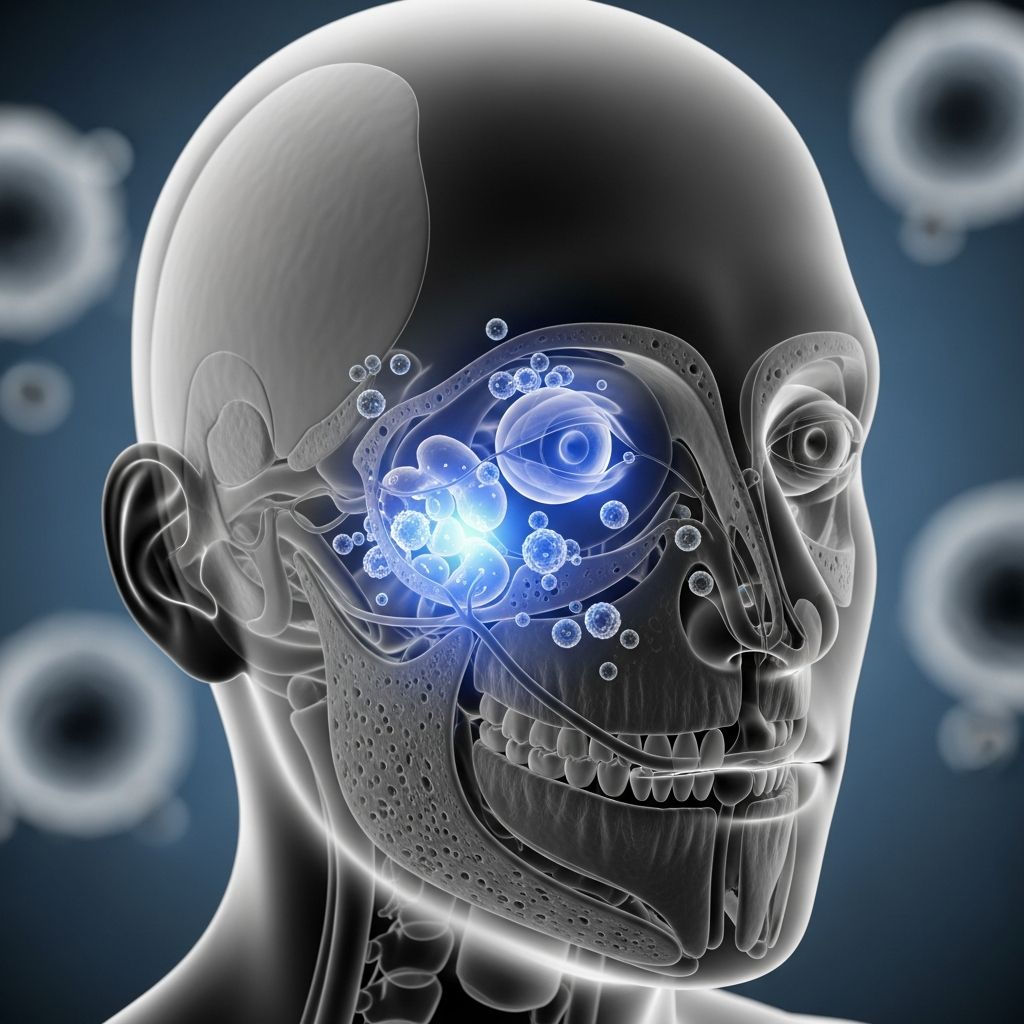
Sjögren syndrome is a systemic autoimmune disease primarily affecting the exocrine glands, leading to sicca symptoms such as dry eyes (keratoconjunctivitis sicca) and dry mouth (xerostomia). It results from immune-mediated inflammation of the lacrimal and salivary glands and is frequently associated with other autoimmune conditions like rheumatoid arthritis and systemic lupus erythematosus.
What is Sjögren syndrome?
Sjögren syndrome, first described by Swedish ophthalmologist Henrik Sjögren in 1933, is a chronic autoimmune disorder where the body’s immune system attacks moisture-producing glands. This leads to reduced tear and saliva production, causing significant discomfort. It affects approximately 0.5-1% of the population, predominantly women aged 40-60, with a female-to-male ratio of 9:1. The condition can be primary (isolated) or secondary (associated with other rheumatic diseases). Patients often experience profound fatigue, joint pain, and increased risk of lymphoma.
Beyond glandular involvement, up to 50% of patients develop extraglandular manifestations impacting the skin, lungs, kidneys, joints, and nervous system. Systemic symptoms like fever, weight loss, and swollen glands may occur, distinguishing primary Sjögren’s from sicca alone.
Who gets Sjögren syndrome?
Sjögren syndrome primarily affects middle-aged women, with peak onset between 40 and 60 years. Genetic factors, such as HLA-DR3 and HLA-B8 alleles, increase susceptibility, alongside environmental triggers like viral infections (e.g., Epstein-Barr virus). It is more common in individuals with a family history of autoimmune diseases. Secondary Sjögren’s occurs in 15-30% of patients with rheumatoid arthritis, systemic lupus erythematosus, or scleroderma.
- Prevalence: 0.5-1% worldwide, higher in women.
- Risk factors: Female sex, age 40-60, family history of autoimmunity, other rheumatic diseases.
- Associations: Raynaud phenomenon (30-50%), ANA positivity (70%), anti-SSA/Ro (50-70%), anti-SSB/La (20-40%).
What causes Sjögren syndrome?
The exact cause remains unknown, but it involves a combination of genetic predisposition, environmental triggers, and immune dysregulation. Lymphocytic infiltration of exocrine glands leads to glandular destruction and fibrosis. B-cell hyperactivity results in autoantibodies like anti-SSA (Ro) and anti-SSB (La), contributing to hypergammaglobulinemia.
Potential triggers include viral infections, hormonal influences (estrogen), and microbiome alterations. Pathogenesis features T-cell and B-cell infiltration, with germinal center formation in salivary glands increasing lymphoma risk (up to 40-fold).
What are the clinical features of Sjögren syndrome?
Ocular features
Dry eyes cause burning, itching, photophobia, and foreign body sensation. Complications include corneal ulcers, filamentary keratitis, and blepharitis. Schirmer test shows reduced tear production (<5 mm/5 min).
Oral features
Xerostomia leads to difficulty swallowing, eating dry foods, and speaking. Increased dental caries, oral candidiasis, and salivary gland swelling (parotitis) are common. Unstimulated salivary flow <0.1 mL/min.
Extraglandular features
- Musculoskeletal: Arthralgia/arthritis (50-70%), resembling rheumatoid arthritis.
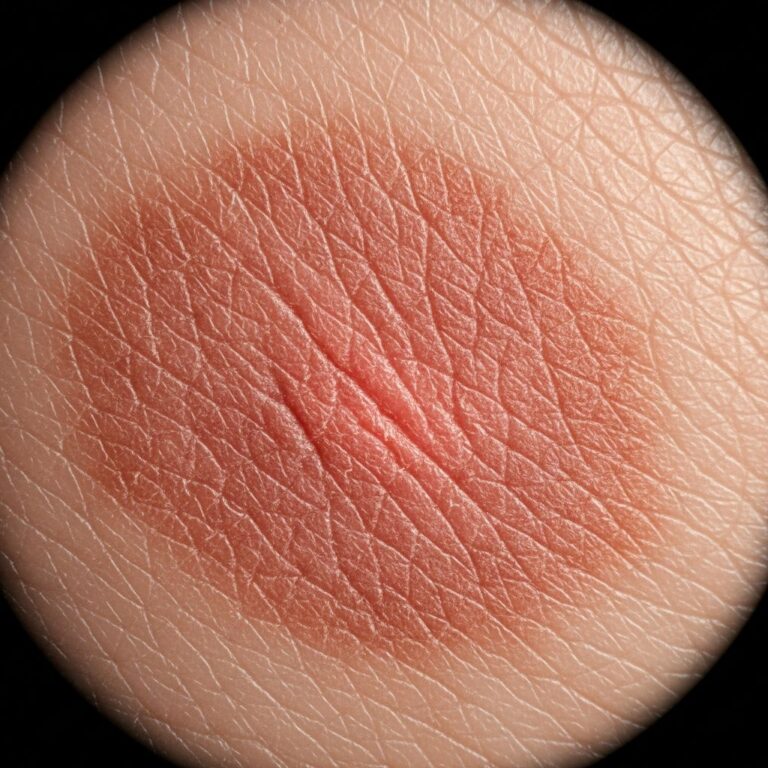
- Cutaneous: Dry skin, purpura, vasculitis, annular erythema.
- Pulmonary: Dry cough, interstitial lung disease (10-20%).
- Renal: Tubular acidosis, glomerulonephritis (5-10%).
- Neurological: Peripheral neuropathy (10-20%), CNS involvement (5%).
- Other: Fatigue (70%), Raynaud (30%), lymphoma risk.
Related Stories



Diagnosis of Sjögren syndrome
Diagnosis relies on the 2016 ACR/EULAR classification criteria, requiring a total score ≥4 points from weighted items.
| Criteria | Points |
|---|---|
| Labial salivary gland biopsy with focal lymphocytic sialadenitis (≥1 focus/4 mm²) | 3 |
| Anti-SSA/Ro positive | 3 |
| Ocular staining score ≥5 (or van Bijsterveld ≥4) in at least 1 eye | 1 |
| Schirmer’s test ≤5 mm/5 min in ≥1 eye | 1 |
| Unstimulated whole salivary flow ≤0.1 mL/min | 1 |
Exclusion criteria: head/neck radiation, hepatitis C, AIDS, sarcoidosis, amyloidosis, graft-vs-host disease. Serology (ANA, anti-SSA/SSB), ocular tests, salivary scintigraphy, and minor salivary gland biopsy confirm diagnosis.
Treatment of Sjögren syndrome
No cure exists; treatment is symptomatic and immunomodulatory.
Sicca management
- Eyes: Artificial tears, punctal plugs, cyclosporine drops, lifitegrast.
- Mouth: Frequent sips of water, sugarless gum, pilocarpine/cevimeline, oral hygiene to prevent caries.
Systemic treatment
- Mild: Hydroxychloroquine for arthralgia/fatigue.
- Moderate-severe: Methotrexate, rituximab for glandular swelling, cytopenias; immunosuppressants (azathioprine, mycophenolate) for organ involvement.
- Lymphoma: Chemotherapy/radiation as per oncology guidelines.
Guidelines from Sjögren’s Foundation emphasize multidisciplinary care.
What is the outcome for Sjögren syndrome?
Prognosis varies; sicca-dominant cases have good quality of life with management, but systemic involvement worsens outcomes. Lymphoma develops in 5-10%, with parotid monitoring essential. Reduced survival linked to pulmonary/renal disease, cryoglobulinemia. Regular screening improves longevity.
Prevention of complications
- Dental: Fluoride, antifungals.
- Ocular: Lubricants, infection prophylaxis.
- Lymphoma: Annual parotid exam, monitor cryoglobulins.
- Vaccinations: Avoid live vaccines if immunosuppressed.
Patient education
Emphasize moisture conservation, avoid irritants (smoke, wind), dental care, and reporting new symptoms. Support groups like Sjögren’s Foundation aid coping.
Frequently Asked Questions
Q: What are the first symptoms of Sjögren syndrome?
A: Dry eyes and mouth are hallmark initial symptoms, often with fatigue and joint pain.
Q: Is Sjögren syndrome life-threatening?
A: Generally not, but complications like lymphoma or severe organ involvement can impact survival.
Q: Can Sjögren syndrome be cured?
A: No cure, but symptoms are manageable with treatments.
Q: Does Sjögren syndrome affect other organs?
A: Yes, lungs, kidneys, nerves, skin, and joints can be involved.
Q: How is Sjögren syndrome diagnosed?
A: Via ACR/EULAR criteria including serology, biopsies, and objective sicca tests.
This comprehensive overview draws from high-credibility sources to provide accurate, evidence-based information on Sjögren syndrome, aiding patients and clinicians in understanding and managing this complex condition. (Word count: 1678)
References
- Sjögren Syndrome – StatPearls – NCBI Bookshelf — National Center for Biotechnology Information. 2023-10-01. https://www.ncbi.nlm.nih.gov/books/NBK431049/
- The Sjögren’s Book 5th Edition — Sjögren’s Foundation. 2023. https://sjogrens.org/shop/the-sjogrens-book-5th-edition
- The New Sjögren’s Syndrome Handbook — Oxford University Press. 2022. https://academic.oup.com/book/55061
- Sjögren Syndrome – Merck Manual — Merck & Co. 2024-01-15. https://www.merckmanuals.com/home/bone-joint-and-muscle-disorders/systemic-rheumatic-diseases/sj%C3%B6gren-syndrome
- Sjogren’s syndrome – Diagnosis and treatment – Mayo Clinic — Mayo Clinic. 2024-05-20. https://www.mayoclinic.org/diseases-conditions/sjogrens-syndrome/diagnosis-treatment/drc-20353221
- Clinical Practice Guidelines – Sjögren’s Foundation — Sjögren’s Foundation. 2023-11-10. https://sjogrens.org/researchers-providers/clinical-practice-guidelines
Similar Articles








Read full bio of medha deb