Sjogren’s Dry Eye Diagnosis And Care: Expert Guide
Explore the autoimmune roots of Sjogren's syndrome dry eye, from hallmark symptoms to advanced therapies for lasting relief and eye protection.
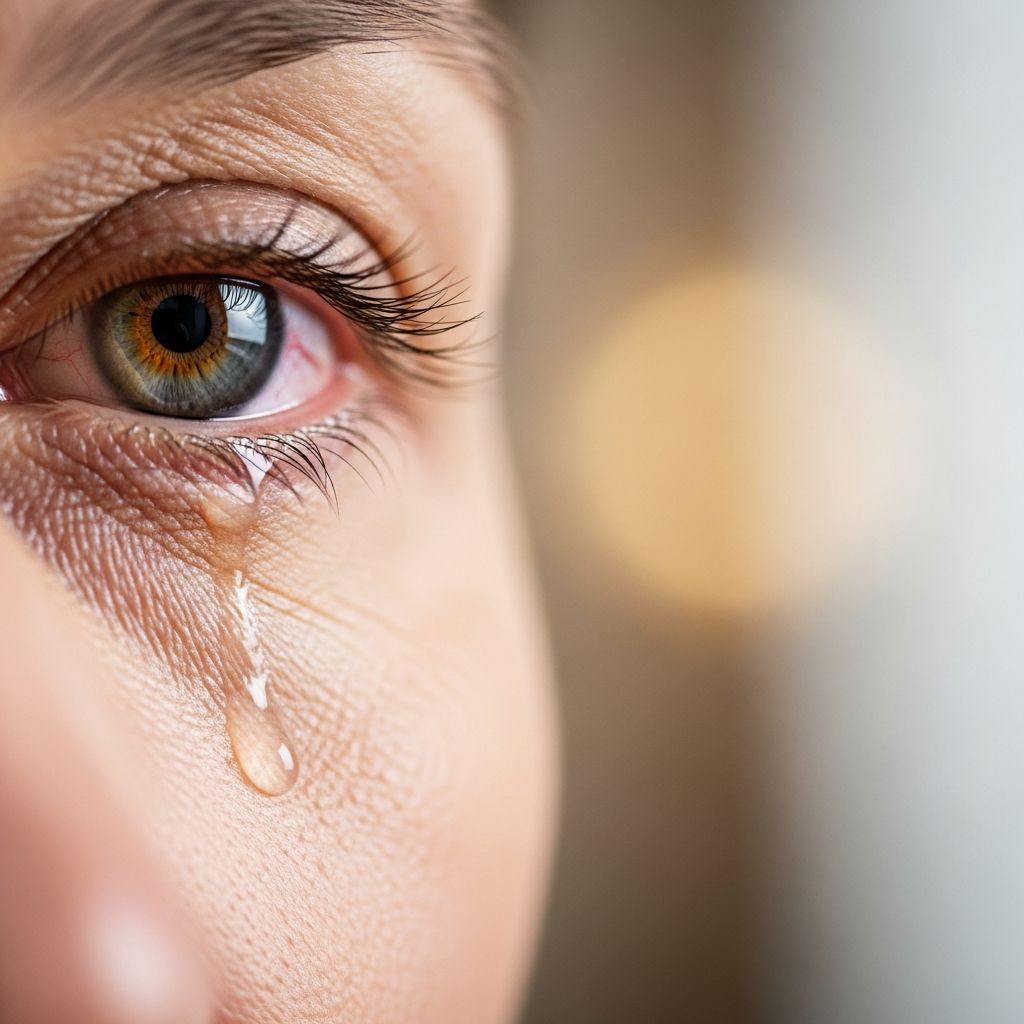
Sjogren’s syndrome triggers severe dry eye through autoimmune damage to tear-producing glands, leading to reduced tear volume, rapid evaporation, and ocular surface inflammation that demands targeted interventions for symptom control and vision preservation.
The Autoimmune Basis of Ocular Dryness in Sjogren’s
Sjogren’s syndrome represents a systemic autoimmune condition where the immune system erroneously targets moisture-secreting glands, prominently affecting the lacrimal glands responsible for aqueous tear production. This lymphocytic infiltration causes chronic inflammation, impairing gland function and resulting in aqueous tear deficiency, a core feature of keratoconjunctivitis sicca (KCS). Beyond reduced tear quantity, the syndrome disrupts tear film stability; meibomian glands in the eyelids suffer dysfunction, diminishing the lipid layer that prevents evaporation, while mucin alterations hinder uniform tear spreading.
Systemic manifestations extend beyond the eyes, often involving salivary glands for xerostomia, alongside joint pain, fatigue, and skin dryness, underscoring the need for multidisciplinary care. Women over 40 face higher risk, with genetic and environmental factors like viral triggers (e.g., EBV) potentially initiating glandular pathology. This multifaceted glandular assault elevates vulnerability to corneal abrasions, infections, and scarring if unmanaged.
Recognizing the Signs of Sjogren’s-Linked Dry Eye
Patients commonly report a gritty, sandy sensation as if debris irritates the ocular surface, accompanied by burning, stinging, or itching. Paradoxically, excessive reflex tearing may occur due to irritation, yet these tears lack quality for proper lubrication. Redness, photophobia, and eye fatigue intensify during screen use or low-blink activities, while vision fluctuates with blurriness from unstable tear films scattering light.
- Gritty or foreign body feeling: Persistent discomfort mimicking sand in the eyes.
- Burning and redness: Inflammation-driven irritation affecting conjunctiva and cornea.
- Blurred or fluctuating vision: Due to tear instability and surface irregularities.
- Light sensitivity (photophobia): Heightened discomfort in bright settings.
- Fatigue and soreness: Worsens with prolonged visual tasks.
These symptoms often correlate poorly with objective dryness severity, as reduced corneal sensation in advanced cases masks discomfort despite high staining scores. Early recognition prevents progression to keratitis, ulcers, or vision-threatening complications.
Diagnostic Approaches for Confirming Sjogren’s Dry Eye
Diagnosis integrates clinical evaluation, objective tests, and systemic markers. Ocular surface assessment reveals punctate epithelial erosions via fluorescein or lissamine green staining, indicating KCS. The Schirmer test measures tear production; values below 5 mm/5 minutes with staining confirm aqueous deficiency.
Tear breakup time (TBUT) assesses film stability, often under 10 seconds in affected individuals, while meibography visualizes gland atrophy. Systemic confirmation involves anti-SSA/Ro and anti-SSB/La antibodies, salivary flow rates, or labial gland biopsy showing lymphocytic foci.
| Test | Purpose | Typical Finding in Sjogren’s |
|---|---|---|
| Schirmer Test | Tear volume | <5 mm/5 min |
| Tear Breakup Time (TBUT) | Film stability | <10 seconds |
| Ocular Surface Staining | Damage assessment | Punctate erosions |
| Meibomian Gland Evaluation | Lipid layer function | Atrophy, poor expressibility |
| Antibody Panel (SSA/SSB) | Systemic confirmation | Positive in 60-70% |
Regular monitoring detects antibiotic-resistant flora shifts from chronic treatments, guiding safer management.
Comprehensive Treatment Strategies
Management targets inflammation, tear preservation, and surface repair. Artificial tears provide symptomatic relief, with preservative-free formulations preferred for frequent use. Anti-inflammatory therapies like cyclosporine or lifitegrast drops suppress glandular and surface inflammation, improving tear quality.
Punctal occlusion via plugs or cautery conserves natural tears, while autologous serum tears deliver growth factors for severe cases. Oral tetracyclines address meibomian dysfunction by reducing bacterial load and inflammation.
Related Stories



- Topical lubricants: Frequent application for immediate hydration.
- Anti-inflammatories: Cyclosporine to curb immune attack.
- Tear conservation: Punctal plugs to retain moisture.
- Lid hygiene: Warm compresses for gland expression.
For refractory cases, scleral lenses vault the cornea, trapping a fluid reservoir to bypass deficient tears and protect the surface.
Advanced Interventions for Severe Cases
When standard measures fail, specialized options emerge. Scleral lenses create a protective tear-filled chamber, alleviating pain and restoring clarity in corneal damage scenarios. PROSE (Prosthetic Replacement of the Ocular Surface Ecosystem) custom devices offer similar benefits for ulcers or scarring.
Systemic immunomodulators like hydroxychloroquine or rituximab target underlying autoimmunity, potentially enhancing ocular outcomes. Emerging biologics focus on B-cell depletion to halt glandular destruction. Lifestyle adjustments—humidifiers, omega-3 supplements, blink training—complement therapies.
Potential Complications and Prevention
Untreated dryness risks sterile keratolysis, nonhealing ulcers, infections, and perforation, with higher visual impairment odds despite milder symptoms. Corneal neovascularization and scarring demand vigilant follow-up.
Prevention emphasizes annual exams, prompt symptom reporting, and adherence to regimens. Co-managing rosacea or allergies mitigates aggravation. Dental risks like caries from xerostomia highlight holistic care.
Lifestyle Modifications for Daily Relief
Incorporate environmental controls: use humidifiers, avoid direct air vents, and take screen breaks with 20-20-20 rule (every 20 minutes, view 20 feet away for 20 seconds). Omega-3 fatty acids support meibomian function; lid massages post-warm compresses clear blockages.
Dietary hydration, punctal plug trials, and night ointments sustain comfort. Patient education empowers consistent self-care, reducing flare-ups.
FAQs on Sjogren’s Dry Eye
What causes dry eyes in Sjogren’s syndrome?
Autoimmune inflammation targets lacrimal and meibomian glands, slashing tear production and stability.
Can Sjogren’s dry eye lead to vision loss?
Yes, via ulcers, scarring, or infections; early intervention prevents this.
Are over-the-counter drops sufficient?
For mild cases, yes; severe requires prescription anti-inflammatories.
How is Sjogren’s dry eye diagnosed?
Via Schirmer test, staining, TBUT, and antibody bloodwork.
What role do scleral lenses play?
They shield the cornea with a fluid barrier in advanced disease.
Long-Term Outlook and Monitoring
With tailored therapy, most maintain functional vision, though lifelong management is key. Multidisciplinary teams—rheumatologists, ophthalmologists—optimize outcomes. Track progress with serial exams to adjust plans.
References
- Sjögren’s Syndrome and Dry Eye — Refocus Eye Doctors. 2023. https://stamford.refocuseyedoctors.com/article/sjogrens-syndrome-and-dry-eye/
- Dry Eye | Sjögren’s Foundation — Sjogren’s Foundation. 2024. https://sjogrens.org/understanding-sjogrens/symptoms/dry-eye
- Sjogren’s syndrome – Symptoms and causes — Mayo Clinic. 2025-02-01. https://www.mayoclinic.org/diseases-conditions/sjogrens-syndrome/symptoms-causes/syc-20353216
- 5 Common Eye Problems Associated with Sjögren’s Syndrome — BostonSight. 2023. https://www.bostonsight.org/5-common-eye-problems-associated-with-sjogrens-syndrome/
- Dry Eye in Sjogren’s Syndrome — EyeWiki (AAO). 2024. https://eyewiki.org/Dry_Eye_in_Sjogren’s_Syndrome
- Sjögren’s Syndrome: More Than Just Dry Eye — PMC – NIH. 2019-04-01. https://pmc.ncbi.nlm.nih.gov/articles/PMC6482458/
- Sjögren’s Syndrome — Cleveland Clinic. 2024. https://my.clevelandclinic.org/health/diseases/4929-sjogrens-syndrome
Similar Articles








Read full bio of medha deb