Sjögren’s Syndrome: Causes, Symptoms, and Treatment
Understanding Sjögren's Syndrome: An autoimmune disease affecting millions worldwide.
Sjögren’s Syndrome: A Comprehensive Overview
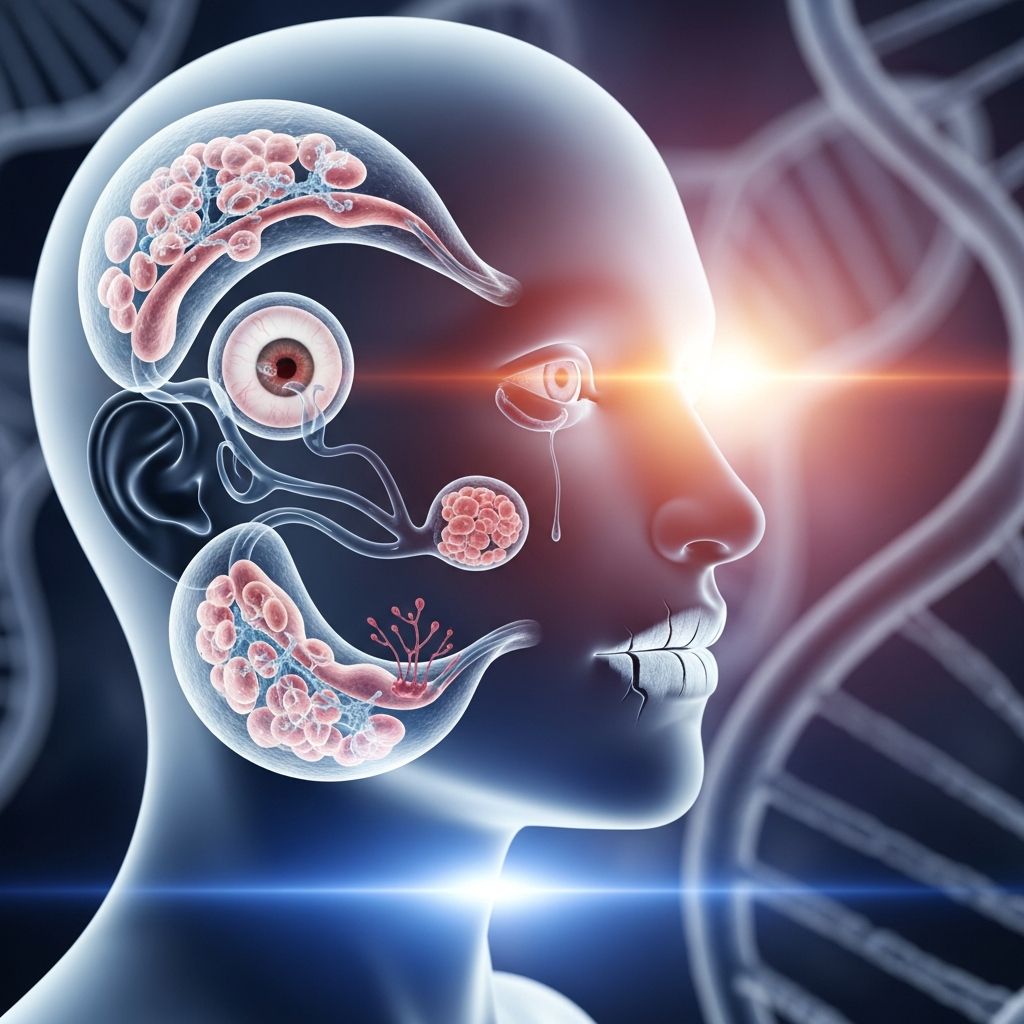
Sjögren’s Syndrome is a systemic autoimmune disorder characterized by the body’s immune system attacking the moisture-producing glands, primarily the salivary and lacrimal glands. This attack results in the hallmark symptoms of dry eyes and dry mouth, though the disease extends far beyond these initial manifestations. As many as four million Americans suffer from Sjögren’s Syndrome, making it one of the most prevalent systemic autoimmune rheumatic diseases. The condition predominantly affects women, particularly those in their perimenopausal and postmenopausal years, though it can occur at any age.
Understanding the Disease Mechanism
Sjögren’s Syndrome is fundamentally an autoimmune condition where inflammation targets the salivary and lacrimal glands—the glands responsible for producing tears and saliva. When the immune system attacks these glands, their function becomes severely impaired, leading to the characteristic dryness of the eyes and mouth. However, understanding Sjögren’s Syndrome requires recognizing it as more than just a condition affecting these two glands.
Systemic Nature of the Disease
One critical aspect of Sjögren’s Syndrome that often goes unrecognized is its systemic nature. The disease affects the entire body and can impact multiple organ systems beyond the salivary and lacrimal glands. Patients frequently experience joint pain and arthritis, chronic fatigue, cognitive difficulties, and brain fog. The disease can also damage internal organs, including the lungs, kidneys, and nervous system. Additionally, Sjögren’s Syndrome can cause dryness in other areas of the body, such as the skin and vaginal tissues, further affecting patients’ quality of life.
Signs and Symptoms
The symptoms of Sjögren’s Syndrome vary widely among patients, reflecting its systemic nature. While some individuals experience primarily ocular and oral symptoms, others suffer from more widespread manifestations affecting their overall health and well-being.
Primary Symptoms
The most recognizable symptoms of Sjögren’s Syndrome include:
- Dry eyes that may feel gritty, sandy, or cause burning sensations
- Dry mouth, often accompanied by difficulty swallowing or speaking
- Increased thirst and need for frequent sips of water
- Difficulty tasting foods
- Swollen or tender salivary glands
Systemic Symptoms
Beyond the classic dry eye and dry mouth presentation, patients may experience:
- Chronic fatigue and general tiredness
- Joint pain and arthritis
- Muscle pain and neuropathic pain
- Brain fog and cognitive difficulties
- Rashes or skin manifestations
- Dry skin in various body areas
- Vaginal dryness
- Respiratory symptoms from lung involvement
Disease Progression and Complications
Sjögren’s Syndrome follows a relatively stable course compared to other rheumatic diseases. For many patients, the disease does not fluctuate dramatically on a day-to-day basis. However, some individuals may experience flares where symptoms worsen suddenly, accompanied by increased joint pain, rashes, or vasculitis manifestations. While the disease is generally stable, late complications can develop without proper management and care.
Potential Complications
Chronic untreated or poorly managed Sjögren’s Syndrome can lead to serious complications, including:
- Corneal ulceration and vision loss from severe dry eye
- Advanced dental decay and tooth loss due to reduced saliva production
- Development of non-Hodgkin lymphoma
- Secondary autoimmune conditions
- Internal organ damage affecting kidney, lung, and nervous system function
Related Stories



Association with Other Autoimmune Diseases
Patients with Sjögren’s Syndrome frequently develop additional autoimmune conditions. Thyroid disease, liver disease, and other autoimmune disorders commonly co-occur with Sjögren’s Syndrome. More significantly, Sjögren’s Syndrome is the most common autoimmune disease to be associated with another autoimmune rheumatic disease. Patients often develop Sjögren’s Syndrome in the context of rheumatoid arthritis, systemic lupus erythematosus (SLE), or systemic sclerosis. In fact, Sjögren’s may occur either alone as a primary condition or secondary to another autoimmune disease, making comprehensive diagnosis and management essential.
Diagnosis of Sjögren’s Syndrome
One significant challenge with Sjögren’s Syndrome is that it remains frequently misdiagnosed or overlooked entirely. The symptoms of dry eyes and dry mouth are common in the general population, which can lead physicians to underestimate their significance. Additionally, the testing required to diagnose Sjögren’s Syndrome is relatively complicated and requires expertise from multiple medical specialties.
Diagnostic Approach
Accurate diagnosis of Sjögren’s Syndrome typically involves:
- Comprehensive patient history and physical examination
- Blood tests to detect specific antibodies (such as anti-SSA/Ro and anti-SSB/La)
- Eye care assessment including specialized dryness testing
- Oral evaluation to assess saliva production
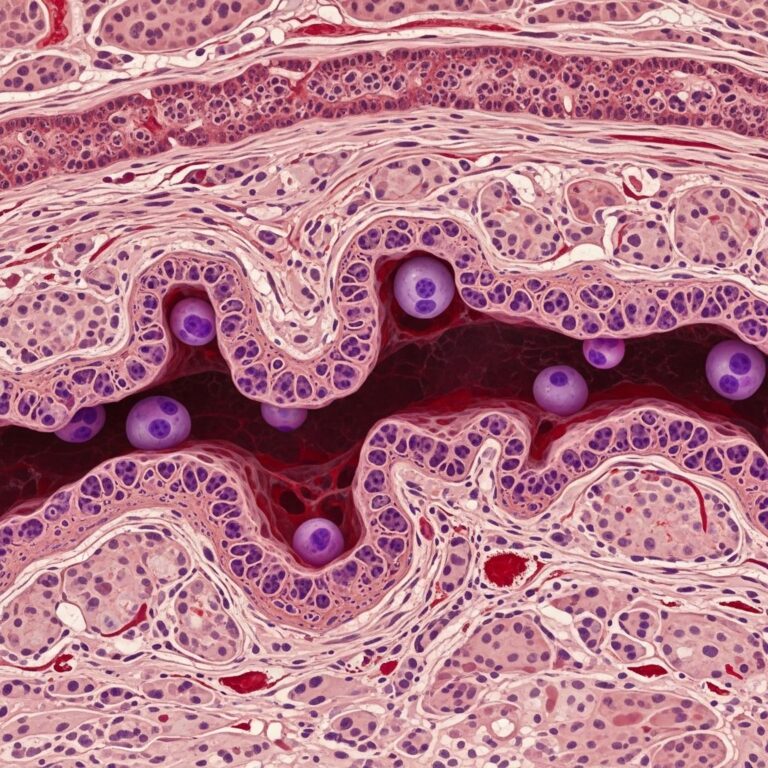
- Lip biopsy to confirm lymphocytic infiltration of salivary glands
- Imaging studies when needed to assess systemic involvement
Multidisciplinary Diagnosis
Diagnosis requires the expertise of not only a rheumatologist but also an ophthalmologist or eye care professional and sometimes an oral medicine specialist. Each professional brings specific expertise to their area of assessment. The eye care professional performs specialized tests to quantify eye dryness, while the oral medicine specialist examines for saliva deficiency and typically obtains the lip biopsy. This multidisciplinary approach is essential for accurate diagnosis and proper classification of the disease.
Treatment Options
Currently, there is no curative treatment for Sjögren’s Syndrome. However, multiple therapeutic approaches can effectively relieve symptoms and manage the disease process. Treatment strategies depend on the severity and extent of symptoms, as well as the degree of systemic involvement.
Symptomatic Management
Many patients find relief through simple but consistent self-care measures. These include using artificial tears throughout the day, frequent sips of water, sugar-free gum to stimulate saliva production, and proper eye care to prevent complications. For patients with significant eye dryness, scleral lens prostheses—large specialized contact lenses that cover the cornea and sclera with a saline-filled reservoir—can provide substantial relief by maintaining continuous moisture to the ocular surface.
Medications for Symptom Relief
Two medications are specifically available to stimulate saliva and tear production: pilocarpine and cevimeline. These agents work by activating parasympathetic receptors that promote gland secretion. While effective in many patients, these medications can produce side effects including increased sweating, urinary frequency, and stomach upset. However, many patients find that if they continue taking these medications, the side effects diminish over time while the benefits persist, allowing them to tolerate the treatment successfully. Other patients choose to rely primarily on artificial tears and frequent water intake rather than managing medication side effects.
Treatment of Systemic Manifestations
When patients present with systemic manifestations such as arthritis, fatigue, or internal organ involvement, additional medications become necessary. Hydroxychloroquine is the most commonly used medication for managing joint pain and fatigue associated with Sjögren’s Syndrome. For patients with more significant systemic disease, physicians may employ medications traditionally used for systemic lupus erythematosus and rheumatoid arthritis, including methotrexate, leflunomide, mycophenolate, and azathioprine. These immunosuppressive agents help bring the disease into better control and prevent progressive organ damage.
Multidisciplinary Management Approach
Optimal management of Sjögren’s Syndrome requires coordination among multiple healthcare professionals. The rheumatologist manages the overall disease and systemic manifestations, the ophthalmologist addresses ocular complications and dry eye management, and the oral medicine specialist handles dental health and oral complications. This integrated approach ensures that all aspects of the patient’s condition receive appropriate attention and prevents the overlooking of important disease manifestations or complications.
Research and Future Treatments
Recognizing the limitations of current symptomatic management, extensive research efforts are underway to develop disease-modifying treatments for Sjögren’s Syndrome. A considerable number of clinical trials are actively recruiting patients to test various new agents. Some of these are entirely novel compounds, while others are existing medications used to treat other rheumatic diseases being evaluated for efficacy in Sjögren’s Syndrome. These research efforts hold promise that future treatments may provide long-lasting disease control or potentially cure for patients with this chronic condition.
Living with Sjögren’s Syndrome
While Sjögren’s Syndrome is a chronic disease, patients can lead normal, healthy lives with proper management and self-care. The disease requires daily attention to eye and mouth dryness to prevent complications, but this commitment to self-management forms the cornerstone of disease control. Patients benefit from eating well, getting adequate rest, maintaining dental hygiene, and working closely with their healthcare team. Understanding one’s disease, adhering to treatment recommendations, and seeking multidisciplinary care significantly improves outcomes and quality of life.
Frequently Asked Questions
Q: Who is most likely to develop Sjögren’s Syndrome?
A: Sjögren’s Syndrome predominantly affects women, particularly those in their perimenopausal and postmenopausal years. However, men and younger individuals can also develop the condition. Having other autoimmune diseases increases the risk of developing Sjögren’s Syndrome.
Q: How is Sjögren’s Syndrome different from regular dry eye or dry mouth?
A: While dry eye and dry mouth are common symptoms in the general population, Sjögren’s Syndrome represents an autoimmune condition with specific diagnostic criteria including antibody presence and glandular involvement confirmed through biopsy. Additionally, Sjögren’s Syndrome is a systemic disease affecting multiple organ systems, not just local dryness.
Q: Is there a cure for Sjögren’s Syndrome?
A: Currently, there is no curative treatment for Sjögren’s Syndrome. However, various medications and management strategies can effectively relieve symptoms and control the disease. Ongoing research shows promise for future treatments that may provide disease modification or cure.
Q: What complications can develop from untreated Sjögren’s Syndrome?
A: Late complications can include corneal ulceration and vision loss, advanced dental decay and tooth loss, non-Hodgkin lymphoma, and damage to internal organs including the kidneys, lungs, and nervous system.
Q: Can Sjögren’s Syndrome be managed without medications?
A: Many patients successfully manage mild to moderate symptoms through self-care measures including artificial tears, frequent water intake, sugar-free gum, and specialized contact lenses. However, patients with systemic manifestations or severe symptoms typically require medications for adequate disease control.
Q: How often should patients with Sjögren’s Syndrome see their doctors?
A: The frequency of medical visits depends on disease severity and individual circumstances. Most patients benefit from regular monitoring by their rheumatologist, ophthalmologist, and dental professional to ensure optimal disease management and early detection of complications.
References
- Sjögren’s Disease Information — Johns Hopkins Jerome L. Greene Sjögren’s Disease Center. Accessed December 2025. https://www.hopkinssjogrens.org/disease-information/
- Sjögren’s Syndrome – Treatment — Johns Hopkins Medicine. https://www.youtube.com/watch?v=TTtxtvG0Iko
- Sjögren’s Syndrome – Disease Overview — Johns Hopkins Medicine. https://www.youtube.com/watch?v=TLwBy5E9els
- Jerome L. Greene Sjögren’s Disease Center — Johns Hopkins Medicine. Accessed December 2025. https://www.hopkinssjogrens.org
- Sjögren’s Syndrome – Lifestyle Options — Johns Hopkins Rheumatology. https://www.hopkinsrheumatology.org/rheumtv/
Similar Articles








Read full bio of Sneha Tete