Sjögren’s Syndrome: A Complete Guide To Symptoms & Care
Comprehensive insights into Sjögren's syndrome: symptoms, diagnosis, management, and living strategies for this autoimmune condition.
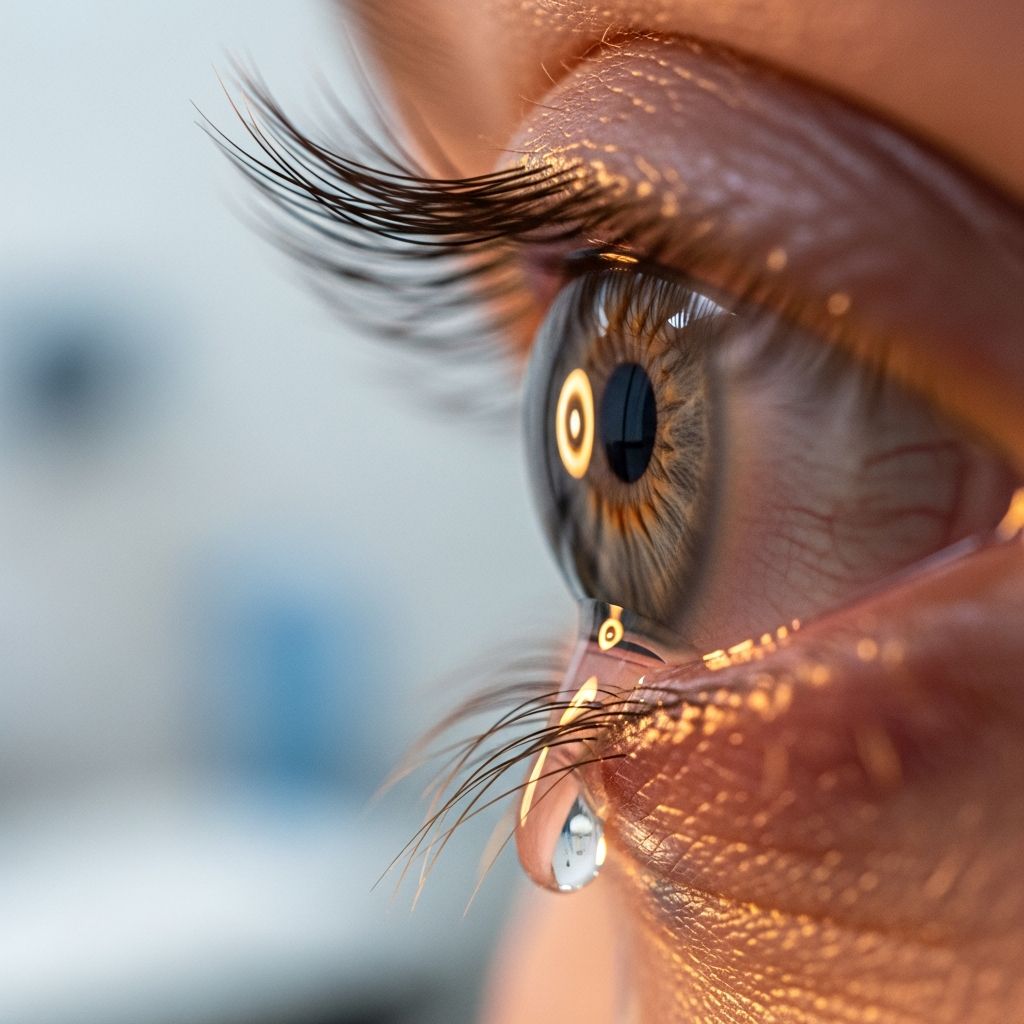
Sjögren’s syndrome is a chronic autoimmune condition where the immune system targets moisture-producing glands, leading to persistent dryness primarily in the eyes and mouth, alongside broader systemic effects like fatigue and joint discomfort. This guide delves into its manifestations, underlying mechanisms, identification methods, and practical management options to empower those affected.
Understanding the Nature of Sjögren’s Syndrome
This disorder disrupts the body’s ability to maintain adequate moisture in various tissues, stemming from immune-mediated inflammation of exocrine glands such as those producing tears and saliva. It manifests as primary Sjögren’s when standalone or secondary when accompanying conditions like rheumatoid arthritis or lupus. Women are disproportionately affected, typically during midlife, highlighting potential hormonal influences alongside genetic predispositions.
Beyond glandular involvement, the condition can impact multiple organs, including joints, skin, lungs, digestive system, nerves, and kidneys, affecting up to half of patients with extraglandular symptoms. Rarely, it elevates lymphoma risk, underscoring the need for vigilant monitoring.
Recognizing Key Symptoms Across Body Systems
Symptoms vary widely but center on dryness, with additional complaints influencing daily life. Early recognition aids timely intervention.
Ocular and Oral Dryness: Hallmark Signs
Dry eyes often present as gritty, burning sensations, irritation, redness, or light sensitivity due to diminished tear production from lacrimal gland inflammation. Patients may note absent tears or corneal damage risks like keratoconjunctivitis sicca, confirmed via slit-lamp exams.
Oral dryness leads to difficulty swallowing, speaking, or tasting, increased dental caries, and swollen salivary glands. Throat involvement causes persistent cough or hoarseness.
Fatigue and Cognitive Challenges
Profound tiredness, often disproportionate to activity, accompanies ‘brain fog’—impaired focus, memory issues, and mood dips like irritability. These stem from chronic inflammation, potential mitochondrial issues, or nutrient shortfalls.
Musculoskeletal and Joint Issues
Joint pain, stiffness (worse mornings), and muscle aches mimic arthritis, driven by inflammatory processes. Swelling may occur, improving somewhat with movement.
Gastrointestinal and Respiratory Effects
Digestive woes include bloating, reflux, constipation, or diarrhea, possibly from dysbiosis or sensitivities. Respiratory symptoms like dry cough, shortness of breath, or mucus buildup arise from airway dryness or lung inflammation.
Neurological and Other Manifestations
Nerve-related symptoms encompass numbness, tingling (neuropathy), dizziness, or autonomic dysfunction like altered sweating. Skin and vaginal dryness, rashes, or yeast infections are common, alongside rare organ-specific complications.
| Category | Primary Symptoms | Potential Complications |
|---|---|---|
| Eyes/Mouth | Grrittiness, burning, swallowing difficulty | Infections, decay, corneal damage |
| Systemic | Fatigue, brain fog, joint pain | Reduced quality of life, mood disorders |
| Other Organs | Numbness, cough, reflux | Neuropathy, lung issues, GI disorders |
Unraveling the Causes and Risk Factors
The precise trigger remains elusive, but genetic susceptibility (e.g., HLA associations), environmental factors like viral infections (EBV implicated), and hormonal shifts play roles. Autoantibodies such as anti-SSA/Ro and anti-SSB/La are detectable in many, fueling glandular destruction via lymphocytic infiltration.
Related Stories



Contributing elements may include oxidative stress, microbiome imbalances, and deficiencies in vitamins or omega-3s, exacerbating inflammation beyond autoimmunity.
Diagnostic Pathways
Diagnosis combines clinical assessment, serology, and specialized tests. Key steps include:
- History and Exam: Sicca symptoms, Schirmer’s test for tear production, salivary flow measurement.
- Blood Tests: Autoantibodies (ANA, anti-SSA/SSB), rheumatoid factor, elevated ESR/CRP.
- Biopsy: Minor salivary gland (lip) biopsy showing focal lymphocytic sialadenitis.
- Imaging/Ocular Tests: Slit-lamp with dye, ocular staining scores.
Classification criteria (e.g., ACR/EULAR) require weighted scores from these elements for confirmation. Multidisciplinary input from rheumatologists, ophthalmologists, and dentists is crucial.
Management and Treatment Strategies
No cure exists, but symptom relief and complication prevention are achievable. Approaches are tailored:
Symptom-Specific Relief
- Eyes: Artificial tears, punctal plugs, cyclosporine drops.
- Mouth: Sugar-free lozenges, saliva substitutes, pilocarpine for stimulation.
- Systemic: Hydroxychloroquine for mild cases, immunosuppressants (methotrexate, rituximab) for severe organ involvement.
Lifestyle and Supportive Measures
Humidifiers, hydration, avoiding irritants (smoke, wind), punctal occlusion, and oral hygiene mitigate dryness. Anti-inflammatory diets, omega-3 supplements, and exercise combat fatigue/joint issues. Manage comorbidities and monitor for lymphoma.
| Symptom | First-Line | Advanced |
|---|---|---|
| Dry Eyes | OTC drops | Prescription drops, plugs |
| Dry Mouth | Sips, lozenges | Salivary stimulants |
| Fatigue/Joints | Rest, exercise | DMARDs, biologics |
Living Well with Sjögren’s Syndrome
Daily adaptations enhance well-being: maintain moisture routines, prioritize sleep, adopt anti-inflammatory nutrition (e.g., Mediterranean diet), and engage support networks. Regular check-ups track progression; patient education via resources like Sjögren’s Foundation materials proves invaluable.
Emotional resilience is key—counseling addresses isolation from chronic symptoms. Many lead fulfilling lives with proactive care.
Frequently Asked Questions (FAQs)
What triggers Sjögren’s syndrome flares?
Flares may stem from stress, infections, dehydration, or hormonal changes; tracking patterns helps prevention.
Can Sjögren’s be reversed?
It’s chronic, but symptoms often improve with management; early intervention limits damage.
Is lymphoma risk high?
Risk is elevated (5-10x general population) but low overall; persistent gland swelling warrants checks.
How does Sjögren’s differ from dry eyes alone?
Isolated dryness lacks autoantibodies/systemic features; full evaluation distinguishes.
Are there dietary tips?
Focus on hydration, omega-3s, avoid irritants like caffeine/alcohol; personalized advice from dietitians.
Consult healthcare providers for individualized plans. This overview synthesizes current understandings to support informed decisions.
References
- A Complete Guide to the Most Common Sjogren’s Symptoms — Beyond Sjogren’s. 2023. https://www.beyondsjogrens.com/article/complete-guide-to-sjogrens-symptoms-and-causes
- Sjogren Syndrome – StatPearls — NCBI Bookshelf. 2023-10-01. https://www.ncbi.nlm.nih.gov/sites/books/NBK431049/
- The Sjögren’s Book 5th Edition — Sjögren’s Foundation. 2023. https://sjogrens.org/shop/the-sjogrens-book-5th-edition
- Sjögren’s Disease — American College of Rheumatology. 2023. https://rheumatology.org/patients/sjogrens-disease
- Sjogren’s syndrome – Diagnosis and treatment — Mayo Clinic. 2023. https://www.mayoclinic.org/diseases-conditions/sjogrens-syndrome/diagnosis-treatment/drc-20353221
Similar Articles








Read full bio of Sneha Tete