Sjögren’s Syndrome: Symptoms, Diagnosis, And Treatment Guide
Comprehensive insights into Sjögren's syndrome: symptoms, causes, diagnosis, treatments, and living strategies for better eye and mouth health.
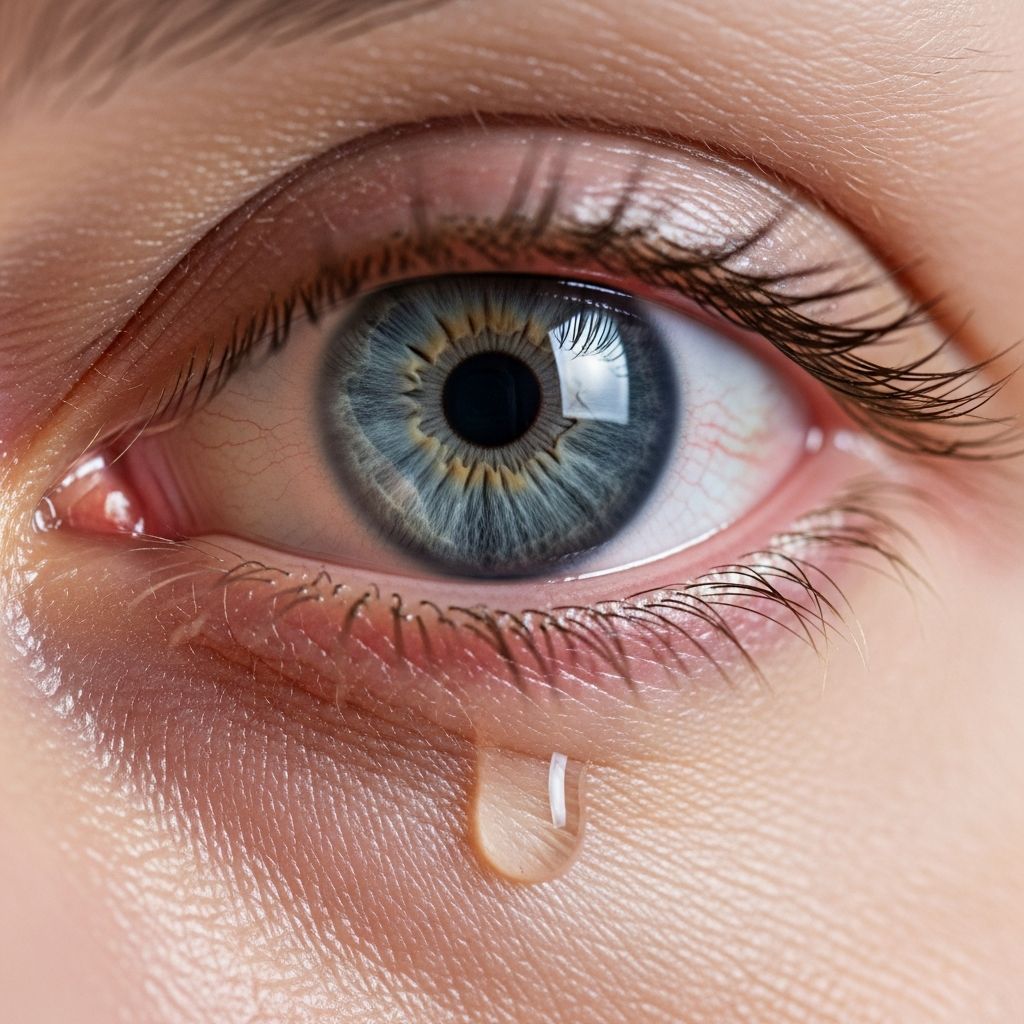
Sjögren’s syndrome is a chronic autoimmune condition primarily characterized by the immune system targeting moisture-producing glands, leading to persistent dryness in the eyes and mouth. This disorder affects millions worldwide, predominantly women over 40, and can significantly impact daily comfort and overall health.
The Nature of Sjögren’s Syndrome
At its core, Sjögren’s syndrome occurs when the body’s immune defenses mistakenly assault its own exocrine glands, those responsible for secreting fluids like tears and saliva. This results in keratoconjunctivitis sicca (dry eyes) and xerostomia (dry mouth), the two hallmark features. While these symptoms dominate, the condition’s reach extends further, often intertwining with other autoimmune diseases.
Medical experts classify it into primary and secondary forms. Primary Sjögren’s develops independently, whereas secondary arises alongside conditions like rheumatoid arthritis or lupus. Genetic predispositions and environmental triggers, such as viral infections, contribute to its onset, though exact causes remain elusive.
Recognizing Key Symptoms
Symptoms vary in intensity but consistently disrupt routine activities. The most prevalent include:
- Dry, gritty eyes that burn, itch, or feel sandy, often worsened by wind or screen time.
- Persistent dry mouth, leading to difficulty swallowing, speaking, or tasting food.
- Joint and muscle pain, resembling arthritis with swelling and stiffness.
- Fatigue that lingers, affecting energy levels throughout the day.
- Swollen salivary glands, particularly near the jaw and ears.
Additional manifestations encompass skin rashes, vaginal dryness, persistent cough, and dental issues from reduced saliva, heightening cavity risk. In severe cases, it impacts organs like kidneys, lungs, or nerves.
| Symptom Category | Common Signs | Potential Complications |
|---|---|---|
| Eye-Related | Burning, redness, light sensitivity | Corneal ulcers, infections |
| Mouth-Related | Thick saliva, sore throat, altered taste | Cavities, oral infections like thrush |
| Systemic | Fatigue, joint pain, dry skin | Organ involvement, lymphoma risk |
Unraveling the Causes and Risk Factors
The precise etiology of Sjögren’s syndrome eludes full comprehension, but it stems from an aberrant immune response where lymphocytes infiltrate glandular tissues, impairing fluid secretion. Hormonal influences explain its ninefold prevalence in women, peaking post-menopause.
Genetic markers, like specific HLA genes, heighten susceptibility. Viral culprits such as Epstein-Barr or hepatitis C may trigger onset in predisposed individuals. Environmental factors, including stress or prior infections, exacerbate progression. Unlike infectious diseases, it lacks a single pathogen but shares pathways with other rheumatologic disorders.
Diagnostic Approaches
Diagnosing Sjögren’s requires a multifaceted strategy, as symptoms mimic other conditions. Physicians start with a detailed history and physical exam, focusing on dryness complaints and glandular swelling.
Key tests include:
- Schirmer’s test: Measures tear production using filter paper strips.
- Ocular staining: Reveals corneal damage via dye.
- Salivary flow assessment or scintigraphy for gland function.
- Blood tests: Detect anti-SSA/Ro and anti-SSB/La antibodies, elevated in 70% of cases; check for rheumatoid factor or ANA.
- Lip biopsy: Confirms lymphocytic infiltration in minor salivary glands.
Classification criteria from the American College of Rheumatology and European League Against Rheumatism standardize diagnosis, requiring a points-based score from these evaluations. Early detection prevents complications like vision loss or dental decay.
Related Stories



Treatment Strategies: Managing Symptoms Effectively
No cure exists for Sjögren’s syndrome; management centers on symptom alleviation, complication prevention, and quality-of-life enhancement. Tailored plans combine lifestyle adjustments, over-the-counter aids, and prescriptions.
Eye Care Interventions
Preserve ocular surface health with frequent use of preservative-free artificial tears during the day. For moderate-severe cases, prescription drops like cyclosporine (Restasis) or lifitegrast (Xiidra) curb inflammation by modulating immune activity. Nighttime ointments provide prolonged lubrication, despite temporary blurring. Punctal plugs or moisture goggles offer advanced relief.
Oral Moisture Maintenance
Stimulate saliva via sugar-free lozenges, gums, or citrus candies. Prescription secretagogues like pilocarpine (Salagen) or cevimeline (Evoxac) boost glandular output, though side effects include sweating and nausea. Artificial saliva sprays or gels mimic natural lubrication better than water. Antifungals combat thrush, common due to dryness.
Systemic and Supportive Therapies
For joint pain and fatigue, nonsteroidal anti-inflammatories (NSAIDs) or hydroxychloroquine (Plaquenil) prove beneficial. Disease-modifying agents like methotrexate target widespread inflammation in organ-involving cases. Corticosteroids or immunosuppressants like rituximab address severe manifestations.
Acid reducers manage reflux from low saliva. Vaginal lubricants alleviate dryness-related discomfort.
Lifestyle Modifications for Daily Relief
Empower yourself with habits that counteract dryness:
- Maintain humidity above 40% using room humidifiers.
- Stay hydrated, sipping water hourly; avoid caffeine and alcohol.
- Practice meticulous oral hygiene with fluoride toothpaste and regular dental visits.
- Protect eyes with wraparound sunglasses and screen breaks.
- Follow a balanced diet rich in omega-3s from fish or flaxseed to support tear film.
Regular monitoring by rheumatologists, ophthalmologists, and dentists is crucial to avert long-term damage.
Potential Complications and Prevention
Untreated Sjögren’s elevates risks for corneal abrasions, severe dental caries, and rarely, lymphoma. Kidney dysfunction or neuropathy may emerge systemically. Proactive care minimizes these through vigilant symptom control and annual screenings.
Living Well with Sjögren’s Syndrome
Though challenging, many thrive by adapting routines and leveraging support networks. Patient advocacy groups offer resources, emotional backing, and clinical trial access. Emerging biologics promise targeted therapies, focusing on B-cell depletion or cytokine inhibition.
Mindfulness, gentle exercise like yoga, and adequate sleep combat fatigue. Educating family and employers fosters understanding, reducing isolation.
Frequently Asked Questions (FAQs)
What triggers Sjögren’s syndrome flares?
Stress, infections, hormonal shifts, or dehydration often provoke worsening symptoms. Track patterns and adjust management accordingly.
Can Sjögren’s syndrome lead to blindness?
Rarely, if untreated severe dry eyes cause scarring. Consistent lubrication and medical oversight prevent this.
Is there a diet for Sjögren’s?
No specific one, but anti-inflammatory foods (fruits, vegetables, omega-3s) and avoiding irritants aid comfort.
How does Sjögren’s affect pregnancy?
Women with SSA antibodies risk neonatal lupus or heart block; preconception counseling is advised.
Are there new treatments on the horizon?
Clinical trials explore JAK inhibitors and BAFF blockers for broader efficacy.
This guide equips you with knowledge to navigate Sjögren’s proactively. Consult specialists for personalized advice.
References
- Sjögren’s Disease: Diagnosis, Treatment, and Steps to Take — National Institute of Arthritis and Musculoskeletal and Skin Diseases (NIAMS). 2023. https://www.niams.nih.gov/health-topics/sjogrens-disease/diagnosis-treatment-and-steps-to-take
- Sjogren’s syndrome – Diagnosis and treatment — Mayo Clinic. 2023-10-22. https://www.mayoclinic.org/diseases-conditions/sjogrens-syndrome/diagnosis-treatment/drc-20353221
- Sjögren’s Syndrome – Treatment | Johns Hopkins — Johns Hopkins Rheumatology (YouTube). 2018-07-19. https://www.youtube.com/watch?v=TTtxtvG0Iko
- Sjogren’s Syndrome Diagnosis & Treatment — Mount Sinai Health System. 2024. https://www.mountsinai.org/care/rheumatology/services/sjogrens-syndrome
- Sjogren’s syndrome – Symptoms and causes — Mayo Clinic. 2023-10-22. https://www.mayoclinic.org/diseases-conditions/sjogrens-syndrome/symptoms-causes/syc-20353216
- Sjögren’s Syndrome: Symptoms & Treatment — Cleveland Clinic. 2023-11-01. https://my.clevelandclinic.org/health/diseases/4929-sjogrens-syndrome
Similar Articles








Read full bio of Sneha Tete