SJS/TEN Nursing Care: Evidence-Based Guidelines
Comprehensive nursing protocols for Stevens-Johnson Syndrome and Toxic Epidermal Necrolysis management.
Stevens-Johnson Syndrome and Toxic Epidermal Necrolysis: Nursing Care Guidelines
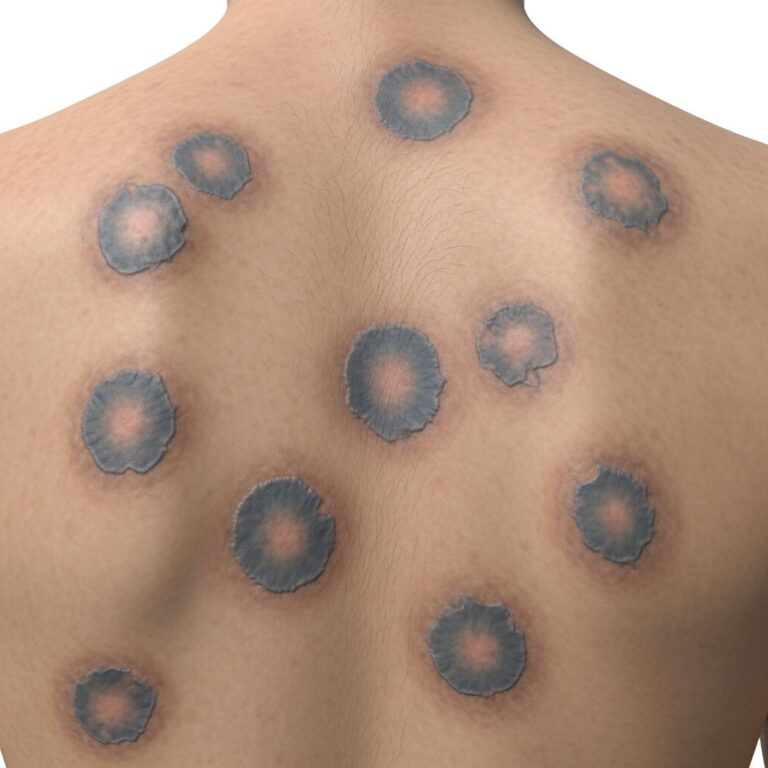
Stevens-Johnson Syndrome (SJS) and Toxic Epidermal Necrolysis (TEN) represent severe, life-threatening cutaneous adverse reactions to medications and other triggers. These conditions are characterized by extensive necrosis and detachment of the epidermis, involving both skin and mucosal surfaces including the eyes, mouth, and genitals. Nursing care plays a critical role in managing these complex conditions and reducing mortality and adverse sequelae, particularly when large areas of skin and mucosa are affected and intensive care is required.
Understanding SJS and TEN
SJS and TEN exist on a spectrum of the same disease process, with TEN representing a more severe manifestation. These conditions typically begin within 1 to 7 days of exposure to the triggering agent. While various treatment options exist, no drug has demonstrated proven universal efficacy. Current approaches emphasize systemic treatment combined with appropriate nursing care. Recent evidence supports the use of intravenous immunoglobulin (IVIG) and corticosteroids as potentially effective therapeutic interventions, though supportive care remains the universally accepted cornerstone of management.
The Critical Role of Nursing Care
Nurses are central to the care of patients with SJS/TEN and must understand the fundamental pathophysiology of skin manifestations, associated pharmacology, and disease prognosis. Expert nursing care should commence as soon as the patient arrives at the hospital and continue until discharge. The major nursing role focuses on supportive care, with emphasis on assessment and management of airway, renal function, fluid and electrolyte balance, nutrition, skin and ocular surface care, pain control, and prevention of infection.
Patient Assessment and Monitoring
Initial assessment is vital for identifying complications and guiding nursing interventions. Healthcare providers must monitor the patient’s vital signs closely, with special attention to:
- Presence and character of fever
- Respiratory rate, depth, rhythm, and cough patterns
- Characteristics and amount of respiratory secretions
- High fever, tachycardia, and extreme weakness or fatigue indicating epidermal necrosis and increased metabolic needs
- Evidence of gastrointestinal and respiratory mucosal sloughing
Continuous assessment helps identify potential complications including sepsis, conjunctival retraction, scars, and corneal lesions that may develop during the acute phase of illness.
Maintaining Skin and Mucous Membrane Integrity
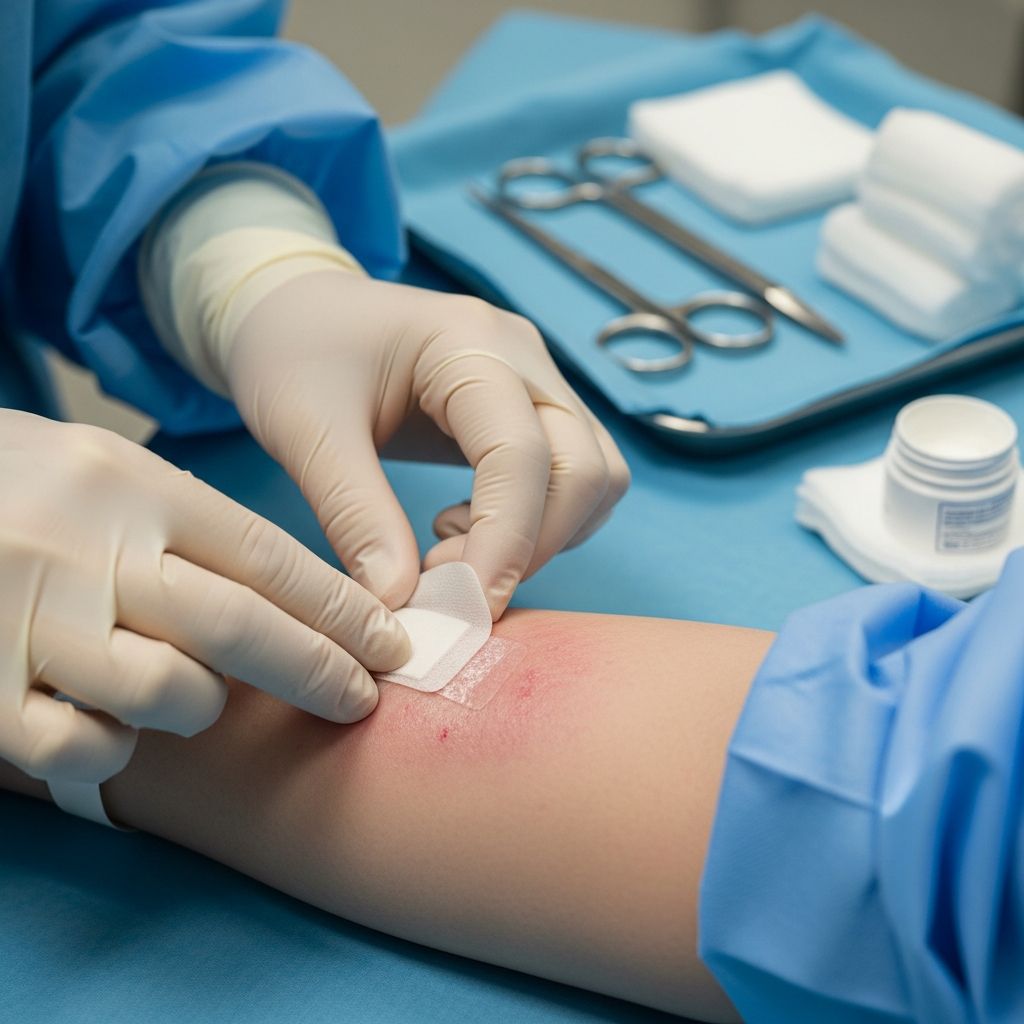
The local care of the skin represents an important and challenging area of nursing management. The skin denudes easily, especially when the patient is lifted and turned, requiring meticulous attention to prevent further tissue damage. Nursing staff must take special care to avoid friction when moving the patient in bed. After each position change, the nurse should check the skin to ensure that no new denuded areas have appeared.
The health care provider should keep the patient’s room clean and warm, and gently but thoroughly cleanse and protect the skin, mouth, eyes, and genitals. Cool, wet compresses may help soothe blisters while they heal. The nurse applies prescribed topical agents to reduce the bacterial population of the wound surface. Routine cleansing with saline solution helps prevent infections and cleanses erosions and wounds on mucosal surfaces. Following cleansing, an emollient such as liquid paraffin or petrolatum is applied to promote healing and maintain skin moisture.
Specialized Skin Care Techniques
- Gentle cleansing: Use saline solution to routinely wash affected skin areas
- Minimal friction: Avoid abrasive movements when positioning or turning the patient
- Emollient application: Apply prescribed topical agents such as liquid paraffin or petrolatum after cleansing
- Wound assessment: Inspect skin following each position change for new areas of denudation
- Topical antibiotics: Apply prescribed agents to reduce bacterial colonization
- Environmental control: Maintain warm room temperature to prevent heat loss through denuded skin
Related Stories



Fluid and Electrolyte Management
Patients with SJS/TEN experience significant fluid loss through denuded skin, similar to thermal burn patients. Aggressive fluid replacement is necessary to maintain adequate hydration and support organ function. Nursing interventions include careful monitoring of fluid intake and output, assessment of skin turgor and mucous membrane moisture, and regular laboratory values monitoring including serum electrolytes and renal function parameters.
Hypovolemia associated with loss of fluids from denuded skin represents a major nursing diagnosis. Healthcare providers must establish and maintain adequate intravenous access for fluid replacement and medication administration. Fluid balance should be monitored continuously, with adjustments made based on patient response and laboratory findings. Urinary output should be maintained at appropriate levels to ensure adequate renal perfusion and function.
Infection Prevention and Surveillance
The extensive loss of skin integrity places patients at extremely high risk for nosocomial infections, which represent a major cause of morbidity and mortality in SJS/TEN. Skin care practices are fundamental to infection prevention because the skin acts as the first line barrier against infection. Comprehensive infection prevention measures include:
- Meticulous hand hygiene and use of appropriate personal protective equipment
- Maintaining clean and warm patient environment
- Careful assessment for signs and symptoms of infection including fever, elevated white blood cell count, and positive cultures
- Regular surveillance of wound sites and mucous membranes for signs of secondary infection
- Application of prescribed topical antimicrobial agents
- Proper handling and disposal of wound dressings and exudates
- Coordination with infection control personnel for monitoring and prevention protocols
Ocular Care
Ocular involvement in SJS/TEN requires specialized nursing attention to prevent serious complications including conjunctival retraction, scarring, and corneal lesions. Nursing interventions for eye care include gentle cleansing of the eyes, careful application of prescribed ophthalmic medications, and assessment for signs of infection or deterioration. The nurse should observe for symptoms such as photophobia, pain, and visual changes that may indicate complications requiring immediate ophthalmologic consultation.
Oral and Mucosal Care
The mouth and oral mucosa are frequently affected in SJS/TEN, with erosions causing pain and difficulty with eating and drinking. Gentle oral hygiene using prescribed rinses helps maintain mucosal integrity and comfort. Nursing care includes careful assessment of the mouth, application of soothing agents, and provision of soft or liquid nutrition to minimize trauma during eating. Pain management is essential to allow adequate nutritional intake necessary for healing.
Pain Management
Acute pain associated with denuded skin and oral lesions represents a significant nursing diagnosis in SJS/TEN care. Comprehensive pain management includes the administration of prescribed analgesics, positioning to reduce discomfort, and non-pharmacologic comfort measures. Nursing staff should assess pain regularly using appropriate pain assessment tools and adjust interventions based on patient response. Adequate pain control is essential not only for patient comfort but also to promote participation in rehabilitation and recovery.
Temperature Regulation
Risk for hypothermia associated with heat loss secondary to skin loss requires nursing intervention to maintain normothermia. The nurse should keep the patient’s room warm, use warm blankets, and monitor core body temperature regularly. Maintaining proper environmental temperature helps reduce metabolic stress and supports the body’s healing processes.
Nutrition and Metabolic Support
Patients with SJS/TEN require increased nutritional intake to support the body’s increased metabolic demands and promote wound healing. High fever, tachycardia, and extreme weakness indicate the process of epidermal necrosis and increased metabolic needs. Nursing interventions include assessment of nutritional status, coordination with dietitians for appropriate nutrition planning, and assistance with oral intake when possible. For patients unable to eat orally, enteral or parenteral nutrition support may be necessary.
Anxiety and Psychological Support
The physical appearance of the skin and prognosis of SJS/TEN can cause significant anxiety and psychological distress for patients and families. Nursing interventions should include clear, honest communication about the disease process and expected outcomes, emotional support, and referral to mental health professionals when appropriate. Involving family members in care planning and education helps reduce anxiety and promotes understanding of the condition.
Environmental and Comfort Measures
Beyond specific medical interventions, the overall hospital environment significantly impacts patient outcomes and comfort. Key environmental measures include:
- Maintaining a clean, warm patient room
- Using non-adherent dressings to minimize pain during dressing changes
- Providing fresh linens frequently using gentle technique
- Minimizing unnecessary disturbances while ensuring regular monitoring
- Controlling temperature to prevent heat loss through denuded skin
- Managing noise and lighting to promote comfort and rest
The Créteil Protocol
The nursing care described in evidence-based guidelines is adapted from the Créteil protocol for patients with toxic epidermal necrolysis. This protocol is recommended for all healthcare providers caring for patients with SJS/TEN or similar severe cutaneous adverse reactions to drugs. The protocol emphasizes multidisciplinary care involving experienced dermatologists, specialist nurses, and other healthcare team members to achieve favorable outcomes. Early referral to an appropriate medical center, ideally in a burns unit for supportive management, is recommended.
Critical Patient Status Recognition
Most patients admitted with SJS/TEN are received in critical condition and require prompt intensive supportive management, especially during the first 24 hours of admission. Nurses must recognize that these patients are acutely ill, with many experiencing over 70 percent skin involvement. Awareness of critical patient status guides the nursing care approach and helps nurses implement specific procedures to avert serious complications.
Transitional and Discharge Planning
As patients progress through the acute phase and begin recovery, the focus shifts toward rehabilitation and outpatient care. Care similar to that provided for thermal burn patients continues, with attention to wound healing, physical rehabilitation, and psychological adjustment. Some patients require care in a rehabilitation center before returning home, while others require extended outpatient physical and occupational therapy.
When the patient returns home, the home health nurse coordinates care provided by various healthcare team members including physicians, physical therapists, occupational therapists, and dieticians. Ongoing assessment identifies complications, and patient adherence to the care plan is monitored. Education about pain management, nutrition, measures to increase mobility, and prevention of complications is provided to patients and family members in both written and verbal formats.
Interdisciplinary Follow-Up Care
Interdisciplinary follow-up care is imperative to ensure that patient progress continues after discharge. The home health nurse assesses the patient’s adaptation to the home care environment and identifies needs for support and assistance. Referrals to community agencies are made as appropriate. Ongoing monitoring ensures early identification and management of potential complications such as infections, contractures, or psychological issues related to changed appearance.
Frequently Asked Questions About SJS/TEN Nursing Care
Q: What is the primary focus of nursing care in SJS/TEN?
A: The primary focus is supportive care, including assessment and management of airway, renal function, fluid and electrolyte balance, nutrition, skin and ocular surface care, pain control, and prevention of infection. Comprehensive skin and wound care management is particularly challenging due to the extensive nature of the condition.
Q: Why is skin care so critical in SJS/TEN nursing?
A: The skin acts as the first line barrier against infection. Extensive denudation creates high risk for nosocomial infections, bleeding, and other serious complications. Meticulous skin care with gentle cleansing, application of emollients, and careful handling prevents further tissue damage and reduces infection risk.
Q: How should nurses handle patient positioning in SJS/TEN?
A: The skin denudes easily, especially when the patient is lifted and turned. Nursing staff must take special care to avoid friction involving the skin when moving the patient. The skin should be checked after each position change to ensure that no new denuded areas have appeared.
Q: What fluid management strategies are used for SJS/TEN patients?
A: Aggressive fluid replacement is necessary due to significant fluid loss through denuded skin, similar to thermal burn patients. Careful monitoring of fluid intake and output, assessment of hydration status, and regular laboratory value monitoring ensure adequate fluid and electrolyte balance.
Q: When should patients be referred to specialized care facilities?
A: Early referral to appropriate medical centers, ideally burns units equipped for intensive care management, is recommended for optimal outcomes. Experienced dermatologists and specialist nurses in such settings can provide comprehensive multidisciplinary care.
Q: What role does the nurse play in discharge and home care planning?
A: Nurses coordinate transitional care planning, provide education to patients and families about self-care and complications, and arrange interdisciplinary follow-up including physical therapy, occupational therapy, and ongoing medical management. Home health nurses monitor progress and identify complications requiring intervention.
References
- Nursing Care of Stevens Johnson Syndrome and Toxic Epidermal Necrolysis — Scientific Research Publishing. 2022. https://www.scirp.org/journal/paperinformation?paperid=93954
- Care of the Patient with Toxic Epidermal Necrolysis or Stevens-Johnson Syndrome — University of Texas at Austin, College of Nursing. 2023. https://www.studocu.com/en-us/document/university-of-texas-at-austin/nursing
- Stevens-Johnson Syndrome and Toxic Epidermal Necrolysis — HealthPartners Institute. 2023. https://www.healthpartners.com/knowledgeexchange/display/document-rn23707
- Stevens-Johnson Syndrome (SJS): Causes, Rash & Treatments — Cleveland Clinic. 2024. https://my.clevelandclinic.org/health/diseases/17656-stevens-johnson-syndrome
- Stevens-Johnson Syndrome: Diagnosis & Treatment — Mayo Clinic. 2024. https://www.mayoclinic.org/diseases-conditions/stevens-johnson-syndrome/diagnosis-treatment/drc-20355942
Similar Articles








Read full bio of Sneha Tete