Skeletal Dysplasia: Types, Symptoms, and Treatment
Understanding skeletal dysplasia: genetic bone disorders, diagnosis, and management options.
Understanding Skeletal Dysplasia
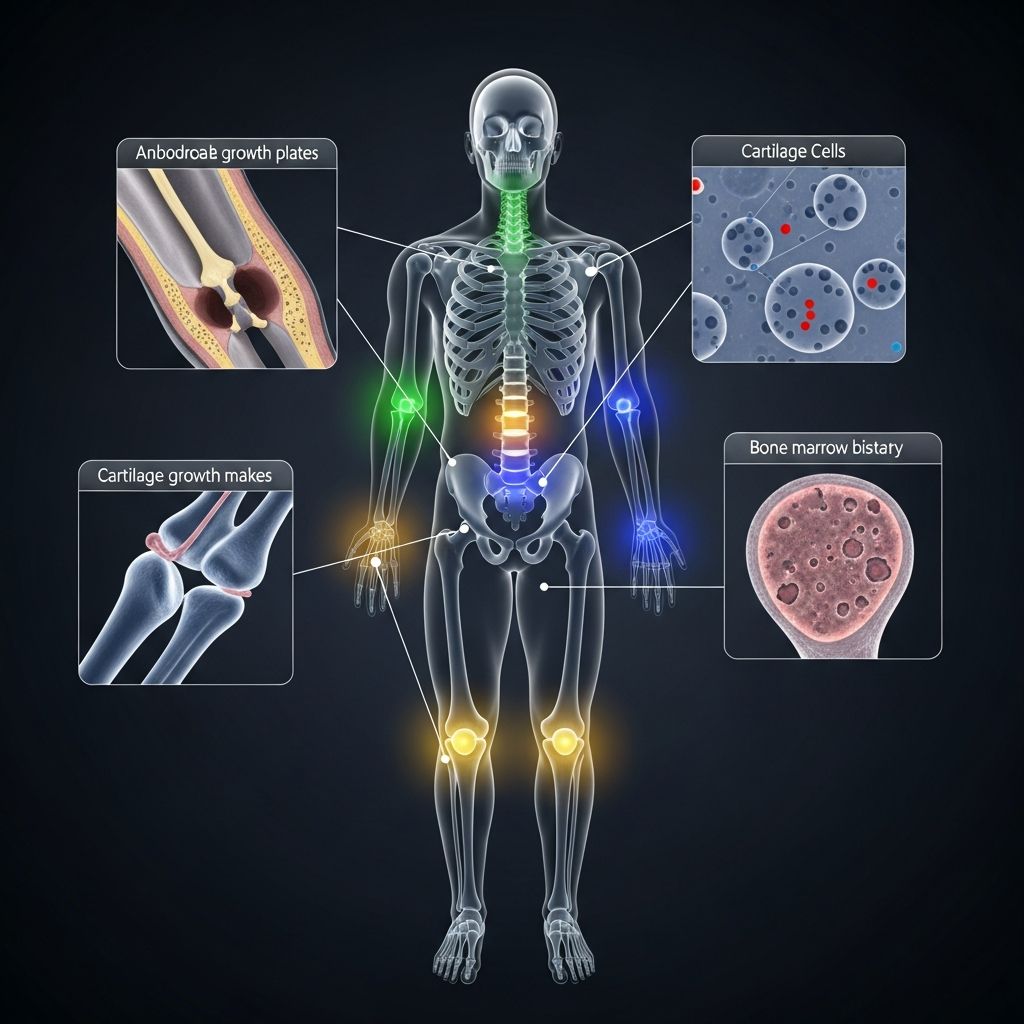
Skeletal dysplasias represent a large and diverse group of rare genetic conditions that affect the development and structure of bones and cartilage throughout the body. These hereditary disorders are characterized by abnormalities in bone formation, growth, and mineralization, leading to short stature, skeletal deformities, and various systemic complications. With hundreds of identified types, skeletal dysplasias can range from mild conditions with minimal functional impact to severe disorders that significantly affect quality of life and longevity.
The term “skeletal dysplasia” encompasses a heterogeneous collection of genetic disorders that primarily impact the musculoskeletal system. These conditions arise from mutations in genes responsible for bone matrix proteins, collagen production, cartilage formation, and bone mineralization processes. Early recognition and accurate diagnosis are critical for implementing appropriate medical management and determining whether pharmacologic treatments or other interventions may benefit the patient.
Classification and Major Families of Skeletal Dysplasias
Skeletal dysplasias are organized into distinct families based on their radiographic patterns, clinical features, and underlying genetic mechanisms. This classification system enables healthcare providers to use a stepwise diagnostic approach that begins with pattern recognition on imaging studies, followed by meticulous observation of subtle findings.
Dysostosis Multiplex Disorders
The dysostosis multiplex family includes mucopolysaccharidoses (MPS), a group of lysosomal storage disorders characterized by progressive skeletal abnormalities. These conditions include Hurler syndrome (MPS Type I), Hunter syndrome (MPS Type II), Sanfilippo syndrome (MPS Type III), Morquio syndrome (MPS Type IV), and Maroteaux-Lamy syndrome (MPS Type VI). Skeletal hallmarks include macrocephaly, thick calvaria, J-shaped sella, thick ribs with posterior constriction, and thick clavicles with distal narrowing. The severity of the dysostosis multiplex phenotype helps predict the specific MPS subtype, with Hurler and Maroteaux-Lamy syndromes being the most severe presentations.
Multiple Epiphyseal Dysplasias (MEDs)
Multiple epiphyseal dysplasias are caused by abnormalities in minor molecules of the cartilage matrix, including cartilage oligomeric matrix protein (COMP), matrillin 3 (MATN3), and type IX collagen. COMP-related MED is the most common form and demonstrates variable severity, with pseudoachondroplasia representing the most severe manifestation. The characteristic radiographic finding includes delayed, small, and irregular epiphyseal ossification affecting multiple joints.
Metaphyseal Chondrodysplasias
The skeletal ribosomopathies and other metaphyseal chondrodysplasias present with rickets-like metaphyseal changes including splaying, cupping, and irregularity. Unlike nutritional rickets, bone mineralization remains normal in these conditions. Metaphyseal dysplasia in skeletal ribosomopathies typically has a postnatal onset and tends to deteriorate with age.
Spondyloepiphyseal Dysplasias (SEDC)
The SEDC family of disorders is characterized by delayed ossification of juxtatruncal bones, including vertebral bodies, pelvic bones, and proximal epiphyses of long bones. Distinctive radiographic features include pear-shaped vertebrae with posterior constriction and anterior rounding, absent pubic ossification, and delayed epiphyseal ossification particularly affecting the proximal femurs. Within this family, the Stickler-Kniest dysplasias demonstrate transverse overgrowth of the physis producing “dumbbell” deformity of tubular bones, mega-epiphyses, elongated vertebral bodies, and broad ilia.
Otopalatodigital Syndrome Family
Disorders within the otopalatodigital syndrome family are characterized by undertubulation and bowing of bones, along with cortical irregularity. These skeletal abnormalities are particularly prominent in the hands and feet. Additional features may include variable hyperostosis of craniofacial bones and widening of the interpediculate distance of vertebral bodies.
Related Stories



Clinical Features and Symptoms
The clinical presentation of skeletal dysplasias varies widely depending on the specific type and severity. Common manifestations include disproportionate short stature, where body segments may be affected differently; skeletal deformities such as bowing of the limbs, spinal abnormalities, or chest wall deformities; and joint problems including stiffness, hypermobility, or arthritis.
Many individuals with skeletal dysplasias experience complications affecting organ systems beyond the skeleton. Patients with severe forms often develop small chests with respiratory insufficiency or airway obstruction, potentially requiring mechanical ventilation support immediately after birth. Neurological complications may arise, particularly when skeletal abnormalities compress vital structures. For example, odontoid hypoplasia with atlantoaxial instability, commonly seen in SEDC disorders, can cause significant cervical spine problems requiring careful monitoring.
Hearing loss, vision problems, dental abnormalities, and developmental delays may accompany certain skeletal dysplasias. The psychosocial impact of short stature and visible skeletal deformities should not be overlooked, as these factors influence quality of life and emotional well-being.
Diagnostic Approach
Early and accurate diagnosis of skeletal dysplasias is essential for implementing appropriate management strategies. The diagnostic process typically involves a combination of clinical evaluation, radiographic imaging, and molecular genetic testing.
Clinical Assessment
The clinical evaluation begins with a comprehensive family history to identify inheritance patterns, whether autosomal dominant, autosomal recessive, or X-linked. Growth assessment is fundamental, examining both current height measurements and growth trends over time. Affected individuals typically demonstrate deviation from normal growth curves at specific developmental milestones. Physical examination focuses on identifying skeletal and extraskeletal features specific to various dysplasia families, including assessment of limb proportions, spinal alignment, joint mobility, and facial features.
Radiographic Diagnosis
Radiographic imaging serves as a cornerstone of skeletal dysplasia diagnosis. The stepwise radiologic approach begins with pattern recognition to categorize the case into a specific dysplasia family based on characteristic skeletal changes visible on X-rays. The second step involves meticulous observation of different severities within the same pattern or identification of subtle but distinctive findings. X-ray examination typically includes long bone radiographs, spine imaging, pelvis assessment, and occasionally specialized views of specific affected areas.
Molecular and Genetic Testing
Advances in molecular genetics have revolutionized skeletal dysplasia diagnosis, enabling definitive identification of causative mutations. Prenatal diagnosis has become increasingly sophisticated, with ultrasound evaluation of fetal skeletal anatomy combined with molecular testing when indicated. In clinical series, early prenatal diagnosis combined with appropriate molecular genetic confirmation has achieved diagnostic accuracy rates exceeding 80 percent in specialized centers. Genetic testing may include targeted mutation analysis for specific disorders or comprehensive panel testing for multiple skeletal dysplasia genes.
Management and Treatment Options
The management of skeletal dysplasias is multidisciplinary and requires coordination among pediatricians, orthopedic surgeons, geneticists, pulmonologists, otolaryngologists, and other specialists as needed. Treatment approaches depend on the specific diagnosis, severity of the condition, and complications present.
Pharmacologic Therapies
While definitive pharmaceutical treatments remain unavailable for most skeletal dysplasias, several targeted therapies have emerged for specific conditions. Enzyme replacement therapy represents a significant breakthrough for certain mucopolysaccharidoses, helping to slow disease progression. Asfotase alfa, an alkaline phosphatase enzyme replacement, has shown efficacy in treating hypophosphatasia and related mineralization disorders. Ongoing research continues to identify new therapeutic targets and develop additional pharmacologic options.
Surgical Interventions
Orthopedic surgery plays a crucial role in managing skeletal dysplasias. Limb-lengthening procedures may improve function and reduce psychosocial impacts of disproportionate short stature. Spinal surgery may be necessary to address kyphosis, scoliosis, or cervical spine instability that poses neurological risks. Other orthopedic interventions target joint contractures, angular deformities, or mobility restrictions that limit function.
Respiratory and Airway Management
Patients with severe skeletal dysplasias affecting the chest wall or airway structures require specialized respiratory care. This may include early intubation for infants with severe respiratory compromise, management of airway obstruction from craniofacial abnormalities, and long-term pulmonary support as needed.
Supportive and Symptomatic Care
Physical therapy and occupational therapy help maximize functional capacity and independence. Hearing aids or cochlear implants address hearing loss. Dental management addresses orthodontic needs and functional problems. Growth hormone therapy may be considered in selected cases, though efficacy varies by specific dysplasia type.
Growth Monitoring and Developmental Expectations
Accurate growth assessment requires understanding the natural history of specific skeletal dysplasias. Many dysplasias have condition-specific growth curves that differ markedly from general population standards. For example, individuals with pseudoachondroplasia typically maintain normal growth initially but begin deviating from standard curves around 12 to 24 months of age, with progressive divergence thereafter concurrent with weight gain acceleration. Understanding these condition-specific patterns helps distinguish skeletal dysplasias from other causes of growth deviation and guides prognostic counseling.
Prenatal Diagnosis and Counseling
Advances in prenatal imaging and molecular genetics have improved the ability to diagnose skeletal dysplasias before birth. Fetal ultrasound can identify skeletal abnormalities including shortened long bones, abnormal bone shape, decreased mineralization, or chest wall abnormalities. When prenatal findings suggest a skeletal dysplasia, molecular genetic testing of fetal DNA obtained through invasive testing can provide definitive diagnosis in many cases. Prenatal diagnosis enables families to prepare for specialized care needs, arrange delivery at appropriate medical facilities, and make informed reproductive decisions.
Frequently Asked Questions
What causes skeletal dysplasias?
Skeletal dysplasias are caused by genetic mutations affecting genes responsible for bone matrix proteins, collagen production, cartilage development, or bone mineralization. These mutations disrupt normal skeletal development and growth, resulting in characteristic bone and cartilage abnormalities specific to each dysplasia type.
Are skeletal dysplasias inherited?
Many skeletal dysplasias are inherited in an autosomal dominant pattern, meaning affected individuals have a 50 percent chance of passing the condition to each child. Others follow autosomal recessive or X-linked inheritance patterns. Some cases result from new spontaneous mutations with no family history.
Can skeletal dysplasias be cured?
Currently, most skeletal dysplasias cannot be cured, though treatments are available to manage symptoms and complications. Ongoing research is developing new therapies, including gene therapy approaches. Early diagnosis and comprehensive management optimize outcomes and quality of life.
What is the life expectancy for someone with a skeletal dysplasia?
Life expectancy varies significantly depending on the specific dysplasia type and severity. Mild forms may have normal or near-normal lifespans, while severe types may have reduced life expectancy. Appropriate medical care, respiratory support, and management of complications significantly impact survival and quality of life.
Where can I find specialized care for skeletal dysplasias?
Many academic medical centers and children’s hospitals have specialized skeletal dysplasia clinics with multidisciplinary teams experienced in diagnosis and management. Organizations like the Little People of America maintain directories of regional skeletal dysplasia programs throughout the United States and internationally.
References
- Skeletal Dysplasia Families: A Stepwise Approach to Diagnosis — Radiological Society of North America. 2022. https://pubs.rsna.org/doi/abs/10.1148/rg.220067
- Skeletal Dysplasias: Growing Therapy for Growing Bones — Johns Hopkins University School of Medicine. 2017. https://pure.johnshopkins.edu/en/publications/skeletal-dysplasias-growing-therapy-for-growing-bones/
- Skeletal Dysplasias: Clinical Management and Therapeutic Options — National Center for Biotechnology Information, U.S. National Library of Medicine. 2017. https://pubmed.ncbi.nlm.nih.gov/28321190/
- Diagnostic Approach to the Child with a Skeletal Dysplasia — Johns Hopkins Medicine Department of Pediatrics. 2024. https://www.youtube.com/watch?v=NkHwQvRemVg
- Prenatal Diagnosis of Fetal Skeletal Dysplasia — Johns Hopkins Medicine Maternal Fetal Medicine. 2024. https://www.youtube.com/watch?v=WAsNGfncNf0
- Regional Skeletal Dysplasia Clinics — Little People of America. https://www.lpaonline.org/regional-skeletal-dysplasia-clinics
Similar Articles








Read full bio of Sneha Tete