Skeletal System: Function, Anatomy & Care Guide
Discover how your skeletal system supports, protects, and sustains your body's vital functions daily.
Understanding Your Skeletal System
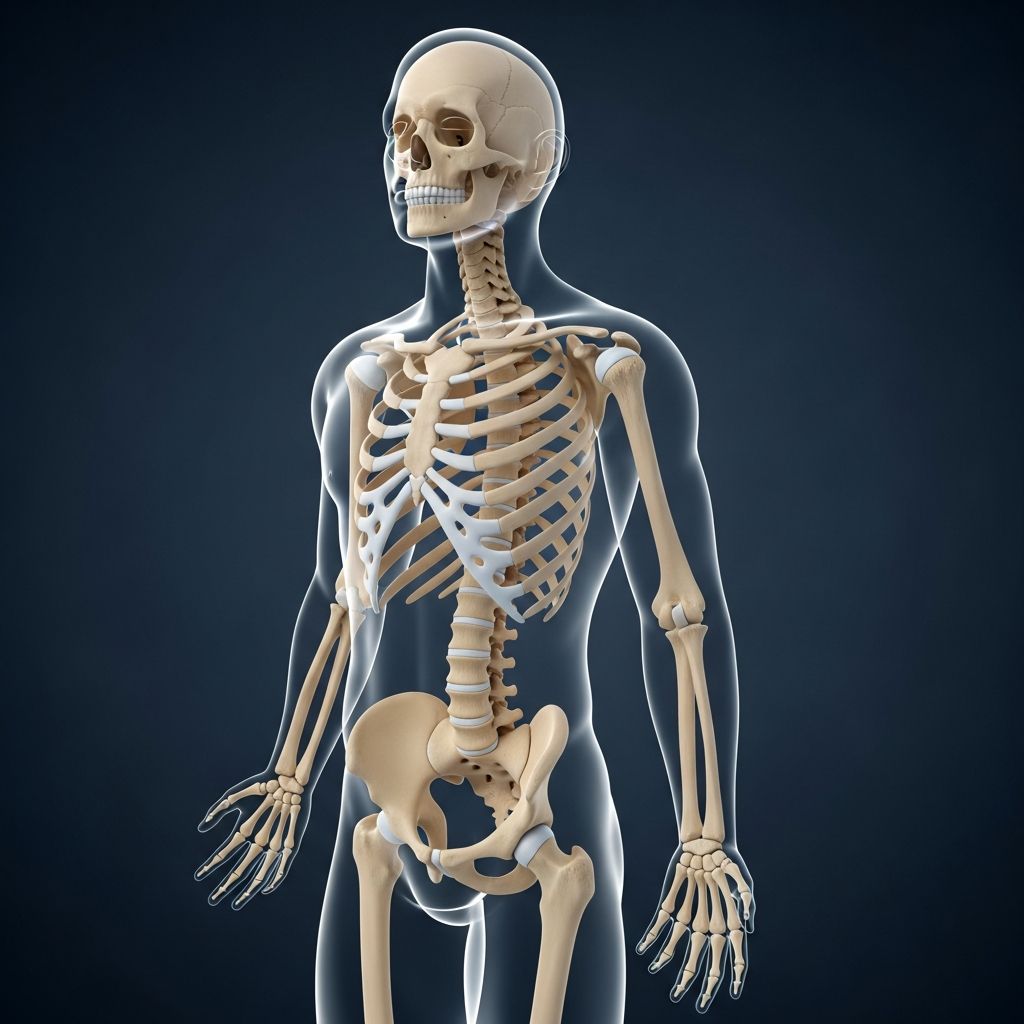
Your skeletal system is far more than just a collection of bones. It represents your body’s most fundamental support structure, working constantly to maintain your shape, protect vital organs, and enable movement. The skeletal system, often referred to as the musculoskeletal system, comprises bones, muscles, cartilage, and connective tissue including ligaments and tendons. Together, these components create an integrated network that allows you to perform everyday activities—from standing and walking to lifting objects and participating in sports.
The adult human body contains 206 bones, each serving specific functions that contribute to overall health and mobility. These bones are connected and supported by more than 600 muscles, tendons, ligaments, and soft tissues that work in harmony to maintain your body’s structural integrity and functional capacity.
The Major Functions of Your Skeletal System
Your skeletal system performs several critical functions that are essential for survival and quality of life. Understanding these functions helps explain why bone health is so important:
Support and Structure
The skeletal system provides the framework that gives your body its shape and form. Bones serve as the structural support system that holds your organs in place and maintains proper posture. Without this support structure, your body would collapse and your organs would have no protective housing.
Protection of Vital Organs
One of the most critical functions of your skeletal system is organ protection. Your skull shields your brain from injury, your ribcage protects your heart and lungs, and your vertebral column safeguards your spinal cord. These protective functions are essential for preserving life and preventing serious injuries from everyday impacts and accidents.
Blood Cell Production
Bone marrow, located in the spongy center of most bones, serves as a production facility for blood cells. This tissue manufactures white blood cells that fight infections and protect your immune system, as well as red blood cells that transport oxygen throughout your body. Without this vital function, your body would be vulnerable to infections and unable to deliver oxygen efficiently to tissues.
Movement and Mobility
Skeletal muscles, which comprise 30 to 40 percent of your total body mass, connect to your bones through tendons and enable movement. These muscles contract and relax to move bones, allowing you to perform countless movements from simple daily activities to complex athletic endeavors. Ligaments connect bones to other bones, providing stability and controlling the range of motion at joints.
Mineral Storage and Metabolism
Your bones serve as a reservoir for essential minerals, particularly calcium and phosphorus. These minerals are critical for maintaining proper bodily functions, and your body can draw upon bone stores when dietary intake is insufficient. This mineral storage function helps regulate blood chemistry and supports metabolic processes.
Related Stories



Anatomy of the Skeletal System
The skeletal system is organized into two main divisions: the axial skeleton and the appendicular skeleton. Understanding this anatomical organization helps clarify how bones are grouped and distributed throughout your body.
The Axial Skeleton
The axial skeleton consists of 80 bones located along your body’s central axis. These bones form the vertical line running through the center of your body and include:
Skull Bones
Your skull is composed of 22 bones divided into two categories: eight cranial bones and 14 facial bones. The cranial bones form the top and back of your skull, creating a protective dome that surrounds and supports your brain. The facial bones provide structure to your face and support for the eyes, nose, and teeth.
Ossicles (Middle Ear Bones)
Three tiny bones in each middle ear, called ossicles, play a crucial role in hearing. These small bones transmit sound vibrations from the eardrum to the inner ear, enabling auditory processing.
Hyoid Bone
The hyoid bone is a horseshoe-shaped bone located at the front of your neck. Muscles and ligaments hold this bone in place between your jawbone and thyroid gland. The hyoid bone assists in breathing, speaking, and swallowing—functions essential for communication and nutrition.
Vertebral Column (Spine)
Your spine comprises 24 vertebrae plus your sacrum and tailbone (coccyx), creating a flexible structure that extends from the base of your skull to your pelvis. This column is divided into five regions:
- Cervical vertebrae (7 bones): Located in your neck, these vertebrae support your head and allow neck movement.
- Thoracic vertebrae (12 bones): These mid-back vertebrae connect to your ribs and support your upper body.
- Lumbar vertebrae (5 bones): Located in your lower back, these are the largest vertebrae and bear most of your body’s weight.
- Sacrum: A triangular bone at the base of your spine that connects your spine to your pelvis.
- Coccyx (tailbone): A small bone at the very bottom of your spine that provides attachment points for muscles and ligaments.
Thoracic Cage (Ribcage)
Your ribcage consists of 12 pairs of ribs attached to your thoracic vertebrae and a central breastbone called the sternum. Together, these bones create a protective cage that houses your heart, lungs, and other vital organs. The ribcage also serves as an attachment point for breathing muscles, enabling respiratory function.
The Appendicular Skeleton
The appendicular skeleton comprises 126 bones that attach to your axial skeleton. This division includes all the bones in your shoulders, pelvis, arms, hands, legs, and feet. The appendicular skeleton provides the framework for limb movement and enables you to interact with your environment through purposeful arm and leg movements.
Joints: Where Bones Connect and Move
Joints are points where two bones meet, and they function similar to hinges on a door. Your skeletal system contains numerous joints that vary in their structure and range of motion. Some joints, such as those in your skull, are immobile and fused together. Others, like your knee and shoulder joints, allow substantial movement and flexibility.
Synovial joints represent the most mobile type of joint in your body. These joints feature a cavity in one bone that accommodates another bone, allowing smooth movement. Slippery hyaline cartilage covers the bone ends within synovial joints, reducing friction. A fluid-filled synovial membrane lines the space between bones, providing lubrication and protection. Muscles and ligaments surrounding joints provide additional support and control movement.
Skeletal Muscles: The Force Behind Movement
Skeletal muscles represent 30 to 40 percent of your total body mass and are the muscles that attach to bones and enable movement. These striated muscles consist of flexible muscle fibers ranging from less than half an inch to over 3 inches in diameter. When skeletal muscles contract, they pull on tendons, which in turn move bones. This coordinated system allows you to perform an extensive range of movements, from fine motor tasks like writing to large movements like running and jumping.
Connective Tissues Supporting Your Skeleton
Beyond bones and muscles, your skeletal system relies on several types of connective tissue that provide essential support and stability:
Cartilage
Cartilage is a flexible connective tissue that cushions joints and reduces friction between bones. This smooth, rubbery material allows bones to move smoothly against each other. However, cartilage can wear down over time, leading to conditions like arthritis, which causes joint pain, stiffness, and reduced mobility.
Ligaments
Ligaments are strong fibrous tissues that connect bone to bone. They provide stability to joints and help control the range of motion, preventing bones from moving too far in any direction. Ligaments are crucial for maintaining joint integrity during movement and activity.
Tendons
Tendons connect muscles to bones and transmit the force generated by muscle contractions to move bones. These strong, flexible tissues are essential for translating muscle action into skeletal movement, enabling all purposeful body movement.
Common Conditions Affecting the Skeletal System
Various conditions can affect your skeletal system and compromise bone health, mobility, and quality of life. Understanding common conditions helps you recognize symptoms and seek appropriate treatment:
Conditions from Wear and Tear
Age-related bone changes are common as you grow older. These conditions develop due to natural wear and tear on bones and joints:
- Osteoarthritis results from cartilage breakdown in joints
- Osteoporosis causes decreased bone density and increased fracture risk
- Degenerative disc disease affects spinal disc health
Autoimmune Conditions
Many autoimmune diseases specifically target the skeletal system and joints, causing inflammation and damage:
- Rheumatoid arthritis attacks joint linings and causes inflammation
- Lupus can affect bones and joints throughout the body
- Ankylosing spondylitis primarily affects the spine
Traumatic Injuries
Falls, car accidents, and sports injuries commonly damage the skeletal system. Frequent traumatic injuries include:
- Fractures and broken bones
- Sprains affecting ligaments
- Dislocations separating bones at joints
- Ligament and tendon tears
Symptoms of Skeletal System Problems
Problems affecting your skeletal system can produce various symptoms that impact your daily functioning. Common symptoms include:
- Joint pain, stiffness, or swelling
- Bone pain or tenderness
- Limited range of motion
- Muscle weakness or spasms
- Difficulty walking, standing, or maintaining posture
- Cracking or popping sounds in joints
- Reduced mobility and flexibility
If you experience persistent symptoms affecting your skeletal system, consulting with a healthcare provider can help identify underlying conditions and appropriate treatment options.
Maintaining a Healthy Skeletal System
Keeping your skeletal system strong and healthy is essential for maintaining mobility, preventing injuries, and reducing your risk of age-related bone diseases. Several evidence-based strategies can help protect your bones:
Nutrition for Bone Health
Consuming adequate calcium and vitamin D supports bone density and strength. These nutrients are found in dairy products, leafy greens, fortified foods, and through appropriate sun exposure. Protein intake also supports bone health and muscle maintenance.
Regular Physical Activity
Weight-bearing exercises like walking, running, and strength training stimulate bone formation and maintain muscle mass. Exercise also improves balance and coordination, reducing fall risk and protecting joints through controlled movement.
Avoiding Risk Factors
Limiting alcohol consumption, avoiding smoking, and maintaining a healthy weight reduce your risk of bone loss and skeletal system damage. These lifestyle choices support overall bone health and reduce disease risk.
Fall Prevention
Taking precautions to prevent falls—such as removing household hazards, wearing appropriate footwear, and maintaining adequate lighting—protects your bones from traumatic injury, particularly important as you age.
Frequently Asked Questions About Your Skeletal System
Q: How many bones do adult humans have?
A: Adult humans typically have 206 bones. Babies are born with approximately 270 bones, many of which are made of cartilage. As children grow, many of these bones fuse together, resulting in the lower number of bones in adults.
Q: What is the difference between the axial and appendicular skeleton?
A: The axial skeleton consists of 80 bones along your body’s central axis, including your skull, spine, and ribcage. The appendicular skeleton comprises 126 bones in your shoulders, pelvis, arms, and legs that attach to the axial skeleton.
Q: Why is bone marrow important?
A: Bone marrow produces red blood cells that transport oxygen and white blood cells that fight infections. This critical function is essential for immune system function and oxygen delivery throughout your body.
Q: Can bones heal themselves?
A: Yes, bones have remarkable healing capabilities. When a bone breaks, specialized cells work to remove damaged bone tissue and form new bone. This healing process typically takes several weeks to several months depending on the fracture severity.
Q: What role do ligaments and tendons play in skeletal system function?
A: Ligaments connect bones to other bones, providing joint stability and controlling movement range. Tendons connect muscles to bones and transmit muscle force to move bones, enabling purposeful movement.
Q: How can I improve my bone health as I age?
A: Maintaining adequate calcium and vitamin D intake, engaging in regular weight-bearing exercise, avoiding smoking and excessive alcohol, and preventing falls through home safety measures all support bone health and reduce age-related bone loss.
Conclusion
Your skeletal system is a remarkable and complex network of bones, muscles, cartilage, and connective tissue that provides essential support, protection, and mobility. By understanding how this system functions and recognizing the importance of skeletal health, you can take proactive steps to maintain strong bones throughout your life. A healthy lifestyle that includes proper nutrition, regular exercise, and injury prevention will help ensure your skeletal system continues supporting you for decades to come.
References
- Axial Skeleton: What Bones it Makes Up — Cleveland Clinic. 2025. https://my.clevelandclinic.org/health/body/22344-axial-skeleton
- Skeletal System: What It Is, Function, Care & Anatomy — Cleveland Clinic. 2025. https://my.clevelandclinic.org/health/body/21048-skeletal-system
- Musculoskeletal System: Arthritis, Lower Back Pain, Bones, Muscles — Cleveland Clinic. 2025. https://my.clevelandclinic.org/health/articles/12254-musculoskeletal-system-normal-structure–function
- Bones: How Many Do Humans Have, Types, Anatomy & Function — Cleveland Clinic. 2025. https://my.clevelandclinic.org/health/body/25176-bones
- Skeletal Muscle (Striated Muscle): What It Is & Function — Cleveland Clinic. 2025. https://my.clevelandclinic.org/health/body/21787-skeletal-muscle
- Joints in the Human Body: Anatomy, Types & Function — Cleveland Clinic. 2025. https://my.clevelandclinic.org/health/body/25137-joints
Similar Articles








Read full bio of medha deb