Skene’s Gland: Function, Health Issues, and Treatment
Understanding Skene's glands: anatomy, function, and management of health conditions.
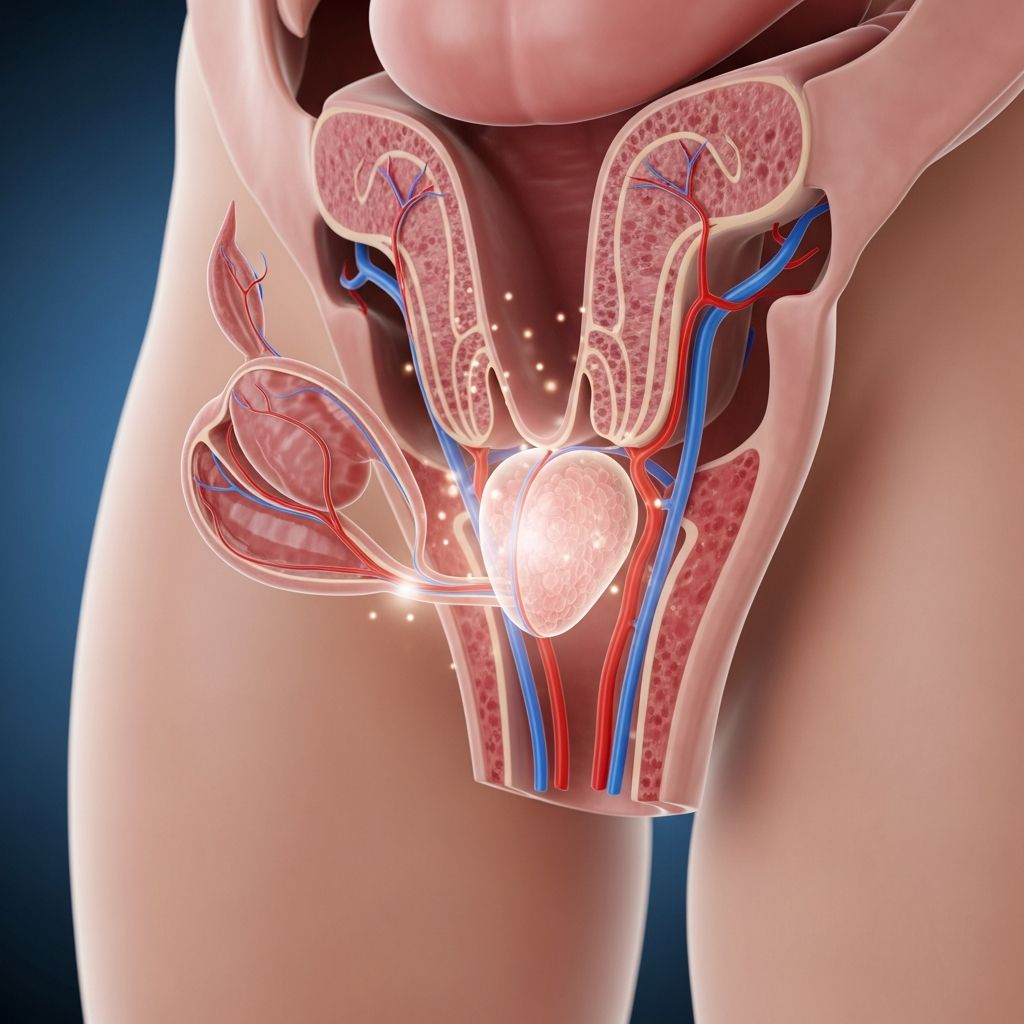
Skene’s glands are small but significant structures in female anatomy that play important roles in both urinary and sexual health. Despite their clinical importance, many women have never heard of these glands. Understanding what they are, how they function, and what conditions may affect them is essential for maintaining overall reproductive and urinary health.
What Are Skene’s Glands?
Skene’s glands are two small glands located on either side of the urethra, situated in the lower front part of the vaginal wall. These tiny structures, approximately the size of a corn kernel, are connected by small ducts that open into the vestibule of the vulva. The glands are surrounded by erectile tissue that fills with blood during sexual arousal, similar to how the clitoris functions.
Also known as the “female prostate,” these glands earned this nickname due to their structural and functional similarities to the male prostate gland. However, they are distinct anatomical structures with their own unique characteristics and purposes. Other medical terms for Skene’s glands include the lesser vestibular glands, paraurethral glands, and periurethral glands.
Historical Discovery
Skene’s glands were first described by Dr. Alexander Johnston Chalmers Skene in the late nineteenth century. Despite being identified over a century ago, these glands remained relatively obscure in general medical knowledge until recent years, when increased research and discussion about female anatomy has brought them into greater clinical and public awareness.
Anatomical Location and Structure
The precise location of Skene’s glands is crucial to understanding their function. These glands are situated along both sides of the urethra, with their external openings positioned in the vestibule of the vulva—the triangular area bounded by the labia minora and the clitoris. The openings are typically located on either side of the lower end of the urethra.
Internally, the Skene’s glands hug the urethra much like the male prostate surrounds the male urethra. Two small ducts, called Skene’s ducts, carry fluid from the glands to their external openings. The tissue surrounding these glands contains numerous blood vessels and erectile tissue that respond to sexual arousal by becoming engorged with blood.
Primary Functions of Skene’s Glands
Skene’s glands serve several important functions in female physiology, contributing to both urinary and sexual health.
Urethral Lubrication
One primary function of Skene’s glands is to produce and release fluids that help lubricate the urethra. The urethra is the tube responsible for transporting urine from the bladder out of the body. Proper lubrication of this passage is important for comfortable urination and overall urinary tract health. The glands secrete a mild, milk-like fluid that is an ultrafiltrate of blood plasma.
Antimicrobial Protection
Research suggests that fluids secreted by Skene’s glands contain antimicrobial substances that may help protect against urinary tract infections. These natural defense mechanisms work to maintain a healthy urinary environment and reduce the risk of bacterial infections. This protective function may be particularly important given that sexual activity can sometimes trigger UTIs in susceptible individuals.
Related Stories



Sexual Function and Arousal
During sexual arousal, Skene’s glands become engorged with blood, causing them to swell. This swelling contributes to overall genital engorgement and arousal response. The glands are composed of tissues similar to those of the clitoris, which may explain their role in sexual sensation and response. As stimulation continues, the glands secrete mucus-containing fluids that provide additional lubrication during sexual activity.
Female Ejaculation
One of the most discussed functions of Skene’s glands is their potential role in female ejaculation. The fluid produced by Skene’s glands contains specific proteins and substances similar to those found in male ejaculate, including prostate-specific antigen and prostatic acid phosphatase. The fluid also contains high concentrations of glucose and fructose. Researchers believe that fluid released from these glands during sexual stimulation may contribute to female ejaculation, though this phenomenon has not been completely proven.
Possible Connection to the G-Spot
Some researchers theorize that Skene’s glands may influence or form a portion of what is commonly referred to as the female G-spot. The location of these glands near the front wall of the vagina and their responsive nature to stimulation have led to this speculation, though more research is needed to establish a definitive connection.
Evolutionary Perspective
The evolutionary purpose of Skene’s glands remains an area of scientific investigation. One theory suggests that these glands develop during early embryonic stages before sex differentiation occurs, which would explain why they exist in female anatomy even though they appear to have limited reproductive function. This is similar to why males have nipples—they develop before sex determination in the embryo.
Another intriguing hypothesis proposes that female ejaculate serves as an evolutionary defense mechanism against UTIs. According to this theory, women with Skene’s glands that produce more antimicrobial-rich fluid may experience fewer UTIs after sexual activity, making them more likely to have frequent sex and thus more likely to become pregnant and pass on their genes. This would represent a natural selection advantage.
Common Disorders and Health Conditions
While Skene’s glands are normally small and asymptomatic, various conditions can affect these structures and cause health issues.
Skene’s Gland Infections
Infection of the Skene’s glands can occur, a condition sometimes referred to as skenitis, urethral syndrome, or female prostatitis. Symptoms of infection may include:
– Localized pain or tenderness around the gland area- Swelling or inflammation- Discomfort during urination- Discomfort during sexual intercourse- Pelvic discomfort or pressure
These infections require proper medical evaluation and treatment, which may include antibiotics depending on the causative organism.
Skene’s Gland Cysts
One of the most common clinical concerns involving Skene’s glands is the development of cysts. A Skene’s duct cyst is typically lined by stratified squamous epithelium and develops when the gland duct becomes obstructed. These cysts are usually located lateral to the urinary meatus.
Symptoms of a Skene’s gland cyst may include:
– A small lump that can be felt in the vestibular area- Pain during intercourse (dyspareunia)- Localized tenderness around the affected gland- Deviation or difficulty with urinary stream if the cyst presses on the urethra- Urinary hesitancy or changes in urinary patterns
Magnetic resonance imaging (MRI) is typically used for diagnosis of Skene’s gland cysts. Treatment options depend on symptom severity and may include observation if the cyst is asymptomatic, surgical excision, or marsupialization, which involves creating an opening to allow continuous drainage.
Association with Other Conditions
Some research suggests that Skene’s gland dysfunction may be associated with other pelvic health conditions. Overactive mast cells, which are immune cells involved in allergic reactions and inflammation, have been implicated in conditions such as vulvodynia and interstitial cystitis. These mast cells release histamine, which can increase pain sensitivity in affected tissues. The exact role of Skene’s glands in these conditions requires further research.
Diagnostic Approaches
When Skene’s gland disorders are suspected, healthcare providers may use several diagnostic methods:
– Physical Examination: A careful pelvic examination can identify lumps, tenderness, or structural abnormalities- Magnetic Resonance Imaging (MRI): Provides detailed imaging of Skene’s gland cysts and their characteristics- Ultrasound: May be used to visualize gland structure and identify fluid collections- Urinalysis: Can help rule out urinary tract infections or other urinary problems- Patient History: Discussion of symptoms, sexual function, and urinary patterns helps guide diagnosis
Treatment Options
Treatment for Skene’s gland disorders depends on the specific condition and severity of symptoms.
Conservative Management
For many Skene’s gland conditions, conservative management is appropriate:
– Observation: Asymptomatic cysts may not require treatment and can be monitored over time- Pain Management: Over-the-counter pain relievers may help manage discomfort- Warm Compresses: Application of heat may relieve localized pain and tenderness- Sitz Baths: Sitting in warm water may help reduce inflammation and discomfort- Lifestyle Modifications: Avoiding irritants and adjusting sexual activity as needed
Medical Treatment
For infections, appropriate medical care includes:
– Antibiotics: Prescribed based on the causative organism when bacterial infection is confirmed- Anti-inflammatory Medications: To reduce swelling and pain associated with infection or inflammation- Urinary Antiseptics: To help maintain urinary tract health during treatment
Surgical Treatment
When conservative and medical approaches are insufficient, surgical intervention may be considered:
– Marsupialization: A surgical procedure that creates a permanent opening in a cyst to allow continuous drainage and prevent refilling- Surgical Excision: Complete removal of a problematic Skene’s gland cyst, though this is typically reserved for symptomatic cases that don’t respond to other treatments- Minimally Invasive Procedures: Modern techniques may employ less invasive surgical approaches when intervention is necessary
When to Seek Medical Attention
Women should consult a healthcare provider if they experience:
– Persistent pelvic or urethral pain- Pain during sexual intercourse that is new or worsening- A palpable lump in the vestibular area- Urinary symptoms such as difficulty urinating or deviation of the urinary stream- Symptoms of urinary tract infection combined with localized gland pain- Recurrent infections in the urethral area- Concerns about changes in sexual function or urinary patterns
Important Anatomical Variations
It is worth noting that anatomical variation exists in the population. Research indicates that approximately one-third of people with female anatomy may lack Skene’s glands entirely or have significantly underdeveloped glands. This variation is normal and does not indicate any health problem. Additionally, the presence or absence of Skene’s glands does not necessarily affect urinary or sexual function for many individuals, as these functions are multifactorial and involve many anatomical structures.
Frequently Asked Questions
Q: Do all women have Skene’s glands?
A: No. While most women have Skene’s glands, research suggests that approximately one-third of people with female anatomy may lack these glands entirely or have significantly underdeveloped ones. This variation is anatomically normal.
Q: What is the connection between Skene’s glands and female ejaculation?
A: Researchers believe that fluid secreted by Skene’s glands may contribute to female ejaculation, which is distinct from squirting. The glands produce a fluid containing proteins similar to male ejaculate. However, the exact mechanism and prevalence of this phenomenon require further research.
Q: Can Skene’s gland problems affect fertility?
A: Direct effects on fertility are unclear. However, infections or significant cysts affecting the urethral area could potentially impact sexual comfort or urinary health, which indirectly influences reproductive health. Most Skene’s gland conditions do not affect fertility.
Q: How is a Skene’s gland cyst diagnosed?
A: Diagnosis typically involves a pelvic examination and imaging studies. MRI is the preferred imaging modality for detailed visualization of Skene’s gland cysts and their characteristics.
Q: Are Skene’s gland infections common?
A: Skene’s gland infections are relatively uncommon compared to other urinary tract infections, but they do occur. If you experience persistent urethral pain or urinary symptoms, medical evaluation is recommended.
Q: Do Skene’s glands have a role in preventing UTIs?
A: Research suggests that fluids produced by Skene’s glands contain antimicrobial substances that may help protect against UTIs. However, more research is needed to fully understand this protective mechanism.
References
- Skene’s Glands: Function and Dysfunction — National Center for Biotechnology Information/PubMed. 2012-09-15. https://pubmed.ncbi.nlm.nih.gov/21901439/
- Skene’s Gland – Wikipedia — Wikimedia Foundation. 2025. https://en.wikipedia.org/wiki/Skene%27s_gland
- Skene’s Glands: Purpose, Health Complications, and Treatment — Healthline Media. 2024. https://www.healthline.com/health/skene-gland
- Skene’s Gland: What Women Should Know — Urology Center of Iowa. 2024. https://www.iowauro.com/blog/skenes-gland-what-women-should-know
Similar Articles








Read full bio of Sneha Tete