Skillet Dinners for Gut Health: 25 Gut-Boosting One-Pan Recipes
Boost your gut health with these 25 easy one-pan skillet dinners packed with fiber, probiotics and prebiotics for optimal digestion.
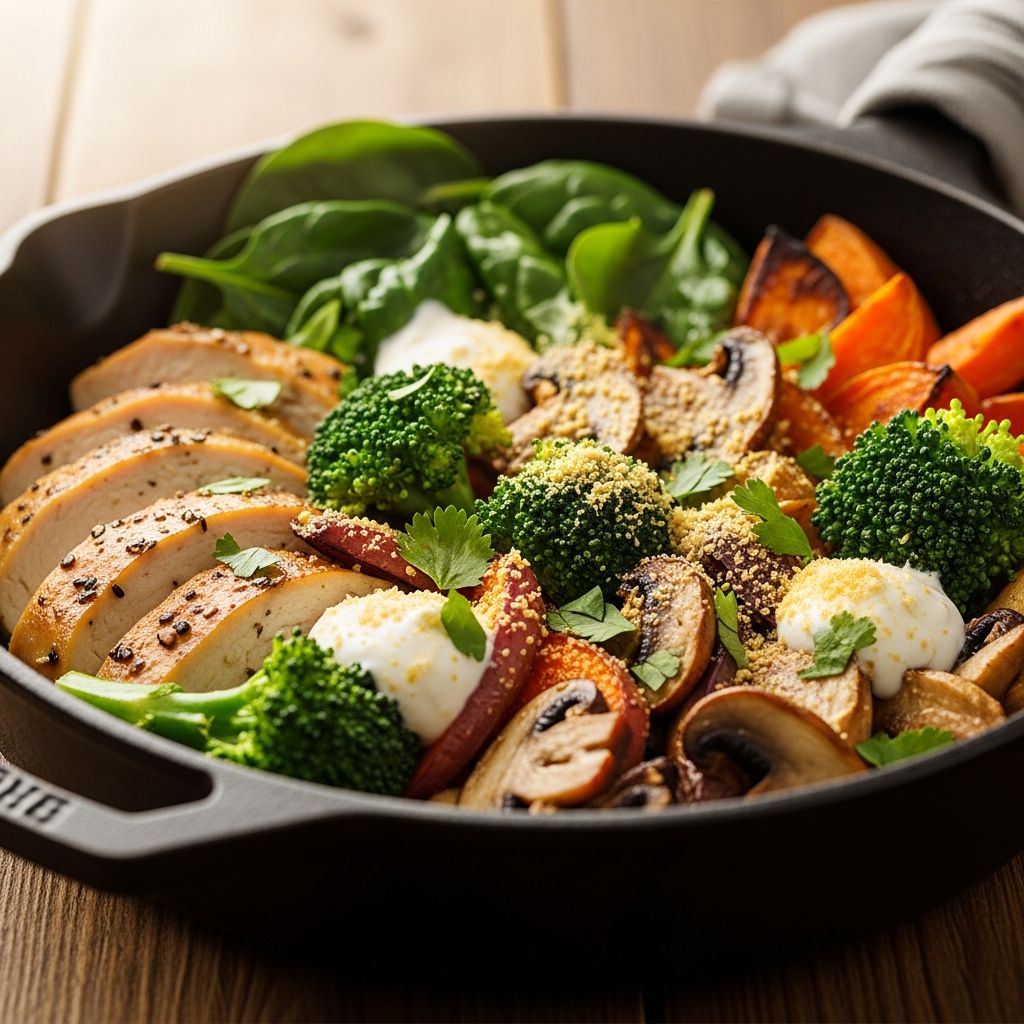
A healthy gut is the foundation of overall wellness, influencing everything from digestion and immunity to mood and energy levels. These 25 skillet dinners make it easy to nourish your microbiome with prebiotic fibers that feed beneficial bacteria and probiotic-rich foods that deliver live cultures. Each recipe uses one pan for minimal cleanup while maximizing flavor and nutrition.
Why Skillet Dinners Support Gut Health
One-pan cooking preserves nutrients better than methods requiring multiple vessels and excess water. High-heat skillet cooking quickly seals in vitamins from vegetables while concentrating natural flavors. Focus on ingredients like:
- Prebiotics: Garlic, onions, leeks, asparagus, oats, and beans that nourish gut bacteria
- Probiotics: Yogurt, kefir, sauerkraut, kimchi, and miso containing live beneficial cultures
- Fiber: Whole grains, legumes, and cruciferous vegetables for smooth digestion
- Polyphenols: Berries, dark leafy greens, and herbs with antioxidant benefits
Research from the American Journal of Clinical Nutrition confirms diverse plant-based meals promote microbial diversity, the hallmark of gut health.
1. Chickpea & Kale Skillet
Protein-packed chickpeas provide prebiotic fiber while kale delivers insoluble fiber for regularity. Lemon brightens flavors and aids digestion.
- Active Time: 25 min
- Total Time: 25 min
- Servings: 4
Ingredients: 2 tbsp olive oil, 1 onion (chopped), 3 garlic cloves (minced), 1 (15-oz) can chickpeas (rinsed), 1 bunch kale (chopped), 1 tsp smoked paprika, ½ tsp cumin, juice of 1 lemon, salt/pepper.
Sauté onion and garlic in oil 5 minutes. Add chickpeas, spices, and kale; cook until wilted, 8 minutes. Finish with lemon juice. 320 calories/serving.
2. Salmon & Asparagus Skillet
Asparagus contains inulin, a powerful prebiotic, paired with omega-3-rich salmon for anti-inflammatory benefits crucial for gut lining health.
- Active Time: 20 min
- Total Time: 20 min
- Servings: 4
Ingredients: 4 (5-oz) salmon fillets, 1 lb asparagus (trimmed), 2 tbsp olive oil, 2 garlic cloves, 1 lemon (zested/juiced), fresh dill.
Sear salmon skin-side up 4 minutes; flip and add asparagus. Cook 6 minutes more. Deglaze with lemon juice. 380 calories/serving.
3. Kimchi Fried Rice
Fermented kimchi delivers billions of CFUs probiotics plus garlic and ginger for digestive support. Day-old rice prevents blood sugar spikes.
- Active Time: 15 min
- Total Time: 15 min
- Servings: 4
Ingredients: 2 tbsp sesame oil, 3 cups cooked brown rice, 1 cup kimchi (chopped), 2 green onions, 2 eggs, 2 tbsp tamari, 1 tsp gochugaru.
Fry rice in oil 3 minutes. Push aside; scramble eggs. Add kimchi and seasonings; combine. 290 calories/serving.
4. Lentil & Spinach Skillet
Lentils offer resistant starch—a prebiotic superstar—while spinach provides magnesium to relax digestive muscles.
- Active Time: 30 min
- Total Time: 30 min
- Servings: 4
Ingredients: 1 tbsp olive oil, 1 onion, 2 carrots (diced), 1 cup green lentils, 4 cups vegetable broth, 6 cups spinach, 1 tsp cumin, salt.
Sauté vegetables; add lentils and broth. Simmer 25 minutes. Stir in spinach to wilt. 280 calories/serving.
5. Greek Yogurt Chicken Skillet
Tangy yogurt tenderizes chicken while providing probiotics. Cucumber and dill mimic tzatziki flavors.
- Active Time: 25 min
- Total Time: 25 min
- Servings: 4
Ingredients: 1 lb chicken breast (cubed), 1 cup Greek yogurt, 1 cucumber (diced), 2 garlic cloves, 1 tbsp oregano, lemon juice, feta crumbles.
Related Stories



Brown chicken; stir in yogurt sauce with garlic/oregano. Simmer 10 minutes; add cucumber. 350 calories/serving.
6. Tempeh & Leek Sauté
Fermented tempeh contains probiotics; leeks provide prebiotic fructans. Tamari adds umami without excess sodium.
- Active Time: 20 min
- Total Time: 20 min
- Servings: 4
Ingredients: 8 oz tempeh (cubed), 3 leeks (sliced), 2 tbsp coconut aminos, 1 tbsp sesame oil, 1 tsp ginger, sesame seeds.
Sauté leeks; add tempeh and seasonings. Cook 12 minutes until crispy. 260 calories/serving.
7. Sauerkraut Sausage Skillet
Fermented cabbage provides probiotics; turkey sausage keeps saturated fat low. Apples add pectin fiber.
- Active Time: 20 min
- Total Time: 20 min
- Servings: 4
Ingredients: 12 oz turkey sausage, 2 cups sauerkraut, 1 apple (sliced), 1 onion, caraway seeds, mustard.
Brown sausage; add vegetables and sauerkraut. Cook 10 minutes. 310 calories/serving.
8. Quinoa & Brussels Sprouts
Quinoa offers complete protein plus saponins with prebiotic effects. Roasted Brussels sprouts caramelize beautifully.
- Active Time: 30 min
- Total Time: 30 min
- Servings: 4
Ingredients: 1 cup quinoa, 1 lb Brussels sprouts (halved), 2 shallots, 2 tbsp olive oil, balsamic vinegar, pecans.
Cook quinoa; roast vegetables separately then combine. Drizzle with balsamic. 340 calories/serving.
9. Miso-Glazed Tofu & Bok Choy
Fermented miso paste delivers probiotics; bok choy provides prebiotic oligosaccharides.
- Active Time: 25 min
- Total Time: 25 min
- Servings: 4
Ingredients: 14 oz tofu (cubed), 3 tbsp miso, 1 tbsp mirin, 1 lb bok choy, sesame oil, scallions.
Whisk miso glaze; toss with tofu and vegetables. Bake in skillet 20 minutes at 400°F. 270 calories/serving.
10. Black Bean & Sweet Potato Hash
Sweet potatoes contain resistant starch; black beans provide fermentable fibers.
- Active Time: 30 min
- Total Time: 30 min
- Servings: 4
Ingredients: 2 sweet potatoes (diced), 1 (15-oz) can black beans, 1 onion, 1 bell pepper, cumin, cilantro, lime.
Roast sweet potatoes 20 minutes; add beans and peppers for final 10 minutes. 300 calories/serving.
11-25. More Gut-Friendly Favorites
11. Garlic Scape & White Bean Skillet – Tender garlic scapes plus creamy beans. 290 cal
12. Kefir-Marinated Pork & Cabbage – Probiotic kefir tenderizes pork. 360 cal
13. Farro & Mushroom Medley – Prebiotic beta-glucans from mushrooms. 320 cal
14. Turmeric Cauliflower Rice Bowl – Anti-inflammatory spices soothe gut. 250 cal
15. Sardine & Fennel Skillet – Omega-3s plus prebiotic fennel. 340 cal
16. Edamame & Snap Pea Stir-Fry – Prebiotic oligosaccharides abound. 280 cal
17. Oats & Berry Breakfast Skillet – Beta-glucan oats feed good bacteria. 310 cal
18. Artichoke & Chicken Sausage – Inulin-rich artichokes shine. 330 cal
19. Kombu Kelp & Tofu – Seaweed prebiotics plus fermented tofu. 260 cal
20. Pickled Beet & Goat Cheese – Fermented beets deliver probiotics. 300 cal
21. Jicama & Shrimp Tacos – Prebiotic-rich jicama replaces tortillas. 320 cal
22. Barley Risotto with Radicchio – Beta-glucans from whole barley. 350 cal
23. Natto Fried Rice – Japanese fermented soybeans pack probiotics. 290 cal
24. Chicory & Lentil Skillet – Bitter greens stimulate digestion. 270 cal
25. Kvass-Marinated Tempeh – Beet kvass provides unique probiotics. 310 cal
Gut Health Nutrition Tips
| Food Type | Examples | Gut Benefit |
|---|---|---|
| Prebiotic | Garlic, onions, leeks | Feed beneficial bacteria |
| Probiotic | Yogurt, kimchi, miso | Deliver live cultures |
| Fiber | Legumes, oats, vegetables | Promote regularity |
| Polyphenols | Berries, green tea | Antioxidant protection |
Frequently Asked Questions
What are the best prebiotic foods for gut health?
Garlic, onions, leeks, asparagus, chicory root, and bananas contain inulin and fructooligosaccharides that selectively feed beneficial Bifidobacteria and Lactobacilli species.
Can I eat probiotic foods if I have SIBO?
Choose low-FODMAP fermented foods like lactose-free yogurt or aged hard cheeses. Consult a dietitian for personalized guidance.
How much dietary fiber do I need daily?
Dietary Guidelines recommend 14g fiber per 1,000 calories consumed—about 25-38g daily for adults.
Do cooking methods destroy probiotics?
Yes, heat kills live cultures. Add fermented foods like sauerkraut or yogurt at the end of cooking or serve cold as garnishes.
References
- Dietary fiber and prebiotics and the gastrointestinal microbiota — Postgate JR. 2021-06-15. https://www.ncbi.nlm.nih.gov/pmc/articles/PMC8321864/
- Dietary Guidelines for Americans, 2020-2025 — USDA. 2020-12-01. https://www.dietaryguidelines.gov/
- Probiotics: What You Need To Know — National Center for Complementary and Integrative Health. 2023-08-10. https://www.nccih.nih.gov/health/probiotics-what-you-need-to-know
- Fermented Foods as a Dietary Source of Live Organisms — Marco ML et al. Frontiers in Microbiology. 2017-08-15. https://doi.org/10.3389/fmicb.2017.01785
- Gut Microbiota for Health: Prebiotics — Gut Microbiota for Health. 2024-01-20. https://www.gutmicrobiotaforhealth.com/prebiotics-101-what-you-need-to-know/
Similar Articles








Read full bio of medha deb