Skin Cancer Types, Symptoms, Risks & Prevention Guide
Understand the gravity of skin cancer, recognize symptoms early, and learn vital prevention strategies to protect your skin health effectively.
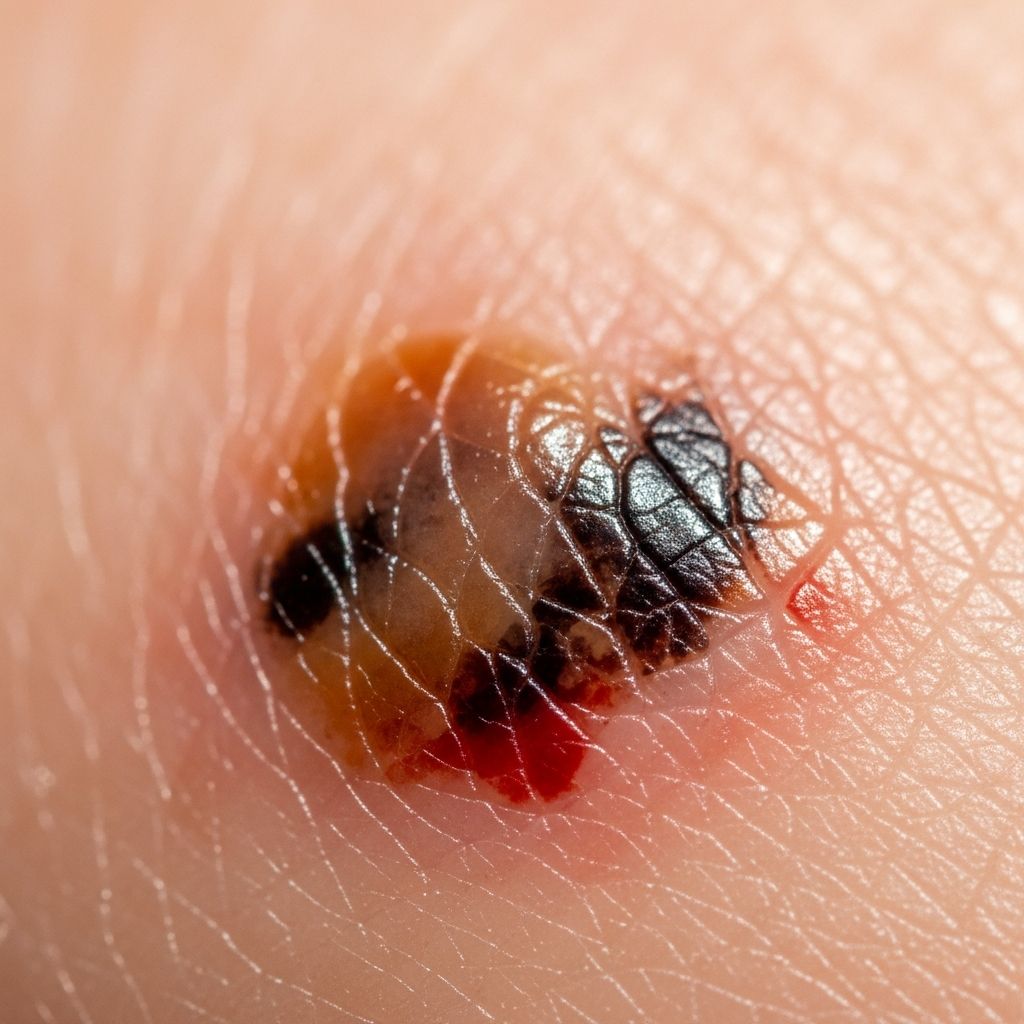
Skin cancer represents the most prevalent form of cancer worldwide, yet it remains one of the most preventable and treatable when detected early. Each year, millions receive diagnoses, with basal cell carcinoma, squamous cell carcinoma, and melanoma leading as the primary types. While non-melanoma cancers like basal and squamous cell are rarely fatal, melanoma poses a severe threat due to its metastatic potential. Understanding symptoms, risk factors, and prevention is crucial for everyone, regardless of skin tone. Early intervention through self-exams and professional screenings can save lives and minimize scarring from treatments.
Why Skin Cancer Is a Big Deal
Skin cancer affects approximately 1 in 5 Americans over their lifetime, making it the most diagnosed malignancy in the country. Globally, over 5 million cases occur annually in the U.S. alone. Basal cell carcinoma (BCC) accounts for about 80% of cases, squamous cell carcinoma (SCC) around 20%, and melanoma roughly 1%, but it causes the majority of skin cancer deaths—around 10,000 yearly in the U.S.. Unlike internal cancers, skin cancer manifests visibly, allowing for early detection. However, delays in recognition lead to invasive growths requiring surgery, radiation, or chemotherapy. Economic burdens include billions in treatment costs, lost productivity, and lifelong scarring. Prevention through sun safety drastically reduces incidence, emphasizing education’s role.
Beyond physical tolls, skin cancer impacts mental health, with visible lesions causing anxiety and depression. Fair-skinned individuals face higher risks, but all ethnicities are susceptible, particularly darker skin where late detection increases mortality. Public awareness campaigns have boosted survival rates, with melanoma’s five-year survival at 99% for localized cases versus 30% for distant spread. Ignoring changes like persistent sores or evolving moles forfeits these odds.
Types of Skin Cancer
Skin cancers originate primarily in the epidermis, the skin’s outer layer containing squamous cells, basal cells, and melanocytes. Each type presents distinct characteristics, growth patterns, and prognoses.
Basal Cell Carcinoma (BCC)
The most common skin cancer, BCC arises from basal cells in the epidermis’s lower layer. It typically appears on sun-exposed areas like the face, neck, ears, and arms. BCC grows slowly and rarely metastasizes, with less than 1% spreading if untreated long-term. However, neglect allows local invasion into bone or tissue, complicating removal.
- Pearly or waxy bump with visible blood vessels.
- Flat, flesh-colored or pink scar-like lesion.
- Bleeding or scabbing sore that recurs.
BCC patients have elevated risks for additional lesions, necessitating vigilant follow-up.
Squamous Cell Carcinoma (SCC)
The second most frequent, SCC develops from squamous cells in the epidermis’s upper layer. It favors sun-damaged sites like ears, lips, scalp, and hands, often evolving from actinic keratosis (AK)—rough, scaly precancerous spots. SCC invades deeper tissues more readily than BCC and metastasizes in 2-5% of cases, especially on lips or ears. Immunosuppressed individuals face higher risks.
- Firm, red nodule or flat lesion with scaly, crusty surface.
- Sore or ulcer that bleeds or crusts repeatedly.
- Rough patch resembling a wart.
Melanoma
Originating in melanocytes—pigment-producing cells—melanoma is the deadliest skin cancer due to rapid spread to organs like the brain or liver. It often arises in existing moles or new growths anywhere on the body, including soles, palms, or nails. Risk soars with UV exposure history; survival hinges on early excision.
- Asymmetrical mole with irregular borders.
- Color variation: black, brown, red, white, blue.
- Diameter over 6mm, evolving size/shape.
Rare Types
Less common variants include Merkel cell carcinoma (aggressive neuroendocrine cancer), dermatofibrosarcoma protuberans (slow-growing sarcoma), and sebaceous gland carcinoma (eyelid-linked). These demand specialized care.
Related Stories



Symptoms to Watch For
Early vigilance prevents progression. Use the ABCDE rule for moles: Asymmetry, Border irregularity, Color variation, Diameter >6mm, Evolving traits. Other red flags include:
- New growths or lesions failing to heal in 4 weeks.
- Itchy, tender, or bleeding spots.
- Shiny, translucent bumps or red patches.
- Changes in freckles, moles, or scars.
Sun-exposed areas warrant priority, but hidden sites like genitals or between toes require checks too. Self-exams monthly, aided by mirrors or partners, combined with annual dermatologist visits, optimize detection.
Risk Factors
While UV radiation is primary, multiple factors amplify susceptibility.
| Risk Factor | Description |
|---|---|
| Fair skin, light hair/eyes | Less melanin offers poorer UV protection. |
| History of sunburns | Especially blistering childhood burns. |
| Family/personal history | Genetic predispositions like xeroderma pigmentosum. |
| UV exposure | Sun, tanning beds, sunlamps; cumulative damage. |
| Weakened immunity | Organ transplants, HIV, certain medications. |
| Precancerous lesions | Actinic keratosis, Bowen’s disease. |
Occupations with outdoor work or chemical exposure (e.g., arsenic) heighten risks. All skin tones affected, though darker skins show later, deadlier presentations.
Prevention Tips
Up to 90% of skin cancers link to UV overexposure, making avoidance key.
- Seek shade during 10 AM-4 PM; use umbrellas/hats.
- Wear clothing: Long sleeves, pants, UPF 50+ fabrics.
- Hat/Sunglasses: Broad-brim, UV400 lenses.
- Sunscreen: SPF 30+ broad-spectrum; reapply every 2 hours, post-swim.
- Avoid tanning: No beds/lamps; self-tanners safer.
- Check skin: Monthly self-exams, yearly professional.
Infants under 6 months need shade/clothing over sunscreen. Antioxidants like vitamins C/E may aid, but evidence varies.
Treatment Options
Treatment escalates with stage: excision for early lesions, Mohs surgery for precise removal (99% cure for BCC/SCC), radiation/chemotherapy for advanced. Immunotherapy targets melanoma effectively. Scarring minimized via reconstruction; prognosis excellent for localized disease.
Frequently Asked Questions (FAQs)
Can skin cancer occur on dark skin?
Yes, though less frequently; it often appears on palms, soles, or under nails, with higher mortality from late diagnosis.
Is melanoma always deadly?
No, 99% survival if localized; early detection is key.
Does sunscreen prevent all skin cancers?
It reduces risk significantly when used properly, but combine with clothing/shade.
How often should I get skin checks?
Monthly self-exams; annually professionally, more if high-risk.
Are tanning beds safe?
No, they emit UV increasing melanoma risk by 75% before age 30.
References
- Skin Cancer Symptoms & Treatment | Aurora Health Care — Aurora Health Care. 2023. https://www.aurorahealthcare.org/services/cancer/skin-cancer-melanoma
- What Are Basal and Squamous Cell Skin Cancers? — American Cancer Society. 2024-01-12. https://www.cancer.org/cancer/types/basal-and-squamous-cell-skin-cancer/about/what-is-basal-and-squamous-cell.html
- Skin Cancer Basics – CDC — Centers for Disease Control and Prevention. 2025-06-01. https://www.cdc.gov/skin-cancer/about/index.html
- Non melanoma skin cancer symptoms — Cancer Research UK. 2022-12-16. https://www.cancerresearchuk.org/about-cancer/skin-cancer/symptoms
- Skin Cancer: Symptoms, Types & Treatment — Cleveland Clinic. 2024. https://my.clevelandclinic.org/health/diseases/15818-skin-cancer
Similar Articles








Read full bio of Sneha Tete