Skin Cancer Overview: Guide To Causes, Symptoms, Treatment
Comprehensive guide to skin cancer types, symptoms, causes, risk factors, prevention, diagnosis, and treatments for early detection and cure.
Skin cancer is the most common form of cancer diagnosed in the United States, affecting about 1 in 5 people in their lifetime. With early detection and treatment, nearly all cases can be cured, primarily due to ultraviolet (UV) radiation from sun exposure damaging skin cell DNA.
What Is Skin Cancer?
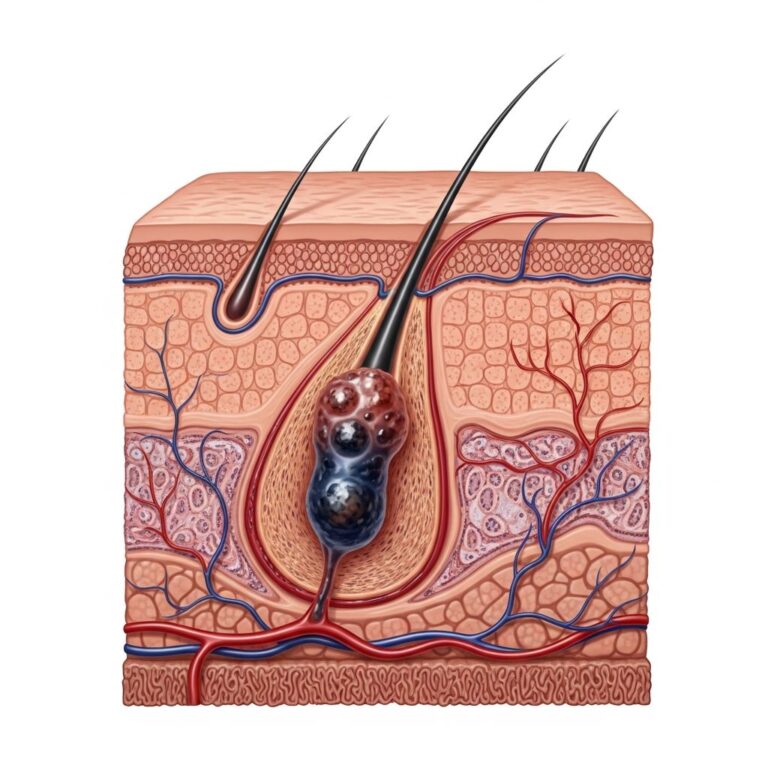
Skin cancer occurs when skin cells grow uncontrollably due to DNA changes, often from UV light exposure, leading to abnormal cell proliferation. Normally, old skin cells die and are replaced, but disruptions cause rapid, disorganized growth forming tumors that may be benign or malignant. Non-melanoma skin cancers (NMSC) like basal cell carcinoma (BCC) and squamous cell carcinoma (SCC) are most common, while melanoma is more aggressive.
NMSC develops from epidermal keratinocytes and accounts for the majority of cases worldwide. BCC is the most prevalent human skin malignancy, with an estimated 4.3 million annual cases in the US alone. SCC appears as scaly red patches, and melanoma arises from melanocytes in the epidermis’ basal layer due to genetic mutations activating oncogenes and deactivating tumor suppressors.
Types of Skin Cancer
There are three primary types of skin cancer: basal cell carcinoma, squamous cell carcinoma, and melanoma. Rarer forms include Merkel cell carcinoma and cutaneous T-cell lymphoma.
- Basal Cell Carcinoma (BCC): The most common type, originating in basal cells of the epidermis. It grows slowly, rarely metastasizes, but can invade nearby tissues like nerves or bones if untreated. Risk factors include prolonged sun exposure, immunosuppression, beta-HPV, and HIV.
- Squamous Cell Carcinoma (SCC): Second most common NMSC, affecting upper epidermal keratinocytes. Presents as firm red bumps or scaly patches, more likely to metastasize than BCC. Caused by UV overexposure, fair skin, aging, scars, ulcers, and chemical carcinogens. UV-induced p53 mutations drive genomic instability.
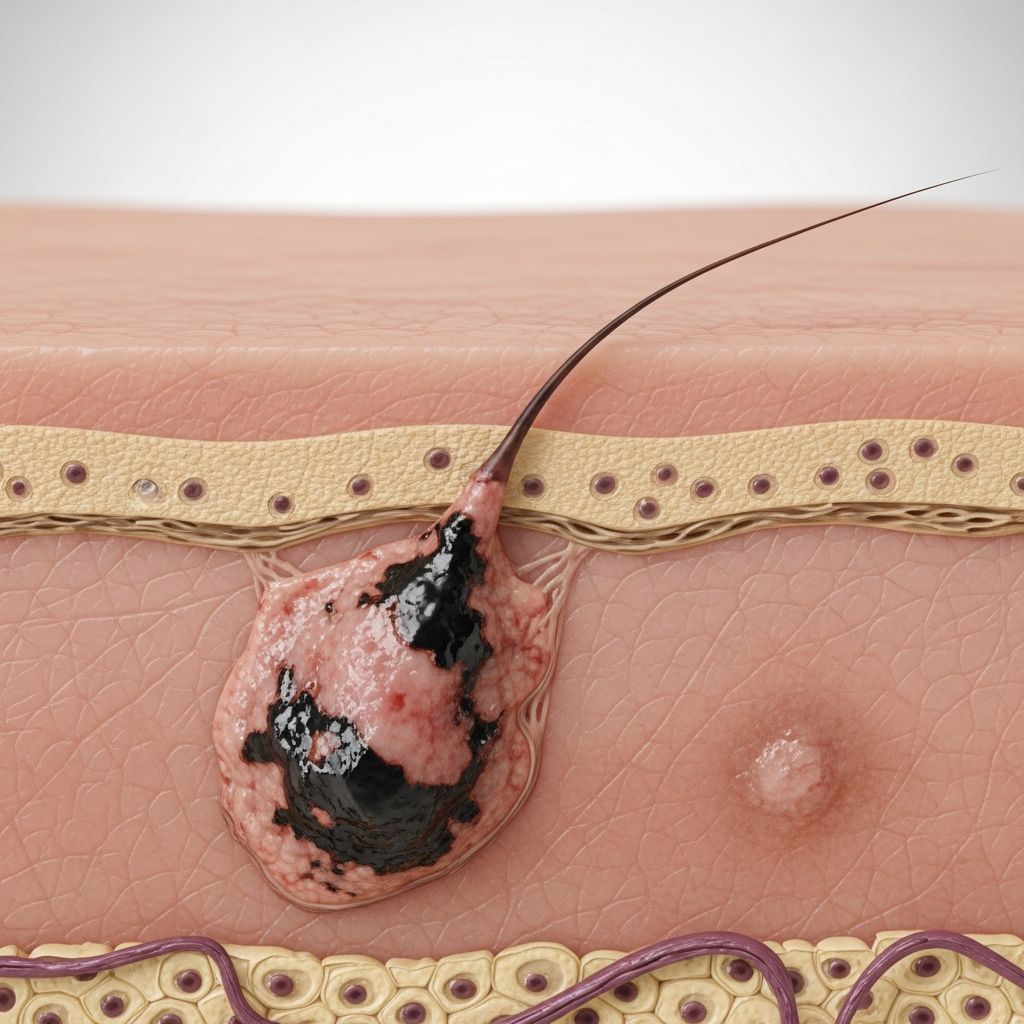
- Melanoma: Aggressive cancer from melanocytes, responsible for most skin cancer deaths. Triggered by UV-induced genetic alterations leading to uncontrolled growth. Often appears in sun-exposed areas but can occur anywhere, including palms and soles in darker skin tones.
Skin Cancer Symptoms
The primary warning sign is a new growth, changing mole, or skin patch. Use the ABCDE rule for melanoma: Asymmetry, Border irregularity, Color variation, Diameter over 6mm, Evolving changes. Other symptoms include:
- Pearly or waxy bumps (BCC)
- Firm red nodules or flat sores that bleed/crust (SCC)
- Darkly pigmented lesions with uneven edges (melanoma)
- Itching, tenderness, or non-healing sores
In darker skin, cancer may appear on non-sun-exposed areas like palms, soles, or mucous membranes, often diagnosed later.
Skin Cancer Causes and Risk Factors
The main cause is UV radiation from the sun or tanning beds damaging DNA, causing mutations. Cumulative exposure increases risk, especially with sunburns.
Risk Factors:
- Fair skin, light hair/eyes, freckles
- Family/personal history of skin cancer
- Many moles (>50) or atypical moles
- Weakened immune system (organ transplant, HIV)
- History of radiation therapy or burns
- Older age (>50), male sex post-50
- UV exposure via tanning beds, especially before age 30
Non-Hispanic whites are 30 times more likely than Black or Asian individuals. Genetic factors and viruses like beta-HPV contribute to SCC/BCC.
Skin Cancer Prevention
Prevention focuses on minimizing UV exposure:
- Seek shade, especially 10am-4pm
- Wear protective clothing, hats, UV-blocking sunglasses
- Use broad-spectrum SPF 30+ sunscreen, reapply every 2 hours
- Avoid tanning beds
- Perform monthly self-exams using ABCDE
- Get annual dermatologist skin checks
Related Stories



These measures can reduce risk by up to 50%.
Skin Cancer Diagnosis
Diagnosis begins with a full skin exam by a dermatologist, checking scalp, ears, nails, genitals, and between toes. Suspicious lesions prompt a skin biopsy: punch, shave, or excisional. Pathology confirms type and stage. Dermoscopy or imaging aids further evaluation.
Skin Cancer Stages
Staging indicates spread:
| Stage | Description |
|---|---|
| 0 | Carcinoma in situ (non-invasive) |
| I-II | Localized, small tumors |
| III | Spread to nearby lymph nodes |
| IV | Metastatic to distant organs |
Melanoma staging uses Breslow depth, ulceration, and nodes. Early stages (0-II) have >90% cure rates.
Skin Cancer Treatment
Treatment depends on type, size, location, and stage. Early cancers are often cured outpatient.
- Surgery: Excision, Mohs micrographic surgery (precise for face), curettage & electrodesiccation (ED&C) for low-risk BCC/SCC.
- Topical Therapies: Imiquimod, 5-FU for superficial lesions.
- Cryotherapy: Freezing small precancers.
- Radiation: For non-surgical candidates.
- Systemic: Chemotherapy, immunotherapy (PD-1 inhibitors for melanoma), targeted therapy (BRAF inhibitors).
- Emerging: Photothermal therapy, nanotechnology to overcome resistance.
Mohs surgery cures >99% early BCC/SCC. Advanced melanoma may require lymph node dissection.
Mechanism of Skin Cancer Progression
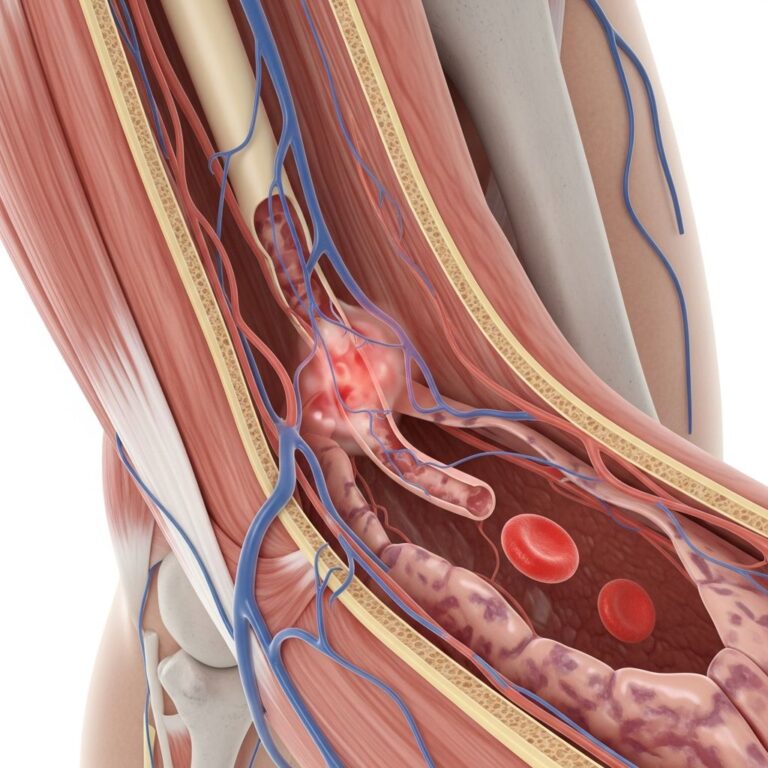
Progression involves UV-induced DNA damage, p53 mutations, oncogene activation, immune evasion, and neoantigen formation. Precancers like actinic keratosis precede SCC/BCC. T-cell immunosuppression aids tumor growth; beta-HPV links to SCC in immunocompromised. Melanoma metastasizes via bloodstream/lymphatics, retaining primary type identity.
Living With Skin Cancer
Post-treatment, regular follow-ups monitor recurrence (every 3-12 months). Protect skin lifelong, self-exam monthly. Most survive if caught early, but metastasis reduces prognosis. Support includes counseling for emotional impact.
Frequently Asked Questions (FAQs)
Is skin cancer curable?
Yes, nearly 100% curable if detected early before spreading.
Who gets skin cancer most?
Fair-skinned individuals over 50, but anyone with UV exposure is at risk.
Does sunscreen prevent skin cancer?
Broad-spectrum SPF 30+ reduces risk by 50% when used properly.
Can skin cancer occur indoors?
Yes, via tanning beds or windows transmitting UVA.
How often should I check my skin?
Monthly self-exams and annual professional checks.
References
- Skin cancer: understanding the journey of transformation from actinic keratosis to squamous cell carcinoma and future horizons of its imaging and treatment modalities using nanotechnology — Patel P, et al. PMC. 2023-10-11. https://pmc.ncbi.nlm.nih.gov/articles/PMC10559482/
- Skin Cancer: Symptoms, Types & Treatment — Cleveland Clinic. 2024-05-01. https://my.clevelandclinic.org/health/diseases/15818-skin-cancer
Similar Articles








Read full bio of Sneha Tete