Skin Cancer Signs And Symptoms: 5 ABCDE Warning Signs
Recognize early warning signs of skin cancer, from ABCDE moles to non-healing sores, for timely detection and treatment.
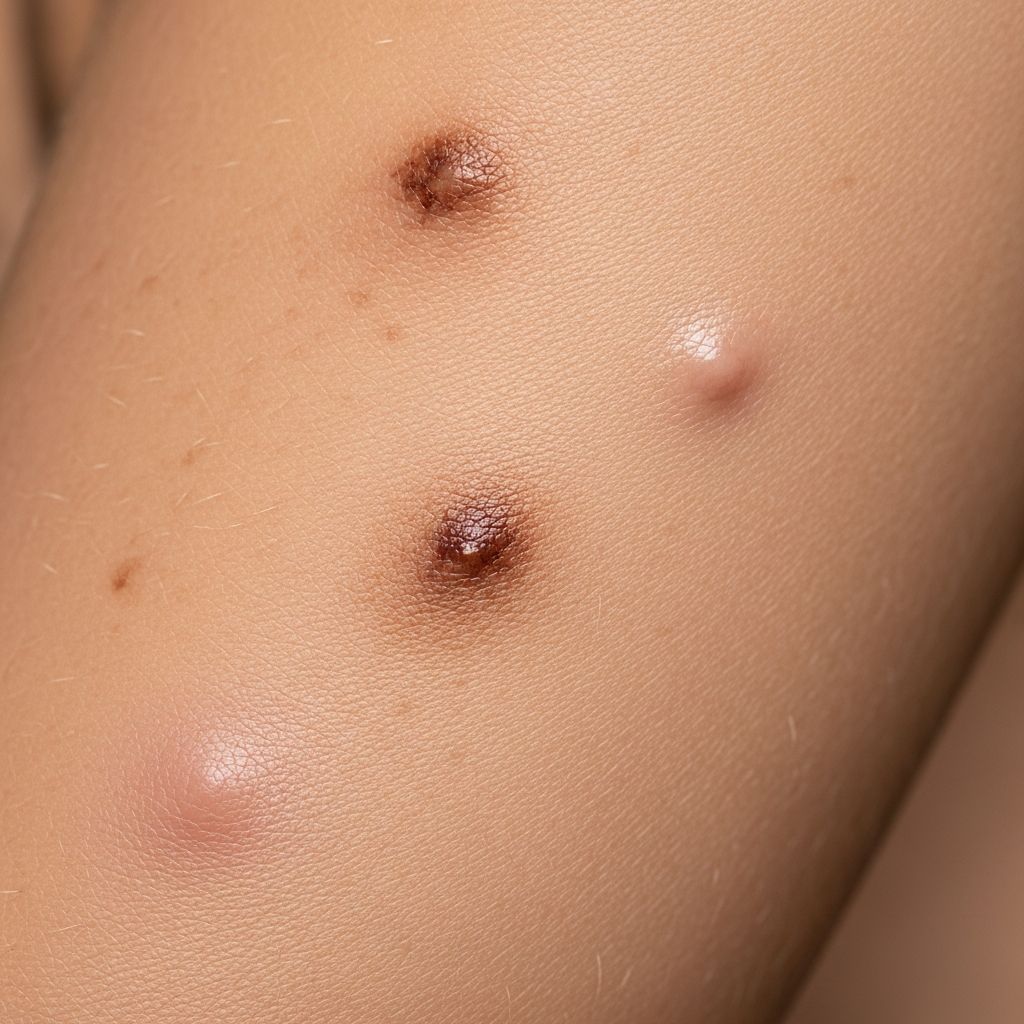
Skin cancer is the most common cancer in the United States, affecting about 1 in 5 people in their lifetime, with early detection dramatically improving treatability. Common signs include new skin growths, changes in existing moles, sores that do not heal, or spots with irregular features, particularly following the ABCDE rule for melanoma.
What Are the Signs of Skin Cancer?
The primary indicators of skin cancer are visible changes on the skin. These can manifest as a new bump or patch, a sore that fails to heal within weeks, or alterations in the size, shape, color, or texture of an existing mole or spot. According to the National Institutes of Health (NIH), anyone noticing such changes should consult a doctor promptly, as melanomas caught early are far more treatable. Cleveland Clinic emphasizes that symptoms vary by type but often involve new growths or evolving lesions.
- New growth or lump: A pearly or waxy bump, often on sun-exposed areas like the face.
- Non-healing sore: A red, crusty patch that bleeds or oozes persistently.
- Scaly or rough patch: Similar to actinic keratosis, which can progress to cancer.
- Changes in moles: Using the ABCDE criteria for closer inspection.
MD Anderson notes additional symptoms like itchy, painful, or bleeding spots that warrant attention.
Types of Skin Cancer
Skin cancer primarily falls into three main categories: basal cell carcinoma (BCC), squamous cell carcinoma (SCC), and melanoma, with rarer types like Merkel cell and cutaneous T-cell lymphoma. Each presents distinct symptoms, but all stem from UV damage causing uncontrolled cell growth.
| Type | Common Locations | Key Characteristics |
|---|---|---|
| Basal Cell Carcinoma (BCC) | Face, ears, neck, scalp | Pearly nodule with visible blood vessels; rarely metastasizes but can invade locally. |
| Squamous Cell Carcinoma (SCC) | Sun-exposed arms, legs, face | Firm red nodule or flat sore that ulcerates; can spread if untreated. |
| Melanoma | Anywhere, including soles, palms | Irregular mole with ABCDE features; most dangerous due to metastasis potential. |
Other types, such as Merkel cell carcinoma, appear as rapid-growing shiny nodules, often on the head or neck.
Melanoma: The ABCDE Rule
Melanoma, the deadliest skin cancer, is identified by the ABCDE rule, a mnemonic for suspicious features. Early recognition using this tool can save lives, as advanced melanomas are harder to treat.
- A – Asymmetry: One half of the mole does not match the other in shape.
- B – Border: Edges are irregular, ragged, notched, or blurred.
- C – Color: Varied shades of brown, black, red, white, or blue within the same lesion.
- D – Diameter: Larger than 6mm (pencil eraser size), though smaller ones can be malignant.
- E – Evolving: Any change in size, shape, color, or symptoms like itching or bleeding over weeks or months.
Not all melanomas follow ABCDE perfectly; some may lack pigment (amelanotic melanoma). The NIH stresses that evolving spots demand immediate medical evaluation.
Signs of Basal Cell Carcinoma
BCC, the most common type, grows slowly and rarely spreads but can cause significant local damage if ignored. Typical signs include a translucent bump resembling a pearl, with rolled edges and tiny blood vessels visible on the surface (telangiectasia). Other presentations:
Related Stories



- A flat, scar-like lesion that’s white, yellow, or waxy.
- A bleeding or scabbing sore that repeatedly heals and reopens.
- A pink growth with raised edges and crusted center.
These often appear on sun-damaged skin. Cleveland Clinic reports BCC accounts for about 80% of skin cancers.
Signs of Squamous Cell Carcinoma
SCC develops from flat squamous cells and is more aggressive than BCC, with a risk of metastasis. Warning signs include a persistent, scaly red patch, a firm red nodule, or a sore with a depressed center that bleeds easily. MD Anderson highlights itchy or tender spots as early indicators.
- Warty growth that crusts and bleeds.
- Rough, thickened skin resembling a raspberry.
These frequently occur on the lips, ears, or hands. Unlike BCC, SCC can spread to lymph nodes if not treated early.
Rare Types of Skin Cancer
Less common forms include Merkel cell carcinoma (fast-growing red or violet nodule), dermatofibrosarcoma protuberans (plump reddish plaque), and sebaceous gland carcinoma (yellowish bump near the eye). Kaposi sarcoma presents as purple patches in immunocompromised individuals. These require specialized diagnosis due to rarity.
Skin Cancer Pictures: What to Look For
Visual examples aid recognition: BCC often shows pearly domes; SCC red ulcers; melanoma asymmetrical multicolored patches. (Note: Consult dermatology resources or professionals for images, as self-diagnosis is not recommended.) Changes in non-sun-exposed areas, like palms in darker skin tones, signal higher risk.
Risk Factors for Skin Cancer
While anyone can develop skin cancer, certain factors elevate risk:
- Fair skin, light hair/eyes, freckling.
- History of sunburns, especially blistering.
- Many moles or atypical moles.
- Family history of melanoma.
- Weakened immune system (e.g., organ transplant).
- Older age; more common in men post-50.
UV exposure from sun or tanning beds is the primary cause, damaging skin cell DNA.
When to See a Doctor
Seek immediate care for any ABCDE mole, new growth, non-healing sore, or changing spot. Annual dermatologist exams are advised, especially for high-risk individuals. Self-check monthly: use a mirror for full-body scan, including scalp, genitals, and between toes. Biopsy confirms diagnosis; stages range from 0 (in situ) to IV (metastatic).
Skin Cancer Prevention Tips
Prevention focuses on UV protection:
- Apply broad-spectrum SPF 30+ sunscreen daily, reapply every 2 hours.
- Wear protective clothing, hats, sunglasses.
- Avoid tanning beds and peak sun (10 AM-4 PM).
- Perform regular self-exams.
- Stay in shade when possible.
These steps reduce incidence significantly.
Treatment Overview
Early-stage treatment often involves excision or Mohs surgery (precise removal layer-by-layer). Advanced cases may require cryotherapy, radiation, chemotherapy, immunotherapy, or targeted therapy. Prognosis is excellent for localized cancers (over 99% survival for early melanoma).
Frequently Asked Questions (FAQs)
What is the first sign of skin cancer?
The most common early sign is a new spot or change in an existing mole, such as asymmetry or irregular borders.
Can skin cancer appear suddenly?
Yes, some lesions like nodular melanoma can develop rapidly over weeks.
Is skin cancer itchy?
It can be; itchy or painful spots are red flags, especially if persistent.
How is skin cancer diagnosed?
Via physical exam, dermoscopy, and biopsy to examine cells under a microscope.
Does skin cancer always show on sun-exposed areas?
No, it can occur anywhere, including palms and soles, particularly in darker skin tones.
Can skin cancer be cured?
Yes, especially if caught early; most non-melanoma cancers are cured with surgery.
References
- Signs and Symptoms of Skin Cancer — National Center for Biotechnology Information (NCBI), National Institutes of Health (NIH). 2014 (authoritative Surgeon General’s Call to Action). https://www.ncbi.nlm.nih.gov/books/NBK247171/
- Skin Cancer: Symptoms, Types & Treatment — Cleveland Clinic. 2023-10-27 (last updated). https://my.clevelandclinic.org/health/diseases/15818-skin-cancer
- 9 Top Skin Cancer Symptoms & Signs — MD Anderson Cancer Center. 2024 (accessed recent). https://www.mdanderson.org/cancer-types/skin-cancer/skin-cancer-symptoms.html
Similar Articles








Read full bio of Sneha Tete