Skin Cancer: Symptoms, Types & Treatment
Understanding skin cancer: Learn about symptoms, types, treatments, and prevention strategies for early detection and cure.
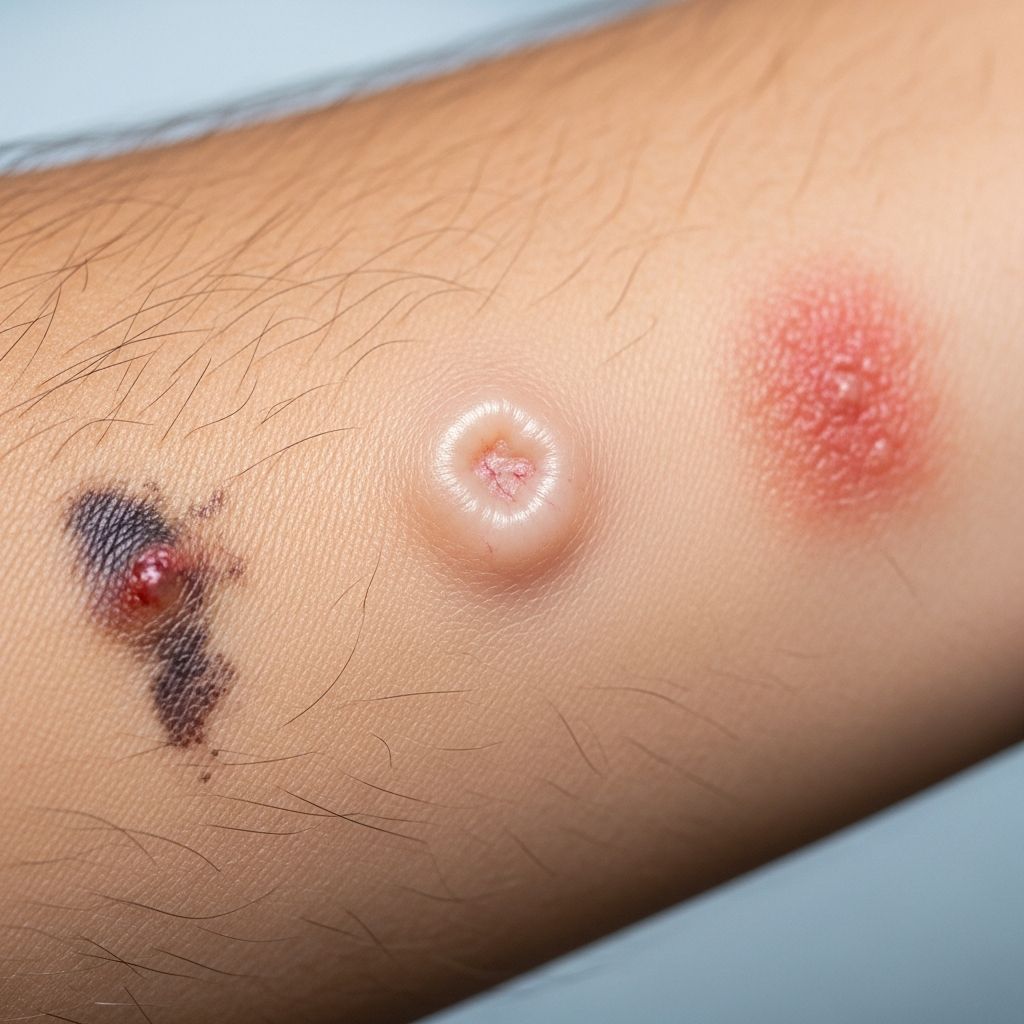
Skin cancer represents the most prevalent form of cancer in the United States, with cases continuing to rise each year. This condition occurs when there is an abnormal growth of skin cells, typically triggered by exposure to ultraviolet (UV) light and other environmental factors. The encouraging news is that with early detection and appropriate treatment, most skin cancers can be successfully cured. Understanding the symptoms, types, and available treatment options is essential for anyone concerned about their skin health.
What Is Skin Cancer?
Skin cancer develops when something disrupts the normal growth pattern of skin cells. While healthy cells grow and divide in an orderly manner, cancerous skin cells grow and divide rapidly and haphazardly. This abnormal cell growth can result from prolonged sun exposure, genetic predisposition, immune system dysfunction, or other environmental factors. Although most skin cancers affect adults, dermatologists also treat skin cancers in children, making awareness important for families of all ages.
Types of Skin Cancer
There are three primary types of skin cancer, each with distinct characteristics and treatment approaches:
Basal Cell Carcinoma
Basal cell carcinoma (BCC) is the most common form of skin cancer, accounting for the majority of all skin cancer diagnoses. This cancer develops in the basal cells located at the bottom of the epidermis, the outermost layer of skin. BCC typically appears as a small, raised bump or patch that may be pearly, waxy, or translucent. It often develops on areas exposed to the sun, such as the face, ears, and hands. The good news is that non-melanoma skin cancers like BCC are highly treatable, especially when caught early.
Squamous Cell Carcinoma
Squamous cell carcinoma (SCC) is the second most common form of skin cancer and develops in the squamous cells that comprise much of the skin’s upper layers. These cells produce keratin, a protein that helps form the skin’s outer barrier. SCC typically appears as a firm, red nodule or a flat, scaly patch on sun-exposed areas. While squamous cell carcinoma is generally less aggressive than melanoma, it requires prompt treatment to prevent potential spread to other areas.
Melanoma
Melanoma is the most dangerous form of skin cancer, developing from melanocytes—the cells responsible for producing pigment in your skin. Although melanoma represents a smaller percentage of all skin cancers, it accounts for the majority of skin cancer deaths because it can spread quickly to other parts of the body. Early detection significantly improves outcomes, with most melanomas being highly treatable when identified in their initial stages before spreading.
Symptoms and Warning Signs
Recognizing the early warning signs of skin cancer is crucial for timely diagnosis and treatment. Individuals should watch for:
- New bumps or patches appearing on the skin
- Changes in the size, shape, or color of existing skin growths
- A sore that doesn’t heal within three weeks
- Itching, bleeding, or oozing from a skin lesion
- A flat or slightly raised lesion with an irregular border
The ABCDEs of Melanoma
The ABCDEs of melanoma provide an easy-to-remember framework for identifying suspicious moles and skin changes:
- Asymmetry: One half of the mole doesn’t match the other half
- Border: The edges are irregular, scalloped, or poorly defined
- Color: Multiple colors are present, such as brown, black, tan, red, or white
- Diameter: The mole is larger than a pencil eraser (about 6 millimeters)
- Evolving: The mole is changing in size, shape, or color over time
Related Stories



Risk Factors for Skin Cancer
While anyone can develop skin cancer, certain factors increase your risk. Understanding these risk factors can help you take appropriate preventive measures:
- Excessive exposure to ultraviolet (UV) radiation from the sun or tanning beds
- Fair skin that burns easily and tans poorly
- A personal or family history of skin cancer
- Atypical moles (dysplastic nevi) or a large number of moles
- A weakened immune system
- Intense sun exposure during childhood or adolescence
- A history of painful sunburns
- Advanced age
Diagnosis and Screening
Early detection through regular skin examinations significantly improves treatment outcomes. A dermatologist’s comprehensive evaluation includes both professional examination and patient history.
Clinical Skin Examination
During a professional skin examination, a dermatologist will ask about any changes you’ve noticed in existing moles, freckles, or other skin spots, as well as any new skin growths. The provider will then examine all areas of your skin, including often-overlooked locations such as your scalp, ears, palms, soles of feet, between toes, around genitals, and between buttocks.
Skin Biopsy
If a dermatologist suspects skin cancer, they may perform a biopsy. During this procedure, a small sample of tissue is removed and sent to a laboratory where a pathologist examines it under a microscope. The biopsy results will confirm whether skin cancer is present, identify the specific type, and inform treatment decisions. Your dermatologist will discuss the findings and available treatment options with you following the biopsy results.
Treatment Options
Treatment for skin cancer depends on the type, stage, size, and location of the cancer. Multiple treatment approaches are available, and your healthcare provider will recommend the most appropriate option for your specific situation.
Surgical Treatments
Mohs Micrographic Surgery: This specialized technique is used to treat high-risk skin cancers. A scalpel is used to remove the tumor and a thin layer of surrounding tissue. The surgeon then examines 100 percent of the margin under a microscope, ensuring complete removal while preserving as much healthy tissue as possible. Mohs micrographic surgery has a 99% effectiveness rate as a first-time skin cancer treatment for basal cell carcinoma and squamous cell carcinoma.
Excisional Surgery: This procedure involves removing the tumor and surrounding healthy skin with a standard margin. The surgeon carefully removes the lesion and a predetermined amount of surrounding normal tissue to reduce the likelihood of cancer recurrence.
Curettage and Electrosurgery: This approach uses an instrument to scrape away tumor cells, followed by electrosurgery to destroy remaining cancer cells. This method is most commonly used for superficial tumors in non-high-risk locations.
Cryosurgery: This treatment freezes the tumor with liquid nitrogen, destroying the cancer cells. This approach is often used for small, superficial lesions and precancerous growths.
Topical and Non-Surgical Treatments
Topical Chemotherapy/Immunotherapy: These medications are sometimes applied directly to the skin to treat superficial skin cancers or precancerous lesions. Topical treatments offer a non-invasive option for certain types of skin cancer.
Radiation Therapy
Radiation therapy may be recommended for patients who cannot undergo surgery or when the cancer has characteristics suggesting higher risk of recurrence or spread. This treatment uses high-energy beams to destroy cancer cells.
Advanced Treatment for Widespread Cancer
If skin cancer spreads beyond the skin to organs or surrounding tissue, additional medical therapies may be recommended. These include:
- Systemic chemotherapy
- Targeted therapy (specialized drug therapy targeting specific cancer cell characteristics)
- Immunotherapy (treatments that harness the immune system to fight cancer)
Reconstructive Surgery
For patients who have had large or complex skin cancer removals, reconstructive surgery options are available. These procedures help restore normal appearance and function following cancer treatment.
Prognosis and Outcomes
The prognosis for skin cancer varies based on the type and stage at diagnosis. Most skin cancers can be cured if treated before they spread. However, more advanced cases, particularly advanced melanoma, can be life-threatening. The earlier skin cancer is found and removed, the better your chances for a full recovery. Early detection through regular self-examination and professional screening significantly improves treatment outcomes and survival rates.
Prevention Strategies
Preventing skin cancer involves protecting your skin from harmful UV radiation and monitoring for suspicious changes:
- Apply broad-spectrum sunscreen with SPF 30 or higher daily, even on cloudy days
- Reapply sunscreen every two hours or after swimming
- Seek shade during peak sun hours (10 a.m. to 4 p.m.)
- Wear protective clothing, including hats and sunglasses
- Avoid tanning beds and sun lamps
- Perform monthly skin self-examinations using the ABCDE method
- Schedule annual professional skin examinations with a dermatologist
- Pay special attention to sun protection during childhood and adolescence
Clinical Trials and Research
Some patients with skin cancer may have the opportunity to participate in clinical trials. These research programs are conducted with patients to evaluate new medical treatments, drugs, or devices. Clinical trials provide access to cutting-edge therapies and contribute to advancing cancer care. If you’re interested in learning about available clinical trials for your specific type of skin cancer, ask your healthcare provider about opportunities that may be appropriate for your situation.
When to See a Dermatologist
You should consult a dermatologist if you notice any new skin growths, changes in existing moles or spots, or if you have risk factors for skin cancer. Regular professional skin examinations are particularly important if you have:
- A personal or family history of skin cancer
- Atypical moles
- Fair skin that burns easily
- A history of significant sun exposure
Frequently Asked Questions
Q: How quickly does skin cancer develop?
A: Skin cancer development varies depending on the type and individual factors. Some skin cancers develop slowly over years, while others may progress more rapidly. Regular skin examinations help catch cancers in early stages before significant progression occurs.
Q: Can skin cancer come back after treatment?
A: While many skin cancers are cured with appropriate treatment, there is a possibility of recurrence or new skin cancers developing. This is why ongoing monitoring and continued sun protection are important after treatment.
Q: Is all skin cancer caused by sun exposure?
A: While UV radiation is the primary cause of most skin cancers, other factors such as genetic predisposition, immune system function, and exposure to certain chemicals can also contribute to skin cancer development.
Q: Can I get skin cancer from a tanning bed?
A: Yes, tanning beds emit UV radiation that can increase skin cancer risk. The UV exposure from tanning beds is comparable to natural sunlight and should be avoided as part of skin cancer prevention.
Q: What should I do if I find a suspicious mole?
A: Schedule an appointment with a dermatologist as soon as possible. Don’t attempt to remove or treat the mole yourself. A professional evaluation will determine whether the lesion requires further investigation or treatment.
References
- Skin Cancer: Symptoms, Types & Treatment — Cleveland Clinic. 2024. https://my.clevelandclinic.org/health/diseases/15818-skin-cancer
- Basal Cell Carcinoma: What it is, Symptoms & Treatment — Cleveland Clinic. 2022. https://my.clevelandclinic.org/health/diseases/4581-basal-cell-carcinoma
- Melanoma: Symptoms, Staging & Treatment — Cleveland Clinic. 2024. https://my.clevelandclinic.org/health/diseases/14391-melanoma
- ABCDEs of Melanoma: Warning Signs of Skin Cancer — Cleveland Clinic. 2024. https://my.clevelandclinic.org/health/diagnostics/8648-skin-self-exam
- Non-Melanoma Skin Cancer Treatment Program — Cleveland Clinic. 2024. https://my.clevelandclinic.org/departments/cancer/depts/non-melanoma-skin-cancer
- What Is Mohs Surgery for Skin Cancer? — Cleveland Clinic. 2023. https://my.clevelandclinic.org/services/mohs-micrographic-surgery
Similar Articles








Read full bio of medha deb