Skin Cancer: Comprehensive Guide To Signs, Diagnosis, Treatment
Comprehensive guide to skin cancer types, causes, diagnosis, treatment, and prevention strategies for early detection and cure.
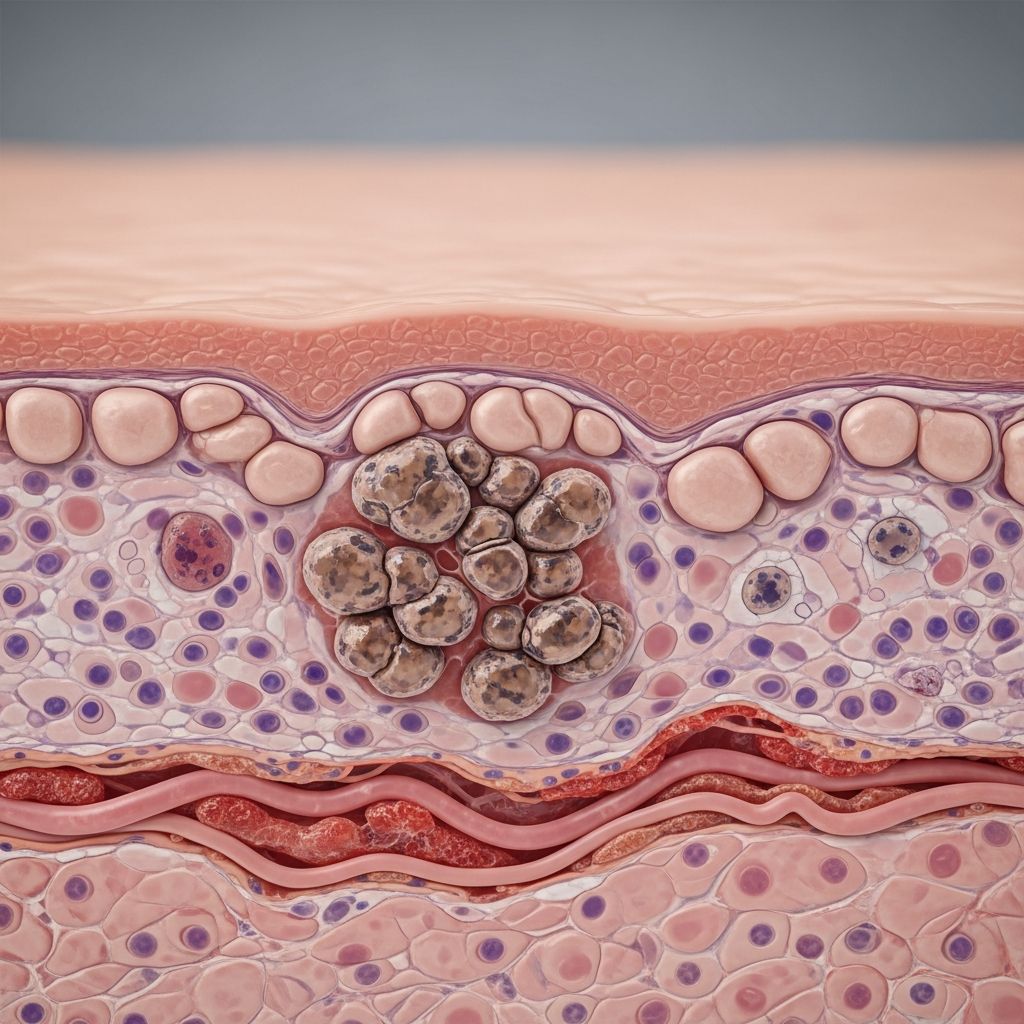
Skin cancers are malignant tumours arising from uncontrolled proliferation of skin cells, primarily keratinocytes or melanocytes, contrasting with normal controlled skin regeneration. The most common types are basal cell carcinoma (BCC), squamous cell carcinoma (SCC), and melanoma, with non-melanoma skin cancer (NMSC) referring to BCC and SCC collectively. Early detection allows cure in most cases through surgical excision.
What is skin cancer?
Skin cancer develops when skin cells undergo genetic damage leading to uncontrolled growth. BCC originates from basal keratinocytes in the epidermis, SCC from squamous cells, and melanoma from melanocytes producing pigment. Genetic conditions like xeroderma pigmentosum or basal cell naevus syndrome can predispose individuals. Globally, skin cancer incidence rises due to UV exposure, with NMSC being the most frequent cancer worldwide.
Who gets skin cancer?
Risk factors include fair skin that burns easily, red or blond hair, blue eyes, family or personal history of skin cancer, multiple sunburns especially in childhood, high sun exposure (outdoor workers, sunny climates), tanning bed use, and weakened immune systems. People with skin of colour have lower rates but higher mortality from delayed diagnosis, often on palms, soles, or mucous membranes. In New Zealand, early-stage melanoma affects stages 0-2, linked to UV damage.
What causes skin cancer?
Primary cause is ultraviolet (UV) radiation from sun or artificial sources damaging DNA in skin cells. Cumulative exposure drives SCC, intermittent intense exposure (sunburns) drives melanoma and BCC. Other factors: immunosuppression, arsenic exposure, HPV for SCC, and genetic mutations.
What are the signs and symptoms of skin cancer?
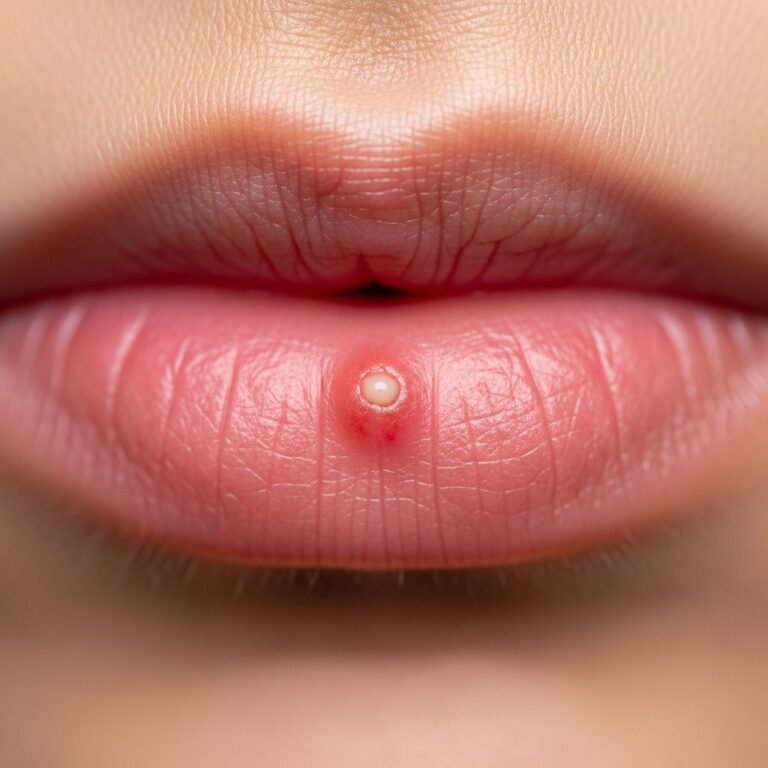
Skin cancers present as progressive lumps, nodules, ulcers, or changing lesions. BCC: pearly nodule with telangiectasia, rolled edges, non-healing ulcer. SCC: hyperkeratotic plaque, crateriform ulcer. Melanoma: ABCDE rule—asymmetry, border irregularity, colour variation, diameter >6mm, evolving. Advanced signs: pain, bleeding, necrosis, lymphadenopathy, or distant metastases. Self-skin exam warning signs: colour changes, size increase >6mm, texture changes, irregular outline.
Full body skin check
Primary care physicians should perform systematic full-body skin exams, using ABCDE for melanoma, ugly duckling sign, and dermoscopy three-point checklist (asymmetry, atypical network, blue-white structures) for high sensitivity. Examine front/back, sides, arms, legs, hands, feet, scalp, genitals. Educate patients on monthly self-checks.
Diagnosis
Diagnosis is clinical by dermatologist or GP via history, inspection, full skin exam. Confirm with biopsy: excision, punch, shave, or curettage. Dermoscopy, confocal microscopy, mole mapping aid. Pathology reports detail Breslow thickness, ulceration, Clark level (less used), margins, mitosis, regression. Staging per AJCC: Stage 0 (in situ), Stage 1 (≤2mm), Stage 2 (>2mm no nodes), Stage 3 (nodes), Stage 4 (distant). Sentinel lymph node biopsy for >1mm thick melanomas.
Related Stories



| Stage | Description |
|---|---|
| 0 (in situ) | Abnormal cells in epidermis |
| 1 | ≤2mm thick, ± ulceration, no spread |
| 2 | >2mm thick, no nodes/distant spread |
| 3 | Any thickness to lymph nodes/vessels |
| 4 | Distant metastases |
Treatment of skin cancer
Early skin cancer is curable surgically under local anaesthetic. Techniques:
- Excisional surgery with margins (melanoma: 0.5-2cm based on thickness)
- Mohs micrographic surgery for high-risk BCC/SCC (99% cure rate)
- Curettage and cautery/electrodesiccation for superficial lesions
- Cryotherapy, photodynamic therapy (PDT), imiquimod, 5-FU for superficial
Advanced BCC: vismodegib/sonidegib (Hedgehog inhibitors). Metastatic melanoma: immunotherapy (pembrolizumab, nivolumab), targeted therapy (BRAF/MEK inhibitors), radiation. Lymph node dissection if positive sentinel node.
Follow-up after skin cancer treatment
High recurrence risk; advise self-skin exams, sun protection, clinician checks: every 3-6 months initially, then annually. Regular check-ups post-melanoma surgery include skin exams, lymph node checks. Vitamin D supplementation if avoiding sun.
Prevention of skin cancer
Avoid midday sun (10am-4pm), seek shade, wear UPF clothing, broad-brim hats, UV sunglasses. Daily SPF50+ sunscreen reapplied every 2 hours, more if swimming/sweating. Avoid tanning beds. Identify family at risk.
Advanced skin cancer complications
Neglected cancers cause local invasion, pain, bleeding, functional impairment, metastases (lungs, liver for melanoma/SCC; rare for BCC). Mortality higher in advanced melanoma.
Frequently Asked Questions
What is the most common skin cancer?
BCC, followed by SCC; melanoma is deadliest but less common.
How is melanoma staged?
By thickness (Breslow), ulceration, nodal/distant spread per AJCC.
Can skin cancer be cured?
Yes, early detection and surgery cure >95%.
What sunscreen to use?
SPF50+ broad-spectrum, water-resistant.
Who needs sentinel node biopsy?
Melanoma >1mm thick or 0.8mm with ulceration.
References
- A Guide for People with Early-Stage Melanoma of the Skin — Cancer Society of New Zealand. 2023. https://www.cancer.org.nz/assets/Downloads/Booklet-a-guide-for-people-with-early-stage-melanoma-of-the-skin.pdf
- Dermatological guide for primary care physicians: full body skin examination — PMC (NCBI). 2024-05-29. https://pmc.ncbi.nlm.nih.gov/articles/PMC11188824/
- Skin cancer – DermNet — DermNet NZ. 2024. https://dermnetnz.org/topics/skin-cancer
- Melanoma Skin Cancer: Images, Diagnosis, and Treatment – DermNet — DermNet NZ. 2024. https://dermnetnz.org/topics/melanoma
- Dermoscopy. Three-point checklist – DermNet — DermNet NZ. 2008 (updated). https://dermnetnz.org/cme/dermoscopy-course/three-point-checklist
Similar Articles








Read full bio of medha deb