Skin Changes At Puberty: A Comprehensive Guide For Teens
Understanding the hormonal skin transformations during puberty, from acne to hair growth and pigmentation shifts.
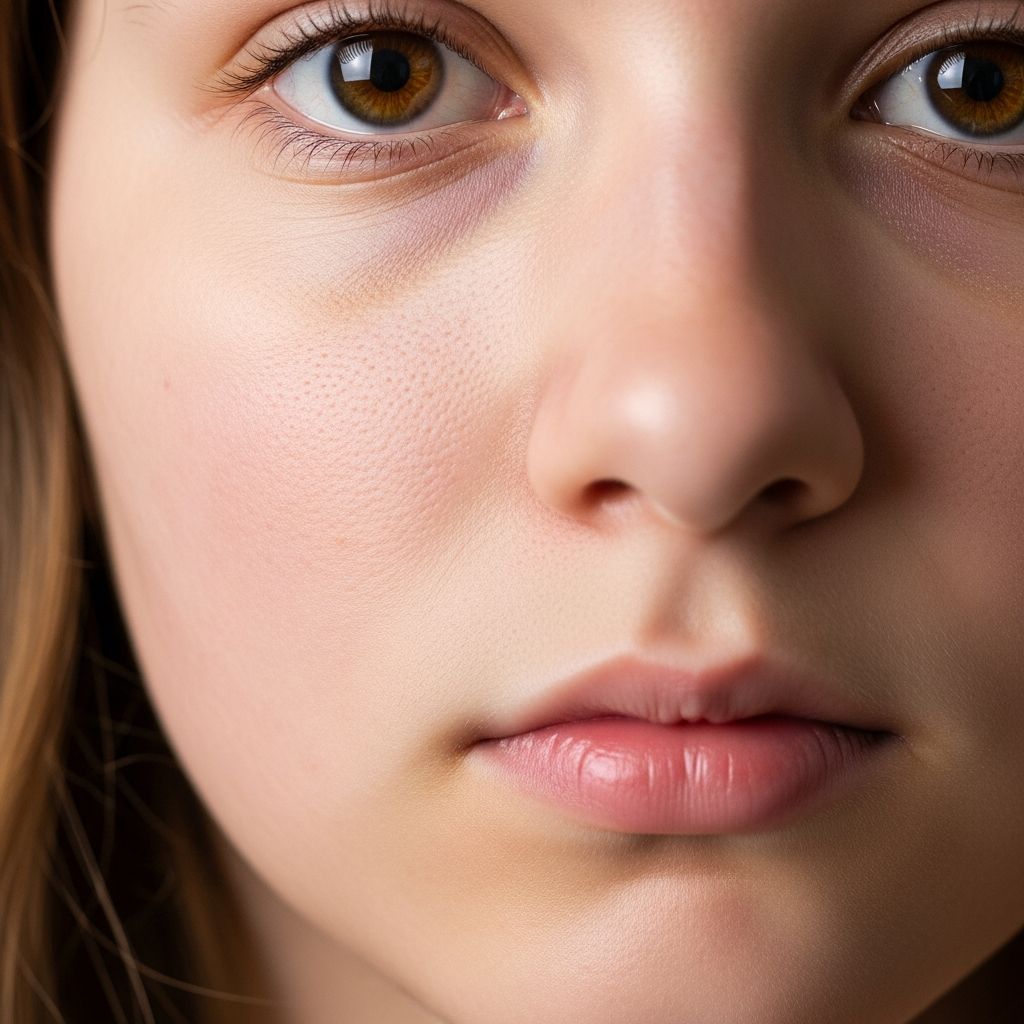
Skin Changes at Puberty
Puberty marks a transformative phase where hormonal surges profoundly alter the skin, leading to increased oil production, hair growth, sweating, and vulnerability to specific dermatological conditions. These changes, primarily driven by androgens like testosterone, affect sebum glands, apocrine sweat glands, and pilosebaceous units, often resulting in acne, body odor, and pigmentation shifts.
What is Puberty?
Puberty is the developmental period when individuals achieve physical maturity and reproductive capability through sexual maturation. It involves the emergence of
secondary sexual characteristics
such as breast development in girls, genital growth in boys, and pubic/axillary hair in both. Accompanying this are psychosocial adjustments as adolescents navigate identity and independence.The process begins with the hypothalamus releasing
gonadotrophin-releasing hormone (GnRH)
, stimulating the pituitary gland to secrete follicle-stimulating hormone (FSH) and luteinizing hormone (LH). These target the gonads, boosting estrogen in females and testosterone in males, which orchestrate systemic changes including skin alterations.What is Adolescence?
Adolescence bridges childhood and adulthood, encompassing puberty alongside psychological and social maturation. Though often linked to ages 10-19, its duration varies widely due to genetic, nutritional, and environmental factors. Skin undergoes heightened activity in sebaceous and apocrine glands, influenced by surging sex hormones.
Tanner Stages of Puberty
Developed by James Tanner, these stages quantify pubertal progression via pubic hair, genital, and breast development. They provide a standardized framework for assessing maturity.
Pubic Hair Development
| Stage | Boys |
|---|---|
| 1 | Prepubertal; no pubic hair |
| 2 | Sparse growth of long, slightly pigmented hair at penis base |
| 3 | Hair darker, coarser, curly; spreads sparsely over pubis |
| 4 | Adult-like but confined to pubis; does not extend to thighs |
| 5 | Adult quantity, spread to medial thighs |
| Stage | Girls |
|---|---|
| 1 | Prepubertal; no pubic hair |
| 2 | Sparse, straight hair along lateral vulva |
| 3 | Darker, coarser hair over mid-pubis |
| 4 | Adult-like but does not extend to thighs |
| 5 | Adult-like, extending to medial thighs |
Genital Development in Boys
| Stage | Description |
|---|---|
| 1 | Prepubertal |
| 2 | Scrotum, testes enlarge; scrotal skin reddens/thins |
| 3 | Penis lengthens; testes continue enlarging |
| 4 | Penis broadens; glans develops; scrotum darkens |
| 5 | Adult genitalia |
Breast Development in Girls
| Stage | Description |
|---|---|
| 1 | Prepubertal elevation only of papilla |
| 2 | Breast bud; areola widens |
| 3 | Breast, areola enlarge without separation |
| 4 | Areola, papilla form secondary mound above breast |
| 5 | Areola recedes to breast contour; papilla projects |
Timing of Puberty
Puberty timing varies: girls typically start at 8-13 years (breast budding at ~10 for white North Americans, ~9 for African Americans; menarche ~13, range 10-16.5). Boys begin 9-14 years, with peak growth spurt at 13.5. Factors include genetics, nutrition, ethnicity, and environment.
Hormones Responsible for Skin Changes
**Testosterone**, rising in both sexes, drives key skin shifts: elevated
sebum production
clogs pores leading to acne; activatesapoeccrine glands
in axillae for sweat and odor; promotespubic/axillary hair
. Estrogen influences menstrual-related flares in conditions like eczema or psoriasis.Skin Microbiome Changes
Pubertal sebum surge favors
lipophilic bacteria
(e.g., Cutibacterium acnes) on face, scalp, trunk, lowering skin pH and curbing pathogens like staphylococci. Increased apocrine activity and hair density further reshape the microbiome.Familial Skin Traits
Androgens unmask inherited traits:
- Acne: Familial tendency; severity correlates with onset.
- Hirsutism: Excess terminal hair in women.
- Androgenetic alopecia: Pattern baldness.
- Acrochordons: Skin tags.
Pigmentation Changes
Congenital melanocytic naevi enlarge, darken, sprout hairs.
Becker naevus
(hyperpigmented, hairy patch) emerges, often on shoulders.Sebaceous naevi
thicken, verrucous. Up to 70% of Turner syndrome patients develop multiple small moles.Other Skin Changes
- Stretch marks (striae): Common (70% girls, 40% boys) on breasts, hips, thighs from rapid growth[10].
- Apocrine glands: Axillary/pubic sweat, odor via bacterial breakdown.
- Sebaceous hyperplasia: Bumpy forehead cheeks.
Skin Disorders Starting in Adolescence
- Acne vulgaris: Peaks 16-18; early puberty worsens.
- Hidradenitis suppurativa: Axillae/groin nodules.
- Axillary malodor.
- Juvenile spring eruption: Ear papules in boys.
- Atopic dermatitis: May flare; adult-onset rare.
Precocious Puberty
Pubertal signs before age 9 (boys) or 8 (girls).
Central:
Early GnRH axis activation.Peripheral:
Gonadal/adrenal independence. Risks: psychological issues, short stature. Refer to endocrinologist.Delayed Puberty
Typically constitutional delay; also from malnutrition/exercise disrupting hypothalamus. Evaluate if no signs by age 13 (girls) or 14 (boys).
Frequently Asked Questions (FAQs)
Is acne inevitable during puberty?
Common but not universal; driven by sebum, bacteria, hormones. Early puberty links to severity.
When should I worry about early puberty signs?
Before age 8 (girls) or 9 (boys); seek endocrinologist for growth checks, bone age X-ray.
Do stretch marks fade?
Yes, often lighten over time; common in rapid growth phases[10].
Can diet affect pubertal skin changes?
High-glycemic diets may worsen acne; balanced nutrition supports healthy puberty.
Is body odor permanent post-puberty?
Manageable with hygiene; apocrine activity persists but stabilizes.
References
- Skin changes at puberty — DermNet NZ. 2023. https://dermnetnz.org/topics/skin-changes-at-puberty
- Changes in the integument across the lifespan — Cambridge Media Journals. 2023-01-01. https://journals.cambridgemedia.com.au/wpr/volume-32-number-1/changes-integument-across-lifespan
- What causes acne? — DermNet NZ. 2023. https://dermnetnz.org/topics/what-causes-acne
- Acne in children — DermNet NZ. 2023. https://dermnetnz.org/topics/acne-in-children
- Atopic dermatitis — DermNet NZ. 2023. https://dermnetnz.org/topics/atopic-dermatitis
- Turner syndrome — DermNet NZ. 2023. https://dermnetnz.org/topics/turner-syndrome
Similar Articles



Read full bio of medha deb