Skin Changes In Pregnancy: Complete Guide To Causes & Care
Comprehensive guide to physiological and pathological skin changes during pregnancy, including causes, symptoms, and safe management strategies.
Skin Changes in Pregnancy
Pregnancy triggers numerous physiological skin changes due to hormonal fluctuations, increased blood volume, and mechanical stretching, affecting up to 90% of women. These alterations range from benign hyperpigmentation to more concerning dermatoses, most resolving postpartum but requiring careful management for comfort and safety.
What causes skin changes in pregnancy?
Skin changes arise primarily from elevated estrogen, progesterone, and melanocyte-stimulating hormone (MSH), which boost melanin production, alongside mechanical skin distension and immune modulation. Increased blood flow and genetic factors also contribute.
- Hormonal influences: Estrogen and progesterone drive hyperpigmentation; MSH darkens specific areas.
- Mechanical factors: Abdominal expansion causes striae gravidarum (stretch marks).
- Vascular effects: Elevated blood volume leads to spider veins and palmar erythema.
- Immune shifts: Alterations may trigger conditions like pemphigoid gestationis.
Physiological skin changes
Most skin changes are normal and reversible, including pigmentary, vascular, glandular, and connective tissue alterations.
Pigmentation changes
Hyperpigmentation is the most prevalent, impacting 45-90% of pregnancies, often symmetrical and exacerbated by sun exposure.
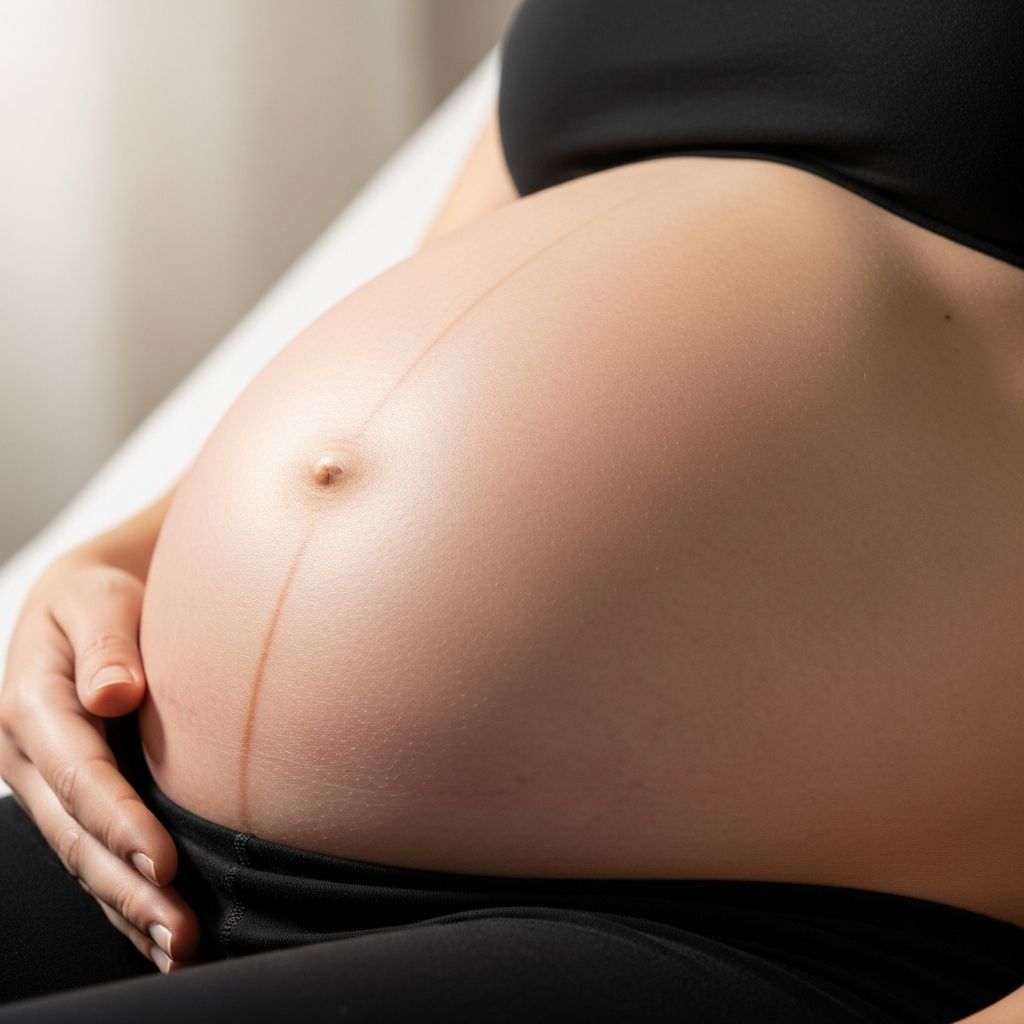
- Linea nigra: Dark vertical midline from xiphisternum to pubis, fades postpartum.
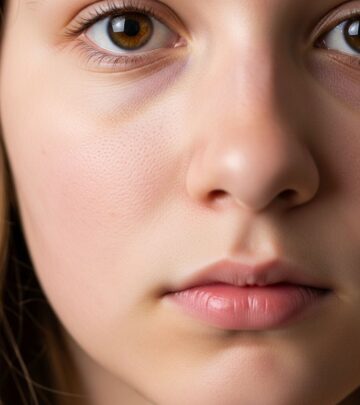
- Melasma (chloasma, mask of pregnancy): Brown patches on cheeks, forehead, nose; affects 50-70%, persists in some.
- Other sites: Areolae, nipples, vulva, axillae, perianal area darken early.
Prevention includes broad-spectrum sunscreen (SPF 30+).
Vascular changes
Increased estrogen dilates vessels, causing visible changes in 60-70% of cases.
- Spider angiomas: Small telangiectasias on face, neck, chest; resolve postpartum.
- Palmar erythema: Red palms in 60-70%; blanches on pressure.
- Varicose and spider veins: Legs, vulva; support stockings help.
- Gingival pyogenic granuloma: Friable oral swellings.
Striae gravidarum (stretch marks)
Affect 50-90%; pink-purple linear tears on abdomen, breasts, thighs; fade to white scars.
Risk factors: family history, young age, high BMI. No proven prevention, but moisturizers may soothe.
Glandular changes
- Eccrine sweating: Increased, especially palms.
- Sebaceous glands: Lipoid proteinosis-like changes rare.
- Montgomery glands: Enlarged areolar tubercles.
Connective tissue changes
- Skin tags (acrochordon): Neck, axillae, inframammary; from friction/hormones.
- Leiomyomas: Painful nodules on abdomen.
Specific dermatoses of pregnancy
These inflammatory conditions affect 1:150-1:300 pregnancies, classified into groups based on timing and features.
| Condition | Onset | Key Features | Treatment |
|---|---|---|---|
| Polymorphic eruption of pregnancy (PEP/PUPPP) | 3rd trimester | Pruritic urticarial papules/plaques on abdomen (sparing umbilicus); 0.1-0.25%. | Topical steroids, emollients; resolves postpartum. |
| Pemphigoid gestationis (herpes gestationis) | 2nd/3rd trimester | Intense itch, urticarial plaques evolving to blisters; umbilicus involved; rare, fetal risks. | Topical/systemic steroids; monitor fetus. |
| Atopic eruption of pregnancy | Any trimester | Atopic eczema-like; 1:300; safe. | Emollients, mild steroids. |
| Impetigo herpetiformis | 3rd trimester | Pustular psoriasis-like; systemic illness, hypocalcemia; stillbirth risk. | narrowband UVB, cyclosporine. |
Polymorphic eruption of pregnancy (pruritic urticarial papules and plaques; PUPPP)
Most common specific dermatosis; itchy red bumps on abdomen spreading elsewhere; triggers unclear, possibly skin stretching.
Pemphigoid gestationis
Autoimmune blistering; anti-BP180 antibodies; 10% recurrence risk.
Other skin changes
Acne
Hormonal flares; use pregnancy-safe topicals like azelaic acid.
Nail changes
Brittleness, leukonychia, ingrown nails common; monitor irregular pigmentation for melanoma.
- Increased growth, onycholysis, melanonychia.
Hair changes
Telogen effluvium postpartum; hirsutism during.
Management of skin changes
Prioritize safety: avoid retinoids, high-dose salicylates, tetracyclines.
- Hyperpigmentation: Sunscreen, hydroquinone postpartum.
- Pruritus: Emollients, antihistamines, menthol.
- Severe cases: Dermatology referral; biopsy if needed.
Most resolve postpartum; cosmetic treatments later.
Frequently Asked Questions (FAQs)
Are skin changes in pregnancy normal?
Yes, most are physiological and benign, driven by hormones.
Can I treat melasma during pregnancy?
Use sunscreen; avoid bleaching agents until after delivery.
Do stretch marks go away?
They fade but rarely disappear completely.
When should I see a dermatologist?
For intense itching, blisters, non-resolving rashes, or suspicious moles.
Is PUPPP harmful to the baby?
No direct fetal risk; resolves after birth.
Patient education
Reassure benign nature; emphasize sun protection, moisturizing, and prompt reporting of severe symptoms for optimal maternal-fetal outcomes.
References
- Common Skin Conditions During Pregnancy — American Academy of Family Physicians (AAFP). 2023-02-00. https://www.aafp.org/pubs/afp/issues/2023/0200/skin-conditions-during-pregnancy.html
- Skin Conditions During Pregnancy — American College of Obstetricians and Gynecologists (ACOG). Accessed 2026. https://www.acog.org/womens-health/faqs/skin-conditions-during-pregnancy
- Cutaneous Changes During Pregnancy: A Comprehensive Review — National Center for Biotechnology Information (PMC). 2024. https://pmc.ncbi.nlm.nih.gov/articles/PMC11497768/
- Skin changes in pregnancy — DermNet NZ. Accessed 2026. https://dermnetnz.org/topics/skin-changes-in-pregnancy
Similar Articles


Read full bio of medha deb