Skin Complications of Paraplegia and Tetraplegia
Comprehensive guide to skin issues in spinal cord injury patients, prevention strategies, and management techniques for paraplegia and tetraplegia.
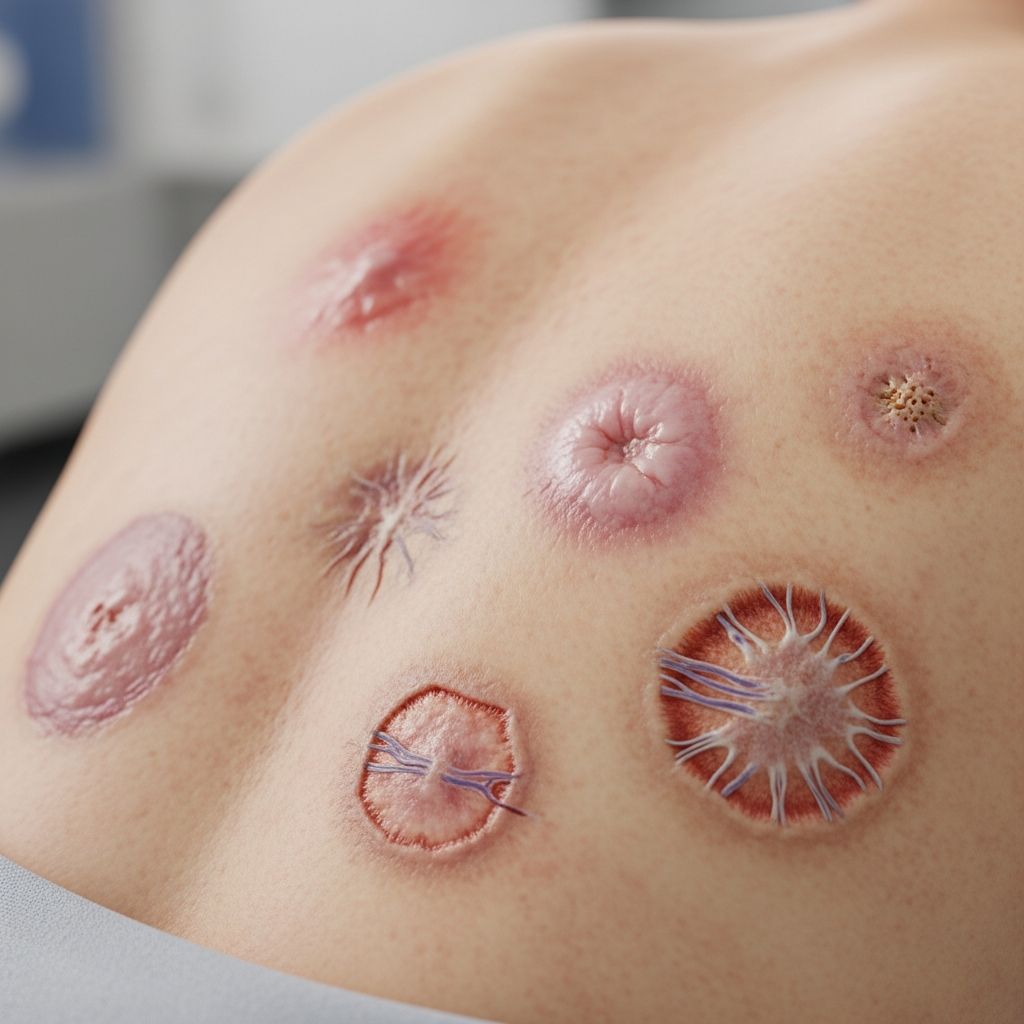
Paraplegia and tetraplegia, resulting from spinal cord injuries (SCI), significantly increase the risk of various skin complications due to immobility, sensory loss, and altered physiology. These conditions affect skin integrity, leading to infections, injuries, and chronic dermatoses that impact quality of life. Understanding these issues is crucial for effective management and prevention.
What are the Skin Complications of Paraplegia and Tetraplegia?
Skin complications in paraplegia (paralysis of the lower limbs) and tetraplegia (paralysis affecting all four limbs) arise from reduced mobility, impaired sensation, autonomic dysfunction, and dependency on caregivers. Common problems include pressure injuries, infections (fungal, bacterial), eczematous conditions like seborrheic dermatitis and xerotic dermatitis, vascular lesions, ingrown toenails, calluses, acne, and athlete’s foot. Studies show infectious conditions are most prevalent (36.7%), followed by eczematous lesions (32.5%) in SCI patients referred to dermatology. These issues are more pronounced below the neurological level of injury (NLI), where sensation and motor function are lost.
Who Gets Skin Complications of Paraplegia and Tetraplegia?
Individuals with SCI leading to paraplegia or tetraplegia are primarily affected, with tetraplegics experiencing higher rates of certain conditions like ingrown toenails due to greater upper limb involvement and hygiene challenges. Paraplegics show more vascular skin lesions, such as petechiae. Risk factors include complete vs. incomplete injuries (no significant difference noted), time since injury (xerotic dermatitis higher within 12 months), and location relative to NLI—fungal infections predominantly below NLI (94.7%), seborrheic dermatitis above (94.9%). Korean SCI patients demonstrated 253 dermatology referrals out of 1408, highlighting prevalence. Caregivers and those with poor skin hygiene education are also at higher risk.
Related Conditions
- Pressure Injuries (Bedsores): Areas of skin and tissue damage from prolonged pressure, common over bony prominences like sacrum, heels, and ischia.
- Fungal Infections: Tinea infections, especially below NLI due to moisture and warmth.
- Seborrheic Dermatitis: Scaly, itchy patches on scalp and face, more common above NLI.
- Xerotic Dermatitis: Dry, cracked skin, peaking early post-injury.
- Bacterial Infections: Folliculitis or cellulitis above NLI from sweat differences.
- Ingrown Toenails: More frequent in tetraplegics, linked to spasticity and edema.
- Vascular Lesions: Petechiae in paraplegics, flushing in tetraplegics.
- Acne Vulgaris: Higher in tetraplegics from hygiene issues.
- Athlete’s Foot and Calluses: Fungal issues between toes; thickened skin from lack of sloughing.
Clinical Features
Skin complications present variably:
- Pressure Injuries: Stages from non-blanchable erythema (Stage 1) to full-thickness tissue loss (Stage 4), often with undermining and eschar.
- Infections: Red, itchy, scaling patches (fungal); pustules or abscesses (bacterial).
- Dermatitis: Dry, fissured skin (xerosis); greasy scales on seborrheic areas.
- Nails: Ingrown edges causing pain and infection if sensation present.
- Calluses: Hard, cracked plaques on heels, elbows prone to breakdown.
In tetraplegics, upper body hygiene neglect leads to acne and seborrhea; paraplegics face lower limb vascular issues.
Diagnosis
Diagnosis relies on clinical examination, history of SCI level, and risk assessment tools like Braden Scale for pressure injury risk. Dermatology referral for persistent issues; biopsies rare but used for atypical lesions. Differentiate by NLI: below for moisture-related (fungal), above for seborrheic.
Related Stories



Treatment and Prevention
Pressure Injuries
Offload pressure with repositioning every 2 hours; use pressure-redistributing mattresses. Debride necrotic tissue, apply dressings (hydrocolloids, foams). Antibiotics for infection. Prevention: daily skin inspections, keep dry/moist balance.
Infections
- Fungal: Topical antifungals (clotrimazole); oral for extensive.
- Bacterial: Topical/oral antibiotics based on culture.
Dermatitis
Emollients for xerosis; topical steroids/shampoos for seborrheic dermatitis. Hydration key post-SCI collagen loss.
Other
Nail avulsion for ingrown; padding for calluses; moisture control for athlete’s foot. Educate on lifts to avoid friction/shear.
General prevention: meticulous hygiene, nutrition (protein, fluids), smoking cessation. Caregivers trained in transfers without dragging.
Pressure Injury Stages Table
| Stage | Description | Management |
|---|---|---|
| Stage 1 | Non-blanchable redness | Offload, protect |
| Stage 2 | Partial thickness loss, blister | Foam dressing |
| Stage 3 | Full thickness, subcutaneous fat visible | Debridement, advanced dressings |
| Stage 4 | Muscle/bone exposed | Surgical, negative pressure therapy |
Frequently Asked Questions (FAQs)
Q: Why are pressure injuries common in SCI?
A: Immobility reduces blood flow, sensory loss prevents pain detection, and muscle atrophy increases pressure on bones.
Q: How to prevent fungal infections?
A: Keep skin dry, use antifungal powders, change socks daily, air shoes.
Q: Difference in skin issues between paraplegia and tetraplegia?
A: Tetraplegics: more ingrown toenails, acne; paraplegics: vascular lesions like petechiae.
Q: When to seek dermatology for SCI skin problems?
A: Non-healing sores, spreading redness, persistent itch, or new lesions.
Q: Role of hydration in skin care?
A: Maintains skin moisture internally/externally, counters collagen loss post-SCI.
Impact on Quality of Life
Skin issues, though not life-threatening, cause pain, infection risk, prolonged hospitalization, and emotional distress. Routine exams and education improve outcomes.
Expanding on prevalence, a study of 1408 Korean SCI patients found 335 conditions in 253 referrals: fungal (most common), seborrheic dermatitis next. Fungal lesions 72.4% below NLI; eczematous 61.5% above. This underscores targeted care by injury level.
Christopher Reeve Foundation emphasizes friction injuries (rug burns) from dragging, callus cracking leading to entry points for bacteria, and acne treatment pre-surgery to prevent complications. Post-SCI, skin collagen decreases, blood supply diminishes, fat replaces muscle, heightening vulnerability.
For tetraplegics, extensive paralysis hampers self-hygiene, elevating seborrhea and acne. Paraplegics retain arm function but face lower body risks like edema-induced ingrown nails from spasticity. Xerotic dermatitis peaks early, likely from acute immobility and dehydration.
Prevention protocols: pressure mapping for wheelchairs, sheepskin overlays, silicone heel protectors. Nutrition: adequate protein (1.25-1.5g/kg/day) for healing. Fluid intake balances catheterization needs.
In hemiplegia/paraplegia studies, similar patterns emerge: fungal dominance, Beau lines on nails, psoriasis flares. Vascular issues tie to autonomic dysreflexia in higher injuries.
Long-term: annual dermatology screens. Multidisciplinary teams (rehab, wound care, derm) optimize management. Patient education on signs of autonomic dysreflexia triggered by skin issues.
References
- Dermatological problems following spinal cord injury in Korean patients — Ann Rehabil Med. 2014-10-28. https://pmc.ncbi.nlm.nih.gov/articles/PMC4293535/
- Dermatological problems following spinal cord injury in Korean patients — PubMed. 2013-10. https://pubmed.ncbi.nlm.nih.gov/24090454/
- Spinal Cord Injury Skin Care — Christopher & Dana Reeve Foundation. 2023. https://www.christopherreeve.org/todays-care/living-with-paralysis/health/secondary-conditions/skin-care/
- Skin disorders in patients with hemiplegia and paraplegia — J Rehabil Med. 2011. https://www.medicaljournals.se/jrm/content/html/10.2340/16501977-0394
Similar Articles








Read full bio of Sneha Tete