Skin Conditions at a Glance: A Comprehensive Guide
Understanding common skin conditions: symptoms, causes, and treatment options explained.
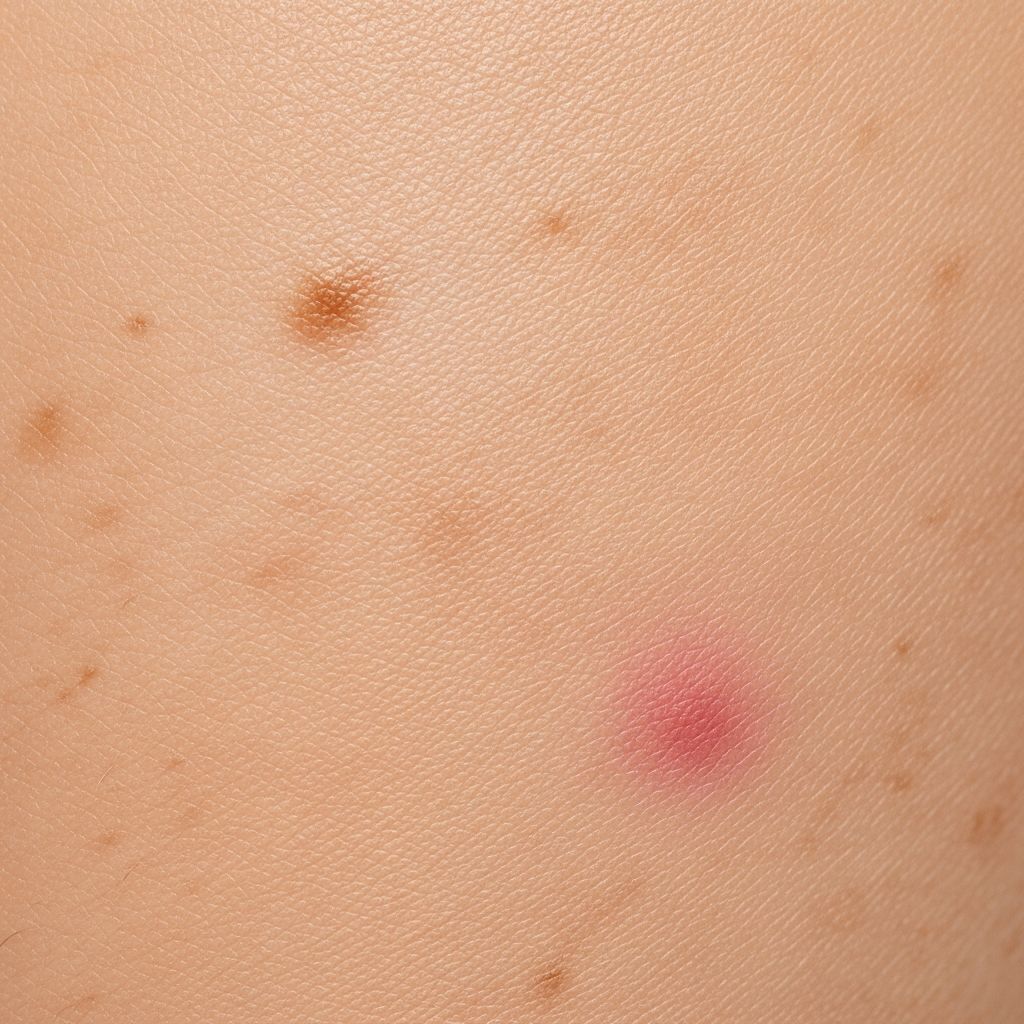
Skin conditions represent one of the most common health concerns affecting individuals across all age groups and demographics. The skin, being the body’s largest organ, is susceptible to various disorders that can range from minor irritations to serious medical conditions requiring professional intervention. Understanding these conditions, their symptoms, causes, and available treatment options is essential for maintaining optimal skin health and quality of life.
Understanding Skin Conditions
Skin conditions encompass a wide range of disorders that can result in various symptoms and complications. These conditions can be acute or chronic, infectious or non-infectious, and may affect individuals differently based on their age, skin type, genetic predisposition, and environmental factors. Many skin conditions present with common symptoms such as itching, redness, burning, swelling, or the appearance of rashes and hives.
The manifestation of skin conditions can vary significantly based on an individual’s skin tone and pigmentation. Research has shown that many dermatological teaching resources have historically lacked adequate representation of skin conditions on non-white skin, making diagnosis and identification more challenging for healthcare providers. For example, eczema flare-ups may appear grayish, violaceous, or dark brown on darker skin tones instead of the typical pink or red appearance seen on lighter skin.
Common Inflammatory Skin Conditions
Atopic Dermatitis (Eczema)
Atopic dermatitis, commonly known as eczema, is a chronic inflammatory skin condition characterized by intense itching and skin irritation. This condition affects approximately 16.5 million adults in the United States and can occur at any age, though it most often develops during childhood. Individuals with eczema experience a weakened skin barrier, which leads to increased susceptibility to irritants and allergens.
The condition typically manifests as itchy, erythematous papules with dry skin, primarily affecting areas such as the antecubital and popliteal fossae (inner elbows and behind the knees), hands, wrists, ankles, and neck. People with eczema often experience dry, itchy skin that can lead to scratching and rubbing, potentially resulting in swollen skin rashes and scaly, rough patches. The associated dryness can significantly impact quality of life and sleep patterns.
Psoriasis
Psoriasis is a chronic autoimmune skin condition that results in the rapid production of skin cells, leading to the formation of thick, scaly patches. This condition presents as symmetric, well-demarcated plaques commonly appearing on the scalp, extensor surfaces of the elbows and knees, and the gluteal cleft. Psoriasis manifests in several distinct types, each with unique characteristics and treatment considerations.
The five main types of psoriasis include plaque psoriasis, which causes thick patches of skin; pustular psoriasis, featuring pustules surrounded by red skin; erythodermic psoriasis, causing widespread areas that appear severely burned; inverse psoriasis, presenting as a shiny rash in skin folds; and guttate psoriasis, characterized by small spots on the scalp, face, torso, and limbs. Treatment typically involves various medications, including creams, ointments, and other therapeutic interventions recommended by dermatologists.
Related Stories



Contact Dermatitis
Contact dermatitis occurs when the skin develops an allergic or irritant reaction to a substance it contacts. This condition presents as a well-demarcated, itchy eruption localized to the area of skin that came into contact with the allergen or irritant. The reaction can develop immediately or over time, depending on the substance and individual sensitivity.
Seborrheic Dermatitis
Seborrheic dermatitis is a common inflammatory skin condition that affects both infants and adults. In babies, this condition is commonly referred to as “cradle cap” and presents as greasy, scaly patches most commonly appearing on the scalp. In adults, seborrheic dermatitis may appear anywhere on the body and is prone to flare up and disappear throughout an individual’s lifetime.
The affected skin may appear reddish, swollen, and greasy, with white or yellow crusts forming on the skin’s surface. In individuals with darker skin, the scaling may display a distinctive flower-like shape, and some areas may appear darker or lighter than surrounding skin. Treatment options include specialized shampoos and medicated creams applied to affected areas.
Infectious Skin Conditions
Scabies
Scabies is a highly contagious parasitic skin infection caused by the Sarcoptes scabiei mite. This condition presents as intensely itchy papules appearing on the sides or webs of fingers, wrists, trunk, knees, and feet. The itching is often severe, particularly at night, and can significantly impact sleep and daily activities.
Measles (Rubeola)
Measles is a viral infection that produces a characteristic maculopapular rash starting on the face and spreading downward across the body. This highly contagious disease requires prompt medical attention and preventive measures through vaccination.
Varicella (Chickenpox)
Varicella presents as scattered, itchy vesicles in different stages of development across the body. This viral infection is preventable through vaccination and is highly contagious during the acute phase of illness.
Impetigo
Impetigo is a common bacterial skin infection that typically affects children but can occur in adults as well. This condition presents with pustules and crusted lesions, commonly appearing on areas exposed to trauma or insect bites.
Pigmentation and Depigmentation Disorders
Vitiligo
Vitiligo is a skin condition characterized by a progressive loss of skin pigmentation, resulting in the appearance of white patches on the skin. These patches typically appear in areas most exposed to sunlight and are generally more noticeable in individuals with dark or tanned skin. Some individuals experience gradual expansion of affected areas over many years, and the condition often affects hair color, leading to premature graying.
Allergic and Reactive Skin Conditions
Hives (Urticaria)
Hives are itchy, raised welts that may appear pinkish or reddish in people with lighter skin tones. An allergic reaction is the most common cause, though stress, illness, and friction from tight clothing can also trigger their development. Hives typically form in clusters and may migrate from one body area to another. Treatment usually involves antihistamines or corticosteroids to manage symptoms and reduce inflammation.
Fungal Skin Infections
Candidiasis
Candidiasis, also known as cutaneous Candidiasis or cutaneous Moniliasis, results from the overgrowth of the Candida albicans fungus on the skin. This condition typically develops in skin folds such as the armpits, groin area, and between toes, though it can affect the face as well. Affected areas become irritated and may develop lesions or small pustules.
Prevention of candidiasis involves maintaining good skin hygiene, avoiding prolonged moisture retention, and preventing unnecessary antibiotic use, which can disrupt the skin’s natural flora. Treatment typically includes antifungal and corticosteroid creams prescribed by healthcare professionals.
Skin Cancer
Basal Cell Carcinoma
Basal cell carcinoma is the most common type of skin cancer, typically developing on the neck, arms, or head, though it can affect any body area. In individuals with lighter skin, it may appear as a pink, round bump or patch. In those with darker skin, the bump may be brown or black and might resemble a common mole, potentially delaying diagnosis.
Squamous Cell Carcinoma
Squamous cell carcinoma is the second most common type of skin cancer, often developing from dry, scaly patches called actinic keratoses. Early detection is crucial, as delayed treatment may allow the cancer to grow deeper into the skin, potentially causing disfigurement. People with lighter skin typically develop this cancer in sun-exposed areas, while those with darker skin may develop it on the legs, genitals, and anus. Any lesion that grows, changes, bleeds, or appears unusual should be evaluated by a healthcare professional.
Rare and Specialized Skin Conditions
Dermatomyositis
Dermatomyositis is a rare inflammatory skin disease most commonly occurring in children aged 5–15 years and adults aged 40–60 years. Common symptoms include a red-to-purple rash appearing on the chest, face, nails, or elbows, accompanied by muscle weakness and swelling. While there is no cure for this condition, various treatments can help manage symptoms effectively.
Research indicates that African Americans may be developing dermatomyositis at approximately three times the rate of white individuals in the United States, suggesting potential genetic or environmental factors influencing disease incidence.
Lupus
Lupus is a complex autoimmune disorder causing inflammation and pain with effects that vary significantly from person to person. When lupus affects the skin, it typically produces red patches or rings, sunburn-like rashes on the nose and cheeks, and circular rashes that do not itch or hurt. These skin manifestations may accompany systemic symptoms such as headaches, fever, fatigue, and swollen, stiff, or painful joints.
Tropical and Neglected Diseases Affecting the Skin
Cutaneous Leishmaniasis
Cutaneous leishmaniasis presents as a chronic nodule or ulcer on exposed skin locations, typically painless with a well-defined, indurated border. This parasitic infection requires medical evaluation and appropriate treatment to prevent complications.
Cutaneous Larva Migrans
This condition is characterized by intensely itchy, erythematous, serpiginous (winding or snake-like) tracks typically appearing in the lower extremities or buttocks following exposure to contaminated soil or sand, particularly from walking barefoot.
Onchocerciasis
Onchocerciasis, transmitted by blackfly bites, presents with subcutaneous nodules over bony prominences, pruritic inflammatory papules or plaques, and areas of depigmentation. This neglected tropical disease requires specialized medical management and public health intervention.
Yaws
Yaws is a spirochetal infection causing large wart-like lesions that progress to ulceration and secondary nodules appearing on fingers and long bones. Early treatment with antibiotics can prevent progression and complications.
Mycetoma (Madura Foot)
Mycetoma presents as a progressive non-healing ulcer of the foot with associated nodules and draining sinuses. This chronic infection requires aggressive medical and sometimes surgical intervention to prevent significant disability.
Leprosy
Leprosy manifests as one or more hypopigmented or reddish anesthetic skin patches accompanied by thickened peripheral nerves. Early detection and appropriate antibiotic therapy can prevent disability and transmission.
General Symptoms of Skin Conditions
Skin conditions commonly present with a variety of symptoms that can range from mild to severe:
– Itching, redness, swelling, or burning sensations- Rashes or hives appearing as bumps with red or fleshy coloration- Nodules, whiteheads, blackheads, or pimples- Dry or red skin emerging in patches that may produce clear fluid- Moles that change in texture, shape, size, or color- Raised areas of skin appearing thick or scaly- Redness in the face accompanied by burning or tingling sensations
Diagnosis and Professional Care
Proper diagnosis of skin conditions requires evaluation by qualified healthcare professionals, preferably dermatologists who can distinguish between similar-appearing conditions. This is particularly important given that many skin conditions present with overlapping symptoms. Skin tone considerations are crucial during diagnosis, as the same condition may appear differently on various skin types. Consulting appropriate medical resources and specialists ensures accurate identification and effective treatment planning.
Treatment Considerations
Treatment approaches for skin conditions vary significantly based on the specific diagnosis, severity, affected body areas, and individual patient factors. Some conditions respond well to topical treatments including creams, ointments, and specialized shampoos, while others require systemic medications or specialized interventions. Many individuals with skin conditions explore complementary health approaches, particularly vitamin, mineral, and herbal supplements, though consultation with healthcare providers is essential before starting any new treatment regimen.
Living with Chronic Skin Conditions
Chronic skin conditions like eczema and psoriasis can significantly impact quality of life, affecting sleep patterns, social interactions, and psychological well-being. Comprehensive management strategies often combine medical treatment with lifestyle modifications, appropriate skincare routines, and stress management techniques. Support from healthcare providers, dermatologists, and patient support communities can enhance treatment outcomes and emotional well-being.
Frequently Asked Questions
Q: What is the most common skin condition?
A: While prevalence varies by age group and geography, conditions like eczema affect millions of people globally, with approximately 16.5 million adults in the United States alone. Other very common conditions include acne, psoriasis, and various fungal infections.
Q: Can skin conditions be prevented?
A: While some skin conditions are preventable through vaccination (like chickenpox) or lifestyle modifications (like candidiasis), others are due to genetic factors or autoimmune conditions that cannot be prevented. However, severity can often be reduced through proper skin care and avoiding known triggers.
Q: How do I know when to see a dermatologist?
A: You should consult a dermatologist if you have persistent skin symptoms lasting more than a few weeks, rapidly changing moles, signs of skin cancer, or skin conditions significantly affecting your quality of life. Any lesion that grows, bleeds, or changes unexpectedly warrants professional evaluation.
Q: Are skin conditions contagious?
A: Some skin conditions are contagious, including scabies, impetigo, varicella, measles, and ringworm, while others like eczema and psoriasis are not. Infectious conditions require special precautions to prevent transmission to others.
Q: Can complementary approaches help with skin conditions?
A: Many people turn to complementary health approaches for skin conditions, but it’s essential to discuss these with healthcare providers before starting any new supplements or treatments to ensure safety and effectiveness.
References
- Newcomer Skin Conditions Guidance for Health Professionals — Minnesota Department of Health. 2024. https://www.health.state.mn.us/communities/rih/migrant/skin.html
- Skin Diseases: A List of Common Conditions and Symptoms — Medical News Today. 2023. https://www.medicalnewstoday.com/articles/316622
- Skin Conditions Overview — Pfizer. 2024. https://www.pfizer.com/disease-and-conditions/skin-conditions
- Understanding Skin Concerns: Eczema-Prone Skin — CeraVe. 2024. https://www.cerave.com/skin-smarts/skin-concerns
- Skin Conditions and Complementary Health Approaches — National Center for Complementary and Integrative Health (NCCIH). 2024. https://www.nccih.nih.gov/health/providers/digest/skin-conditions-and-complementary-health-approaches
Similar Articles








Read full bio of Sneha Tete