Skin Conditions In Children: 15 Common Rashes & Care
Comprehensive guide to recognising and managing common skin conditions affecting children from infancy to adolescence.
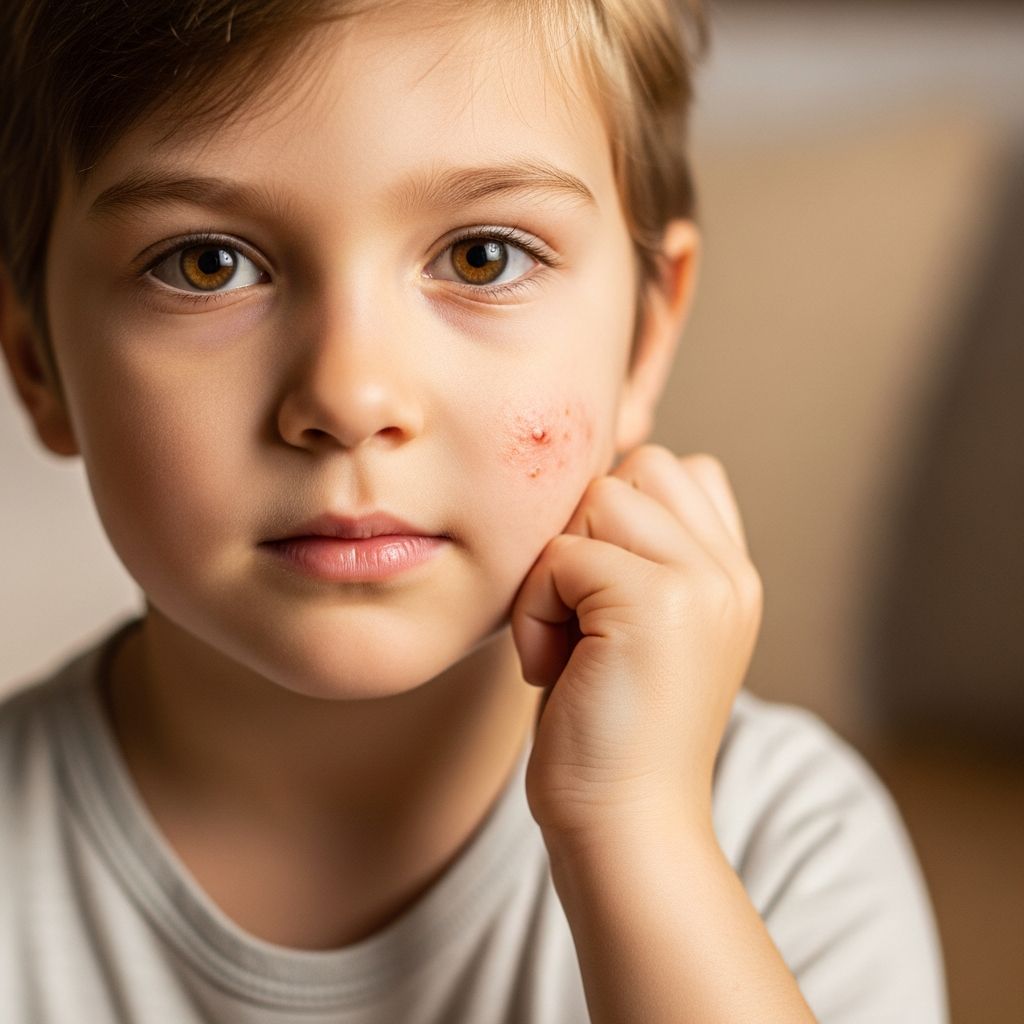
Children experience a wide range of skin conditions due to their developing immune systems, frequent exposure to environmental irritants, and close contact with peers. These conditions can be broadly categorised into inflammatory skin disorders, lumps and bumps, infections, and infestations. Early recognition and appropriate management are crucial to prevent discomfort, scarring, or complications. This article covers the most prevalent issues, drawing from clinical observations and expert guidelines.
Inflammatory Skin Disorders
Inflammatory conditions are among the most common pediatric dermatoses, often presenting with redness, itching, and scaling. Atopic dermatitis affects approximately 20% of children in the United States, typically starting in infancy.
Atopic Dermatitis (Eczema)
Atopic dermatitis, commonly known as eczema, is a chronic, relapsing inflammatory skin disease characterised by intense pruritus (itching), dry skin, and erythematous plaques. It usually begins in early childhood, with infants showing lesions on extensor surfaces, cheeks, and scalp, while older children have flexural involvement like antecubital and popliteal fossae.
Symptoms include severely dry skin, excoriations from scratching, scaling, and vesicular lesions. Risk factors encompass genetic predisposition (filaggrin gene mutations leading to moisture barrier defects), allergies, and environmental triggers like irritants or allergens. Complications include secondary bacterial infections due to skin barrier disruption.
Diagnosis is clinical, based on history and examination. Management involves emollients for hydration, topical corticosteroids for flares, and avoidance of triggers. In severe cases, topical calcineurin inhibitors or systemic therapies may be needed.
Seborrhoeic Dermatitis
Seborrhoeic dermatitis, or cradle cap in infants, presents as greasy yellow scales on the scalp, face, or diaper area. It affects infants aged 9-12 months most commonly and usually resolves spontaneously within the first year.
Caused by Malassezia yeast overgrowth in sebaceous areas, it leads to mild inflammation. Treatment includes gentle scale removal with emollients and low-potency antifungals if persistent.
Diaper Dermatitis
Diaper dermatitis (nappy rash) impacts over half of infants aged 4-15 months, caused by prolonged moisture, friction, and irritants like faeces or urine. It manifests as erythematous patches in the diaper area, sometimes with satellite lesions if candidal superinfection occurs.
Prevention relies on frequent changes and barrier creams (zinc oxide). Mild cases respond to exposure to air; severe ones may require topical antifungals or low-dose steroids.
Contact Dermatitis
Contact dermatitis arises from irritants (e.g., soaps, detergents) or allergens (e.g., nickel, plants), resulting in acute redness, vesicles, and itching. Allergic variants require patch testing for identification. Management: avoidance, emollients, and topical steroids.
Lumps and Bumps
Benign growths are frequent in children, often viral or developmental. Parents often seek reassurance as many resolve spontaneously.
Molluscum Contagiosum
This poxvirus infection causes small, pearly papules with central umbilication, typically 10-20 lesions in children under 10. It spreads via contact, thriving in atopic skin (molluscum dermatitis).
Related Stories



Usually self-limiting (6-12 months), treatment options include watchful waiting, curettage, cantharidin, or topical imiquimod for extensive cases. Avoid in facial areas to prevent scarring.
Warts (Verrucae Vulgaris)
Warts, the second most common skin issue after eczema, are HPV-induced rough papules, often on hands or feet. Children’s immature immunity predisposes them.
Treatment: salicylic acid, cryotherapy, or duct tape occlusion. Most resolve without intervention.
Miliums
Tiny white keratin cysts on the nose or cheeks in newborns, resolving spontaneously. No treatment needed unless cosmetic concern.
Pyogenic Granuloma
Vascular nodules that bleed easily, often post-trauma. Treated with curettage and cautery.
Infections
Bacterial, viral, and fungal infections are highly contagious in school-aged children.
Impetigo
Superficial bacterial infection (Staph/Strep) with honey-crusted lesions on face or limbs. Topical mupirocin for localised; oral antibiotics for widespread.
Chickenpox (Varicella)
Varicella-zoster virus causes widespread vesicular rash, starting on trunk. Contagious; vaccination prevents most cases. Symptomatic: calamine, antihistamines.
Hand, Foot, and Mouth Disease
Caused by Coxsackie virus, features oral ulcers, vesicular rash on hands/feet. Self-limited; supportive care.
Fifth Disease (Erythema Infectiosum)
Parvovirus B19 induces slapped-cheek rash followed by lacy body eruption. Mild; avoid in pregnancy exposure.
Tinea Infections
Fungal: tinea capitis (scalp scaling, alopecia), corporis (annular plaques). Diagnosed by KOH microscopy; treated with oral/topical antifungals.
Cellulitis
Deep bacterial infection with erythema, swelling, fever. Requires systemic antibiotics.
Infestations
Head Lice (Pediculosis Capitis)
Nits and lice on scalp cause itching. Treat with permethrin shampoo; combing essential. Common in schools.
When to See a Doctor
Seek medical advice for persistent rashes, fever, spreading lesions, pain, or signs of infection (pus, swelling). Early intervention prevents complications.
General Management Tips
- Use fragrance-free emollients daily.
- Short, lukewarm baths; avoid harsh soaps.
- Keep nails short to minimise scratching damage.
- Humidify dry environments.
- Sunscreen for photosensitive conditions.
Frequently Asked Questions (FAQs)
Q: How common is eczema in children?
A: Atopic dermatitis affects about 1 in 10 to 20% of children, often starting in infancy.
Q: Do warts need treatment?
A: Many resolve spontaneously, but persistent warts can be treated with salicylic acid or cryotherapy.
Q: Is cradle cap harmful?
A: No, it’s benign and self-resolves; gentle washing suffices.
Q: How to prevent diaper rash?
A: Frequent changes, barrier creams, and air exposure.
Q: Can molluscum spread?
A: Yes, via direct contact; cover lesions and avoid sharing towels.
Table: Common Skin Conditions Summary
| Condition | Age Group | Key Features | Treatment |
|---|---|---|---|
| Atopic Dermatitis | Infancy+ | Itchy red plaques, dry skin | Emollients, steroids |
| Molluscum | <10 years | Umbilicated papules | Watchful waiting |
| Warts | School-age | Rough papules | Salicylic acid |
| Impetigo | All ages | Honey crusts | Topical antibiotics |
| Head Lice | School-age | Itching, nits | Permethrin |
References
- Common Dermatological Issues in Kids — Illinois Dermatology. 2023. https://illinoisderm.com/blog/common-dermatological-issues-in-kids/
- Conditions Treated – Happy Skin Pediatric Dermatology — Happy Skin Dermatology. 2024. https://www.happyskindermatology.com/conditions/
- Common Skin Rashes in Children — American Academy of Family Physicians (AAFP). 2015-08-01. https://www.aafp.org/pubs/afp/issues/2015/0801/p211.html
- Common Skin Conditions: Causes, Symptoms, and Treatments — Children’s Skin Center. 2023-12-22. https://www.childrensskincenter.com/2023/12/22/common-skin-conditions-causes-symptoms-and-treatments/
- Pediatric Dermatology: Symptoms and Treatment — Dermatology of Southeastern Ohio. 2024. https://www.dermatologyofsoutheasternohio.com/conditions/pediatric-dermatology
- Pediatric Non-Infectious Skin Conditions — Children’s National Hospital. 2024. https://www.childrensnational.org/get-care/health-library/noninfectious-skin-conditions
Similar Articles








Read full bio of Sneha Tete