Skin Conditions Relating to HIV Infection
Comprehensive overview of dermatological manifestations in HIV, from infections to malignancies, affecting 90% of patients.
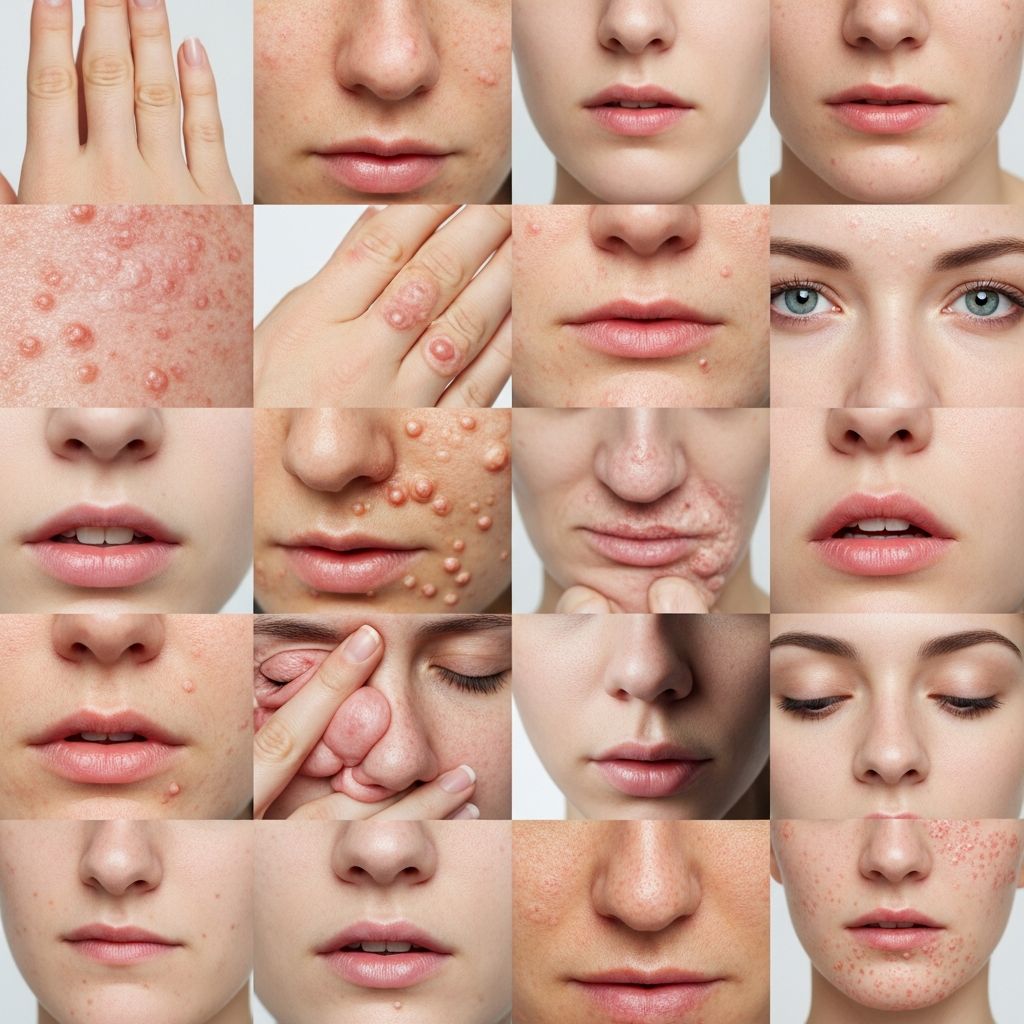
Dermatological conditions are extremely common during HIV infection and will affect approximately
90%
of all people living with HIV. These conditions can be both specific to HIV, as well as common skin problems found in the general population. Cutaneous manifestations generally increase in incidence with advancing HIV disease and declining immune function, causing significant morbidity. Hence, early recognition and testing in patients presenting with such conditions may allow HIV infection to be diagnosed and treated earlier. The acquired immunodeficiency associated with HIV puts patients at increased risk of many skin conditions including malignancy and infection. Antiretroviral medications themselves can also be implicated, with many having high reaction rates and increased photosensitivity risk.What is the mechanism behind skin disease in HIV?
HIV primarily affects the skin through depletion of
CD4+ cells
(helper T lymphocytes), which are crucial for immune response. Initial infection often occurs via Langerhans cells in mucosal tissue, leading to viraemia within days. This is initially controlled by CD8+ cells and cytokines, but progressive CD4 decline impairs immunity, increasing susceptibility to opportunistic infections, inflammatory conditions, and malignancies. In advanced stages (CD4 <200 cells/μL), skin diseases become more severe and atypical.Bacterial infections
Increased susceptibility to bacterial infections is common in HIV, appearing at different stages of the disease. Common presentations include folliculitis, impetigo, and cellulitis, often more extensive and recurrent due to impaired immunity.
- **Staphylococcal infections**: Scalp folliculitis and furunculosis are frequent, presenting as pruritic papules or pustules.
- **Bacillary angiomatosis**: Caused by Bartonella species, it mimics Kaposi sarcoma with vascular papules/nodules, common in advanced HIV.
- **Other**: Mycobacterium avium complex and syphilis may cause atypical skin lesions.
These infections respond to antibiotics but recur without immune reconstitution via HAART (highly active antiretroviral therapy).
Viral infections
Viral infections are hallmark skin manifestations in HIV, often severe, persistent, and disseminated.
- **Acute retroviral syndrome**: During the first weeks post-exposure, a symmetrical
maculopapular erythematous exanthem
involves face, palms, soles, trunk, and limbs, with systemic symptoms and possible mucocutaneous ulcers. - **Herpes simplex virus (HSV)**: Most common viral infection, manifesting as painful vesicles on lips, genitals, or any site. Recurrent and severe in HIV.
- **Varicella zoster virus (shingles)**: Painful vesicular rash in dermatomal or disseminated form, refractory to treatment.
- **Human papillomavirus (HPV)**: Extensive
plane warts
covering >5% body area (24% prevalence in some studies), increasing neoplasia risk. - **Molluscum contagiosum**: Giant, umbilicated papules, widespread due to low CD4 counts.
Fungal infections
Fungal infections occur at varying immunocompromise levels, often atypical and treatment-resistant.
- **Candidiasis**: Oropharyngeal, esophageal, or cutaneous; angular cheilitis associated with CD4 <200.
- **Dermatophytes (tinea)**: Widespread corporis, cruris, or pedis; onychomycosis common.
- **Pneumocystis jirovecii**: Rare cutaneous form with papules/nodules.
- **Cryptococcosis/Histoplasmosis**: Disseminated umbilicated papules mimicking molluscum.
Parasitic infections
Parasites exploit immune defects, causing chronic infestations.
- **Scabies**: Norwegian (crusted) scabies with hyperkeratotic plaques, highly contagious.
- **Demodex folliculitis**: Associated with eosinophilic folliculitis-like lesions.
Pruritic papular eruption of HIV (PPE)
**Pruritic papular eruption (PPE)** is the most common rash in HIV, affecting 42% in some cohorts, often the presenting sign. It features intensely itchy lancet-shaped papules on limbs and trunk, linked to arthropod bites and advanced immunosuppression (CD4 <200). Histology shows spongiotic dermatitis. Treatment includes emollients, topical steroids, and HAART.
Related Stories



Inflammatory dermatoses
Common conditions like
psoriasis
,seborrheic dermatitis
, andeczema
are more severe, treatment-resistant, and prone to secondary infection in HIV.- **Seborrheic dermatitis**: Most common (up to 80% in AIDS vs. 3% general population), with erythema/scaling on face, scalp, nasolabial folds. Refractory until HAART; histology shows parakeratosis, plasma cell infiltrates.
- **Psoriasis**: Atypical morphology, worsens to erythroderma; linked to altered CD4:CD8 ratio, nitric oxide.
- **Eosinophilic folliculitis**: Pruritic urticarial papules/pustules on trunk; HIV-specific.
Malignancies
HIV increases risk of skin cancers via immunosuppression.
- **Kaposi sarcoma**: Angioproliferative plaques/nodules, purple-red; HHV-8 associated, regresses with HAART.
- **Cutaneous lymphomas**: T/B-cell types more prevalent.
- **Squamous cell carcinoma**: Aggressive, HPV-related.
- **Bacillary angiomatosis** (mimics KS): Bacterial, treatable.
Drug eruptions
Antiretrovirals cause maculopapular rashes, Stevens-Johnson syndrome (e.g., nevirapine), or photosensitivity. Up to 40% reaction rate in some regimens.
Other conditions
- **Xerosis and ichthyosis**: Dry, scaly skin from immune dysregulation.
- **Atopic dermatitis**: Exacerbated pruritus.
Investigation and management
Skin biopsy, viral/fungal cultures, CD4 count, and HIV testing are key. HAART is cornerstone, improving most conditions. Symptomatic relief with topicals, antibiotics/antifungals as needed. Multiple conditions (>3) or recurrent rashes indicate low CD4 (<200), warranting urgent HIV evaluation.
Frequently Asked Questions (FAQs)
Are skin conditions a sign of advanced HIV?
Yes, severe/atypical rashes like PPE, extensive warts, or seborrheic dermatitis often correlate with CD4 <200 cells/μL.
Can skin problems be the first sign of HIV?
Absolutely; acute exanthem or PPE may precede diagnosis. Early testing is crucial.
Does HAART resolve HIV skin conditions?
Many improve dramatically with immune reconstitution, e.g., regression of Kaposi sarcoma and reduced seborrheic dermatitis severity.
How common are skin issues in HIV?
Up to
90-92%
of patients develop at least one manifestation.What is the most common HIV skin rash?
**Pruritic papular eruption (PPE)** at 42%, followed by seborrheic dermatitis.
References
- Skin conditions relating to HIV infection — DermNet NZ. 2023-10-15. https://dermnetnz.org/topics/skin-conditions-relating-to-hiv-infection
- New insights into HIV-1-primary skin disorders — PMC (NCBI). 2011-02-08. https://pmc.ncbi.nlm.nih.gov/articles/PMC3037296/
- Skin disease among Human Immunodeficiency Virus-infected adolescents in Zimbabwe — PMC (NCBI). 2012-08-01. https://pmc.ncbi.nlm.nih.gov/articles/PMC3428906/
- HIV skin lesions: Pictures, types, causes, and treatments — Medical News Today. 2023-05-20. https://www.medicalnewstoday.com/articles/hiv-sores
- Cutaneous manifestations of human immunodeficiency virus — DermNet NZ (CME). 2023-08-12. https://dermnetnz.org/cme/viral-infections/cutaneous-manifestations-of-human-immunodeficiency-virus
Similar Articles








Read full bio of medha deb