Skin Diseases: Types, Symptoms, Treatment & Prevention
Comprehensive guide to understanding skin diseases, their causes, symptoms, and effective treatment options.
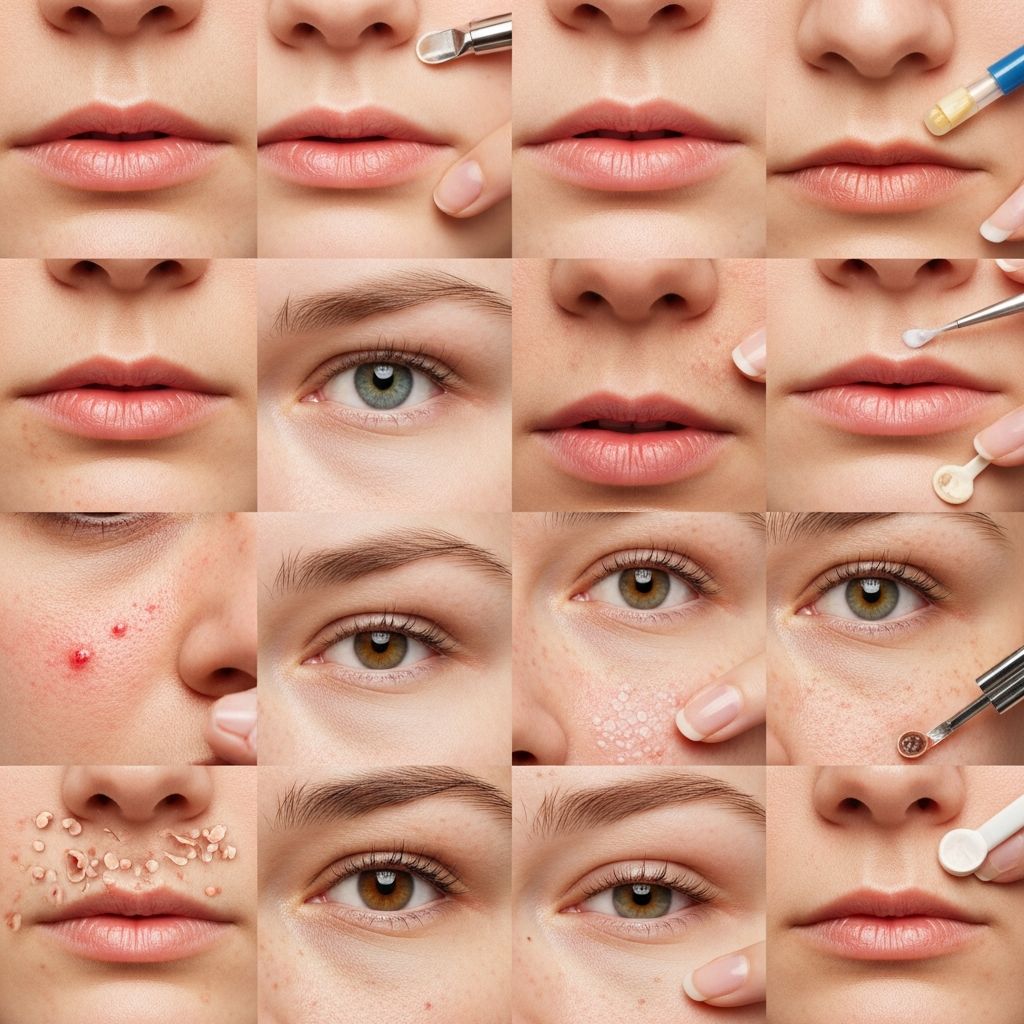
Skin diseases are conditions that affect your skin and can cause a range of symptoms from mild irritation to severe inflammation. Your skin is the largest organ in your body, serving as a protective barrier against the environment, helping regulate body temperature, and providing sensory information. When skin diseases develop, they can disrupt these vital functions and significantly impact your quality of life. Whether inherited or acquired through lifestyle factors and environmental exposure, skin diseases range from common, manageable conditions to rare, complex disorders requiring specialized care.
Understanding Skin Diseases and Their Role
Skin diseases include all conditions that clog, irritate, inflame, or damage your skin, as well as skin cancer. Your skin performs multiple critical functions including protection from harmful bacteria and viruses, regulation of body temperature, and sensing the environment through touch. When these functions are compromised by disease, your overall health and well-being can be affected.
Many skin diseases cause visible symptoms such as rashes, inflammation, itchiness, dry skin, or changes in skin appearance. Some conditions are minor and easily managed with basic skincare and over-the-counter treatments, while others cause severe symptoms that require professional medical intervention and ongoing management. Understanding the type of skin disease you have is essential for determining the most effective treatment approach.
Common Types of Skin Diseases
Numerous skin conditions affect millions of people worldwide. Some of the most prevalent skin diseases include:
- Psoriasis — An autoimmune condition causing thick, scaly plaques and itching
- Eczema (Atopic Dermatitis) — Causes dry, inflamed, and intensely itchy skin
- Acne — Results from clogged pores, bacteria, and excess oil production
- Contact Dermatitis — Develops from direct contact with irritating substances or allergens
- Seborrheic Dermatitis — Causes red, scaly patches typically on the scalp and face
- Rosacea — Characterized by facial redness, visible blood vessels, and sometimes acne-like bumps
- Hives — Red, raised welts that itch intensely and appear suddenly
- Fungal Infections — Including athlete’s foot, ringworm, and yeast infections
- Warts — Benign growths caused by human papillomavirus (HPV)
- Moles — Usually harmless pigmented spots that may change over time
Rare Genetic Skin Diseases
Beyond common conditions, many rare skin diseases are genetic, meaning you inherit them from your parents. These conditions often require specialized diagnosis and management from dermatologists with expertise in rare disorders. Genetic skin diseases can present unique challenges as they may not have widely available treatments and often require personalized care plans. Regular monitoring and early intervention are crucial for managing these conditions effectively.
Causes of Skin Diseases
Skin diseases develop through various mechanisms, and understanding the underlying cause is essential for effective treatment and prevention. Multiple factors can contribute to skin disease development:
Genetic Factors
Related Stories



Many skin conditions have a hereditary component, meaning if your parents or close relatives have a particular skin disease, you have a higher risk of developing it. Conditions like psoriasis, eczema, and certain types of dermatitis often run in families. Understanding your family history can help you recognize early warning signs and seek preventive care.
Environmental and Lifestyle Factors
Certain lifestyle choices and environmental exposures significantly impact skin health. These factors include:
- Excessive sun exposure without protection
- Poor dietary habits lacking essential nutrients
- Smoking and tobacco use
- High stress levels and emotional strain
- Inadequate sleep and rest
- Exposure to harsh chemicals and pollutants
- Extreme weather conditions and temperature changes
- Poor hygiene practices
Underlying Health Conditions
Systemic diseases and underlying health conditions can manifest on your skin. Autoimmune disorders, hormonal imbalances, infections, and metabolic conditions often produce skin symptoms as part of their disease process. Managing the underlying condition is frequently essential for improving skin health.
Infectious Agents
Bacteria, viruses, fungi, and parasites can cause skin infections and inflammatory responses. Common infectious skin conditions include bacterial infections like impetigo, viral infections such as cold sores and chickenpox, and fungal infections like candidiasis and tinea.
Allergic Reactions
Allergens and irritating substances trigger allergic contact dermatitis and other allergic skin reactions. Identifying and avoiding personal allergens is crucial for preventing flare-ups and managing symptoms effectively.
Symptoms and Diagnosis
Skin disease symptoms vary widely depending on the type and cause of the condition. Common symptoms include:
- Rashes and visible skin changes
- Redness and inflammation
- Itching and burning sensations
- Dryness and scaling
- Bumps, blisters, or pustules
- Pain or tenderness
- Discoloration or patches of different color
- Oozing or crusting
Because so many things can cause skin diseases, diagnosis can be complex. Your healthcare provider will examine the affected area, assess your symptoms comprehensively, and take a detailed medical history. You may undergo specialized tests such as:
- Patch testing for contact allergies
- Wood’s lamp examination
- Bacterial or fungal cultures
- Skin biopsies for histological analysis
- Immunohistochemistry testing
- Molecular analysis for genetic conditions
- Allergy testing
Treatment Options
Skin disease treatment is highly individualized based on the specific condition, severity, and your personal factors. Treatment approaches may include:
Topical Treatments
Creams, ointments, and lotions applied directly to affected skin are often first-line treatments for many skin conditions. These may contain corticosteroids, antifungals, antibiotics, or other active ingredients depending on the diagnosis.
Systemic Medications
Oral medications or injections may be prescribed for moderate to severe skin diseases that don’t respond adequately to topical treatments. These systemic medications work throughout your body to control inflammation and manage symptoms.
Phototherapy
Light therapy, also called phototherapy, uses controlled exposure to specific wavelengths of light to treat certain skin conditions. This approach is particularly effective for psoriasis, eczema, and vitiligo.
Lifestyle Modifications
Managing triggers and implementing proper skincare routines is essential for controlling many skin diseases. This includes identifying and avoiding allergens, using gentle cleansers, maintaining adequate hydration, using moisturizers, and protecting skin from sun damage.
Specialized Procedures
Dermatologists may recommend professional treatments such as laser therapy, chemical peels, or surgical interventions depending on the specific condition and its severity.
Managing Chronic Skin Conditions
Some skin conditions, like psoriasis and eczema, are lifelong and require ongoing management. Your healthcare provider can develop a customized treatment plan addressing your specific symptoms and condition type. Regular follow-up appointments help monitor your skin health and adjust treatments as needed.
Minimizing exposure to triggers is crucial for reducing flare-ups and maintaining better skin health. Common triggers include stress, hot showers, extreme temperatures, certain fabrics, and specific allergens like pollen and pet dander. Identifying your personal triggers and developing strategies to avoid them significantly improves symptom control.
Prevention and Skin Cancer Awareness
While not all skin diseases can be prevented, particularly genetic conditions, you can reduce your risk of developing many skin problems through preventive measures:
- Use broad-spectrum sunscreen with SPF 30 or higher daily
- Wear protective clothing and seek shade during peak sun hours
- Maintain a well-balanced, nutrient-rich diet
- Stay hydrated by drinking adequate water
- Practice good hygiene and avoid irritating substances
- Manage stress through relaxation techniques
- Get adequate sleep and rest
- Avoid smoking and limit alcohol consumption
- Use appropriate skincare products for your skin type
Regular skin checks are essential for detecting skin cancer early. Most skin cancers can be cured if diagnosed and treated early. Check your skin monthly for any changes, including new spots, non-healing wounds, or changes in existing moles. Report any concerning changes to your dermatologist immediately.
Importance of Professional Skin Care
A well-balanced diet allows your skin to receive the nutrition necessary to repair ongoing damage from sun exposure and other environmental elements. Additionally, proper skincare routines tailored to your specific skin type and conditions help maintain skin health and prevent complications.
Your healthcare provider can identify the specific cause of your skin condition and develop an effective treatment strategy. They can also provide guidance on minimizing exposure to triggers and customize a treatment plan that addresses your unique needs and concerns.
Frequently Asked Questions
Q: Can skin diseases be cured?
A: Some skin diseases can be cured with appropriate treatment, while others are chronic conditions that require ongoing management. Many skin conditions never go away completely but can be effectively controlled with proper care and treatment to keep symptoms at bay for extended periods.
Q: Are all skin diseases contagious?
A: No, not all skin diseases are contagious. While infectious skin conditions caused by bacteria, fungi, or viruses can spread to others, many skin diseases like psoriasis, eczema, and genetic conditions are not contagious. Your dermatologist can advise you on the contagious nature of your specific condition.
Q: How long does it take to treat a skin disease?
A: Treatment duration varies significantly depending on the type of skin disease, its severity, and individual response to treatment. Some conditions clear within weeks with proper treatment, while chronic conditions require ongoing management over months or years. Your healthcare provider can give you a realistic timeline based on your specific diagnosis.
Q: When should I see a dermatologist?
A: You should see a dermatologist if you develop persistent rashes, significant skin changes, skin conditions that don’t improve with home care, or any concerning skin lesions. Early consultation with a dermatologist ensures accurate diagnosis and appropriate treatment.
Q: Can stress cause skin diseases?
A: Yes, stress can trigger or worsen many skin conditions including eczema, psoriasis, and acne. Stress management techniques, adequate sleep, and healthy lifestyle choices help reduce stress-related skin flare-ups and improve overall skin health.
References
- Skin Diseases: Types of, Symptoms, Treatment & Prevention — Cleveland Clinic. 2024. https://my.clevelandclinic.org/health/diseases/21573-skin-diseases
- Dermatitis: Types, Treatments, Causes & Symptoms — Cleveland Clinic. 2024. https://my.clevelandclinic.org/health/diseases/4089-dermatitis
- Psoriasis: What It Is, Symptoms, Causes, Types & Treatment — Cleveland Clinic. 2022. https://my.clevelandclinic.org/health/diseases/6866-psoriasis
- Skin Rash: Types, Symptoms, Causes, Diagnosis & Treatments — Cleveland Clinic. 2024. https://my.clevelandclinic.org/health/diseases/17413-rashes-red-skin
- Skin Care Tips by Type, Sun Protection Tips — Cleveland Clinic. 2024. https://my.clevelandclinic.org/health/treatments/21533-skin-care-basics-and-tips
- Treatment Options for Psoriasis — Cleveland Clinic. 2024. https://health.clevelandclinic.org/dermatology
Similar Articles








Read full bio of Sneha Tete