Skin Flushing: Causes, Symptoms & When to Seek Care
Understanding skin flushing: Learn what causes facial redness and when to see a doctor.
Understanding Skin Flushing
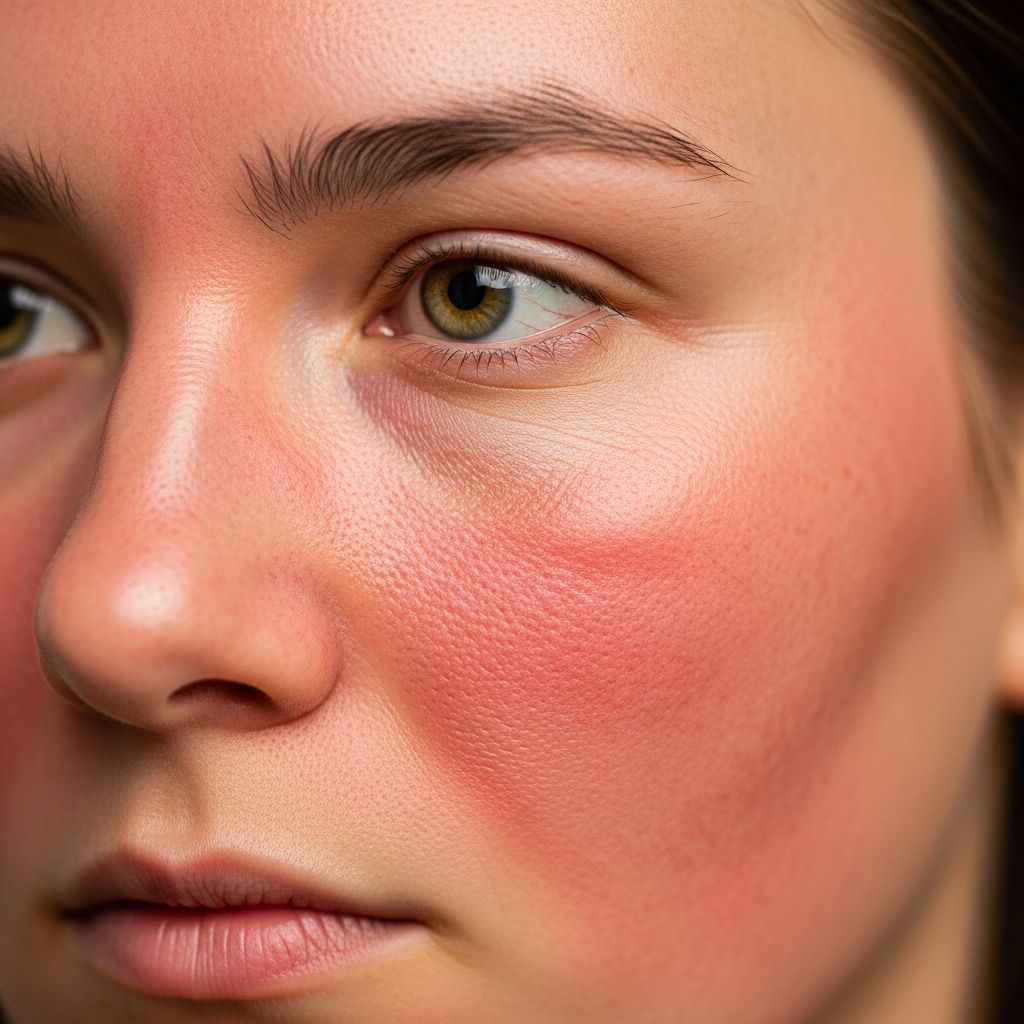
Skin flushing is a temporary or chronic condition characterized by rapid redness and warmth that appears on your face, neck, chest, or other areas of your body. This common occurrence can happen for various reasons, ranging from emotional responses to underlying medical conditions. While occasional flushing is a normal physiological response, persistent or unexplained flushing may warrant medical attention to rule out more serious conditions or determine appropriate treatment options.
What Is Skin Flushing?
Skin flushing occurs when blood vessels near the surface of your skin dilate, allowing increased blood flow to the affected area. This results in visible redness and a warm sensation. The condition can affect various parts of your body, though it most commonly appears on the face. Flushing episodes can last anywhere from a few minutes to several hours, depending on the underlying cause and individual factors.
Common Causes of Skin Flushing
Numerous factors can trigger skin flushing. Understanding these causes can help you identify patterns in your own experiences and determine whether professional evaluation is necessary.
Emotional Triggers
Embarrassment, anxiety, stress, and excitement are among the most common emotional triggers for skin flushing. When you experience strong emotions, your nervous system activates your “fight or flight” response, causing blood vessels to dilate and creating the characteristic red appearance. This type of flushing is typically temporary and resolves once the emotional stimulus passes.
Temperature and Environmental Factors
Exposure to heat, whether from environmental sources like hot weather, warm beverages, or heated indoor spaces, frequently triggers flushing. Cold exposure followed by rapid rewarming can also cause temporary redness. Strenuous exercise and physical exertion generate body heat, which commonly results in facial flushing during and immediately after workouts.
Alcohol and Dietary Triggers
Consuming alcoholic beverages can cause significant facial flushing, particularly in individuals with enzyme deficiencies or genetic predispositions. Alcohol is toxic to cells, and when it enters the cells of your blood vessels, it causes them to dilate, reddening your skin and creating warmth. This reaction is especially common among people of East Asian descent, affecting 35% to 45% of this population due to a genetic intolerance caused by ALDH2 enzyme deficiency. Spicy foods, chocolate, and hot beverages can similarly trigger flushing episodes in susceptible individuals, particularly those with rosacea.
Medical Conditions
Several medical conditions can cause persistent or recurring skin flushing. Rosacea, a chronic inflammatory skin condition, is one of the most common causes of unexplained facial flushing. Hormonal changes during menopause can trigger hot flashes, which feature sudden feelings of intense heat accompanied by facial flushing and sweating. Other potential medical causes include thyroid disorders, infections, and cardiovascular conditions.
Rosacea: A Primary Cause of Chronic Flushing
Rosacea is a chronic skin condition that primarily affects your face, causing persistent redness, frequent flushing episodes, and pimple-like bumps. This condition most commonly begins with frequent flushing of the facial skin and can progress, eventually causing the skin to appear red all the time if left untreated. Rosacea typically appears on the nose, cheeks, and forehead, though it can also develop on the neck, chest, scalp, and ears.
Related Stories



Understanding Rosacea Triggers
Rosacea is marked by vasomotor instability or hyperactivity, meaning numerous factors can dilate your blood vessels and trigger flushing episodes. Common rosacea triggers include alcohol, chocolate, hot beverages, spicy foods, sun exposure, and extreme temperatures. Importantly, people with rosacea may experience different responses to different types of alcohol—some individuals flush more with red wine, while others flush more with hard liquor. This patient-specific response makes it important to identify your personal triggers through careful observation.
Progression of Rosacea
Without treatment, rosacea can progress significantly. Initially presenting as frequent flushing, the condition can advance to persistent redness affecting the central part of the face, including the cheeks, nose, chin, and forehead. In advanced cases, you may begin to see a web of tiny blood vessels appear in the center of your face, usually around the nose. Over time, some individuals may experience thickened skin, particularly on the nose and affected facial areas.
Alcohol Flush Reaction
An alcohol flush reaction is common in individuals with alcohol intolerance and occurs when your body cannot fully digest the alcohol you consume. When an alcohol flush happens, your face, neck, and upper chest become warm and pink or red. You might also experience other symptoms like nausea or vomiting, depending on what’s causing your intolerance.
ALDH2 Enzyme Deficiency
Many people experience alcohol flush reactions due to an enzyme deficiency, particularly deficiency in aldehyde dehydrogenase 2 (ALDH2). When you have insufficient ALDH2, your body cannot effectively process acetaldehyde, a toxic byproduct of alcohol metabolism. Without enough ALDH2, you can end up having too much acetaldehyde in your body, making alcohol reach toxic levels much earlier in your cells, resulting in the characteristic flushing reaction. This condition is often referred to as the “Asian flush” or “Asian glow” because of its prevalence in East Asian populations.
Other Conditions Associated with Flushing
Beyond rosacea and alcohol intolerance, several other conditions can cause facial flushing and should be evaluated by a healthcare provider.
Harlequin Syndrome
Harlequin syndrome is a condition that affects one side of your body, most often your face and chest, causing flushing and sweating on only that side. You won’t experience sweating or flushing on the other side of your body. This unusual asymmetrical presentation is a distinctive feature of the condition. Harlequin syndrome usually isn’t anything to worry about, but a provider needs to diagnose its cause in the rare case it’s a sign of an underlying condition or a tumor. Your symptoms can last for a few minutes to a few hours until you stop the activity that caused it, such as exercise or exposure to warm temperatures. When you’re able to cool down and relax, your skin will return to normal.
Harlequin Sign
The Harlequin sign occurs when one side of your face and body turns red or darkens, while the other side looks pale or remains unchanged. You may also experience excessive sweating and warm skin on the side that changes color. On the red or darkened side, you may experience excessive sweating (hyperthermohidrosis) and your skin may feel warm to the touch. On the pale or unaffected side of your body, there won’t be any signs of sweat and your skin will be cold to the touch. The Harlequin sign affects your sympathetic nervous system, which is part of your autonomic nervous system that controls many of your body’s automatic functions like breathing, heart rate, blood pressure, and digestion.
Distinguishing Flushing from Other Conditions
It’s important to distinguish skin flushing from other skin conditions that may present with similar symptoms. Rosacea causes your skin to appear red, swollen, and bumpy, whereas a lupus rash causes red, scaly, itchy patches of skin. Both conditions can affect the skin on your face, especially your cheeks and nose, and both can flare with sun exposure. However, lupus rashes can cause long-term damage like scarring and hair loss, making accurate diagnosis crucial.
When to Seek Medical Attention
While occasional flushing is normal, certain circumstances warrant professional medical evaluation. You should talk to your doctor if you have frequent, unexplained flushing and prolonged redness in the facial area. A dermatologist can evaluate your condition, identify triggers, and prescribe treatments to alleviate symptoms and prevent progression. Additionally, when a person notices symptoms appearing in areas beyond the face such as the neck, chest, scalp, and ears, it should prompt further evaluation by a medical professional.
Even less commonly, a form of rosacea called ocular rosacea can affect the eyes. A dermatologist considers this type more severe, warranting more aggressive treatment. If you experience symptoms of Harlequin syndrome or Harlequin sign, like sweating and skin color changes on only one side of your body, you should visit a healthcare provider. While these conditions usually aren’t serious, a provider needs to diagnose the underlying cause to rule out potential complications.
Treatment Options
Treatment for skin flushing depends on the underlying cause. For rosacea patients, dermatologists tailor treatment to address individual concerns, as some patients don’t mind fairly extensive redness and pustules, while these symptoms affect others profoundly. Dermatologists can remove thickening skin of the nose and flushing areas of the face using dermabrasion or electrocautery.
For those experiencing flushing triggered by specific dietary factors, identifying and limiting trigger foods can help prevent episodes. People with rosacea who experience alcohol-related flushing may be able to prevent reactions by limiting the kinds of alcohol they consume, as facial flushing from alcohol is patient-specific.
Natural Approaches and Lifestyle Modifications
Beyond medical treatments, several lifestyle modifications can help reduce flushing episodes. Avoiding known triggers, protecting your skin from sun exposure, maintaining a consistent skincare routine, managing stress through relaxation techniques, and staying hydrated can all contribute to reducing flushing frequency and severity. Some individuals find relief through gentle facial care, avoiding harsh skincare products, and using appropriate sun protection.
Frequently Asked Questions
Q: Is skin flushing always a sign of a serious condition?
A: No, occasional skin flushing is a normal physiological response to emotions, temperature changes, and certain foods or beverages. However, frequent or unexplained flushing should be evaluated by a healthcare provider to rule out underlying conditions like rosacea or other medical issues.
Q: Can I prevent alcohol flush reactions?
A: If your flushing is caused by an ALDH2 enzyme deficiency, limiting alcohol consumption or avoiding alcohol entirely is the most effective prevention method. If your flushing is related to rosacea, you may be able to identify specific types of alcohol that trigger reactions more severely and limit those beverages accordingly.
Q: What is the difference between rosacea and a lupus rash?
A: While both conditions can cause facial redness affecting similar areas, rosacea causes red, swollen, bumpy skin, while a lupus rash causes red, scaly, itchy patches. Additionally, lupus rashes can cause long-term damage like scarring and hair loss, whereas rosacea is generally harmless though it may progress without treatment.
Q: What should I do if I notice flushing only on one side of my face?
A: Asymmetrical flushing affecting only one side of your body may indicate Harlequin syndrome or Harlequin sign. While these conditions usually aren’t serious, you should visit a healthcare provider to confirm the diagnosis and rule out any underlying conditions.
Q: How can a dermatologist help with persistent flushing?
A: A dermatologist can perform a thorough evaluation, identify underlying causes like rosacea, determine personal triggers, and prescribe appropriate treatments. They can also provide guidance on lifestyle modifications and, in some cases, perform procedures like dermabrasion to address complications from chronic flushing.
Q: Can ocular rosacea affect my vision?
A: Ocular rosacea affects the eyes and is considered a more severe form of rosacea requiring more aggressive treatment. If you experience symptoms affecting your eyes, you should seek professional medical evaluation promptly.
References
- Are Mystery Triggers Causing Your Rosacea Flare-ups? — Cleveland Clinic. 2024. https://health.clevelandclinic.org/are-mystery-triggers-causing-your-rosacea-flare-ups
- Here’s Why You Get an Alcohol Flush Reaction Every Time You Drink — Cleveland Clinic. 2024. https://health.clevelandclinic.org/facial-flushing-should-you-worry-if-your-face-turns-red-when-you-drink
- Harlequin Syndrome: What It Is, Causes, Symptoms & Treatment — Cleveland Clinic. 2024. https://my.clevelandclinic.org/health/diseases/25189-harlequin-syndrome
- Harlequin Sign: Causes & Treatment — Cleveland Clinic. 2024. https://my.clevelandclinic.org/health/symptoms/harlequin-sign
- Rosacea: An update — Cleveland Clinic Journal of Medicine, Vol. 67, No. 8. 2000. https://www.ccjm.org/content/ccjom/67/8/587.full.pdf
- Natural Treatments for Rosacea — Cleveland Clinic Health. 2024. https://health.clevelandclinic.org/rosacea-natural-treatments
- Rosacea: Symptoms, Causes, Triggers & Treatment — Cleveland Clinic. 2024. https://my.clevelandclinic.org/health/diseases/12174-rosacea
Similar Articles








Read full bio of medha deb