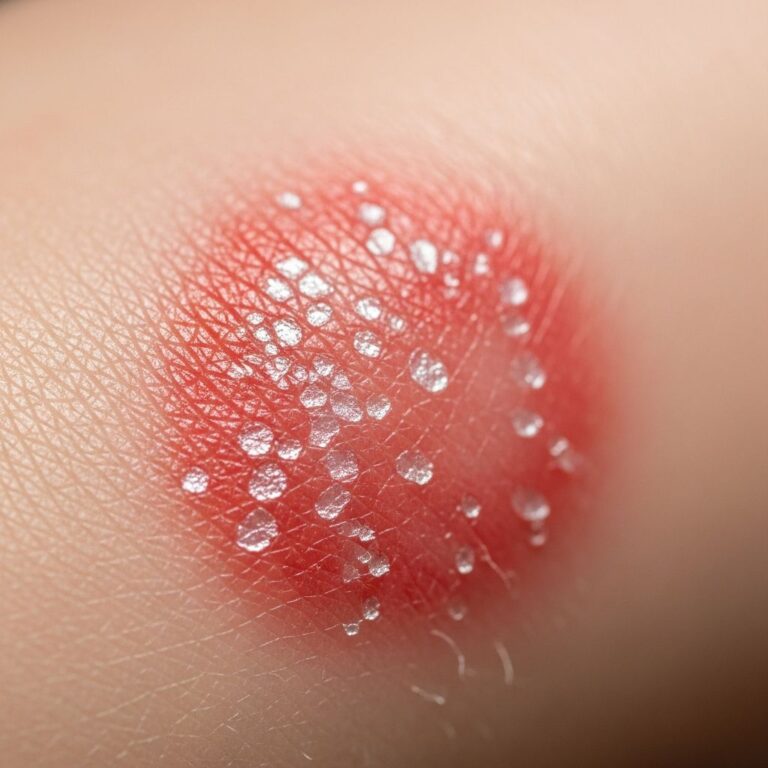
Skin Fungus: Types, Symptoms, Causes & Treatment
Complete guide to understanding skin fungal infections, their causes, symptoms, and effective treatment options.
Understanding Skin Fungus: A Complete Guide
Skin fungus, also known as a fungal infection or mycosis, is a common condition that affects millions of people worldwide. These infections occur when fungi invade the skin, hair, nails, or mucous membranes, causing a variety of uncomfortable symptoms. Fungal infections range from mild superficial conditions to more serious systemic infections. Understanding the different types of skin fungus, recognizing symptoms early, and knowing treatment options can help you manage these infections effectively and prevent complications.
What Is Skin Fungus?
Skin fungus refers to fungal infections that affect the outer layers of your skin and surrounding areas. Fungi are organisms that thrive in warm, moist environments and can spread from person to person or from contaminated surfaces. Unlike bacterial infections, fungal infections require specific antifungal treatments because standard antibiotics are ineffective against fungi.
Fungal infections are typically classified into three categories: superficial infections that affect only the skin surface, subcutaneous infections that penetrate deeper into the skin and tissue, and systemic infections that affect internal organs. Most skin fungal infections people encounter are superficial and treatable with topical or oral antifungal medications.
Common Types of Skin Fungus
Several types of fungal infections commonly affect the skin. Understanding which type you have is essential for proper treatment and prevention.
Ringworm (Tinea Corporis)
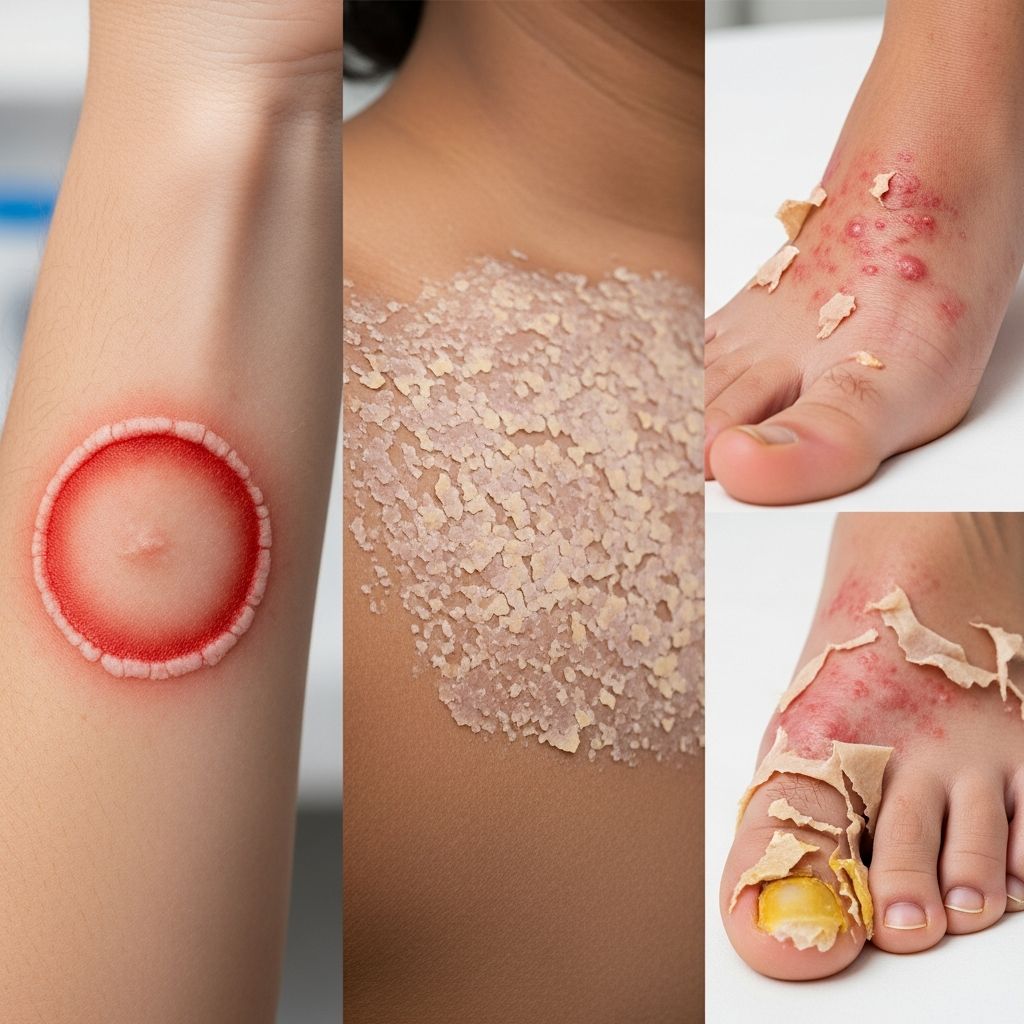
Ringworm is one of the most recognizable fungal infections, characterized by a circular, ring-like pattern on the skin. Despite its name, ringworm is not caused by a worm but by a dermatophyte fungus. This highly contagious infection spreads through direct contact with infected skin or contaminated surfaces. Ringworm typically appears as a red, itchy rash with a clear center and raised edges, most commonly found on the trunk, arms, or legs.
Athlete’s Foot (Tinea Pedis)
Athlete’s foot is a contagious fungal infection that specifically targets the feet. This condition causes itchy, stinging, and burning sensations on infected skin. The infection thrives in the warm, moist environment created by sweaty feet and tight footwear. Athlete’s foot commonly develops between the toes but can spread to the soles and sides of the feet if left untreated.
Toenail Fungus (Onychomycosis)
Toenail fungus, medically known as onychomycosis or tinea unguium, is an extremely common fungal infection caused by dermatophyte molds. These molds thrive on keratin, the protein that makes nails hard and strong. Toenail fungus causes nails to become thick, yellow, and brittle, often displaying white spots and streaks. While toenail fungus most frequently affects the toenails, it can also infect fingernails. Dermatophytes cause approximately 90% of toenail fungal infections.
Tinea Versicolor
Tinea versicolor is a fungal skin infection caused by an overgrowth of yeast on the skin. This condition creates discolored patches that may appear white, yellow, red, pink, or brown. Unlike many other fungal infections, tinea versicolor is not contagious and responds well to treatment with topical or oral antifungal medications.
Related Stories



Armpit Yeast Infection
An armpit yeast infection is a fungal skin infection caused by Candida, a type of yeast. This infection creates a bright red, itchy rash in the underarm area and thrives in warm, moist environments created by moisture and friction.
Causes and Risk Factors
Understanding how you contract fungal infections helps you take preventive measures. Fungal infections spread through various routes and are more likely to develop in certain conditions.
How You Get Fungal Infections
You can contract fungal infections through multiple pathways. Direct contact with infected skin from another person is a common transmission route, particularly with contagious infections like ringworm and athlete’s foot. Walking barefoot in contaminated areas such as locker rooms, public showers, and swimming pools increases your risk significantly. Touching contaminated surfaces, wearing contaminated clothing, or sharing personal items like towels and nail clippers can also transmit fungal infections.
Environmental factors play a crucial role in fungal transmission. Warm, moist environments provide ideal conditions for fungal growth and spread. Fungi particularly favor dark, damp areas, making them more likely to thrive in skin folds, between toes, and in other protected areas of the body.
Risk Factors for Fungal Infections
Certain conditions and characteristics increase your susceptibility to fungal infections. A weakened immune system makes you more vulnerable to fungal overgrowth. Diabetes increases infection risk due to higher blood sugar levels that fungi prefer. Prolonged antibiotic use can disrupt your skin’s natural protective bacteria, allowing fungal overgrowth. Athletes and people who frequently visit public facilities face higher exposure risks. Excessive moisture from sweating or prolonged humidity also creates favorable conditions for fungal growth. Age, poor circulation, and certain medications can all increase your likelihood of developing fungal infections.
Symptoms of Skin Fungus
Recognizing fungal infection symptoms early enables prompt treatment and prevents spread to other areas of your body or to other people.
Common Symptoms
Most fungal infections present with characteristic symptoms that help identify the condition:
- Red, itchy rashes that may have raised edges or clear centers
- Scaling, peeling, or flaking skin
- Burning or stinging sensations on affected areas
- Blistering or oozing in severe cases
- Discoloration of skin ranging from light to dark patches
- Nail discoloration, thickening, or crumbling
- Inflammation or swelling of affected areas
- Cracking or splitting of skin
When to See a Healthcare Provider
Consult a healthcare provider if symptoms persist beyond two to three weeks, if the infection covers a large area of your body, if you have signs of a secondary bacterial infection such as increased warmth, swelling, or pus, or if you have a weakened immune system. A skin specialist (dermatologist) or foot doctor (podiatrist) can properly diagnose your condition and recommend appropriate treatment options.
Diagnosis and Testing
Proper diagnosis ensures you receive appropriate treatment for your specific fungal infection. Healthcare providers use several methods to confirm fungal infections and identify the causative organism.
Clinical examination is often the first step, where your healthcare provider visually inspects the affected area. For confirmation, your provider may collect skin samples, nail debris, or hair for microscopic examination and fungal culture. These laboratory tests identify the specific fungus causing your infection and help determine the most effective treatment. Some fungal infections require additional imaging or testing to assess the extent of infection and rule out other conditions.
Treatment Options
Fungal infections respond well to appropriate antifungal treatment. The specific treatment depends on the infection type, severity, and location on your body.
Topical Treatments
Topical antifungal medications are often the first line of treatment for superficial fungal infections. These medications come as creams, ointments, lotions, shampoos, or lacquers applied directly to the affected area. Over-the-counter topical antifungals can treat mild cases of many fungal infections effectively. Common over-the-counter options include miconazole, tolnaftate, and terbinafine. For optimal results, apply topical treatments as directed, typically once or twice daily for several weeks. Topical medications like ciclopirox lacquer show mycological cure rates between 29% and 36% with consistent use over 48 weeks, making them effective for mild to moderate infections.
Oral Antifungal Medications
Prescription oral antifungal medications treat more severe or widespread fungal infections. These systemic medications work from within your body to eliminate the infection. Common oral antifungals include terbinafine, itraconazole, fluconazole, and griseofulvin. Oral medications are particularly effective for toenail fungus and widespread skin infections. Treatment duration varies from several weeks to several months depending on the infection severity and the specific medication used. Your healthcare provider will determine the appropriate dosage and duration based on your condition.
Combination Therapy
For resistant or severe fungal infections, your healthcare provider may recommend combining topical and oral treatments for enhanced effectiveness. This approach addresses the infection from multiple angles and increases cure rates.
Prevention Strategies
Preventing fungal infections is more effective than treating them after they develop. Implementing consistent preventive measures significantly reduces your infection risk.
Daily Prevention Practices
- Keep skin clean and dry, especially in skin folds and between toes
- Avoid walking barefoot in public areas like locker rooms, showers, and pools
- Wear breathable clothing and change out of damp clothes immediately
- Use antifungal powder or spray in shoes and on feet if prone to fungal infections
- Trim nails straight across and keep them short
- Avoid sharing personal items like towels, nail clippers, and hairbrushes
- Wear shower shoes in communal bathing areas
- Choose nail salons that follow proper sterilization procedures
- Disinfect nail grooming tools regularly
Environmental Modifications
Reduce moisture in your environment by ensuring proper ventilation in bathrooms and living spaces. Use a dehumidifier if necessary. Keep workout areas dry and change out of sweaty clothes promptly. Wash athletic gear and towels regularly in hot water. If you frequent gyms or pools, shower immediately afterward and dry thoroughly.
Important Cautions
Avoid using anti-itch creams containing corticosteroids on suspected fungal infections. These creams weaken your skin’s natural defenses and can allow the infection to spread across larger areas of skin. If you suspect a fungal infection, consult a healthcare provider before self-treating with corticosteroid products.
Wearing nail polish can trap moisture against your nail bed, creating an environment where fungi thrive. If you have a fungal nail infection, avoid nail polish until the infection completely resolves. Additionally, be cautious about rare but serious complications. In uncommon cases, fungal infections can progress to cellulitis, a bacterial skin infection that requires prompt antibiotic treatment to prevent serious health consequences.
When Fungal Infections Become Serious
While most skin fungal infections are superficial and treatable, certain situations require urgent medical attention. If a fungal infection shows signs of spreading rapidly, causes severe pain or swelling, develops pus or warm areas suggesting secondary bacterial infection, or affects someone with a weakened immune system, seek immediate medical care. Deep fungal infections affecting internal organs can be life-threatening and require aggressive treatment with powerful antifungal medications.
Frequently Asked Questions
Q: How long does it take to treat a skin fungal infection?
A: Treatment duration varies depending on the infection type and severity. Superficial skin fungus may improve within 2-4 weeks with topical treatment, while toenail fungus can require 3-12 months of treatment. Oral medications typically work faster than topical treatments but still require consistent use for several weeks to months.
Q: Can fungal infections come back after treatment?
A: Yes, fungal infections can recur, particularly if preventive measures are not maintained. Toenail fungus is especially notorious for returning. Continue practicing good hygiene and prevention strategies after treatment to minimize recurrence risk.
Q: Are all fungal infections contagious?
A: Most fungal infections are contagious, including ringworm, athlete’s foot, and toenail fungus. However, some fungal infections like tinea versicolor are not contagious. Your healthcare provider can tell you whether your specific infection spreads to others.
Q: Can I treat fungal infections at home with natural remedies?
A: While some natural substances have antifungal properties, clinical evidence supports antifungal medications as most effective. Over-the-counter antifungal creams are readily available and affordable. Consult your healthcare provider before relying solely on natural remedies, especially for severe or persistent infections.
Q: Should I avoid certain activities while treating a fungal infection?
A: During treatment, limit activities that create moisture and heat, such as intense exercise or prolonged bathing. Avoid sharing sports equipment, mats, or communal facilities if your infection is contagious. Keep the affected area clean and dry as much as possible.
Q: What should I do if over-the-counter treatment doesn’t work?
A: If your fungal infection doesn’t improve after 2-3 weeks of appropriate over-the-counter treatment, contact your healthcare provider. They can prescribe stronger topical or oral antifungal medications tailored to your specific infection type.
References
- Toenail Fungus (Onychomycosis/Tinea Unguium) — Cleveland Clinic. 2024. https://my.clevelandclinic.org/health/diseases/11303-toenail-fungus
- Fungal Infection (Mycosis): Types, Causes & Treatments — Cleveland Clinic. 2024. https://my.clevelandclinic.org/health/diseases/24401-fungal-infections-mycosis
- Ringworm (Tinea Corporis): What It Looks Like, Causes & Treatment — Cleveland Clinic. 2024. https://my.clevelandclinic.org/health/diseases/4560-ringworm
- Tinea Versicolor: Symptoms, Causes & Treatments — Cleveland Clinic. 2024. https://my.clevelandclinic.org/health/diseases/17719-tinea-versicolor
- What Is Athlete’s Foot & How Do You Treat It? — Cleveland Clinic. 2024. https://my.clevelandclinic.org/health/diseases/22908-armpit-yeast-infection
- Fungal Nail Infection: Assessing the New Treatment Options — Georgeanne Botek, DPM, Department of Orthopedic Surgery, Cleveland Clinic. Cleveland Clinic Journal of Medicine. 2003. https://www.ccjm.org/content/ccjom/70/2/110.full.pdf
- Treatment of Fungal Infections — EBSCO Health & Medicine Research Starters. 2024. https://www.ebsco.com/research-starters/health-and-medicine/treatment-fungal-infections
Similar Articles








Read full bio of medha deb