Skin and Hair Health: Complete Guide to Care and Treatment
Master skin and hair care with expert advice on conditions, prevention, and effective treatments.
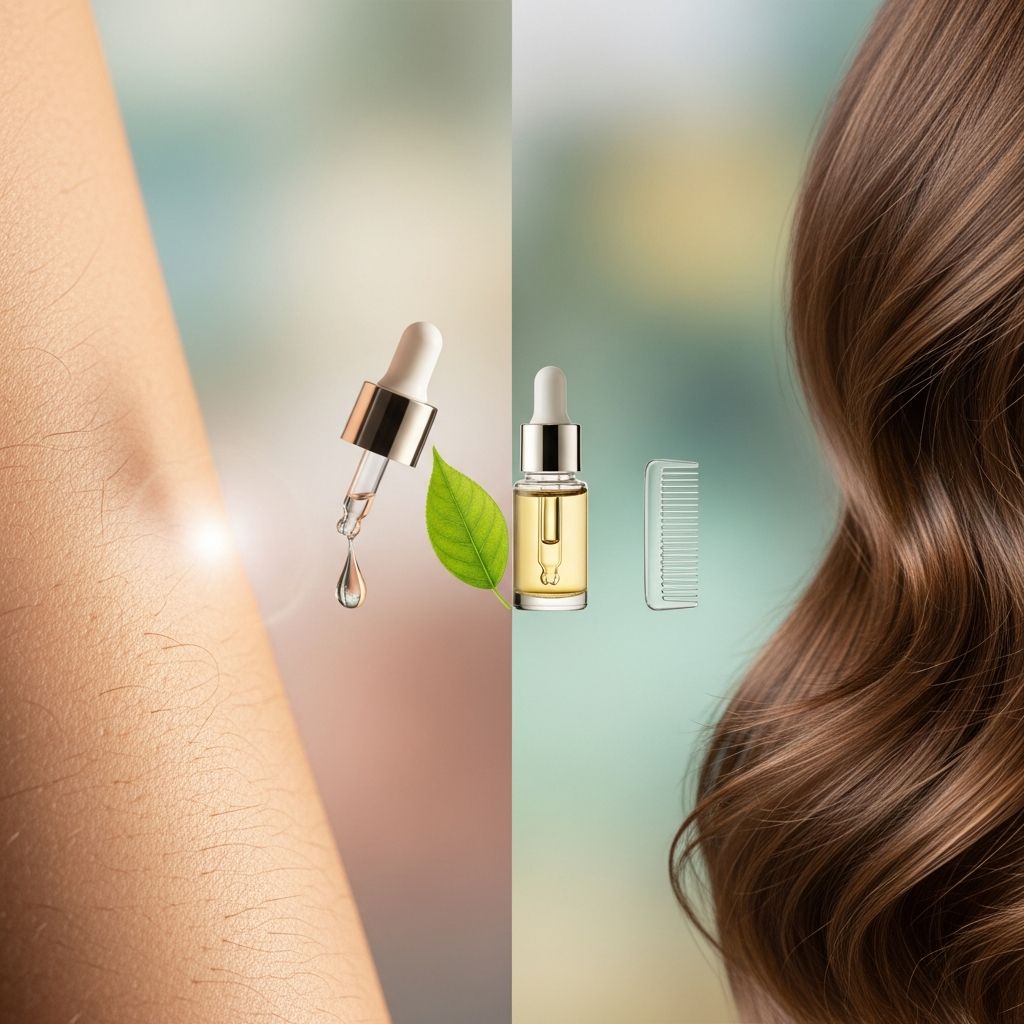
Your skin and hair are among the most visible aspects of your health and appearance. Beyond aesthetics, they serve critical protective functions for your body. Understanding how to care for them properly, recognizing common conditions, and knowing when to seek professional help can significantly improve your quality of life and overall well-being. This comprehensive guide explores the latest evidence-based approaches to maintaining healthy skin and hair throughout your life.
Understanding Your Skin: Structure and Function
The skin is the body’s largest organ, serving as a protective barrier against environmental threats while regulating temperature and facilitating sensory perception. Composed of three main layers—the epidermis, dermis, and hypodermis—your skin constantly renews itself and responds to internal and external factors. Understanding this structure helps explain why certain treatments work and why preventive care is so important.
Healthy skin maintains proper moisture balance, has adequate circulation, and benefits from protection against environmental stressors. As we age, natural changes occur including reduced collagen production, decreased moisture retention, and increased vulnerability to sun damage. However, adopting proper skincare practices can slow these processes and maintain a youthful appearance.
Common Skin Conditions and Treatments
Dermatological conditions affect millions of people worldwide, ranging from minor cosmetic concerns to serious health issues. Recognizing the signs and symptoms of common conditions allows for early intervention and more effective treatment outcomes.
Acne: More Than a Teenage Problem
Acne remains one of the most prevalent skin conditions, affecting not just teenagers but adults well into their thirties and beyond. This condition develops when hair follicles become clogged with dead skin cells and sebum, creating an environment where bacteria thrive. Research, including studies from the Harvard Nurses Health Study, demonstrates that lifestyle factors play a significant role in acne development and severity. Dietary choices, particularly dairy consumption, have been shown to increase inflammatory molecules and oil production in the skin, potentially triggering or worsening acne. Hormonal fluctuations, stress, and poor sleep quality also contribute to breakouts.
Treatment approaches range from topical solutions containing salicylic acid or benzoyl peroxide to prescription medications like retinoids and antibiotics. For severe cases, dermatologists may recommend isotretinoin, a powerful medication that can provide long-term remission. Lifestyle modifications including stress management, adequate sleep, and dietary adjustments can complement medical treatments effectively.
Rosacea: Managing Chronic Facial Flushing
Rosacea presents as persistent facial redness, visible blood vessels, and sometimes acne-like bumps. This chronic condition affects millions and tends to worsen with age. Triggers vary widely among individuals but commonly include spicy foods, alcohol, extreme temperatures, and emotional stress. Gut health plays a surprising role in rosacea management, as research reveals connections between digestive system balance and skin inflammation through what researchers call the gut-brain-skin axis.
Related Stories



Management typically involves identifying and avoiding personal triggers, using gentle skincare products, and applying broad-spectrum sunscreen daily. Dermatologists may prescribe topical or oral medications to reduce inflammation and visible symptoms. Lifestyle medicine approaches focusing on stress reduction, sleep quality, and anti-inflammatory nutrition have shown promising results for many rosacea sufferers.
Psoriasis: Understanding Systemic Inflammation
Psoriasis is an autoimmune condition characterized by thick, scaly patches of inflamed skin. This condition indicates broader systemic inflammation within the body. Research demonstrates direct links between excess body weight and psoriasis severity, suggesting that weight management can help reduce symptoms. The six pillars of lifestyle medicine—optimized nutrition, regular exercise, quality sleep, stress management, social support, and minimized substance use—all contribute to reducing the inflammation underlying psoriasis.
Treatment options include topical corticosteroids, vitamin D analogs, and systemic medications for severe cases. Phototherapy using specific light wavelengths has proven effective for many patients. Combining medical treatments with lifestyle modifications addressing the inflammatory components of the disease often produces the best outcomes.
Other Common Conditions
Eczema causes itchy, inflamed skin and requires careful moisture management and avoidance of irritants. Warts are benign growths caused by human papillomavirus and can be treated through various methods including cryotherapy and topical medications. Toenail fungus affects nail appearance and can be challenging to treat, requiring prescription antifungal medications or, in resistant cases, laser therapy. Cellulitis, a bacterial skin infection, requires prompt antibiotic treatment to prevent complications.
Skin Protection: Lotions, Potions, and Beyond
Sunscreen: Your First Line of Defense
Sunscreen represents one of the most important tools in skin protection. UV radiation causes premature aging, age spots, and most importantly, increases skin cancer risk. Effective sunscreen use requires applying adequate amounts (about one-quarter teaspoon for the face) and reapplying every two hours, or immediately after swimming. Broad-spectrum protection blocking both UVA and UVB rays is essential. Daily sunscreen use starting in childhood can reduce skin cancer risk by up to 40 percent.
Moisturizers and Skincare Products
Proper hydration maintains the skin barrier and reduces irritation. Moisturizers work best when applied to damp skin to trap water. Understanding product ingredients helps identify effective formulations. Ingredients like hyaluronic acid, glycerin, and ceramides provide hydration and barrier support. Antioxidants such as vitamins C and E protect against free radical damage. Retinoids accelerate cell turnover and collagen production, making them valuable for anti-aging routines.
Lifestyle Factors in Skin Health
Skincare extends far beyond topical applications. The six pillars of lifestyle medicine directly impact skin health and appearance. Adequate sleep allows the body to repair skin damage and produce growth hormones. Regular exercise improves circulation, delivering oxygen and nutrients to skin cells. Proper nutrition provides building blocks for collagen and supports the immune system. Stress management reduces cortisol levels that can trigger inflammation and skin conditions. Maintaining healthy social connections and relationships supports overall wellness, which reflects in skin appearance.
Skin Cancer: Prevention and Early Detection
Understanding Skin Cancer Types
Skin cancer comes in several forms, with melanoma being the most dangerous. Basal cell carcinoma and squamous cell carcinoma, while generally less aggressive, still require prompt treatment. Non-melanoma skin cancers are highly preventable through consistent sun protection starting in childhood.
Early Detection Strategies
Regular self-examination using the ABCDE method helps identify suspicious lesions early. Asymmetrical moles, irregular borders, color variation, diameter larger than a pencil eraser, and evolving appearance warrant professional evaluation. Regular skin cancer screenings by dermatologists are particularly important for individuals with fair skin, family history of skin cancer, or numerous moles.
Prevention Through Sun Safety
Sun protection prevents most skin cancers. This includes wearing protective clothing, seeking shade during peak UV hours (10 a.m. to 4 p.m.), and consistent sunscreen use regardless of weather. Teaching children proper sun safety habits establishes lifelong protective behaviors that significantly reduce lifetime skin cancer risk.
Cosmetic Procedures: Options and Considerations
Modern cosmetic dermatology offers numerous options for addressing aging skin, scars, and other concerns. Procedures range from minimally invasive to surgical interventions. Botulinum toxin injections relax muscles causing expression lines, providing temporary improvement. Dermal fillers restore volume loss and smooth wrinkles. Chemical peels remove damaged outer skin layers, revealing fresher skin beneath. Laser treatments address pigmentation, texture, and vascular concerns with varying downtime and results.
More intensive procedures like facelifts provide dramatic rejuvenation but require significant recovery time. Consultation with board-certified dermatologists or plastic surgeons helps determine appropriate options based on individual goals, skin type, and medical history. Understanding realistic outcomes, potential risks, and maintenance requirements guides informed decision-making.
Anti-Aging Approaches: Beyond Surface Level
Understanding Aging Mechanisms
Skin aging results from intrinsic factors (genetics, cellular senescence) and extrinsic factors (sun exposure, pollution, lifestyle). Collagen and elastin degradation, reduced moisture retention, and accumulated damage combine to create visible aging signs. However, research increasingly shows that lifestyle interventions can significantly slow these processes.
Effective Anti-Aging Strategies
Comprehensive anti-aging approaches combine topical treatments, lifestyle modifications, and professional procedures. Retinoids remain the gold standard for topical anti-aging, promoting cell turnover and collagen production. Antioxidants protect against environmental damage. Consistent sunscreen use prevents further damage. Quality sleep, stress management, regular exercise, and anti-inflammatory nutrition support skin health from within. These foundational approaches often produce more significant results than expensive procedures alone.
Hair Health and Common Conditions
Hair Loss: Understanding Causes and Solutions
Hair loss affects both men and women and can result from various causes including genetics, hormonal changes, nutritional deficiencies, stress, and medical conditions. Male pattern baldness, the most common form, results from genetic sensitivity to androgens. Female pattern hair loss often occurs with aging and hormonal changes. Telogen effluvium, a temporary condition, follows stress or significant life events.
Treatment options include topical minoxidil and oral finasteride for androgenetic alopecia, with varying degrees of success. Hair transplantation provides permanent solutions for suitable candidates. Addressing underlying causes—nutritional deficiencies, stress, hormonal imbalances—often improves outcomes. Low-level laser therapy shows promise in some studies for stimulating hair growth.
Maintaining Healthy Hair
Hair health reflects overall wellness. Adequate protein intake, sufficient iron and B vitamins, and proper hydration support hair growth and strength. Minimizing heat styling and chemical treatments reduces damage. Using appropriate products for your hair type and scalp condition maintains health and appearance. Regular trims prevent split ends from traveling up the hair shaft, maintaining length and style.
Integrating Medical Help and Professional Guidance
Knowing when to seek professional dermatological care ensures appropriate diagnosis and treatment. Self-treatment with over-the-counter products works for many common concerns, but persistent conditions, new growths, or severe symptoms warrant professional evaluation. Board-certified dermatologists can accurately diagnose conditions, recommend evidence-based treatments, and monitor for complications or skin cancer.
Frequently Asked Questions
Q: How often should I get a professional skin cancer screening?
A: Individuals with fair skin, family history of skin cancer, or numerous moles should have annual professional screenings. Those with average risk may screen every few years, though monthly self-examinations are recommended for everyone.
Q: Can diet really affect my skin?
A: Yes, extensively. Research shows that dairy can trigger acne through multiple mechanisms, inflammatory foods can worsen conditions like rosacea and psoriasis, and overall diet quality affects skin inflammation, hydration, and appearance.
Q: What’s the best anti-aging product?
A: Retinoids remain the most evidence-supported topical anti-aging ingredient. However, consistency with sunscreen is equally important. The best product is one you’ll use regularly as part of a comprehensive approach including lifestyle modifications.
Q: How can I improve my skin without expensive procedures?
A: Focus on foundational skincare: daily sunscreen, appropriate cleanser and moisturizer, quality sleep, regular exercise, stress management, and an anti-inflammatory diet. These basics often produce significant improvements and cost far less than professional procedures.
Q: Is it ever too late to start taking care of my skin?
A: Never. While starting early provides advantages, improvements in sun protection, skincare routines, and lifestyle factors benefit skin at any age. The skin’s regenerative capacity allows for notable improvement even after years of neglect.
References
- Skin Care and Repair Online Course — Harvard Health Publishing. Accessed 2025. https://www.harvardhealthonlinelearning.com/courses/skin-care-and-repair
- Lifestyle Medicine and Skin Health — Dr. Jessica Krant, Board-Certified Dermatologist. Laser & Skin Surgery Center of New York. 2020. https://www.youtube.com/watch?v=x80P5s1mdAI
- The Harvard Nurses Health Study: Dietary Impact on Acne — Harvard Health Publications. 2005. Research demonstrating dairy’s direct effects on skin oil production and acne formation through multiple biological pathways.
- Gut-Brain-Skin Axis in Dermatological Conditions — National Institute of Health. Peer-reviewed research on the connections between gastrointestinal health and skin disease manifestation and management.
- Obesity and Psoriasis: Inflammatory Mechanisms — Journal of Dermatological Treatment. Research linking adipose tissue inflammation to psoriasis severity and demonstrating weight management benefits for symptom reduction.
Similar Articles








Read full bio of Sneha Tete