Skin Infections in People Who Inject Drugs
Understanding, preventing, and treating skin infections common among people who inject recreational drugs for better health outcomes.
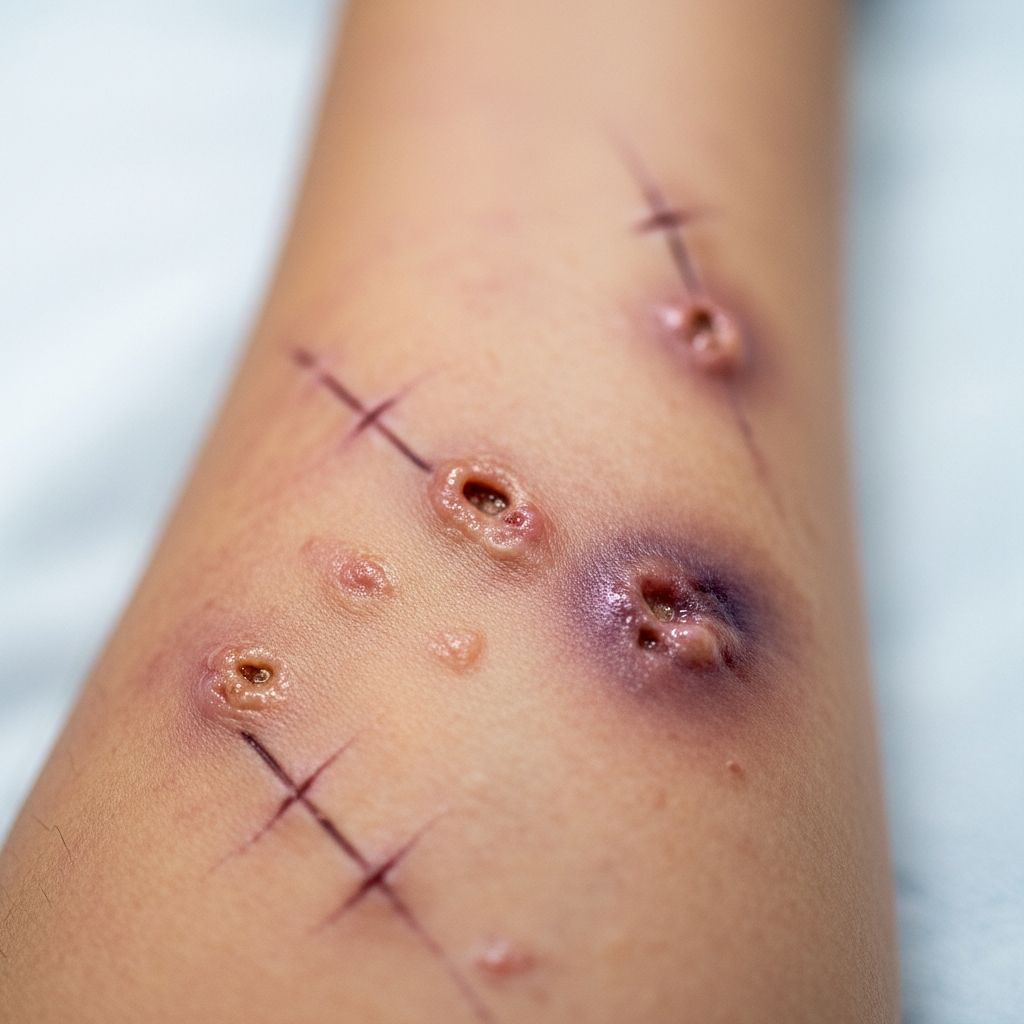
Skin and soft tissue infections (SSTIs) are among the most common complications experienced by people who inject recreational drugs (PWID), affecting up to 90% of this population at some point. These infections arise primarily from non-sterile injection practices, leading to bacterial entry into the skin and subcutaneous tissues. Common pathogens include Staphylococcus aureus (including methicillin-resistant strains, MRSA) and streptococci, often resulting in abscesses, cellulitis, and necrotizing fasciitis. Early recognition and appropriate management are crucial to prevent severe outcomes like sepsis, amputation, or death.
Who gets skin infections in people who inject recreational drugs?
Individuals who inject recreational drugs such as heroin, cocaine, methamphetamine, or fentanyl are at highest risk. This group often includes those with limited access to sterile equipment, poor hygiene, or underlying conditions like immunosuppression from chronic drug use or co-infections (e.g., HIV, hepatitis C). Prevalence is higher in urban settings with high drug use rates, and studies show that over 30% of PWID seek medical care annually for SSTIs. Factors like frequent injections, skin popping (subcutaneous injection), and injecting in high-risk sites exacerbate vulnerability.
What causes skin infections in people who inject recreational drugs?
Skin infections in PWID result from a combination of mechanical trauma, bacterial contamination, and host factors. Key causes include:
- Non-sterile equipment: Reusing needles, syringes, or filters introduces skin flora and environmental bacteria.
- Poor injection hygiene: Injecting without cleaning the skin allows commensal organisms like S. aureus to invade.
- Drug adulterants: Contaminants like levamisole in cocaine cause vasculitis and necrosis.
- Injection technique: ‘Skin popping’, multiple punctures, or injecting into infected areas promotes abscess formation.
- Host factors: Malnutrition, immune dysfunction from opioids, and venous damage leading to tissue ischemia.
Bacterial polymicrobial infections are common, with anaerobes like Clostridium species in deep abscesses. Viral co-infections (HIV, HCV) further impair healing.
What are the clinical features of skin infections in people who inject recreational drugs?
Infections typically occur at injection sites: antecubital fossae, forearms, hands, groin, neck, or legs. Presentations vary by depth and pathogen:
- Abscesses: Tender, fluctuant swellings with overlying erythema, warmth, and pus on incision. Often large (>5 cm) and indurated.
- Cellulitis: Diffuse redness, swelling, pain, and fever without fluctuance.
- Necrotizing infections: Rapidly progressive pain, crepitus, bullae, and systemic toxicity (necrotizing fasciitis).
- Other: Wound botulism (flaccid paralysis), endocarditis from bacteremia.
Track marks—linear hyperpigmentation from repeated injections—are common precursors. Systemic signs like fever may be absent in up to 70% of cases due to chronic inflammation.
How is the diagnosis of skin infections in people who inject recreational drugs made?
Diagnosis is primarily clinical, based on history of injection drug use and local signs. Key steps include:
- History: Injection sites, drug type, timeline of symptoms.
- Examination: Assess for fluctuance, lymphangitis, crepitus.
- Investigations: Blood cultures (often negative), inflammatory markers (CRP/ESR elevated in severe cases), imaging (ultrasound for abscess depth, MRI for necrotizing infections).
- Microbiology: Pus/swab culture for targeted antibiotics, though empiric therapy starts immediately.
Related Stories



Differentiate from sterile inflammation, vasculitis, or thrombosis. PWID often delay presentation, leading to advanced disease.
What is the differential diagnosis for skin infections in people who inject recreational drugs?
Conditions mimicking SSTIs in PWID include:
| Condition | Key Features | Differentiation |
|---|---|---|
| Venous thrombosis | Swelling, pain without fever/pus | Doppler ultrasound |
| Drug-induced vasculitis (e.g., levamisole) | Retiform purpura, ear involvement | Biopsy, tox screen |
| Formication wounds (methamphetamine) | Excoriations from picking | History of stimulants |
| Pyomyositis | Deep muscle pain, no superficial signs | MRI |
| Spider bites (misattribution) | Necrotic ulcer | No spiders in practice; culture |
What is the treatment for skin infections in people who inject recreational drugs?
Treatment combines surgical intervention, antibiotics, and supportive care, tailored to severity:
- Incision and drainage (I&D): First-line for abscesses >0.5 cm; perform under local anesthesia. Pack wounds open.
- Antibiotics: Empiric IV vancomycin + piperacillin-tazobactam for severe cases; oral flucloxacillin or co-amoxiclav for mild cellulitis (adjust for MRSA prevalence). Duration 5 614 days.
- Hospitalization: For systemic sepsis, necrotizing infections, or failed outpatient therapy.
- Wound care: Daily dressing changes, debridement as needed. Avoid suturing.
- Addiction support: Opioid substitution therapy (methadone/buprenorphine), counseling.
Monitor for complications like bacteremia (10 20% risk). Multidisciplinary input from infectious disease, addiction medicine essential.
Complications of skin infections in people who inject recreational drugs
Untreated SSTIs can lead to:
- Sepsis/bacteremia: Leading cause of hospitalization in PWID.
- Necrotizing fasciitis: High mortality (20 30%), requires urgent surgery.
- Wound botulism: From black tar heroin; toxin-mediated paralysis.
- Endocarditis/osteomyelitis: Seeding from bloodstream.
- Amputation: In chronic, untreated limb infections.
- Scarring/lymphoedema: Long-term disability limiting veins.
How can skin infections in people who inject recreational drugs be prevented?
Prevention focuses on harm reduction:
- Sterile equipment: Needle-syringe programs (NSPs) provide free supplies.
- Hygiene: Clean skin with alcohol swabs; use sterile water.
- Injection education: Avoid skin popping, rotate sites, proper technique training.
- Vaccinations: Against hep B, influenza to reduce secondary risks.
- Wound care: Prompt cleaning of breaks; avoid injecting into infected areas.
- Treatment access: Supervised injection sites reduce SSTI rates by 50%.
Harm reduction programs decrease infections by 30 50% per studies.
Related topics
- Cutaneous effects of drugs of abuse
- Track marks
- Abscess
- Cellulitis
- Necrotizing fasciitis
Frequently asked questions
What are the most common skin infections in injecting drug users?
Abscesses and cellulitis from S. aureus and streptococci.
Do all abscesses need antibiotics?
No, superficial draining abscesses often resolve with I&D alone; add antibiotics for systemic signs or cellulitis.
Can PWID self-treat infections?
Limited success; professional care recommended to avoid complications.
How effective are harm reduction programs?
They significantly reduce SSTIs by providing sterile gear and education.
Is MRSA common in these infections?
Yes, up to 50% in some cohorts; empiric coverage advised.
References
- Skin infections in people who inject drugs — DermNet NZ. 2024. https://dermnetnz.org/topics/skin-infections-in-people-who-inject-recreational-drugs
- Cutaneous effects of drugs of abuse — DermNet NZ. 2024. https://dermnetnz.org/topics/cutaneous-effects-of-drugs-of-abuse
- Addressing the wound care needs of patients who inject drugs — Nursing CE Connection. 2024. https://nursing.ceconnection.com/files/AddressingtheWoundCareNeedsofPatientsWhoInjectDrugs-1750951516968.pdf
- Skin and soft tissue infections: risk factors and presentations — The Pharmaceutical Journal. 2024. https://pharmaceutical-journal.com/article/ld/skin-and-soft-tissue-infections-risk-factors-and-presentations
- Mucocutaneous Manifestations of Recreational Drug Use — PubMed (J Drugs Dermatol). 2024-01-01. https://pubmed.ncbi.nlm.nih.gov/38217568/
Similar Articles








Read full bio of Sneha Tete