Skin Lesions: Types, Causes & Treatment Guide
Complete guide to understanding skin lesions, their causes, types, and effective treatment options.
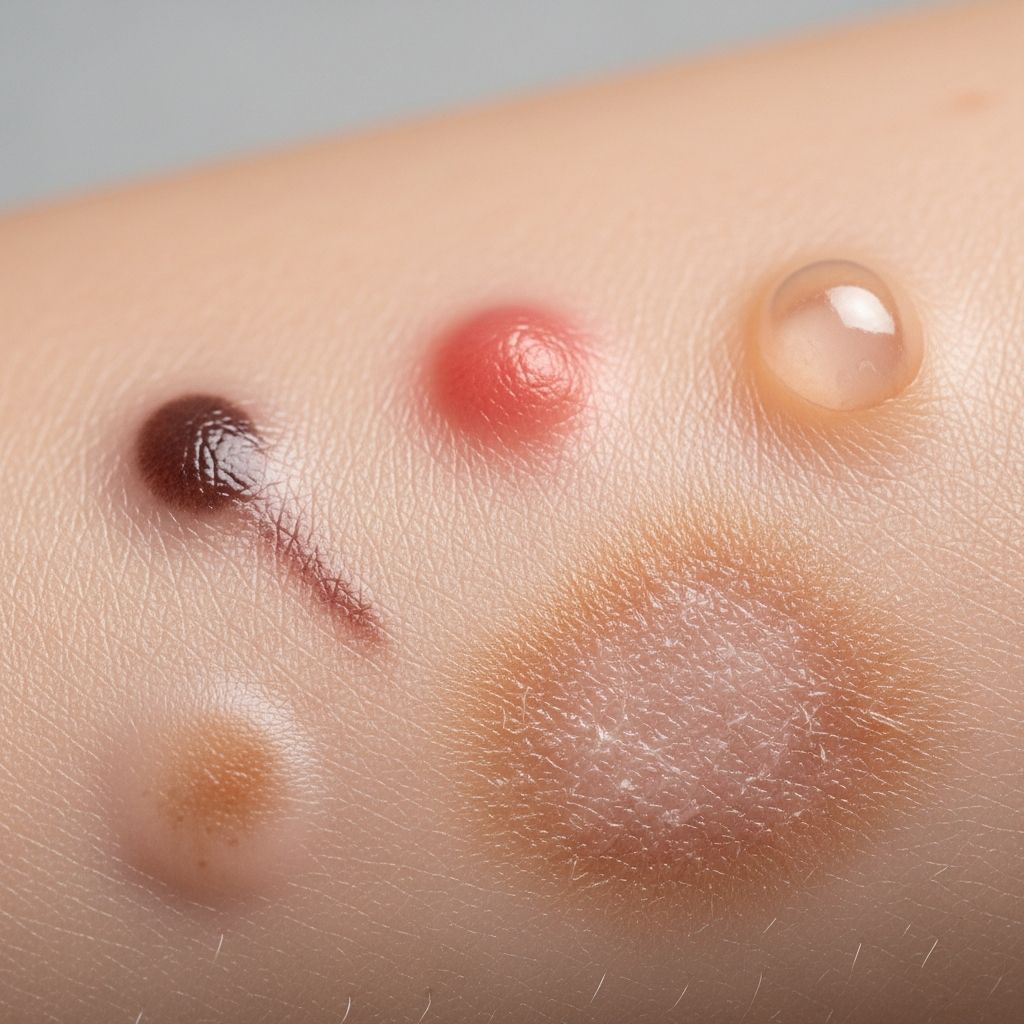
Understanding Skin Lesions: A Comprehensive Guide
Skin lesions are areas of your skin that appear different from the skin surrounding them. These abnormal changes in skin appearance are extremely common and affect people of all ages, skin types, and backgrounds. While some skin lesions result from minor injuries or temporary skin irritation, others may indicate more serious underlying conditions that require professional medical attention. Understanding what constitutes a skin lesion, recognizing different types, and knowing when to seek treatment is essential for maintaining optimal skin health.
The majority of skin lesions are benign (noncancerous) and pose no threat to your overall health. However, any unusual change in your skin warrants careful observation, as some lesions can be early warning signs of skin cancer or other systemic conditions. By learning to identify different types of skin lesions and understanding their characteristics, you can make informed decisions about your skin care and know when professional evaluation is necessary.
What Are Skin Lesions?
A skin lesion is defined as any area of your skin that differs from the skin around it in appearance, texture, or other characteristics. These abnormalities can vary significantly in size, shape, color, and texture. Skin lesions can develop for numerous reasons, ranging from environmental factors to genetic predisposition, infections, or underlying medical conditions.
Skin lesions are incredibly common and affect virtually everyone at some point in their lives. Some people are born with certain lesions, such as birthmarks or port-wine stains, while others develop them over time due to sun exposure, aging, infections, or allergic reactions. The key distinction is that a skin lesion is simply any noticeable deviation from your normal skin appearance.
Types of Skin Lesions
Understanding the different categories of skin lesions helps in identifying what you might be experiencing and determining whether professional evaluation is necessary. Skin lesions are primarily classified into two main categories: primary and secondary lesions.
Primary Skin Lesions
Primary lesions are changes in your skin that occur independently and aren’t associated with other skin conditions or underlying diseases. These are the initial manifestations of a skin condition. Common examples of primary skin lesions include:
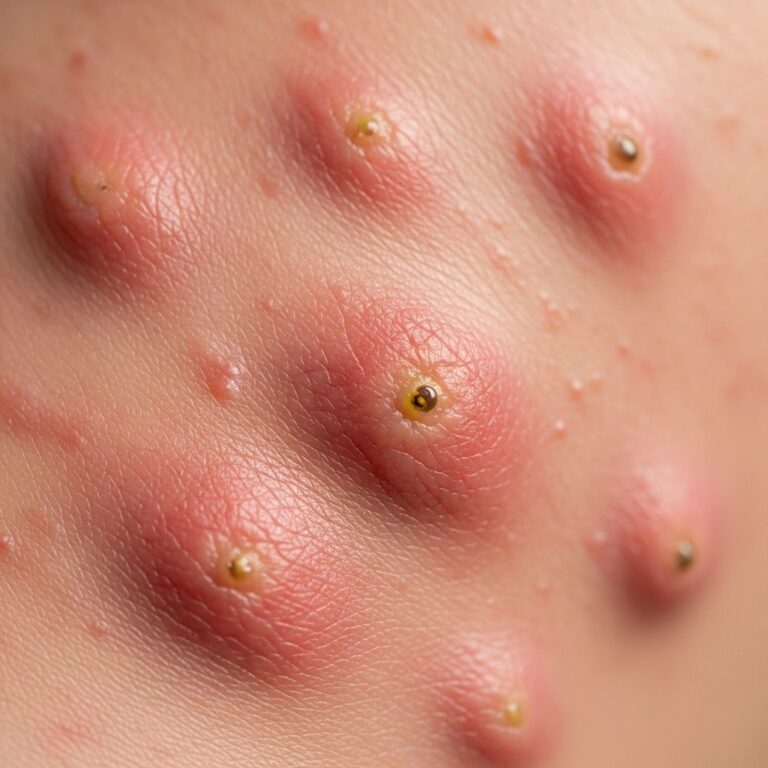
- Acne and comedones
- Birthmarks and moles
- Insect bites
- Sunburn
- Freckles
- Warts
- Skin tags
- Cherry hemangiomas
Primary lesions often appear suddenly and may or may not require treatment depending on their nature and your personal preferences regarding appearance.
Secondary Skin Lesions
Secondary lesions develop as a result of changes to primary lesions or as manifestations of more complex underlying conditions. These lesions typically result from scratching, infection, or progression of an existing skin condition. Common examples include:
- Scabs and crusting
- Cuts and scrapes from itching
- Excoriation from scratching
- Scaling from dry skin
- Lesions associated with psoriasis
- Skin manifestations of allergic reactions
Secondary lesions often indicate that a primary condition requires attention to prevent further skin damage and complications.
Benign vs. Malignant Skin Lesions
One of the most important distinctions in skin lesion classification is whether they are benign (noncancerous) or malignant (cancerous). This classification directly impacts treatment decisions and health implications.
Related Stories



Benign Skin Lesions
The vast majority of skin lesions are benign and completely harmless. Benign skin lesions are noncancerous growths that pose no threat to your overall health. Most benign lesions don’t require medical treatment unless they are bothersome, bleeding, or you’re dissatisfied with their appearance. Examples of benign skin lesions include common conditions like sunburn, acne, eczema, and various types of moles or skin tags.
Benign lesions typically have consistent characteristics and don’t change significantly over time. Many people choose to leave benign lesions untreated, while others prefer to have them removed for cosmetic reasons. Your healthcare provider can remove certain benign lesions in an office setting or through outpatient procedures if desired.
Malignant Skin Lesions
Malignant skin lesions represent skin cancer, the most common type of cancer in the United States. Skin cancer can develop from prolonged sun exposure, genetic predisposition, or other environmental factors. Unlike benign lesions, malignant lesions require prompt evaluation and treatment. Signs of skin cancer include moles that have changed in appearance, lesions with irregular borders, varied coloration, or lesions that bleed, itch, or don’t heal as expected.
Common Causes of Skin Lesions
Skin lesions develop for a wide variety of reasons. Understanding potential causes helps you determine whether your skin lesion might be temporary or requires professional evaluation. Common causes include:
- Sun exposure and UV radiation damage
- Allergic reactions and contact dermatitis
- Infections (bacterial, viral, or fungal)
- Insect bites and stings
- Trauma or injury to the skin
- Autoimmune conditions like psoriasis or lupus
- Chronic conditions and skin diseases
- Aging and natural skin changes
- Hormonal fluctuations
- Certain medications and drug reactions
Many skin lesions result from a combination of factors rather than a single cause. Your medical history, lifestyle factors, and current health status all influence your risk of developing various types of skin lesions.
Risk Factors and Susceptibility
Certain individuals are more prone to developing skin lesions due to various risk factors. If you have chronic skin conditions like psoriasis, you’re likely to experience recurring skin lesions throughout your lifetime. Individuals with allergies are more susceptible to developing lesions when exposed to allergens they’re sensitive to. Those with fair skin, family history of skin cancer, or significant cumulative sun exposure face increased risk of developing more serious lesions.
Occupational factors also play a role. People who work outdoors or in environments with chemical exposure may develop lesions more frequently. Similarly, certain medications can increase photosensitivity, making your skin more prone to lesion formation with sun exposure.
Diagnosis of Skin Lesions
Healthcare providers diagnose skin lesions primarily through visual examination. Your dermatologist will examine your skin carefully, often using a magnifying glass or dermatoscope to better visualize the lesion’s characteristics. During the examination, your provider will assess specific features including:
- Size and precise measurements
- Shape and symmetry
- Color and color variations
- Texture and surface characteristics
- Borders and edges
- Any signs of bleeding or drainage
Your medical history is equally important in diagnosis. Your healthcare provider will ask about your personal medical history, current medications, allergies, chronic conditions, recent exposures, and family history of skin cancer or other skin conditions. This comprehensive approach helps your provider determine the most likely diagnosis and recommend appropriate treatment.
Diagnostic Tests
While many skin lesions can be diagnosed through physical examination alone, certain situations may warrant additional diagnostic testing. Common diagnostic procedures include:
- Skin biopsy (shave or punch biopsy) for suspicious lesions
- Wood’s lamp examination for fungal or bacterial infections
- Patch testing for contact dermatitis
- Dermoscopy for detailed lesion analysis
- Laboratory cultures for suspected infections
Biopsies involve removing a small sample of the lesion for microscopic examination by a pathologist. This procedure provides definitive diagnosis for suspicious lesions and helps determine whether a lesion is cancerous.
When to Seek Medical Attention
While most skin lesions are harmless, certain warning signs indicate you should schedule an appointment with your healthcare provider immediately:
- Lesions that are increasing in size or changing in shape
- Lesions causing severe pain or discomfort
- Lesions that are bleeding or leaking pus
- Sores that won’t heal as expected
- Associated symptoms like fever, joint pain, or swelling
- Any lesion that concerns you or doesn’t look normal
The ABCDE rule helps identify potentially cancerous moles: Asymmetry (one half doesn’t match the other), Border irregularity, Color variation (multiple colors), Diameter greater than a pencil eraser, and Evolving (changing over time). If you notice any of these characteristics in existing moles or new lesions, schedule an evaluation with a dermatologist promptly.
Treatment Options for Skin Lesions
Treatment approaches vary significantly depending on the type of lesion, its characteristics, and your personal preferences. Your healthcare provider will discuss available options and help determine the most appropriate treatment plan for your specific situation.
Benign Lesion Treatment
Many benign skin lesions require no treatment and can be left alone without concern. However, if a benign lesion is bothersome, bleeding, or you’re unhappy with its appearance, several removal options are available. These may include surgical removal, cryotherapy (freezing with liquid nitrogen), laser treatment, or other dermatological procedures. Most removals can be performed in your healthcare provider’s office as an outpatient procedure with minimal downtime.
Malignant Lesion Treatment
Skin cancer treatment requires prompt professional evaluation and personalized treatment planning. Your provider will discuss available options, which may include surgical excision, Mohs micrographic surgery, topical medications, immunotherapy, or other advanced treatments. Early detection significantly improves treatment outcomes and cosmetic results.
Other Treatment Approaches
Depending on the underlying cause of your skin lesion, other treatments may be appropriate. For infectious causes, topical or oral antimicrobial medications may be necessary. For inflammatory conditions, topical corticosteroids or other anti-inflammatory medications might be recommended. For allergic reactions, identifying and avoiding the causative allergen is primary, supplemented by appropriate medications as needed.
Skin Protection and Prevention
While not all skin lesions can be prevented, many can be significantly reduced through proper skin care and sun protection. Your healthcare provider emphasizes the importance of:
- Wearing broad-spectrum sunscreen with SPF 30 or higher daily
- Avoiding peak sun hours (10 AM to 4 PM)
- Wearing protective clothing, hats, and sunglasses
- Avoiding known allergens and irritants
- Maintaining proper skin hygiene
- Using appropriate moisturizers for your skin type
- Avoiding picking at or squeezing skin lesions
Regular self-examination of your skin helps you identify changes early. Use a well-lit room and full-length mirror to examine your entire body regularly, including areas that receive less sun exposure. Taking photos of any lesions can help you track changes over time more effectively.
Skin Lesions and Location
Different types of skin lesions tend to appear in characteristic locations on the body. Acne typically develops on the face, chest, and back, often appearing in predictable patterns. Eczema may appear anywhere on the body but commonly affects the hands, inner elbows, neck, knees, and around the eyes. Understanding typical locations for different lesion types can aid in self-diagnosis, though professional evaluation remains essential for accurate diagnosis.
Frequently Asked Questions
Q: Are all skin lesions cancerous?
A: No, the majority of skin lesions are benign and noncancerous. However, any new or changing skin lesion should be evaluated by a healthcare provider to rule out skin cancer.
Q: Can skin lesions disappear on their own?
A: Some temporary skin lesions, like those from sunburn or minor insect bites, may resolve independently. However, persistent or changing lesions warrant professional evaluation.
Q: How often should I perform self-skin examinations?
A: Monthly self-examinations are recommended, especially if you have multiple moles, fair skin, or family history of skin cancer. This helps you detect changes early.
Q: Can I treat skin lesions at home?
A: While minor irritations can be managed with over-the-counter products, suspicious or persistent lesions require professional evaluation. Never attempt to remove potentially cancerous lesions yourself.
Q: What is the difference between a mole and a skin lesion?
A: All moles are skin lesions, but not all skin lesions are moles. Moles are specific types of benign skin growths, while skin lesion is a broader term for any abnormal skin area.
References
- Skin Lesions: What They Are, Types, Causes & Treatment — Cleveland Clinic. 2022-10-17. https://my.clevelandclinic.org/health/diseases/24296-skin-lesions
- ABCDEs of Melanoma: Warning Signs of Skin Cancer — Cleveland Clinic. https://my.clevelandclinic.org/health/diagnostics/8648-skin-self-exam
- Dermatitis: Types, Treatments, Causes & Symptoms — Cleveland Clinic. https://my.clevelandclinic.org/health/diseases/4089-dermatitis
- 10 Skin Care Tips From a Dermatologist — Health Cleveland Clinic. https://health.clevelandclinic.org/skin-care-tips
- Skin Diseases: Types of, Symptoms, Treatment & Prevention — Cleveland Clinic. https://my.clevelandclinic.org/health/diseases/21573-skin-diseases
Similar Articles








Read full bio of medha deb