Skin Manifestations of Haematological Diseases
Comprehensive guide to cutaneous signs of blood disorders, aiding early diagnosis and management.
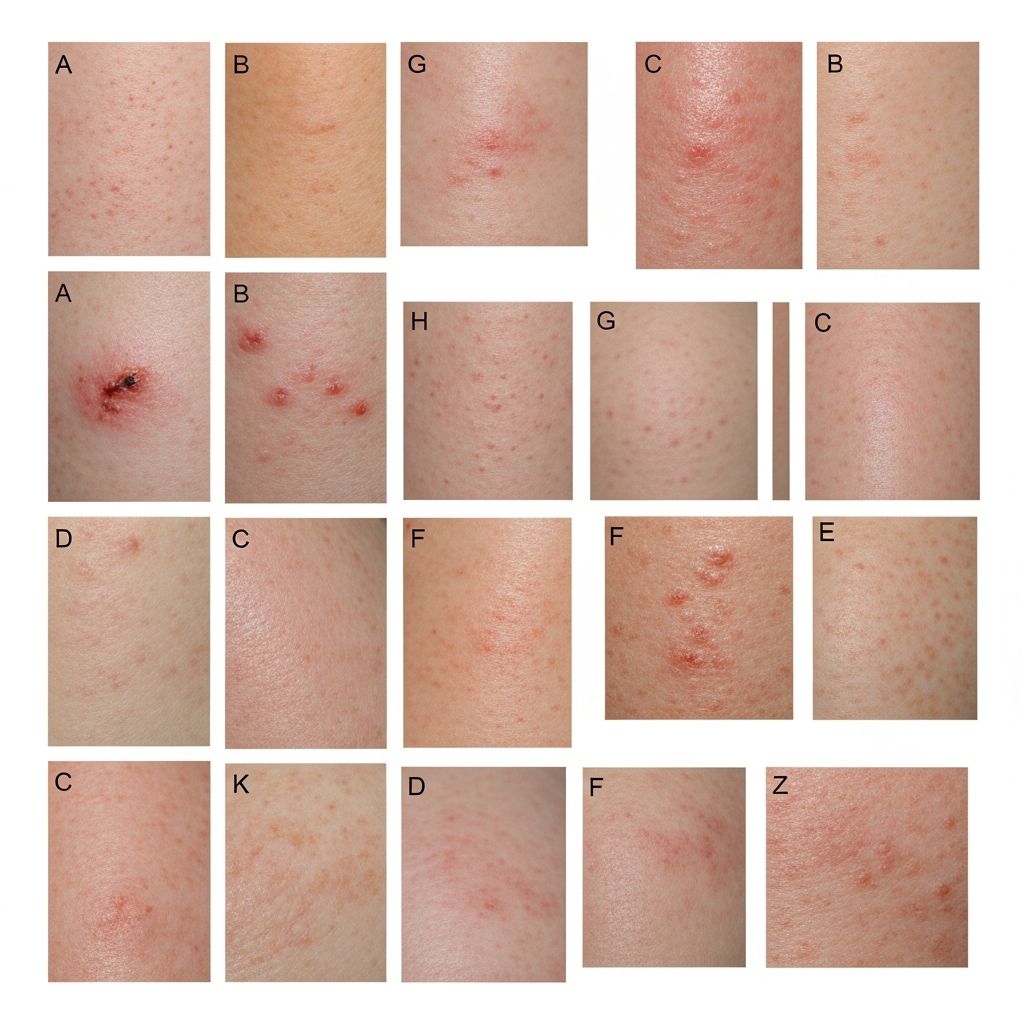
Haematological diseases encompass a broad spectrum of blood disorders, including malignancies like leukaemia, lymphoma, and myeloma, as well as non-malignant conditions such as coagulopathies and anaemias. The skin often serves as a visible mirror to these internal pathologies, presenting with diverse manifestations that can precede, accompany, or result from the underlying disease. Cutaneous signs are crucial for early diagnosis, as they may provide the first clue to an emerging haematologic disorder. These manifestations arise from mechanisms including direct neoplastic infiltration, immune dysregulation, coagulopathies, vascular abnormalities, deposition diseases, and treatment-related complications or infections due to immunosuppression.
In oncohaematologic patients, skin lesions occur frequently, with studies reporting up to 73 clinical manifestations across categories like exanthematous, purpuric, vesicular-bullous, papulonodular, urticarial, and eczematous types. Specific manifestations from neoplastic infiltration account for about 15%, immune-mediated for 50%, and immunosuppression-related for 34%. A multidisciplinary approach involving haematologists and dermatologists is essential for accurate diagnosis and management.
What are the skin manifestations of haematological disease?
Skin manifestations of haematological diseases are classified into three primary categories: specific (direct infiltration by malignant cells), reactive or paraneoplastic (immune-mediated or non-specific responses), and non-specific secondary changes (due to anaemia, coagulopathy, infections, or treatments). Specific lesions indicate advanced disease and extramedullary spread, often presenting as nodules or plaques. Reactive changes include neutrophilic dermatoses like Sweet syndrome or pyoderma gangrenosum, while secondary effects manifest as purpura, pallor, or infections.
- Specific cutaneous involvement: Neoplastic cells infiltrate the skin, common in leukaemia cutis (LC), lymphoma, and myeloma.
- Reactive/paraneoplastic: Eczematous eruptions, erythroderma, or bullous diseases linked to immune dysregulation.
- Secondary to disease/treatment: Infections (e.g., herpes zoster), drug reactions, graft-versus-host disease (GVHD), or haemorrhage from thrombocytopenia.
Who gets skin manifestations of haematological disease?
These manifestations affect patients with haematologic malignancies (e.g., acute myeloid leukaemia, chronic lymphocytic leukaemia, non-Hodgkin lymphoma, Hodgkin lymphoma, multiple myeloma) and non-malignant disorders (e.g., myelodysplastic syndromes, coagulopathies). Prevalence varies: leukaemia cutis in 10-15% of AML cases, skin involvement in 1-9% of lymphomas. Immunosuppressed patients post-chemotherapy or stem cell transplant are prone to infections and GVHD. Elderly adults and those with advanced disease are most affected.
What causes skin manifestations of haematological disease?
Pathophysiology includes:
- Neoplastic infiltration: Malignant cells disseminate via blood or lymphatics, forming papulonodular lesions.
- Immune dysregulation: Autoimmune phenomena trigger eczematous or neutrophilic dermatoses.
- Coagulopathy/vascular issues: Thrombocytopenia or amyloid deposition causes purpura or waxy papules.
- Immunosuppression: Leads to opportunistic infections or secondary malignancies.
- Treatment effects: Chemotherapy-induced eruptions or GVHD.
What are the clinical features of skin manifestations of haematological disease?
Clinical presentations are polymorphous:
Specific Manifestations
- Leukaemia cutis (LC): Firm, erythematous nodules, papules, plaques, or tumours; common in AML, often on trunk, extremities. Leukemic vasculitis may ulcerate.
- Lymphoma: Red papules, nodules, plaques with ulceration; Hodgkin lymphoma in folds, non-Hodgkin variable.
- Multiple myeloma: Rare reddish-violet nodules from plasmacytomas.
Related Stories



Reactive/Paraneoplastic
- Sweet syndrome: Tender erythematous plaques, fever; associated with AML, MDS.
- Pyoderma gangrenosum: Ulcerative lesions from papules/pustules; 20-60% linked to haematologic malignancies.
- Erythroderma: Generalized scaling erythema in Sézary syndrome or CLL.
- AL amyloidosis: Waxy papules, pinch purpura, raccoon eyes; 30-40% of cases.
Secondary Changes
- Purpura/ecchymoses: From thrombocytopenia.
- Infections: Papular herpes zoster, candidiasis.
- GVHD: Maculopapular rash progressing to bullous.
Differential diagnosis includes infections, drug eruptions, vasculitis. Biopsy is key for confirmation.
How is the diagnosis of skin manifestations of haematological disease made?
Diagnosis combines clinical exam, history, and investigations:
- Skin biopsy: Essential for specific infiltration (immunohistochemistry for CD markers).
- Blood tests: FBC, peripheral smear, bone marrow biopsy.
- Imaging: PET-CT for systemic involvement.
- Immunofluorescence: For bullous or amyloid diseases.
What is the treatment for skin manifestations of haematological disease?
Treatment targets the underlying haematologic disorder:
| Category | Treatment Approach |
|---|---|
| Specific (e.g., LC) | Systemic chemotherapy, radiotherapy; topical for localized. |
| Reactive (e.g., Sweet syndrome) | Corticosteroids, dapsone; treat malignancy. |
| Secondary (infections) | Antivirals, antifungals; immunosuppression management. |
| GVHD | Corticosteroids, immunosuppressants. |
Supportive care includes emollients, wound care. Prognosis depends on the primary disease; skin involvement often signals poor outcome.
Haematological Diseases with Prominent Skin Signs
Leukaemias
AML: Plum-coloured nodules. ALL: Aleukaemic leukaemia cutis rare. CLL: Eczematous, ulcerative lesions.
Lymphomas
CTCL: Mycosis fungoides patches to tumours. HTLV-1 lymphoma: Nodules.
Myeloproliferative Disorders
Polycythaemia vera: Pruritus, aquagenic.
Frequently Asked Questions
What do leukaemia spots look like?
Leukaemia cutis appears as firm, red-brown papules, nodules, or plaques, often multiple and symmetric.
Can skin rash indicate blood cancer?
Yes, persistent unexplained rashes like nodules or erythroderma may signal lymphoma or leukaemia; seek biopsy.
Is purpura a sign of leukaemia?
Purpura from thrombocytopenia is common but non-specific; combined with nodules suggests infiltration.
How to differentiate infection from leukaemia cutis?
Biopsy: Infections show organisms, LC malignant blasts.
Does amyloidosis cause skin changes?
Yes, waxy papules, easy bruising in periorbital areas.
This article synthesizes dermatologic signs across haematologic conditions, emphasizing biopsy and multidisciplinary care for optimal outcomes. Skin findings can dramatically influence diagnosis and prognosis.
References
- Cutaneous manifestations of hematologic malignancies — Hematological Oncology. 2018-11-29. https://onlinelibrary.wiley.com/doi/abs/10.1002/hon.2569
- Common cutaneous manifestations in hematological malignancies — Journal of Hematology and Allied Sciences. 2023. https://jhas-bsh.com/common-cutaneous-manifestations-in-hematological-malignancies/
- Dermatologic manifestations of hematologic disorders — PubMed. 2024-04-25. https://pubmed.ncbi.nlm.nih.gov/38662204/
- Dermatologic manifestations of hematologic disorders — OHSU Elsevier Pure. 2024. https://ohsu.elsevierpure.com/en/publications/dermatologic-manifestations-of-hematologic-disorders
- Skin Manifestations of Internal Disease — Merck Manuals Professional. 2024. https://www.merckmanuals.com/professional/dermatologic-disorders/approach-to-the-dermatologic-patient/skin-manifestations-of-internal-disease
Similar Articles








Read full bio of Sneha Tete