Skin Manifestations Of Systemic Mycoses: Key Signs, Diagnosis
Exploring cutaneous signs of deep fungal infections: from histoplasmosis to cryptococcosis, diagnosis and management essentials.
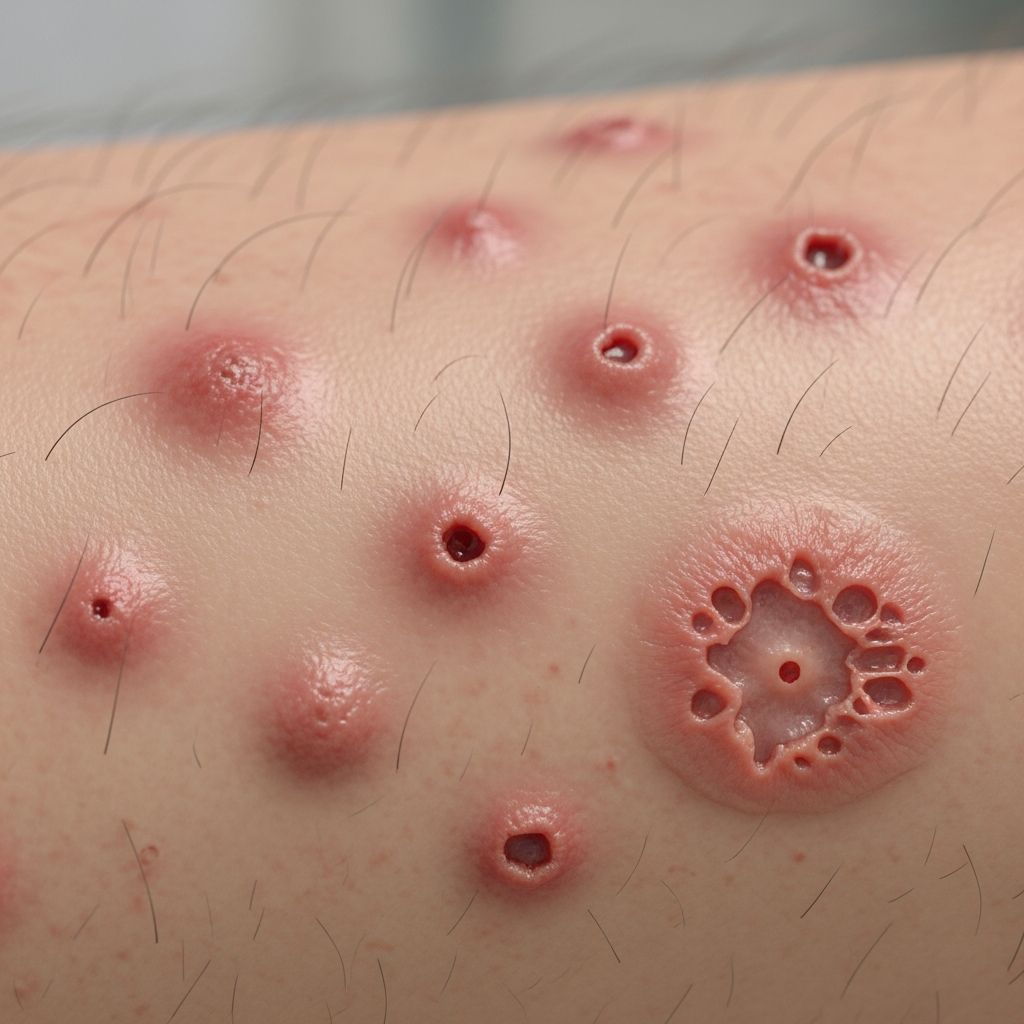
Systemic mycoses are deep fungal infections that primarily affect internal organs but frequently disseminate to the skin, particularly in immunocompromised individuals. These infections, caused by dimorphic fungi or opportunistic pathogens, present with diverse cutaneous lesions ranging from maculopapular eruptions to ulcers and nodules. Early recognition of these skin signs is crucial for timely diagnosis and treatment, as they often indicate disseminated disease.
Who gets systemic mycoses?
Systemic mycoses predominantly affect individuals with weakened immune systems, including those with HIV/AIDS, organ transplant recipients on immunosuppressive therapy, patients undergoing chemotherapy, and those with chronic corticosteroid use. Endemic exposure plays a key role; for instance, Histoplasma capsulatum thrives in bird or bat guano-contaminated soil in the Ohio and Mississippi River valleys, while Coccidioides immitis is prevalent in Southwestern US desert regions. Healthy individuals in endemic areas may develop primary pulmonary infections that remain asymptomatic or self-limited, but dissemination to skin occurs primarily in the immunocompromised.
- HIV/AIDS patients (CD4 count <200 cells/μL)
- Transplant recipients
- Cancer patients on chemotherapy
- Long-term corticosteroid users
- Individuals in endemic areas with occupational exposure (e.g., construction, farming)
Clinical Features
Cutaneous manifestations vary by organism but commonly include papules, nodules, ulcers, plaques, and cellulitis-like lesions. These often appear during disseminated phases, serving as accessible biopsy sites for diagnosis.
Histoplasmosis
Histoplasma capsulatum skin lesions typically present as numerous small pink to purple papules or plaques, resembling molluscum contagiosum. Oral ulcers are common. In acute disseminated disease, lesions may be haemorrhagic or necrotic.
Blastomycosis
Blastomyces dermatitidis causes verrucous plaques with central healing and raised borders, pustules, and ulcers. Lesions mimic pyoderma gangrenosum or squamous cell carcinoma.
Coccidioidomycosis
Skin involvement in Coccidioides species manifests as painful erythematous nodules that ulcerate, toxic erythema multiforme-like eruptions, or verrucous lesions.
Paracoccidioidomycosis
Common in South America, Paracoccidioides brasiliensis produces ulcerative mucocutaneous lesions, especially around the mouth, with a mulberry-like appearance.
Cryptococcosis
Cryptococcus neoformans presents with umbilicated papules resembling molluscum contagiosis, cellulitis, or subcutaneous abscesses in AIDS patients.
Other Systemic Mycoses
- Sporotrichosis: Linear nodules along lymphatics (sporotrichoid pattern)
- Talaromycosis (Penicillium marneffei): Papules with central necrosis in Southeast Asia
- Chromoblastomycosis: Verrucous plaques, atrophic lesions, ulcers
Diagnosis
Diagnosis combines clinical suspicion, histopathology, microbiology, and serology. Skin biopsy is often diagnostic, revealing characteristic organisms.
| Mycosis | Histological Features | Special Stains |
|---|---|---|
| Histoplasmosis | Intracellular yeast (2-4μm) in macrophages | GMS, PAS |
| Blastomycosis | Broad-based budding yeasts (8-15μm) | GMS |
| Coccidioidomycosis | Spherules (20-200μm) with endospores | GMS |
| Cryptococcosis | Encapsulated yeasts (5-10μm), mucicarmine +ve | GMS, mucicarmine |
Key diagnostic stains: Gomori methenamine silver (GMS) highlights fungal elements; periodic acid-Schiff (PAS) stains glycogen in fungal walls. Culture remains gold standard but takes weeks. Antigen detection (urine/serum) is rapid for histoplasmosis and cryptococcosis.
Treatment
Treatment depends on immune status, dissemination extent, and organism. Amphotericin B is used for severe cases; azoles for maintenance/step-down therapy.
Related Stories



- Histoplasmosis: Liposomal amphotericin B induction, then itraconazole
- Blastomycosis: Itraconazole (mild), amphotericin B (severe)
- Coccidioidomycosis: Fluconazole or itraconazole
- Cryptococcosis: Amphotericin B + flucytosine induction, fluconazole maintenance
Immune reconstitution is critical in HIV patients. Duration typically 12+ months.
Deep Mycoses: Histopathological Correlation
Beyond primary systemic mycoses, subcutaneous deep mycoses like chromoblastomycosis, phaeohyphomycosis, and eumycetoma show distinct skin manifestations and histology.
- Chromoblastomycosis: Verrucous plaques (lower extremities), sclerotic bodies (‘copper penny’)
- Phaeohyphomycosis: Deep cysts with dematiaceous hyphae, cholesterol clefts
- Sporotrichosis: Pseudoepitheliomatous hyperplasia, asteroid bodies
- Eumycetoma: Woody swellings, discharging sinuses with grains
Frequently Asked Questions (FAQs)
What are the most common skin signs of systemic fungal infections?
The most frequent manifestations include papules, nodules, ulcers, verrucous plaques, and molluscum-like umbilicated lesions, particularly in immunocompromised patients.
Which patients are at highest risk for cutaneous dissemination?
HIV/AIDS patients with low CD4 counts, transplant recipients, and those on prolonged immunosuppression face the highest risk, especially in endemic areas.
How is skin histoplasmosis diagnosed?
Biopsy shows small intracellular yeasts (2-4μm) in macrophages, confirmed by GMS stain. Urine histoplasma antigen is highly sensitive for disseminated disease.
Can healthy individuals develop skin lesions from systemic mycoses?
Rarely; primary infections in immunocompetent hosts are usually pulmonary and self-limited. Skin involvement typically indicates dissemination in the immunocompromised.
What is the treatment for cryptococcal skin lesions in AIDS?
Induction with amphotericin B plus flucytosine, followed by fluconazole maintenance, alongside antiretroviral therapy.
Prevention and Prognosis
Prevention involves avoiding endemic areas, using PPE in high-risk occupations, and antifungal prophylaxis in severely immunocompromised patients (e.g., itraconazole for histoplasmosis in AIDS). Prognosis varies: excellent for early localized disease, guarded for disseminated cases in non-responders. Mortality remains high (20-50%) in untreated AIDS-associated disseminated mycoses.
References
- Deep Fungal Infections of Skin and Role of Histopathology in Diagnosis — PMC/NCBI. 2024. https://pmc.ncbi.nlm.nih.gov/articles/PMC11642464/
- Dermatopathology and the Diagnosis of Fungal Infections — Frontiers Partnerships/British Journal of Biomedical Science. 2023-10-25. https://www.frontierspartnerships.org/journals/british-journal-of-biomedical-science/articles/10.3389/bjbs.2023.11314/full
- Primary systemic mycosis — Disease Ontology. Accessed 2026. https://disease-ontology.org/term/DOID:0050292
Similar Articles








Read full bio of Sneha Tete