Skin Microbiome’s Role in Atopic Dermatitis
Discover how bacterial balance affects eczema development and treatment strategies
Atopic dermatitis, commonly referred to as eczema, affects millions of individuals worldwide and represents one of the most prevalent chronic inflammatory skin conditions. While researchers have long recognized genetic and environmental factors in disease development, emerging scientific evidence reveals a crucial role for the skin’s microbial ecosystem in both the initiation and progression of this debilitating condition. The intricate relationship between microbial communities living on our skin and the development of atopic dermatitis has become a focal point for dermatological research, offering new perspectives on disease mechanisms and novel therapeutic opportunities.
What Is the Skin Microbiome?
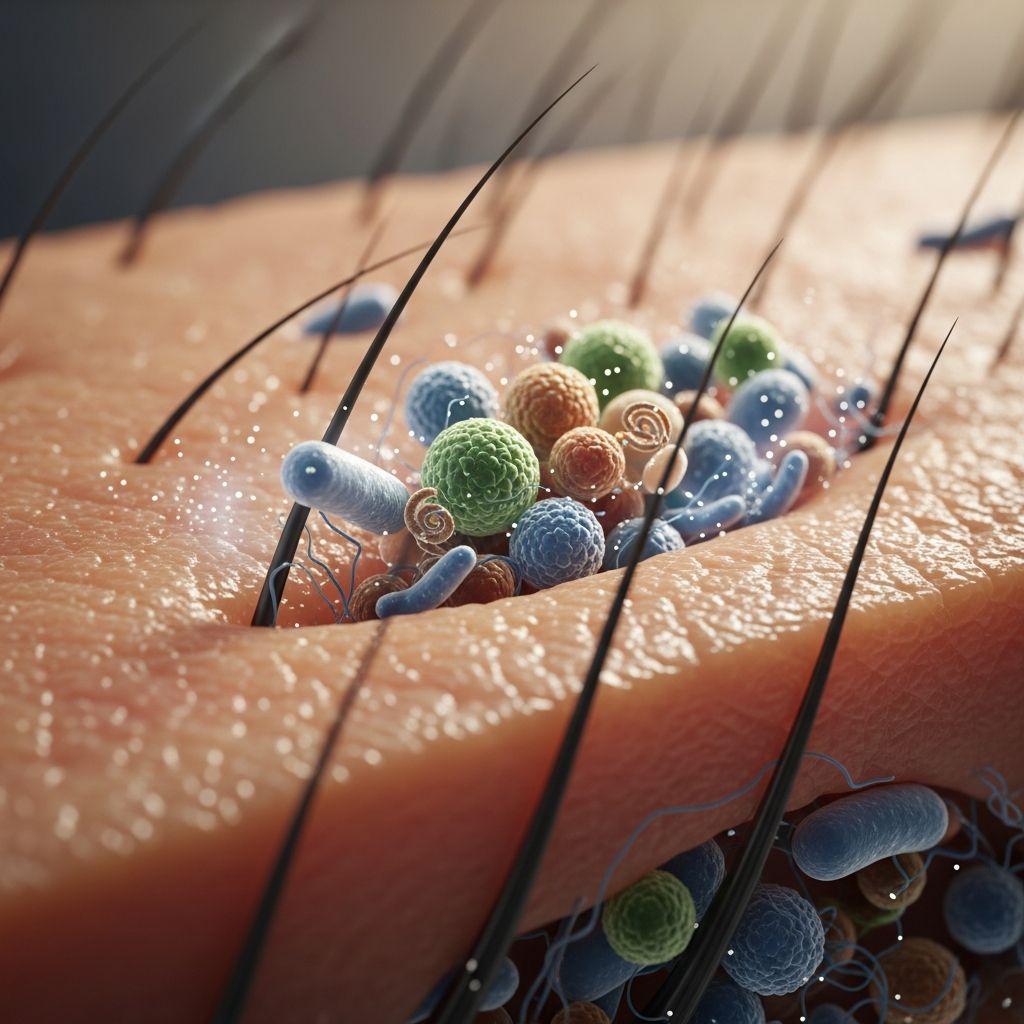
The skin microbiome refers to the complex community of microorganisms—including bacteria, fungi, and viruses—that naturally colonize the skin surface and upper layers of the epidermis. These microscopic inhabitants coexist in a delicate equilibrium with the human body, forming what scientists call a symbiotic relationship. In healthy individuals, this balanced microbial ecosystem performs essential functions, including competing with potentially harmful pathogens, strengthening the skin’s barrier function, and modulating local immune responses. The predominant bacterial species on healthy skin include Staphylococcus epidermidis, Corynebacterium species, and various Cutibacterium strains, which collectively contribute to maintaining skin homeostasis and protecting against infection.
Each person’s skin microbiome is uniquely personalized, varying based on anatomical location, age, hygiene practices, diet, and genetic factors. This individuality underscores the complexity of understanding how microbial disruptions lead to disease manifestations in different people. The microbiome functions as an invisible defense system, and any significant deviation from this balanced state can trigger cascading consequences for skin health.
Dysbiosis: When the Microbial Balance Breaks Down
Dysbiosis refers to a pathological imbalance in the skin’s microbial community, characterized by a reduction in beneficial bacterial diversity and an overgrowth of potentially harmful microorganisms. In individuals with atopic dermatitis, this microbial disruption represents a hallmark feature of the disease. Research demonstrates that people with atopic dermatitis exhibit significantly altered bacterial communities compared to those with healthy skin, with notable changes in both the types and relative abundance of microorganisms present.
The most striking characteristic of dysbiosis in atopic dermatitis is the dramatic overrepresentation of Staphylococcus aureus, a pathogenic bacterium that can exacerbate skin inflammation and trigger disease flares. Simultaneously, the abundance of protective commensal bacteria decreases, further compromising the skin’s natural defense mechanisms. This unfavorable shift in microbial composition creates a permissive environment for inflammation, allergen penetration, and secondary infections, establishing a vicious cycle that perpetuates atopic dermatitis symptoms.
Key Microbial Imbalances in Atopic Dermatitis
- Increased Staphylococcus aureus colonization: Pathogenic bacteria proliferate at the expense of beneficial species, correlating directly with disease severity
- Reduced bacterial diversity: The overall number of different bacterial species decreases, weakening the skin’s microbial defense network
- Elevated Malassezia species: Fungal overgrowth triggers inflammatory immune responses that worsen skin conditions
- Depletion of protective bacteria: Beneficial species like Staphylococcus epidermidis, which possess antimicrobial properties, become scarce
How Dysbiosis Triggers Atopic Dermatitis Flares
The relationship between microbial dysbiosis and atopic flares operates through multiple interconnected mechanisms. When beneficial bacteria populations decline, the skin loses crucial protective factors that normally prevent pathogenic colonization and regulate immune function. Staphylococcus epidermidis, a key protective bacterium, produces antimicrobial compounds and activates cellular mechanisms that directly combat pathogenic Staphylococcus aureus. When this beneficial species becomes depleted, Staphylococcus aureus gains an unopposed opportunity to establish dominance on the skin surface.
The overgrowth of Staphylococcus aureus initiates a cascade of inflammatory events. This pathogenic bacterium secretes toxins and virulence factors that damage skin cells and trigger exaggerated immune responses. The resulting inflammation manifests as the characteristic symptoms of atopic dermatitis: intense itching, erythema (redness), skin thickening, and the formation of lesions. Additionally, Staphylococcus aureus produces substances that further weaken the skin barrier, allowing allergens and irritants to penetrate more easily, perpetuating the inflammatory cycle.
Related Stories



Fungal dysbiosis, particularly involving Malassezia species, contributes to inflammation through distinct mechanisms. These fungi induce specialized immune cells (Th17 lymphocytes) that produce pro-inflammatory cytokines, intensifying skin inflammation independently of bacterial pathology. The complex interplay between bacterial and fungal dysbiosis creates a multifactorial environment that sustains atopic dermatitis activity.
The Genetic-Microbiome Connection
Recent research has illuminated how genetic predisposition interacts with microbial dysbiosis to determine atopic dermatitis risk and severity. Individuals carrying mutations in the filaggrin (FLG) gene, which encodes a critical skin barrier protein, demonstrate increased susceptibility to microbial colonization by Staphylococcus aureus. The FLG gene normally produces filaggrin protein, which strengthens the skin barrier and protects keratinocytes from bacterial toxins. When this gene is defective, skin cells become more vulnerable to Staphylococcus aureus α-toxin, creating a microenvironment favorable for bacterial proliferation.
This genetic vulnerability shapes the composition of the skin microbiome, with FLG-deficient skin demonstrating a microbial profile resembling the atopic dermatitis pattern even in individuals without clinical disease. This observation suggests that genetic factors predispose certain individuals to develop characteristic dysbiosis, which then promotes atopic dermatitis development. The relationship between host genetics and microbiota composition represents a critical frontier in understanding personalized disease risk and developing targeted interventions.
The Gut-Skin Axis: Microbiota Beyond the Skin Surface
Emerging evidence increasingly demonstrates that microbial health extends beyond the skin surface to encompass the entire gastrointestinal microbiome. A bidirectional communication pathway, termed the “gut-skin axis,” links intestinal dysbiosis with skin inflammation and atopic dermatitis development. Imbalances in gut bacterial communities may trigger systemic immune activation that manifests as cutaneous inflammation, while skin dysbiosis can influence intestinal permeability and immune tolerance.
Dietary factors, particularly those promoting beneficial gut bacterial populations, appear to influence skin microbiota composition and atopic dermatitis risk. This connection suggests that comprehensive atopic dermatitis management should consider both cutaneous and gastrointestinal microbiota health, opening avenues for dietary and probiotic interventions targeting multiple microbial ecosystems simultaneously.
Early-Life Microbiota Colonization and Disease Prevention
The timing of microbial colonization during infancy appears critically important for establishing immune tolerance and preventing atopic dermatitis development. Studies examining skin microbiota evolution from birth through the first year of life reveal that early-life colonization with protective commensal bacteria, particularly at 2-3 months of age, associates with reduced atopic dermatitis risk at 12 months. This observation suggests a developmental window during which appropriate microbial exposure shapes lifelong immune responses and disease susceptibility.
The mechanisms underlying this protection likely involve immune education, wherein beneficial bacteria train the immune system to distinguish between harmless commensals and true pathogens, establishing immunological tolerance. Birth delivery mode influences early-life microbiota colonization patterns, with vaginal delivery promoting different bacterial seeding compared to cesarean delivery, potentially affecting long-term disease risk. These findings suggest that supporting healthy microbial colonization during critical developmental periods may provide preventive benefits for atopic dermatitis and related allergic diseases.
Treatment Approaches Targeting the Microbiome
Topical Emollients and Barrier Restoration
Emollients represent foundational therapeutic agents for atopic dermatitis management, functioning beyond simple moisturization to actively restore skin barrier integrity. A competent skin barrier, reinforced by healthy lipid composition and cellular architecture, creates an inhospitable environment for dysbiosis-promoting factors. By reducing transepidermal water loss and strengthening barrier function, emollients indirectly support the reestablishment of healthy microbial communities. The barrier-restoring effects of emollients decrease skin inflammation and reduce the selective pressure that favors Staphylococcus aureus overgrowth, thereby promoting microbial rebalancing.
Judicious Antibiotic Use
While topical antibiotics have traditionally served important roles in managing secondary bacterial infections in atopic dermatitis, their long-term application poses significant risks to microbial homeostasis. Antibiotics indiscriminately eliminate both pathogenic and beneficial bacteria, potentially worsening dysbiosis and creating conditions for antibiotic-resistant pathogen emergence. Current dermatological practice emphasizes judicious, short-term antibiotic use limited to documented infections rather than prophylactic application, minimizing microbiota disruption while maintaining infection control efficacy.
Emerging Microbiota-Targeted Therapies
Contemporary research increasingly investigates therapeutic strategies specifically designed to restore skin microbial homeostasis. Probiotic approaches utilizing beneficial bacterial species such as Staphylococcus epidermidis and various Cutibacterium strains show promise in early clinical studies. These organisms inhibit Staphylococcus aureus growth through competitive mechanisms and antimicrobial compound production, potentially replacing dysbiotic patterns with healthier microbial communities. Additionally, prebiotics and fermented products designed to selectively promote protective bacteria colonization represent emerging treatment options supported by mechanistic research.
Systemic biologic therapies, such as monoclonal antibodies targeting inflammatory pathways, demonstrate dual benefits of reducing skin inflammation while simultaneously modulating the skin microbiota composition. This observation suggests that anti-inflammatory strategies and microbiota restoration work synergistically to control atopic dermatitis. Phototherapy modalities similarly show positive impacts on both clinical symptoms and microbial rebalancing, indicating multiple therapeutic pathways converge on improving microbial homeostasis.
Clinical Implications and Management Strategies
Understanding the microbiome’s role in atopic dermatitis reshapes clinical management priorities. Rather than solely targeting inflammation, comprehensive treatment now emphasizes supporting beneficial bacteria while limiting dysbiosis-promoting interventions. Key management principles include:
- Aggressive skin barrier repair through consistent emollient application and appropriate cleansing techniques
- Infection management with short-term, targeted antibiotics only when clinically indicated
- Consideration of dietary factors supporting healthy gut microbiota composition
- Anti-inflammatory therapy that simultaneously promotes microbial rebalancing
- Individual assessment of microbiota composition to guide personalized therapeutic approaches
The Future of Microbiome-Based Atopic Dermatitis Treatment
As microbiome research accelerates, dermatology approaches a future where personalized microbiota assessment informs individualized treatment plans. Advanced sequencing technologies enable comprehensive characterization of each patient’s skin microbiota composition, potentially predicting treatment response and informing targeted interventions. Live biotherapeutic products containing beneficial bacteria represent a novel therapeutic frontier, with early clinical evidence supporting efficacy in atopic dermatitis management. Furthermore, combination approaches integrating microbiota restoration with conventional anti-inflammatory therapies may optimize treatment outcomes while minimizing long-term medication requirements.
Frequently Asked Questions
Can probiotics cure atopic dermatitis?
While probiotics show promise in supporting microbial rebalancing and reducing disease severity, they represent one component of comprehensive management rather than standalone cures. The multifactorial nature of atopic dermatitis requires integrated approaches combining barrier repair, anti-inflammatory therapy, and microbiota-targeted interventions.
How long does it take to restore a healthy skin microbiome?
Microbiota restoration timelines vary significantly based on dysbiosis severity, individual host factors, and therapeutic interventions employed. Some improvements may manifest within weeks of implementing barrier repair and microbiota-supportive measures, though complete rebalancing may require several months of consistent management.
Should all atopic dermatitis patients use antibiotics?
Current evidence does not support routine antibiotic use in atopic dermatitis. Antibiotics should be reserved for documented bacterial infections, as routine application disrupts beneficial microbiota and contributes to antibiotic resistance development. Dermatologists assess infection risk individually and use targeted therapy when appropriate.
Does diet influence skin microbiota composition?
Yes, dietary factors significantly influence both gut and skin microbiota composition through multiple mechanisms. Diets promoting beneficial bacterial growth may support healthier skin microbiota profiles and reduce atopic dermatitis severity, though individual responses vary considerably.
References
- Atopic Dermatitis and the Skin Microbiome: Understanding the Connection — Henning Dermatology. https://henningderm.com/atopic-dermatitis-and-the-skin-microbiome-understanding-the-connection/
- Skin microbiome of atopic dermatitis — National Center for Biotechnology Information. 2021. https://pubmed.ncbi.nlm.nih.gov/34838450/
- Skin microbiota: pathogenic roles and implications in atopic dermatitis — Frontiers in Cellular and Infection Microbiology. 2024. https://www.frontiersin.org/journals/cellular-and-infection-microbiology/articles/10.3389/fcimb.2024.1518811/full
- The skin microbiome in the first year of life and its association with atopic dermatitis — Wiley Online Library. 2023. https://onlinelibrary.wiley.com/doi/10.1111/all.15671
Similar Articles








Read full bio of Sneha Tete