Skin Picking vs. Eczema: Understanding Two Distinct Conditions
Learn how to distinguish between compulsive skin picking and eczema, and discover effective management strategies.
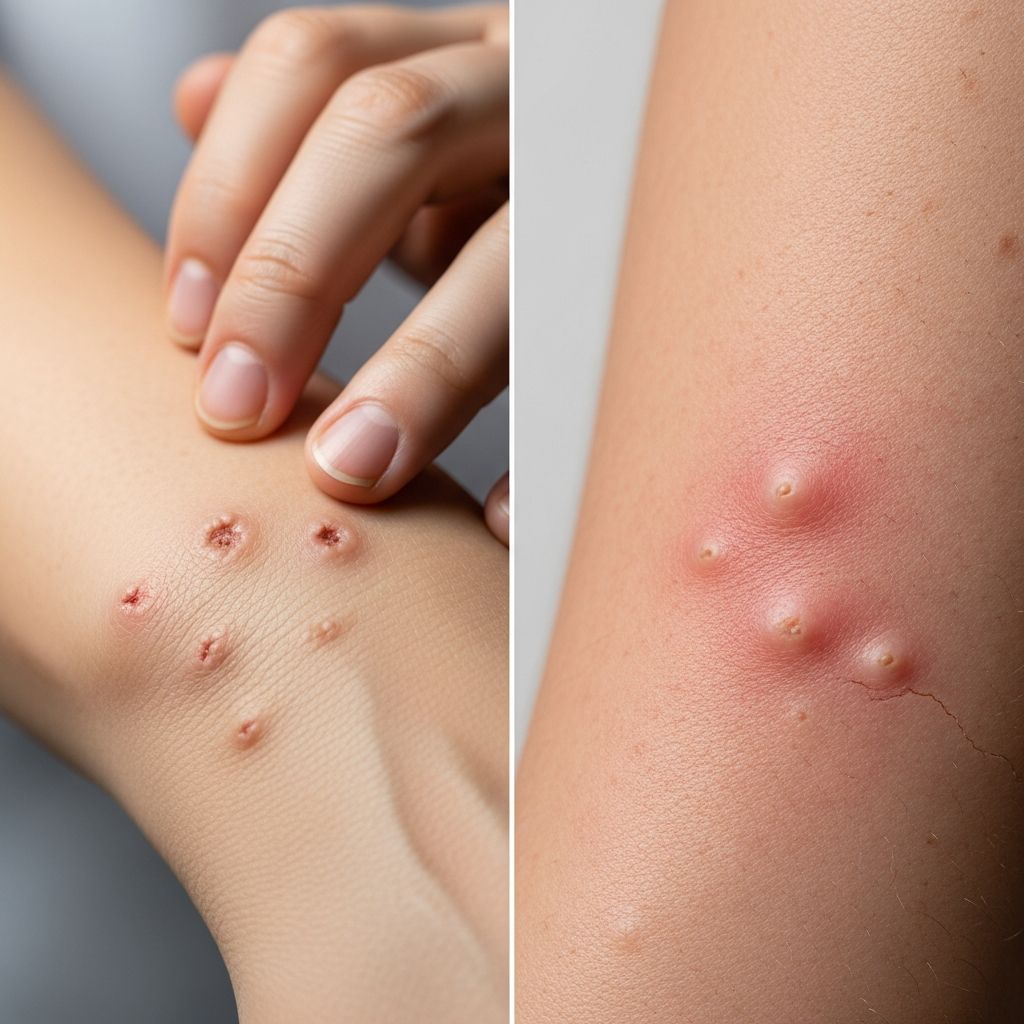
Many individuals struggle with persistent skin conditions that involve scratching, picking, and irritation. Two conditions that are frequently confused are eczema and dermatillomania (also called skin picking disorder or excoriation disorder). While both involve repeated skin manipulation and can occur simultaneously, they have fundamentally different origins and require distinct treatment approaches. Understanding the differences between these conditions is essential for receiving appropriate care and developing effective management strategies.
Defining Eczema: A Dermatological Condition
Eczema, medically known as atopic dermatitis, is a chronic inflammatory skin condition that affects individuals across all age groups. This condition disrupts the skin’s natural barrier function, which normally protects the body from environmental irritants and pathogens. When eczema develops, the skin loses its ability to retain moisture effectively, leading to a cascade of symptoms that can significantly impact quality of life.
The hallmark characteristics of eczema include:
- Intense itching that may worsen at night or during stress
- Dry, sensitive, and inflamed skin
- Red or brownish patches across affected areas
- Small, raised bumps that may leak fluid when scratched
- Swollen, cracked, or tender skin
- In severe cases, crusting and bleeding from persistent irritation
The underlying causes of eczema remain incompletely understood, which is partly why triggers vary significantly from person to person. Some individuals experience flare-ups in response to specific environmental factors, while others find their symptoms worsen due to stress, dietary choices, or changes in weather conditions. This variability means that effective eczema management often requires a personalized approach.
Understanding Dermatillomania: A Behavioral and Mental Health Condition
Dermatillomania represents a distinctly different category of condition. Rather than being primarily dermatological, it is classified as a mental health disorder characterized by compulsive and repetitive skin-picking behaviors. The condition involves an irresistible urge to pick, scratch, pull, scrape, squeeze, rub, dig into, or even bite the skin, often resulting in visible wounds, tissue damage, scarring, and potential infections.
Key features of dermatillomania include:
- Compulsive picking that occurs despite conscious attempts to stop
- Picking that is driven by psychological factors rather than physical skin conditions alone
- Emotional distress or shame associated with the behavior
- Social or occupational dysfunction caused by the condition
- Picking that persists even when the skin is healthy and clear
- Use of various tools (fingernails, tweezers, pins) or body parts to damage skin
A critical distinction between eczema and dermatillomania is that dermatillomania urges continue regardless of the skin’s actual condition. Someone with this disorder may experience the compulsion to pick even when their skin is completely clear and healthy. This psychological component sets dermatillomania apart from reactions to physical skin conditions.
The Relationship Between the Two Conditions
While eczema does not directly cause dermatillomania, these conditions can occur together and complicate one another. Some individuals develop dermatillomania as a secondary response to chronic eczema, particularly when the constant itching and visible skin damage trigger compulsive picking behaviors. Conversely, others may have pre-existing dermatillomania that is exacerbated by the presence of eczema.
Related Stories



The diagnostic distinction is important: according to the DSM-5 (Diagnostic and Statistical Manual of Mental Disorders), skin picking cannot be attributed to another medical skin condition such as scabies, eczema, or psoriasis to qualify as excoriation disorder. This means that if excessive scratching is solely due to eczema-related itching, it would not be classified as dermatillomania. However, the presence of both conditions simultaneously is possible and requires careful assessment by healthcare professionals.
The Role of Stress and Psychological Factors
Both conditions are significantly influenced by stress and emotional well-being, though through different mechanisms. Eczema patients commonly experience stress-triggered flare-ups, and researchers have established enough evidence to create an entire medical specialty called psychodermatology, which examines the mind-skin connection. When individuals experience anxiety, worry, or significant life stress, their eczema symptoms often intensify.
Similarly, individuals with dermatillomania report increased urges to pick during periods of heightened stress. For some people, skin picking functions as a coping mechanism to manage difficult emotions such as anxiety, guilt, anger, and sadness. This psychological component transforms what might appear as a simple skin problem into a more complex mental health issue requiring behavioral interventions.
Dietary changes have also been reported to influence both conditions. Some individuals notice reduced eczema symptoms and decreased picking urges when they modify their diet, suggesting that nutritional factors may play a role in symptom management for both conditions.
Diagnostic Considerations and Common Misunderstandings
One significant challenge in distinguishing between eczema and dermatillomania is that healthcare providers may not always receive adequate training in identifying dermatillomania as a mental health condition. Some dermatologists or general practitioners might focus solely on treating visible skin damage with topical creams while overlooking the behavioral and psychological components of the disorder. This can result in incomplete treatment plans that fail to address the root cause of the problem.
A healthcare professional evaluating possible dermatillomania typically looks for:
- A pattern of skin picking that leads to recurrent wounds and tissue damage
- Multiple failed attempts to reduce or stop the picking behavior
- Significant distress or dysfunction in work, school, or social relationships due to the picking
- Emotional consequences such as shame, embarrassment, or feelings of lost control
- Picking that is not explained by hallucinations or delusions from another psychiatric condition
Proper diagnosis requires a thorough assessment by a mental health professional or dermatologist experienced in recognizing behavioral skin conditions, combined with an understanding of the patient’s psychological state and behavioral patterns.
Treatment Approaches for Eczema
Eczema management focuses on reducing inflammation, restoring skin barrier function, and managing itching. When the underlying eczema is effectively treated, the associated itching typically diminishes, and the urge to scratch decreases accordingly.
| Treatment Type | Function | Examples |
|---|---|---|
| Topical Corticosteroids | Reduce inflammation and relieve itching quickly | Hydrocortisone creams and ointments (available OTC or by prescription at varying strengths) |
| Barrier Repair Moisturizers | Lock moisture into skin and repair damaged areas | OTC and prescription formulations that reduce dryness, redness, and itching |
| Lifestyle Modifications | Prevent triggers and support skin health | Stress management, dietary adjustments, appropriate clothing choices |
A key therapeutic principle is that once eczema skin has healed through appropriate treatment, the physical urge to scratch should diminish. This differs fundamentally from dermatillomania, where the picking urge persists independent of skin condition.
Treatment Strategies for Dermatillomania
Managing dermatillomania requires a multifaceted approach that addresses both the behavioral and psychological dimensions of the disorder. Treatment options include behavioral interventions, psychological therapy, and in some cases, medication.
Behavioral Strategies
- Wearing protective gloves during times when picking is most likely to occur
- Keeping fingernails short to minimize damage potential
- Removing or securing tools commonly used for picking (tweezers, pins) in difficult-to-access locations
- Keeping hands occupied through knitting, stress ball use, fidget objects, or other activities
- Identifying and avoiding personal triggers that prompt picking urges
- Using appropriate skin care products to minimize itch and irritation that may trigger picking
Psychological and Lifestyle Approaches
- Cognitive-behavioral therapy (CBT) to address thought patterns and behavioral responses
- Habit reversal training to develop alternative coping mechanisms
- Stress reduction through regular exercise, adequate sleep, and balanced nutrition
- Mindfulness and awareness training to recognize picking triggers and urges
- Professional counseling to address underlying emotional issues
When Both Conditions Co-Occur
When an individual has both eczema and dermatillomania, the situation becomes more complex and challenging. The physical itch associated with eczema provides an additional trigger for compulsive picking, making it significantly harder to resist the urge to pick at skin regardless of how effective psychological therapies may be. In these cases, managing the eczema component becomes even more critical to treatment success.
A comprehensive treatment plan for co-occurring conditions should include:
- Aggressive eczema management to minimize physical itching
- Behavioral interventions specifically designed for dermatillomania
- Regular monitoring by both dermatological and mental health professionals
- Coordination between healthcare providers to ensure integrated care
- Patient education about both conditions and their interconnected nature
Frequently Asked Questions
Can eczema cause dermatillomania?
Eczema does not directly cause dermatillomania. However, chronic eczema with its persistent itching can trigger compulsive picking behaviors in some individuals, leading to a comorbid presentation of both conditions. The onset of one condition does not necessarily mean it caused the other.
Is it normal to pick at eczema?
Occasional scratching or picking at itchy skin is normal, especially when dealing with eczema. However, when picking becomes frequent, compulsive, and difficult to control—even when the skin is not itching—this may indicate dermatillomania. The distinction lies in whether the behavior is a reaction to physical discomfort or a compulsive behavior independent of skin condition.
How do doctors differentiate between these conditions?
Healthcare providers assess the pattern and characteristics of skin damage, the individual’s ability to control picking urges, the presence of emotional distress, and whether picking occurs in the absence of physical skin irritation. A thorough psychological evaluation is often necessary to distinguish dermatillomania from eczema-related scratching.
Can treating eczema alone cure dermatillomania?
If the skin picking is purely a reaction to eczema-related itching, treating the eczema effectively should reduce picking behaviors. However, if the individual has true dermatillomania, treating eczema alone will not address the underlying compulsive behavior. Both conditions require their own targeted treatment approaches.
Are there medications for dermatillomania?
While dermatillomania is primarily treated through behavioral and psychological interventions, medication may be considered in some cases to address co-occurring anxiety or other mental health conditions that contribute to picking urges.
Moving Forward With Understanding
Recognizing whether your skin-related symptoms stem from eczema, dermatillomania, or both is crucial for receiving appropriate treatment. Eczema is a dermatological condition rooted in impaired skin barrier function and immune response, while dermatillomania is a behavioral and mental health condition involving compulsive skin manipulation. These conditions, though distinct, can interact and complicate each other when they occur together.
If you struggle with persistent skin picking or scratching that causes distress or interferes with daily life, consulting with both a dermatologist and a mental health professional can provide clarity and lead to more effective treatment strategies. Understanding the specific nature of your condition empowers you to seek appropriate care and develop a comprehensive management plan tailored to your needs.
References
- Eczema and Dermatillomania — SkinPick.com. Accessed February 2026. https://www.skinpick.com/eczema-dermatillomania
- The Difference Between Normal Skin Picking and Dermatillomania — HarlanMD.com. Accessed February 2026. https://harlanmd.com/blogs/smartlotion-blog/the-difference-between-normal-skin-picking-and-dermatillomania
- Dermatillomania (Skin Picking) — Cleveland Clinic. Accessed February 2026. https://my.clevelandclinic.org/health/diseases/22706-dermatillomania-skin-picking
- Common Misdiagnoses for Excoriation Disorder — Skin Picking Support. Accessed February 2026. https://www.skinpickingsupport.com/blog/common-misdiagnoses-for-excoriation-disorder/
Similar Articles








Read full bio of medha deb