Skin Pigment Disorders: Causes, Types, and Treatments
Understanding the causes, types, and treatments of skin pigment disorders for better skin health.
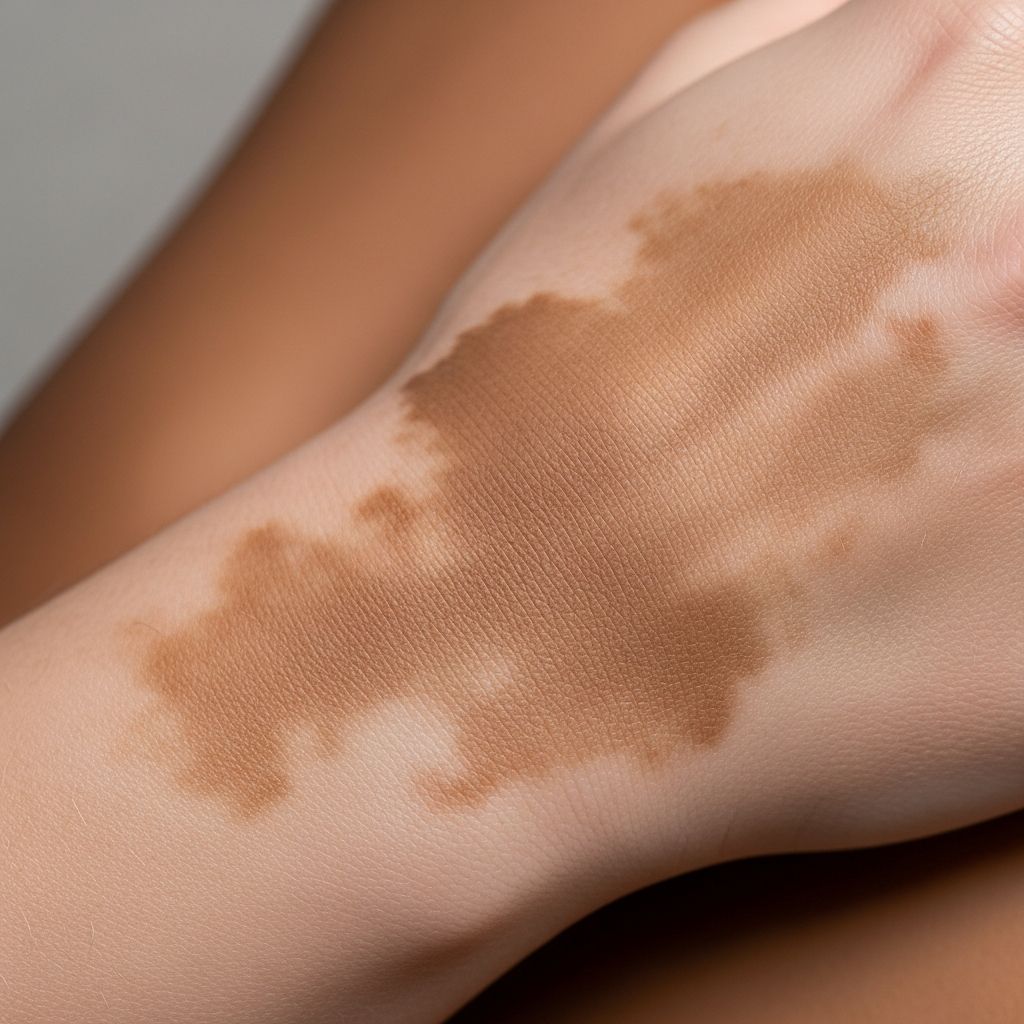
Skin pigment disorders are conditions that affect the color of the skin. These disorders can result from changes in the production of melanin, the pigment responsible for skin color. Skin pigment disorders can be localized, affecting only certain areas of the skin, or generalized, affecting the entire body. Understanding the causes, types, and treatments of these disorders is essential for proper diagnosis and management.
What Are Skin Pigment Disorders?
Skin pigment disorders are conditions that alter the color of the skin. The color of the skin is determined by melanin, a pigment produced by specialized cells called melanocytes. When these cells are damaged or dysfunctional, it can lead to changes in skin color. Skin pigment disorders can be caused by genetic factors, environmental influences, or underlying medical conditions.
Types of Skin Pigment Disorders
There are several types of skin pigment disorders, each with its own set of symptoms and causes. The most common types include:
- Vitiligo
- Melasma
- Albinism
- Hyperpigmentation
- Hypopigmentation
Vitiligo
Vitiligo is a condition characterized by the loss of melanin, resulting in white patches on the skin. These patches can appear anywhere on the body but are most commonly found on the face, hands, and feet. Vitiligo is believed to be an autoimmune disorder, where the body’s immune system attacks and destroys melanocytes.
Melasma
Melasma is a condition that causes brown or gray-brown patches on the skin, usually on the face. It is more common in women and is often triggered by hormonal changes, such as pregnancy or the use of birth control pills. Sun exposure can also worsen melasma.
Albinism
Albinism is a genetic disorder that results in a lack of melanin production. People with albinism have very light skin, hair, and eyes. They are also more susceptible to sun damage and skin cancer.
Hyperpigmentation
Hyperpigmentation is a condition where certain areas of the skin become darker than the surrounding skin. This can be caused by sun exposure, hormonal changes, or inflammation. Common forms of hyperpigmentation include age spots, melasma, and post-inflammatory hyperpigmentation.
Hypopigmentation
Hypopigmentation is the opposite of hyperpigmentation, where certain areas of the skin become lighter than the surrounding skin. This can be caused by skin injuries, infections, or certain medical conditions.
Causes of Skin Pigment Disorders
The causes of skin pigment disorders can vary widely. Some of the most common causes include:
- Genetic factors
- Environmental influences
- Underlying medical conditions
- Hormonal changes
- Sun exposure
Diagnosis of Skin Pigment Disorders
Diagnosing skin pigment disorders typically involves a physical examination and a review of the patient’s medical history. In some cases, a skin biopsy may be necessary to confirm the diagnosis. Additional tests, such as blood tests or imaging studies, may be ordered to rule out underlying medical conditions.
Related Stories



Treatments for Skin Pigment Disorders
The treatment for skin pigment disorders depends on the specific condition and its underlying cause. Some common treatments include:
- Topical creams and ointments
- Oral medications
- Laser therapy
- Chemical peels
- Dermabrasion
- Phototherapy
Topical Creams and Ointments
Topical creams and ointments are often used to treat skin pigment disorders. These products may contain ingredients such as hydroquinone, corticosteroids, or retinoids, which can help to lighten or darken the skin.
Oral Medications
Oral medications may be prescribed for certain skin pigment disorders, such as vitiligo or melasma. These medications can help to regulate the production of melanin and improve skin color.
Laser Therapy
Laser therapy is a treatment option for some skin pigment disorders. This procedure uses targeted light to remove or lighten areas of discolored skin.
Chemical Peels
Chemical peels involve the application of a chemical solution to the skin, which causes the top layer of skin to peel off. This can help to improve the appearance of skin pigment disorders.
Dermabrasion
Dermabrasion is a procedure that involves the removal of the top layer of skin using a rotating brush. This can help to improve the appearance of skin pigment disorders.
Phototherapy
Phototherapy involves the use of ultraviolet light to treat certain skin pigment disorders. This treatment can help to stimulate the production of melanin and improve skin color.
Lifestyle and Prevention
Preventing skin pigment disorders involves protecting the skin from sun exposure, avoiding harsh chemicals, and maintaining a healthy lifestyle. Some tips for preventing skin pigment disorders include:
- Using sunscreen with a high SPF
- Wearing protective clothing
- Avoiding tanning beds
- Eating a balanced diet
- Staying hydrated
Frequently Asked Questions (FAQs)
What is the most common skin pigment disorder?
The most common skin pigment disorder is hyperpigmentation, which causes certain areas of the skin to become darker than the surrounding skin.
Can skin pigment disorders be cured?
Some skin pigment disorders, such as vitiligo and melasma, can be managed with treatment, but there is no cure for these conditions. Albinism is a genetic disorder and cannot be cured.
Are skin pigment disorders contagious?
No, skin pigment disorders are not contagious. They are caused by genetic factors, environmental influences, or underlying medical conditions.
Can skin pigment disorders be prevented?
Some skin pigment disorders can be prevented by protecting the skin from sun exposure, avoiding harsh chemicals, and maintaining a healthy lifestyle.
When should I see a doctor for a skin pigment disorder?
You should see a doctor if you notice any changes in the color of your skin, especially if the changes are sudden or accompanied by other symptoms.
References
References
- Skin Pigmentation Disorders | Hyperpigmentation – MedlinePlus — U.S. National Library of Medicine. 2023. https://medlineplus.gov/skinpigmentationdisorders.html
- Skin Pigmentation Disorders: An Overview – News-Medical.Net — News-Medical.Net. 2023. https://www.news-medical.net/health/Skin-Pigmentation-Disorders-An-Overview.aspx
- Integrating skin color assessments into clinical practice and research — Johns Hopkins University. 2022. https://pure.johnshopkins.edu/en/publications/integrating-skin-color-assessments-into-clinical-practice-and-res
Similar Articles








Read full bio of medha deb