Skin Pigmentation Problems: Causes, Types, and Treatment
Understanding hyperpigmentation, hypopigmentation, and depigmentation disorders of the skin.
Understanding Skin Pigmentation Problems
Skin pigmentation disorders represent a significant concern for dermatologists and patients worldwide. The appearance of the skin is primarily determined by melanin, the pigment produced by specialized cells called melanocytes located at the base of the epidermis. When the production, distribution, or metabolism of melanin becomes disrupted, various pigmentation disorders can develop. Understanding these conditions is essential for proper diagnosis and effective treatment. Pigmentation varies naturally according to racial origin and sun exposure, but pathological changes indicate an underlying disorder that may require medical intervention.
The Melanin Production Process
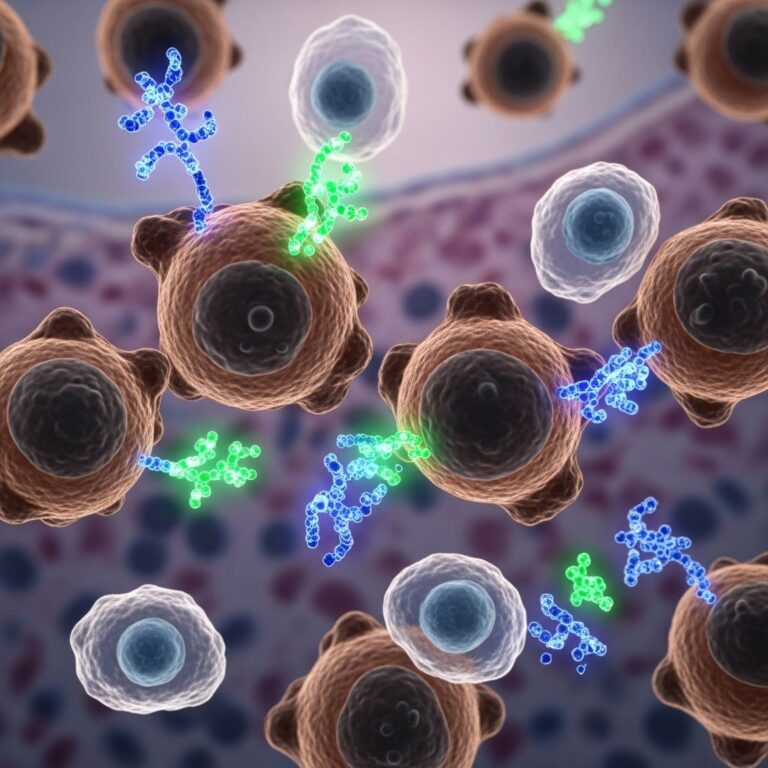
Melanin is a complex protein synthesized by melanocytes through a biochemical process known as melanogenesis. Once produced, melanin is transported through cellular structures called melanosomes and transferred to surrounding keratinocytes, which carry the pigment to the skin surface. This intricate process is influenced by multiple factors including genetics, ultraviolet radiation exposure, hormonal status, inflammatory responses, and immune function. The melanocytes of individuals with darker skin tones produce more melanin than those with lighter skin, a protective adaptation against sun damage. However, when this process becomes dysregulated, it can result in either excessive or deficient pigmentation.
Types of Skin Pigmentation Disorders
Skin pigmentation problems can be broadly categorized into three main categories based on the amount of melanin present in the skin:
Hyperpigmentation (Hypermelanosis)
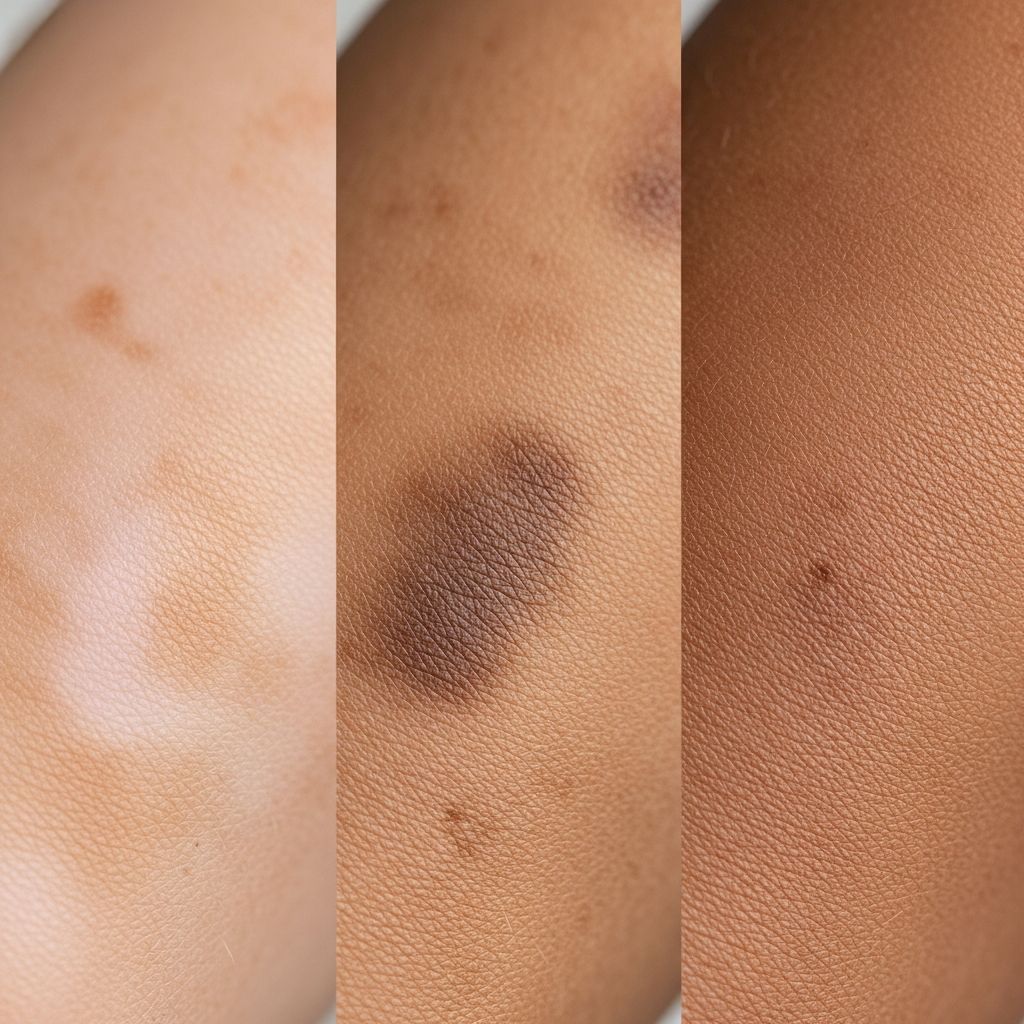
Hyperpigmentation refers to an increase in melanin that results in darker patches or areas on the skin. This condition can occur through two primary mechanisms: an increased number of pigment cells (melanocytes) or increased production of melanin by existing melanocytes. Hyperpigmentation affects individuals of all skin types but is particularly prevalent and pronounced in people with darker skin, where the color intensity tends to be greater and persistence longer. Common manifestations include patchy brown to black discolorations that may worsen with sun exposure. The pigmentation can be localized to specific areas or occur in a generalized pattern across larger body surfaces.
Hypopigmentation (Hypomelanosis)
Hypopigmentation is characterized by a reduction in melanin production, resulting in pale or light patches on the skin. Unlike complete depigmentation, hypopigmentation retains some residual melanin and pigment cells. This condition may result from inflammatory skin disorders, infections, or injuries that damage melanocytes without completely destroying them. The pale patches are typically reversible if the underlying cause is addressed, particularly when hypopigmentation is secondary to inflammatory conditions. Many cases of hypopigmentation resolve spontaneously over weeks to months once the triggering disorder has been successfully treated.
Depigmentation (Leukoderma)
Depigmentation or leukoderma represents complete loss of skin color due to an absence of melanocytes or complete loss of melanin in the epidermis. This condition results in pure white patches that are often more severe and permanent than hypopigmentation. Depigmentation may occur as a consequence of severe injury, scarring, or specific dermatological conditions such as vitiligo. Unlike hypopigmentation, depigmentation typically does not respond well to treatment and may be permanent, especially when caused by scarring.
Postinflammatory Hyperpigmentation
Postinflammatory hyperpigmentation is a common pigmentation disorder that develops following skin injury or inflammatory conditions. This temporary pigmentation occurs after thermal burns, infections, dermatitis, or other inflammatory skin diseases. The condition results from stimulation of melanocytes by inflammation in the epidermis, leading to increased melanin synthesis and transfer to surrounding keratinocytes. When the basal layer of the skin is injured, such as in lichen planus, melanin pigment is released and subsequently trapped by macrophages in the papillary dermis, creating what is known as dermal melanosis or pigment incontinence. Postinflammatory hyperpigmentation is more common in darker-skinned individuals, where the color tends to be more intense and persists for longer periods compared to lighter skin types. The condition is typically temporary, distinguishing it from true depigmentation.
Related Stories



Clinical Presentation and Diagnosis
Pigmentation disorders present with varying clinical appearances depending on the type and severity of the condition. Hyperpigmented patches range from light brown to black in color and are located at the site of the original disease after it has healed. These lesions may become darker upon exposure to sunlight and ultraviolet radiation. Dermal melanosis creates a characteristic grey-purple-brown hue to the skin color, which can aid in clinical recognition.
Diagnosis of pigmentation disorders is primarily clinical, based on careful history taking and physical examination of the skin. However, the diagnosis is sometimes only confirmed through skin biopsy and histopathological examination. Histopathology reveals patchy epidermal melanosis and/or dermal melanosis, allowing definitive classification of the pigmentation disorder. This distinction between epidermal and dermal pigmentation is crucial, as treatment approaches differ significantly between these two types.
Sun Protection and Prevention
Solar ultraviolet radiation plays a significant role in exacerbating many pigmentation disorders. When pigmentation affects exposed areas of the body, daily application of broad-spectrum sunscreen with a sun protection factor (SPF) of 50 or higher is essential to minimize darkening caused by ultraviolet rays. This protective measure is particularly important for individuals with epidermal hyperpigmentation, as ongoing sun exposure can perpetually darken the affected areas. However, sunscreen is not effective for melanin located in the dermis or pigmentation caused by carotene, medications, or tattoos. Consistent sun avoidance and protective clothing provide additional benefits beyond topical sunscreen application.
Topical Treatment Options
Various topical treatments are available to lighten or bleach hyperpigmented lesions, particularly those involving epidermal hypermelanosis. These medications work through different mechanisms to inhibit melanin production or promote melanin removal. Treatment success varies considerably, and combinations of therapies are usually required for significant improvement. Common topical agents include:
- Hydroquinone – a tyrosinase inhibitor that reduces melanin synthesis
- Tretinoin – a retinoid that increases cell turnover and melanin clearance
- Topical corticosteroids – agents that reduce inflammation and melanin production
- Kojic acid – a natural compound that inhibits tyrosinase activity
- Azelaic acid – an antimicrobial with melanin-inhibiting properties
- Vitamin C – an antioxidant with potential depigmenting effects
- Glycolic acid – an alpha-hydroxy acid that promotes exfoliation
The most successful combination formulation for certain conditions such as melasma includes hydroquinone, tretinoin, and a moderate-potency topical steroid, which has been reported to clear or improve symptoms in 60–80% of cases. These topical treatments are not effective for dermal hypermelanosis, as the pigment is located too deep in the skin for topical agents to reach.
Physical and Procedural Treatments
Physical treatments including chemical peels, laser therapy, and intense pulsed light (IPL) may be helpful for epidermal pigmentation disorders. However, these modalities carry significant risk of aggravating the condition by injuring the epidermis and stimulating further melanin production, potentially resulting in postinflammatory hyperpigmentation. Chemical peels work by removing the outer layers of skin containing excess melanin, while laser and IPL technologies use targeted light energy to break down melanin deposits. Picosecond lasers, which deliver energy in extremely short pulses, have shown particular promise in treating certain pigmentation disorders. Cautious cryotherapy applied to small areas of postinflammatory pigmentation can be effective but risks causing permanent hypopigmentation.
These physical treatments are generally ineffective for dermal melanosis and may worsen the condition in patients with pigmentation caused by scarring or severe inflammation. Patients undergoing laser or chemical peel treatments should be pretreated with tyrosinase inhibitors such as hydroquinone to minimize the risk of postinflammatory hyperpigmentation.
Cosmetic Camouflage
For patients with persistent pigmentation disorders or those who prefer to avoid pharmacological or procedural treatments, cosmetic camouflage offers an effective temporary solution. Specialized makeup formulations can effectively mask hyperpigmented or hypopigmented patches, allowing patients to improve their appearance while pursuing definitive treatment or allowing time for spontaneous resolution. This approach is particularly useful for visible facial pigmentation or when other treatments have limited efficacy or carry unacceptable risks.
Generalized Hyperpigmentation
Generalized hyperpigmentation affecting large body surface areas may occasionally arise from systemic causes. Excessive circulating melanocyte-stimulating hormone (MSH) can result in diffuse hyperpigmentation with a characteristic bronze hue, which may indicate underlying endocrine dysfunction. Addisonian pigmentation refers to any diffuse skin hyperpigmentation more pronounced on sun-exposed areas that mimics the presentation of Addison’s disease, an endocrine disorder involving adrenal insufficiency. Certain medications, nutritional deficiencies such as vitamin B12 deficiency, and systemic diseases can also produce generalized hyperpigmentation patterns. A thorough medical evaluation is warranted when generalized pigmentation changes occur to exclude systemic pathology.
Localized Pigmentation Disorders
Localized pigmentation may result from multiple sources including melanin, hemosiderin (an iron-storage compound), or externally-derived pigments from tattoos or medications. When dark patches are observed, differential diagnosis should consider postinflammatory hyperpigmentation, melasma, freckles, lentigines, and other condition-specific presentations. The location, shape, and pattern of pigmentation provide important diagnostic clues. Pigmentation in exposed areas versus covered areas, symmetric versus asymmetric distribution, and association with prior inflammation or injury help narrow the diagnostic possibilities.
Treatment Approaches for Hypopigmentation
Hypopigmentation due to inflammatory skin disorders and infections usually resolves spontaneously over weeks to months once the underlying disorder has been effectively treated. However, no effective treatment currently exists for achromia (complete loss of pigment) caused by scarring. The response of vitiligo to therapy is highly variable and depends on the duration, extent, and individual factors. Treatment of hypopigmentation focuses primarily on addressing the underlying cause rather than directly stimulating melanin production. For many patients, patience and continued sun protection allow gradual repigmentation as inflammation resolves and melanocytes recover function.
Segmental Pigmentation Disorders
Segmental pigmentation disorder (SegPD) refers to localized cutaneous pigmentary anomalies that affect specific body segments without systemic manifestations. The precise mechanisms underlying SegPD remain incompletely understood, though neural factors, hormonal influences affecting pigment cells, and somatic genetic mosaicism have been proposed as contributing mechanisms. These conditions typically remain stable in appearance and intensity, with hyperpigmented patches tending to fade gradually over years. SegPD generally does not require treatment, and lesions rarely progress or cause systemic complications.
Emerging Treatments and Future Directions
Research into pigmentation disorders continues to advance, with several novel agents showing promise in clinical trials. Tranexamic acid, which blocks the conversion of plasminogen to plasmin, may inhibit synthesis of prostaglandins and other factors involved in melasma pathogenesis. 2-mercaptonicotinoyl glycine (2-MNG), which binds to certain melanin precursors, has demonstrated potential in preventing ultraviolet and visible light-induced hyperpigmentation. Multiple oral treatments are under investigation as alternatives to topical and procedural approaches. These emerging therapies may expand treatment options and improve outcomes for patients with resistant pigmentation disorders.
Management Considerations
Pigmentation disorders can be frustrating to manage, both for patients and healthcare providers. Many conditions respond slowly to treatment, especially when the pigmentation has been present for extended periods. Even successful treatment may be followed by relapse upon sun exposure, necessitating ongoing preventive measures and maintenance therapy. Realistic expectations regarding treatment timelines, expected outcomes, and the chronic nature of many pigmentation disorders should be established during initial consultation. Lifelong sun protection is essential for most patients to prevent recurrence and progression of pigmentation changes.
Frequently Asked Questions
Q: What causes hyperpigmentation?
A: Hyperpigmentation results from increased melanin production or distribution, which can be triggered by sun exposure, inflammation, injury, hormonal changes, genetic predisposition, or systemic diseases. Postinflammatory hyperpigmentation commonly follows skin injuries or inflammatory conditions.
Q: Is hyperpigmentation permanent?
A: Many cases of hyperpigmentation, particularly postinflammatory hyperpigmentation, are temporary and fade over time with appropriate sun protection. However, some types such as melasma may persist without ongoing treatment and may recur with sun exposure.
Q: Can hypopigmentation be treated?
A: Hypopigmentation from inflammatory causes often resolves spontaneously once the underlying condition is treated. However, hypopigmentation from scarring typically does not respond to treatment. Vitiligo treatment responses vary significantly among individuals.
Q: Is sunscreen effective for all pigmentation disorders?
A: Broad-spectrum SPF 50+ sunscreen is highly effective for melanin-based pigmentation in the epidermis and exposed areas. However, it is not effective for dermal melanin, pigmentation from carotene or medications, or tattoo pigments.
Q: What is the difference between hypopigmentation and depigmentation?
A: Hypopigmentation involves a reduction in melanin with some pigment remaining, while depigmentation (leukoderma) represents complete loss of melanin and melanocytes. Hypopigmentation may be reversible, whereas depigmentation is often permanent.
References
- Postinflammatory Hyperpigmentation — DermNet New Zealand. 2024. https://dermnetnz.org/topics/postinflammatory-hyperpigmentation
- Pigmentation Disorders — DermNet New Zealand. 2024. https://dermnetnz.org/topics/pigmentation-disorders
- Melasma (Facial Pigmentation) — DermNet New Zealand. 2024. https://dermnetnz.org/topics/melasma
- Addisonian Pigmentation – The Great Mimicker – A Review — National Center for Biotechnology Information (NCBI/PMC). 2024. https://pmc.ncbi.nlm.nih.gov/articles/PMC11623411/
- Segmental Pigmentation Disorder — DermNet New Zealand. 2024. https://dermnetnz.org/topics/segmental-pigmentation-disorder
- Acquired Dermal Macular Hyperpigmentation — DermNet New Zealand. 2024. https://dermnetnz.org/topics/acquired-dermal-macular-hyperpigmentation
Similar Articles








Read full bio of medha deb