Skin Prick Allergy Test: Fast Diagnosis For 50 Allergens
Understand the skin prick test: a quick, reliable way to diagnose allergies to foods, pollen, pets and more for effective management.
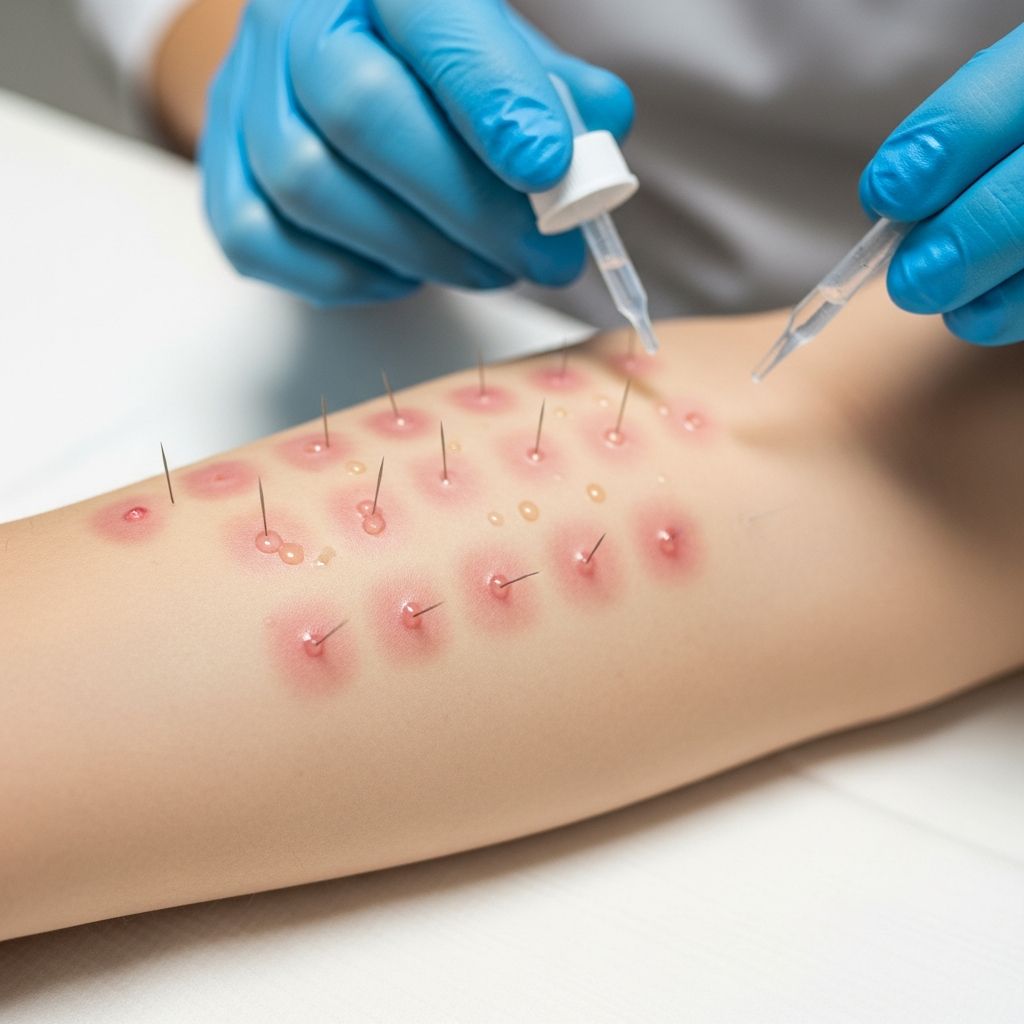
The
skin prick allergy test
(also called a puncture or scratch test) is the most common and reliable method to diagnose immediate-type allergies mediated by immunoglobulin E (IgE). It detects sensitivities to allergens like pollen, dust mites, pet dander, foods, and molds by observing skin reactions after exposure. This quick office-based test helps confirm allergy triggers behind symptoms such as rhinitis, asthma, eczema, hives, or anaphylaxis, guiding avoidance strategies, medications, or immunotherapy.What is a skin prick test?
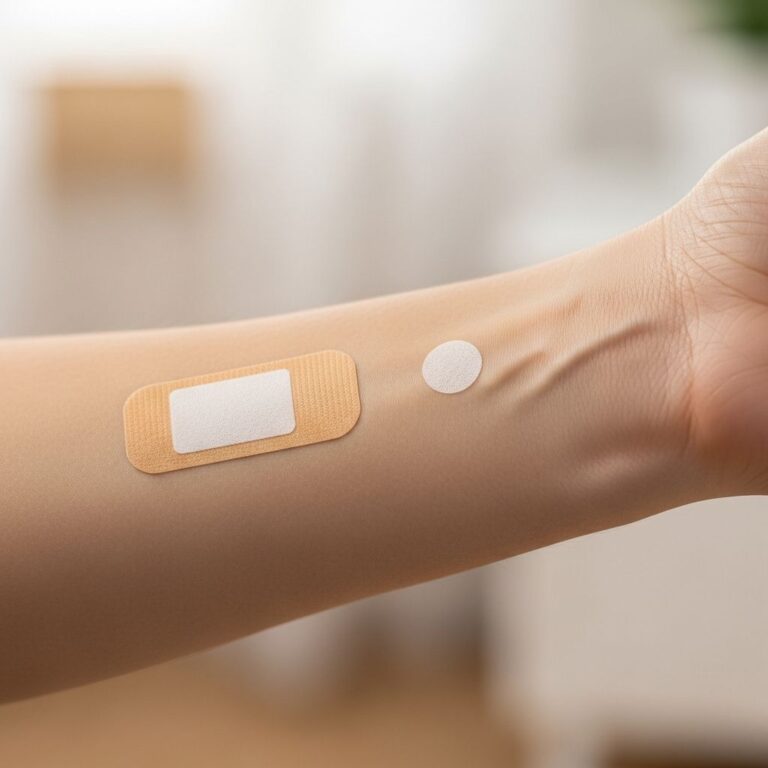
A skin prick test introduces tiny amounts of suspected allergens into the skin’s surface to provoke a localized IgE-mediated reaction if sensitized. A positive response appears as a wheal (raised bump) and flare (redness) within 15-20 minutes, mimicking natural allergic responses. Unlike blood tests, it assesses functional mast cell reactivity in the skin, offering high sensitivity (up to 85-95% for inhalants) and specificity when interpreted with history. It’s safe for most patients over age 6 months, testing up to 50 allergens simultaneously on the forearm or back.
Why would I have a skin prick test?
Skin prick testing is indicated for suspected IgE-mediated allergies causing:
- Respiratory symptoms: Hay fever (allergic rhinitis), sneezing, nasal congestion, itchy eyes from pollen, dust, mold, or pets.
- Asthma: Wheezing or shortness of breath triggered by aeroallergens.
- Skin conditions: Atopic dermatitis (eczema) flares or acute urticaria (hives).
- Food allergies: Immediate reactions like oral itching, swelling, vomiting, or anaphylaxis to nuts, milk, eggs, etc..
- Drug or insect venom allergies: Reactions to penicillin or bee stings (often followed by intradermal tests).
It differentiates true allergies from intolerances (e.g., lactose intolerance without IgE) or non-allergic mimics like vasomotor rhinitis. Positive results support allergen avoidance, pharmacotherapy, or desensitization.
Who performs skin prick tests?
Qualified allergists, immunologists, or trained nurses in specialist clinics perform the test following standardized protocols like those from ASCIA or AAAAI. General practitioners may refer patients. Pediatric testing uses the back for better tolerance.
Before the test
Preparation ensures accuracy:
- Stop antihistamines: Cease oral H1-antihistamines (e.g., cetirizine, loratadine) for 3-7 days; nasal/oral decongestants for 3 days; avoid tricyclic antidepressants or beta-blockers if possible.
- Skin prep: Use clean, reaction-free forearm/back skin; avoid lotions or steroids on test site.
- Health status: No active widespread eczema, infection, or severe asthma exacerbation; stable patients only.
- Other: Eat lightly; bring emergency meds (e.g., EpiPen) if high-risk for anaphylaxis.
Blood tests (specific IgE) are alternatives if meds can’t be stopped or skin is unusable.
How is it done?
- Clean and mark: Alcohol-wipe forearm/back; pen-mark grid for allergens, positive control (histamine 10mg/ml), negative control (saline).
- Apply allergens: Drop standardized extracts (glycerinated for stability) or fresh foods for fruits/veggies.
- Prick: Pierce skin perpendicularly with lancet/probe (1mm depth), no bleeding; wipe excess. Devices ensure consistency.
- Wait: 15-20 minutes upright; avoid scratching/rubbing.
- Read results: Measure wheal diameter (positive ≥3mm vs. negative control) with ruler; photograph if needed.
Total time: 30-60 minutes; minimal discomfort like a scratch.
Interpreting the results
Grading uses wheal size:
| Grade | Wheal Size | Interpretation |
|---|---|---|
| 0 | <3mm | Negative (no allergy) |
| 1+ | 3-4.9mm | Low positive |
| 2+ | 5-6.9mm | Moderate |
| 3+ | 7-8.9mm | Strong |
| 4+ | 9-15mm | Very strong |
| 5+ | >15mm | Extreme |
Related Stories



Histamine confirms reactivity (should wheal ≥3mm); saline rules artifacts. Correlate with symptoms/history—large wheals without symptoms may indicate sensitization, not clinical allergy. False positives: dermographism; false negatives: poor extracts, meds.
Are there any risks?
Risks are low (<1% systemic):
- Local: Itch, wheals (treat with antihistamine).
- Rare systemic: Large local reaction, bronchospasm, anaphylaxis (1:5000 tests; monitor 30min with epinephrine ready).
- Higher risk: Uncontrolled asthma, food allergy history.
No long-term effects; intradermal tests riskier, not routine for foods/aeroallergens.
Other types of skin testing
- Intradermal: Injects allergen into dermis for higher sensitivity (venom/drugs); more irritant, 60-90min, two-stage if needed.
- Patch test: Occlusive patches for 48hrs detect delayed (Type IV) contact allergies (nickel, fragrances); read at 48-96hrs. Not IgE-based.
Blood tests for allergies
Specific IgE blood tests (e.g., ImmunoCAP) quantify antibodies without skin risks; useful anytime, but less sensitive for foods, costlier.
What if I’m allergic to medicines?
Skin prick with drug dilutions (start 1:1000); graded challenge if negative. Penicillin skin testing uses major/minor determinants. Refer to allergist.
Food allergies
Tests foods via commercial extracts or fresh pricks; positive + history → oral challenge confirms. Negative rules out allergy (high negative predictive value).
Further tests
Component-resolved diagnostics, basophil activation, challenges for equivocal cases.
Frequently Asked Questions
Q: Does it hurt?
A: Minimal—like a light scratch; no bleeding or injections.
Q: Can children have it?
A: Yes, from 6 months on back; safe and accurate.
Q: How accurate is it?
A: 85-95% for inhalants when combined with history; gold standard.
Q: What if I can’t stop antihistamines?
A: Opt for blood IgE test.
Q: Can it cause anaphylaxis?
A: Rare (<0.02%); clinics equipped for emergencies.
References
- Allergy testing – skin: MedlinePlus Medical Encyclopedia — MedlinePlus (U.S. National Library of Medicine). 2023-10-01. https://medlineplus.gov/ency/article/003519.htm
- Skin Prick Testing — Allergy & Asthma Care P.A. 2024-05-15. https://www.allergycarekc.com/procedures/skin-prick-testing/
- Allergy Skin Test: Purpose, Procedure & Results — Cleveland Clinic. 2025-01-10. https://my.clevelandclinic.org/health/diagnostics/24912-allergy-skin-test
- Skin Prick Tests — Food Allergy Research & Education (FARE). 2024-08-20. https://www.foodallergy.org/resources/skin-prick-tests
- Skin Prick Test (Allergy Screening Tests) — Samitivej Hospitals. 2023-11-05. https://www.samitivejhospitals.com/article/detail/skin-prick-test
- Allergy skin tests — Mayo Clinic. 2025-02-14. https://www.mayoclinic.org/tests-procedures/allergy-tests/about/pac-20392895
- Skin prick testing – for the diagnosis of allergic disease — Australasian Society of Clinical Immunology and Allergy (ASCIA). 2016-03-01. https://www.allergy.org.au/images/stories/pospapers/ASCIA_SPT_Manual_March_2016.pdf
Similar Articles








Read full bio of Sneha Tete