Skin Problems Associated with Diabetes Mellitus
Explore common skin disorders in diabetes patients, from diabetic dermopathy to infections and management strategies for better skin health.
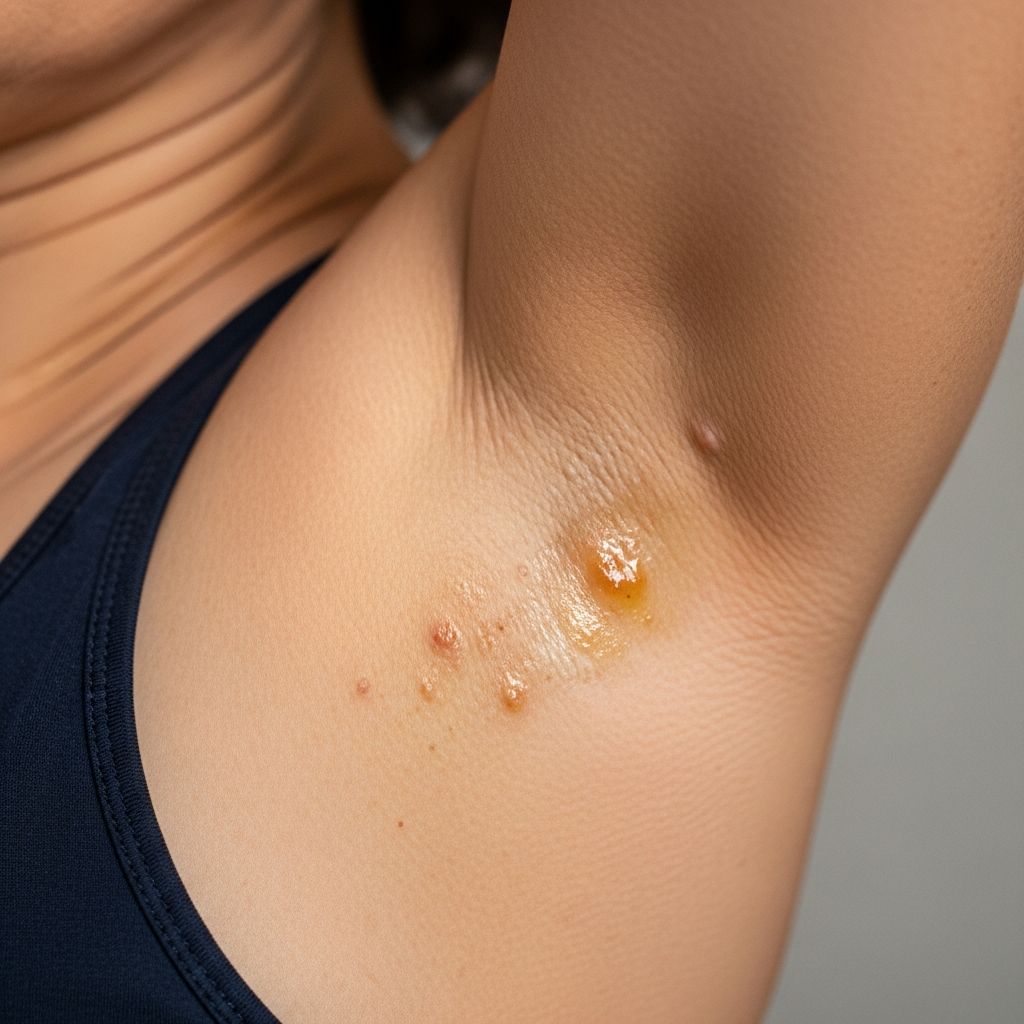
It is estimated that up to
30%
of patients with diabetes mellitus will develop a skin problem during their disease course. Diabetes compromises skin integrity due to impaired healing, neuropathy, vascular issues, and susceptibility to infections, making early recognition crucial for prevention of complications.Introduction
**Diabetes mellitus** encompasses metabolic disorders characterized by chronic hyperglycemia resulting from defects in insulin secretion, insulin action, or both. This leads to impaired carbohydrate, protein, and fat metabolism.
Complications include
macrovascular
issues (e.g., cardiovascular disease) andmicrovascular
damage (retinopathy, nephropathy, neuropathy). Skin manifestations arise from these microvascular changes, poor glycemic control, and immune dysregulation.Type 1 Diabetes Mellitus
Type 1 diabetes involves absolute insulin deficiency due to autoimmune destruction of pancreatic beta cells. It typically onset in childhood or adolescence, often presenting with ketoacidosis, requiring lifelong insulin therapy.
Type 2 Diabetes Mellitus
The most common form, type 2 diabetes features insulin resistance with relative insulin deficiency. Risk factors include obesity, age >45, family history, physical inactivity, and metabolic syndrome. Management emphasizes glycemic control, cardiovascular risk reduction, and lifestyle modification.
Patients with type 2 diabetes have
twice the risk
of psoriasis compared to non-diabetics.Diabetic Dermopathy
**Diabetic dermopathy**, also known as shin spots or pigmented pretibial patches, represents the most common skin finding in diabetes, affecting up to 30–50% of patients, particularly those with longstanding disease.
Who Gets Diabetic Dermopathy and Why?
It occurs mainly in older patients or those with 10–20 years of diabetes duration. Strongly associated with poor glycemic control (elevated HbA1c), retinopathy, neuropathy, and nephropathy. Lesions likely result from exaggerated response to cutaneous trauma over bony prominences due to microvascular damage and neuropathy.
Clinical Features
Lesions appear as asymptomatic, round/oval, light brown to red, atrophic scaly patches, 1–2.5 cm in diameter, most commonly on shins (pretibial areas). Less frequent sites: thighs, forearms, feet, scalp, trunk.
- Early: Reddish, scaly papules
- Later: Brown, depressed atrophic scars resembling lentigines
- >4 lesions highly specific for diabetes
Note: Undiagnosed shin spots warrant diabetes screening.
Diagnosis
Clinical diagnosis; biopsy rarely needed (shows epidermal atrophy, dermal sclerosis, vessel wall thickening).
Management
Lesions are benign, self-limiting (fade over years with glycemic improvement). No specific treatment required.
- Optimize blood glucose control
- Moisturizers/emollients for texture improvement
- Cosmetic camouflage (makeup)
- Avoid trauma to legs
Diabetic Bullae
**Diabetic bullae** (bullosis diabeticorum) are rare, spontaneous, non-inflammatory blisters on extremities, pathognomonic for diabetes.
Clinical Features
- Sudden onset of tense, clear/serous-filled blisters (1–10 cm), feet/hands/legs
- Multiple or recurrent; heal over 2–5 weeks with hyperpigmentation/atrophy
- Asymptomatic or mildly painful; infection risk if ruptured
Pathogenesis
Unknown; possibly microvascular fragility or immune-mediated.
Management
- Protect blisters (aseptic non-stick dressings)
- Monitor for secondary infection
- Good glycemic control to prevent recurrence
Related Stories



Diabetic Stiff Skin
**Diabetic cheiroarthropathy** or
digital sclerosis
affects 8–50% of type 1 diabetes patients, causing limited joint mobility and waxy skin thickening.Clinical Features
- Fingers: Tight, waxy, yellow thickened skin; limited extension (‘prayer sign’)
- Progresses to hands, face; associated Dupuytren’s contracture
- Due to non-enzymatic glycation of dermal proteins
Management
- Rigorous glycemic control (may stabilize/regress)
- Physical therapy for joint mobility
- No specific skin treatment
Other Dermatological Conditions Associated with Diabetes
Diabetes predisposes to various skin disorders via impaired immunity, vascular compromise, and metabolic changes.
Infections (Common Due to Hyperglycemia)
- Candidiasis: Intertriginous (flexures), balanitis, vulvovaginitis
- Bacterial: Staphylococcal folliculitis, carbuncles, impetigo, erysipelas
- Fungal: Dermatophytosis (tinea pedis/corporis), mucormycosis (rare, fulminant)
Eruptive Xanthomatosis
Yellow papules on buttocks/extremities due to hypertriglyceridemia; resolve with lipid control.
Other Specific Conditions
| Condition | Features | Association |
|---|---|---|
| Acanthosis Nigricans | Velvety hyperpigmented plaques (neck, axillae) | Insulin resistance, type 2 DM |
| Necrobiosis Lipoidica | Yellow-brown atrophic plaques on shins | 90% in diabetics; granulomatous |
| Acquired Perforating Dermatosis | Crusted umbilicated papules (Kyrle disease) | Dialysis/renal failure in DM |
| Diabetic Foot Ulcers | Non-healing ulcers due to neuropathy/ischemia | Major amputation risk |
Pruritus and Dry Skin
Xerosis/pruritus from autonomic neuropathy, poor circulation; manage with emollients.
Diagnosis
Skin findings often precede diabetes diagnosis. Key steps:
- Clinical pattern recognition
- Biopsy if atypical
- Screen undiagnosed patients (HbA1c, OGTT)
- Multidisciplinary: dermatology + endocrinology
Treatment and Prevention
Cornerstone: Glycemic Control (HbA1c <7%) reduces incidence.
General Skin Care
- Daily moisturizing (urea/ammonium lactate creams)
- Avoid hot baths, harsh soaps
- Daily foot inspection/podiatry
- Prompt infection treatment
Prevention Strategies
| Risk Area | Prevention |
|---|---|
| Infections | Optimize glucose; antifungals/topical antibiotics early |
| Ulcers | Custom orthotics, offloading, smoking cessation |
| Trauma Response | Leg protection, trauma avoidance |
Frequently Asked Questions (FAQs)
What percentage of diabetes patients get skin problems?
Approximately 30–75%, with higher rates in poor control.
Are shin spots dangerous?
No, harmless but indicate need for diabetes screening/management.
Can skin problems signal undiagnosed diabetes?
Yes, acanthosis nigricans, recurrent infections, dermopathy warrant testing.
How to prevent diabetic skin complications?
Maintain glycemic control, daily skin/foot checks, moisturize, treat infections promptly.
Do bullae in diabetes require special treatment?
Protect from infection; heal spontaneously with glucose optimization.
References
- Skin problems associated with diabetes mellitus — DermNet NZ. 2023. https://dermnetnz.org/topics/skin-problems-associated-with-diabetes-mellitus
- Diabetes Rash: Causes, Appearance and Prevention — Cleveland Clinic. 2023-10-25. https://my.clevelandclinic.org/health/articles/12176-diabetes-skin-conditions
- Doctor explains DIABETIC DERMOPATHY — YouTube (Doctor O’Donovan). 2023. https://www.youtube.com/watch?v=Ixopl6NVoJ0
- Diabetes: 10 warning signs that can appear on your skin — American Academy of Dermatology. 2023. https://www.aad.org/public/diseases/a-z/diabetes-warning-signs
- Necrobiosis Lipoidica — StatPearls, NCBI Bookshelf. 2023-08-08. https://www.ncbi.nlm.nih.gov/books/NBK459318/
Similar Articles








Read full bio of Sneha Tete