Skin Problems Associated with Thyroid Disease
Explore how thyroid disorders manifest in skin, hair, and nail changes, with detailed symptoms for hypothyroidism and hyperthyroidism.
Thyroid disease, encompassing both hypothyroidism (underactive thyroid) and hyperthyroidism (overactive thyroid), profoundly impacts the skin, hair, and nails due to the thyroid gland’s regulation of metabolism, cell turnover, and tissue maintenance. These changes often serve as early diagnostic clues, with hypothyroidism causing dry, pale, cool skin and hyperthyroidism leading to warm, moist, velvety skin. Autoimmune thyroid conditions like Graves’ disease introduce specific lesions such as pretibial myxoedema. Recognizing these dermatological signs is crucial for timely endocrine evaluation and management.
What is the thyroid gland?
The thyroid gland is a butterfly-shaped endocrine organ located in the anterior neck, just below the larynx, producing hormones thyroxine (T4) and triiodothyronine (T3) that control basal metabolic rate, thermogenesis, cardiovascular function, and skin homeostasis. Dysregulation leads to hypo- or hyperthyroidism, manifesting visibly in integumentary changes before systemic symptoms.
How does thyroid disease affect the skin?
Thyroid hormones influence keratinocyte proliferation, epidermal barrier function, sweat gland activity, and collagen synthesis. In hypothyroidism, reduced hormones slow cell turnover, causing xerosis and myxoedema; hyperthyroidism accelerates metabolism, resulting in thin, fragile skin and hyperhidrosis. Hair follicles miniaturize, nails become brittle, and autoimmune variants trigger inflammatory dermatoses.
Skin signs due to hypothyroidism
Hypothyroidism induces characteristic cutaneous features from mucopolysaccharide deposition and hypometabolism.
- Dry coarse skin: Reduced sebaceous and sweat gland activity leads to rough, flaky epidermis, often with asteatotic eczema (eczema craquelé) showing cracked, polygonal scales.
- Cool skin: Pale, cold peripheries due to vasoconstriction and diminished perfusion.
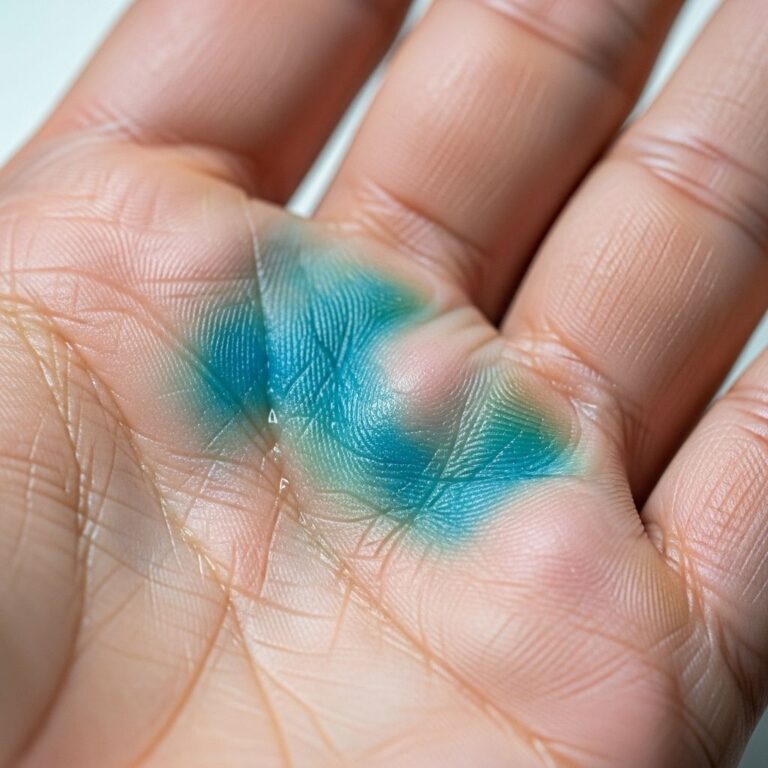
- Carotenoderma: Yellow-orange palms/soles from elevated serum carotene (not bilirubin), mimicking jaundice.
- Myxoedema: Thickened, doughy skin from hyaluronic acid accumulation; generalised or pretibial. Facial puffiness affects eyelids, lips; resolves slowly with thyroxine.
- Other: Deep palmoplantar creases, slow-healing wounds, facial/elbows/palms erythema.
Skin signs due to hyperthyroidism
Hyperthyroidism causes heat intolerance and sympathetic overdrive, altering skin texture.
- Warm moist skin: Velvety, baby-like texture from hyperhidrosis and vasodilation; palms feel hot.
- Pruritus: Itchy, replacing dry skin of hypothyroidism.
- Graves dermopathy: Rare orange-peel thickening on shins/legs in Graves’ disease.
- Hives/urticaria: Raised itchy rash.
Hair changes
Thyroid dysfunction disrupts the hair cycle, causing diffuse alopecia.
Hypothyroidism
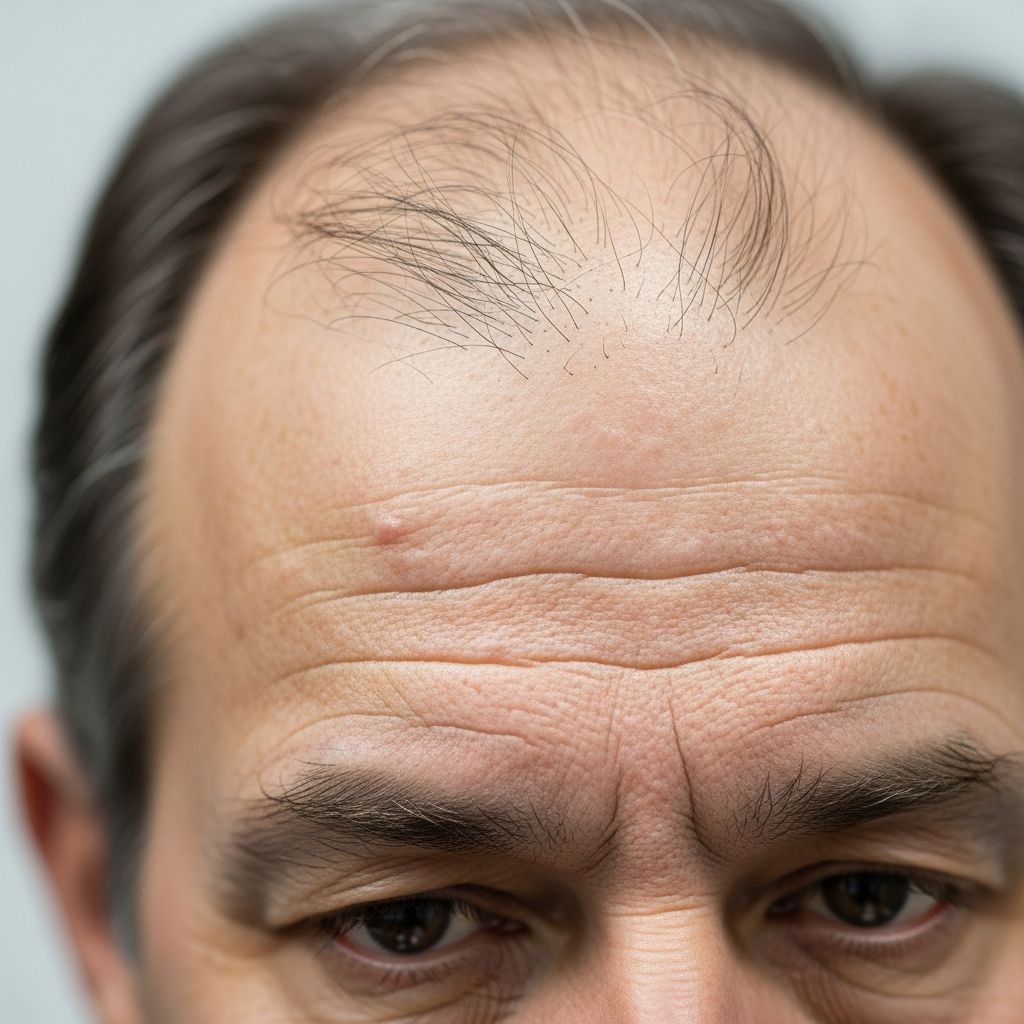
- Sparse, coarse, dry, brittle hair; loss of outer third eyebrows (Queen Anne’s sign).
- Delayed regrowth post-treatment.
Hyperthyroidism
- Fine, soft hair with excessive shedding; patchy loss.
Nail changes
Nails reflect thyroid status via growth rate and matrix health.
| Condition | Nail Features |
|---|---|
| Hypothyroidism | Thick, ridged, brittle; slow growth; Plummer nails (koilonychia). |
| Hyperthyroidism | Soft, friable, onycholysis (nail plate separation). |
Other associations
- Vitiligo: Hypopigmented patches in autoimmune thyroiditis.
- Alopecia areata: Patchy baldness.
- Chronic urticaria: Antihistamine-resistant hives.
- Telangiectasia: Spider veins.
Investigations
Suspected cases require serum TSH (elevated in primary hypothyroidism, suppressed in hyperthyroidism), free T4/T3, antithyroid antibodies (anti-TPO, TRAb for Graves’). Skin biopsy rarely needed but shows mucin in myxoedema.
Management
Treat underlying thyroid disorder: levothyroxine for hypothyroidism, antithyroid drugs/radioiodine/surgery for hyperthyroidism. Topical emollients for xerosis; intralesional steroids for dermopathy. Hair/nail changes improve gradually.
Frequently Asked Questions
Does thyroid disease always cause skin changes?
No, but up to 70% of patients show dermatological signs; often early/subtle.
Can skin symptoms precede thyroid diagnosis?
Related Stories



Yes, dermatologists may identify clues like eyebrow loss or carotenoderma prompting endocrine tests.
Do skin changes resolve with thyroid treatment?
Most do, though myxoedema/dermopathy may persist.
Is pretibial myxoedema only in hyperthyroidism?
Primarily Graves’, but rare in hypothyroidism.
How to differentiate thyroid skin signs from others?
Systemic symptoms + labs; e.g., carotenoderma lacks scleral icterus.
References
- 19+ Signs You Have Thyroid Problems — The Surgical Clinic. 2023-05-15. https://thesurgicalclinics.com/signs-thyroid-isnt-working-right/
- Skin Changes and GI Problems Associated with Thyroid Disease — Hunterdon Digestive Health. 2024-02-10. https://www.hunterdondigestivehealth.com/skin-changes-and-gi-problems-associated-with-thyroid-disease/
- Thyroid disease: A checklist of skin, hair, and nail changes — American Academy of Dermatology (AAD). 2025-01-01. https://www.aad.org/public/diseases/a-z/thyroid-disease-skin-changes
- Doctor explains 8 SKIN SIGNS linked with HYPOTHYROIDISM — YouTube (Dr. O’Donovan). 2023-11-20. https://www.youtube.com/watch?v=HoJofdXHTek
- Overactive thyroid (hyperthyroidism) – Symptoms — NHS. 2024-08-05. https://www.nhs.uk/conditions/overactive-thyroid-hyperthyroidism/symptoms/
- How Thyroid Conditions Can Affect Your Skin — Raymond Douglas MD. 2024-06-12. https://raymonddouglasmd.com/how-thyroid-conditions-can-affect-your-skin
- Graves’ disease – Symptoms and causes — Mayo Clinic. 2025-09-18. https://www.mayoclinic.org/diseases-conditions/graves-disease/symptoms-causes/syc-20356240
Similar Articles








Read full bio of medha deb