Undefined Skin Problems In Cleaners: Prevention And Treatment
Understanding occupational skin diseases in cleaners: causes, prevention, and management strategies for healthier hands and skin.
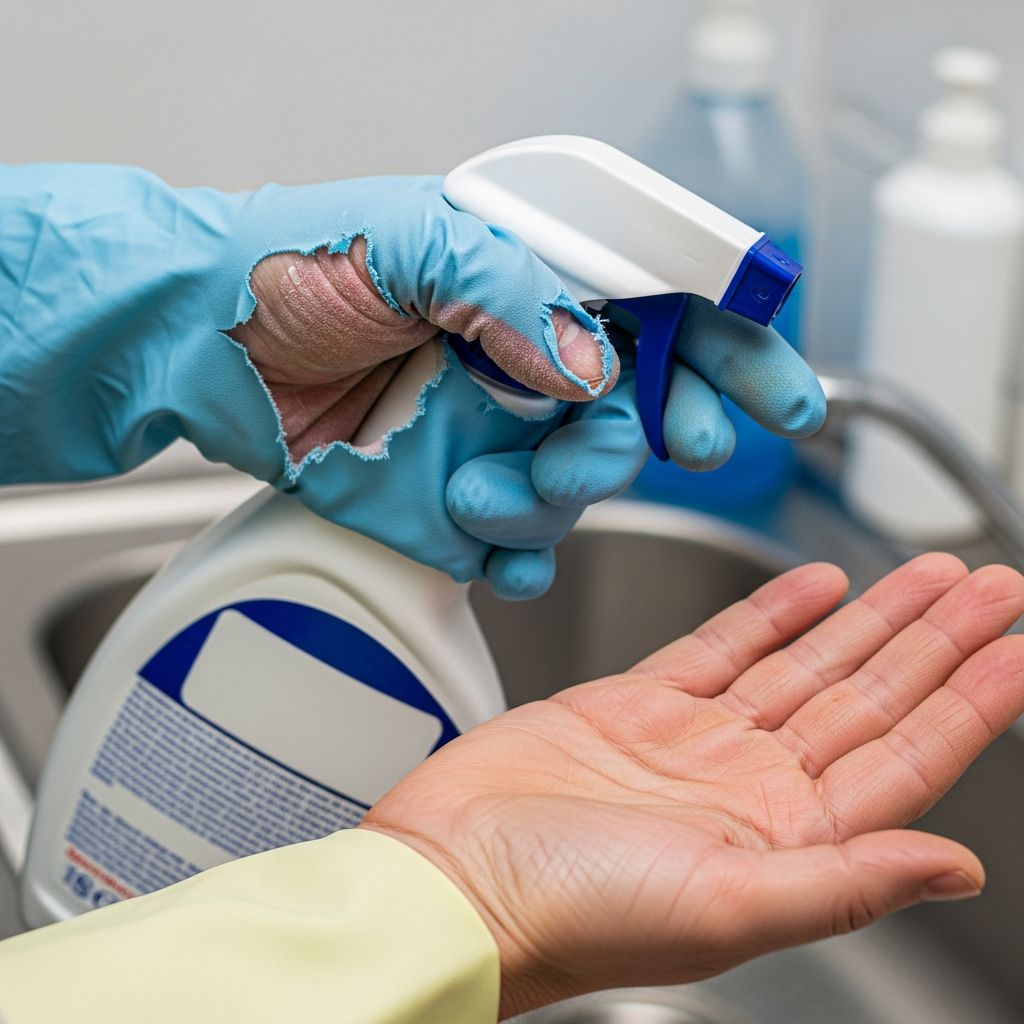
Professional cleaners are at elevated risk for
occupational skin diseases (OSD)
, primarilycontact dermatitis
, due to frequent exposure to irritants, allergens, wet work, and protective equipment. These conditions affect hands most commonly, leading to dryness, redness, itching, and potentially chronic disability if unmanaged.What causes skin problems in professional cleaners?
Skin issues in cleaners arise from a combination of workplace exposures that damage the skin barrier or trigger immune responses. Key causes mirror those in healthcare workers handling similar agents.
Irritants
Irritants are the leading cause of
irritant contact dermatitis (ICD)
, comprising 80% of OSD cases in cleaners. Common irritants include:- Alkaline detergents and soaps that disrupt skin pH.
- Organic solvents like white spirit removing natural oils.
- Wet work: Prolonged hand immersion or frequent washing (>20 times/day or >2 hours/day).
- Reducing agents such as hydrazine in metal cleaners.
- Oxidizing agents including bleach (sodium hypochlorite) and hydrogen peroxide.
These cause cumulative damage, leading to dry, chapped skin that progresses to fissuring if exposure continues.
Allergens
**Allergic contact dermatitis (ACD)** results from type IV hypersensitivity to specific chemicals. Common allergens in cleaning products include:
- Fragrances and preservative biocides (e.g., isothiazolinones, formaldehyde releasers).
- Ammoniated compounds like ethanolamine.
- Building-related allergens: Chromium in cement, cobalt in hard metals, epoxy resins.
Sensitization develops after repeated exposure, causing eczema in previously unaffected individuals.
Wet work
Wet work—hand washing, glove use with moisture, or immersion—accelerates transepidermal water loss, impairing the skin barrier. Cleaners performing >2 hours of wet work daily face 5-fold higher OSD risk. Occlusion under gloves exacerbates this by trapping moisture and heat.
Gloves
Protective gloves prevent direct chemical contact but introduce risks:
- Natural rubber latex causes type I (immediate) hypersensitivity in 10-17% of atopics.
- Chemicals in synthetic gloves (thiurams, carbamates, mercaptobenzothiazole) trigger ACD.
- Prolonged occlusion promotes irritant dermatitis and secondary infections.
Double-gloving or liner gloves mitigate but don’t eliminate risks.
Friction
Mechanical friction from scrubbing damages the horny layer, compounding chemical irritation. This is common during floor or surface cleaning.
Who is at risk?
Cleaner roles span hospitals, offices, hotels, and homes, but risk varies by task intensity.
Jobs at risk
- Hospital and clinic cleaners (disinfectants, blood/body fluids).
- Domestic and hotel cleaners (detergents, wet mopping).
- Swimming pool attendants (chlorinated water).
- Vehicle/tank cleaners (solvents, acids).
- Metal/plastic factory cleaners (hydrazine, solvents).
Prevalence reaches 28% in cleaning workers vs. 18% general population.
Predisposing factors
Individual susceptibility increases risk:
- Atopy: 2-4x higher ICD/ACD risk.
- Age/Sex: Women 45-64 years most affected.
- Home exposure: Domestic cleaning ≥1x/week triples WRSS odds.
| Risk Factor | Odds Ratio (OR) | Source |
|---|---|---|
| Skin/wound cleaning without gloves | OR 1.98 (95% CI 1.16–3.48) | |
| Atopic dermatitis history | OR 3.91 | |
| Domestic chlorine use | Increased burning/redness |
What are the complications?
Untreated OSD leads to:
- Chronicity: 60-70% persist >2 years post-exposure cessation.
- Spread: Eczema beyond hands to arms, face, trunk.
- Secondary infection: Bacterial (Staph/Strep) causing impetigo, cellulitis.
- Protein contact dermatitis: From food enzymes in cleaners.
- Occupational impact: Job loss in 10-30%; high absenteeism.
How is it diagnosed?
Related Stories



Diagnosis combines history, exam, and testing:
- History: Temporal relation to work exposure.
- Examination: Hand eczema patterns (tips, webs, palms).
- Patch testing: Gold standard for ACD; tests TRUE Test series + occupational agents (e.g., glutaraldehyde, chromate).
- Prick/serum testing: For latex allergy.
- Buffer test: Quantifies glove-induced irritation.
Differentiate ICD (non-immune) from ACD/OICD/PCD.
What is the treatment?
Treatment follows stepwise management:
- Acute: Potent topical corticosteroids (clobetasol 0.05% ointment BD 2 weeks), emollients.
- Chronic: Fluticasone 0.05% ointment; calcineurin inhibitors (tacrolimus).
- Infection: Mupirocin ± oral antibiotics.
- Severe: Wet wraps, phototherapy, immunosuppressants (methotrexate).
- Psychosocial: Support for anxiety/depression.
What is the prevention?
Prevention emphasizes exposure reduction and skin protection.
Substitution and engineering
- Use less hazardous ‘green’ cleaners.
- Automated scrubbers, spray/wipe methods minimize wet work.
- Ventilation for vapors.
Safe work practices
- Limit wet work <20 washes/2hrs daily.
- Short gloves (nitrile/vinyl, 15-30min max) for wet; cotton liners.
- Long gauntlets (neoprene/PVC) for immersion.
- Soap/dry hands only 4-6x/shift; use emollient wipes.
Skin care
- Cleansing: pH-neutral syndets (Dove, Cetaphil).
- Emollients: White soft paraffin, 500g tubs for frequent use.
- After-work and bedtime application essential.
Training and PPE
Employers must provide training, PPE, and skin checks. Glove use during skin/wound cleaning halves WRSS risk.
Further reading/References (in content)
Additional resources on occupational dermatology.
Frequently Asked Questions
What is the most common skin problem in cleaners?
Irritant contact dermatitis affecting hands, caused by wet work and detergents.
Can gloves cause skin problems?
Yes, latex allergy (type I), rubber accelerators (ACD), and occlusion irritation.
How can cleaners prevent dermatitis?
Use appropriate gloves, limit wet work, apply emollients frequently, and seek early treatment.
Is dermatitis reversible in cleaners?
Acute cases yes, but 60-70% become chronic without intervention.
What should I do if I develop hand eczema at work?
Notify employer, see dermatologist for patch testing, and use prescribed treatments while reducing exposure.
References
- Prevalence of work‐related skin symptoms and associated factors among health workers exposed to cleaning agents — John Wiley & Sons (PMC). 2023-09-25. https://pmc.ncbi.nlm.nih.gov/articles/PMC10530256/
- Cleaners At Risk Of Suffering From Dermatitis — Jefferies Claims Solicitors. 2023. https://jefferiesclaims.co.uk/media-centre/articles/blog/cleaner-dermatitis/
- The Leading Hazards For Professional Cleaners In Medical Facilities — CSTriad. 2023. https://cstriad.com/the-leading-hazards-for-professional-cleaners-in-medical-facilities/
- Is Your Job Causing an Occupational Skin Disease? — Columbia Skin Clinic. 2023. https://columbiaskinclinic.com/skin-care/occupational-skin-diseases/
- Effects of Skin Contact with Chemicals — CDC/NIOSH. 2011-11. https://www.cdc.gov/niosh/docs/2011-200/pdfs/2011-200.pdf
- Preventing Occupational Skin Disorders in Construction — LHSFNA. 2023. https://lhsfna.org/preventing-occupational-skin-disorders-in-construction/
- Protecting Workers Who Use Cleaning Chemicals — OSHA. 2013. https://www.osha.gov/sites/default/files/publications/OSHA3512.pdf
Similar Articles








Read full bio of Sneha Tete