Skin Problems in Motor Vehicle Repair Workers
Understanding occupational dermatitis risks and prevention strategies for automotive technicians.
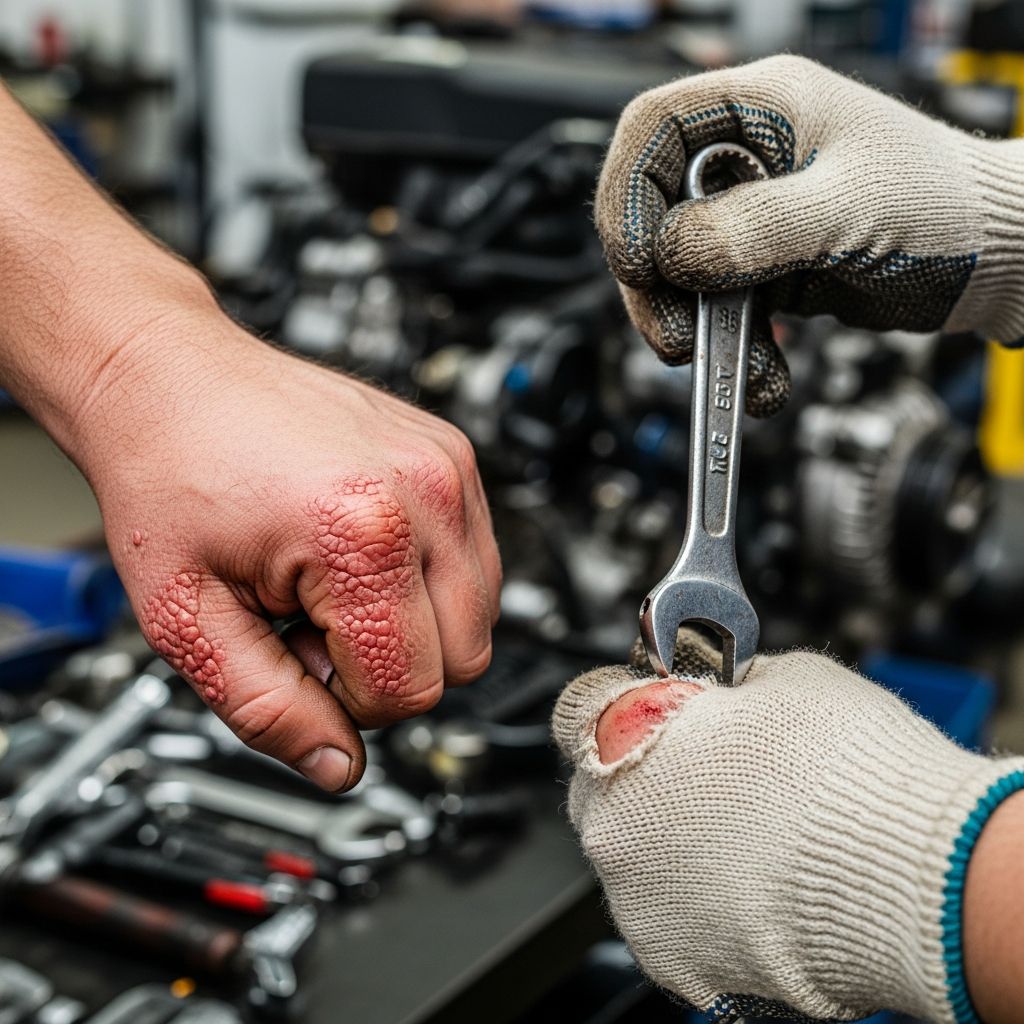
Motor vehicle repair workers face significant occupational health challenges, with skin conditions representing one of the most common work-related health problems in this industry. The demanding nature of automotive repair exposes technicians to a wide range of chemical, physical, and mechanical hazards that can compromise skin integrity and lead to chronic dermatological conditions. Understanding these risks and implementing appropriate preventive measures is essential for protecting worker health and maintaining productivity in the automotive repair sector.
Overview of Occupational Skin Disease in Automotive Repair
Occupational skin disease represents a significant health burden among motor vehicle repair workers. The prevalence of hand dermatitis in car repair workers reaches approximately 19.0%, a rate substantially higher than the 7.9% observed in office workers. This elevated prevalence reflects the unique occupational exposures inherent to automotive repair work. Dermal exposure accounts for approximately 80% of chemical exposures among automotive and motorcycle technicians, and occupational contact dermatitis represents about 55% of all reported skin disorders in this workforce.
The distinction between exclusively occupational dermatoses and work-related dermatoses is clinically important. Exclusively occupational dermatoses, such as chronic contact dermatitis occurring in 12.26% of affected workers, are directly caused by workplace exposures. Work-related dermatoses, including conditions like xerosis and hyperpigmentation, may be exacerbated by occupational factors but also have other contributing causes.
Types of Occupational Skin Conditions
Motor vehicle repair workers develop several distinct categories of skin problems, each with characteristic presentations and underlying causes:
Contact Dermatitis
Contact dermatitis is the most frequently diagnosed occupational skin condition in motor vehicle repair workers. This condition occurs through two primary mechanisms: irritant contact dermatitis and allergic contact dermatitis. Irritant contact dermatitis develops when chemicals damage the skin faster than the body can repair it, accounting for approximately 80% of contact dermatitis cases. The condition presents with red, itchy rashes that may progress to blisters, swelling, or open sores.
Allergic contact dermatitis, representing approximately 10% of occupational skin disease cases, develops through sensitization to specific workplace allergens. Once sensitized, workers experience allergic reactions upon subsequent exposures to these substances.
Tar and Oil-Related Dermatitis
Exposure to tar and engine oil represents a significant occupational hazard. Tar and oil acneform rash occurs in approximately 3.77% of affected motor vehicle repair workers. A survey of motor vehicle repair workers documented that 85.7% reported contact with tar and engine oil during their work. These petroleum-based substances can cause characteristic follicular eruptions and comedone formation on exposed skin areas.
Mechanical Injuries
Beyond chemical exposures, the physical demands of automotive repair work result in mechanical skin injuries. These include callouses from tool use, cuts, abrasions, and puncture wounds that occur in approximately 3.77% of occupationally affected workers. Such injuries compromise skin barrier function and increase susceptibility to infection and further dermatological complications.
Related Stories



Xerosis and Hyperpigmentation
Xerosis, or abnormal skin dryness, represents the most frequent work-related dermatosis at 6.6% prevalence, while hyperpigmentation occurs in 4.71% of affected workers. These conditions often result from cumulative chemical exposure and excessive skin cleansing practices common in automotive repair work.
Exposure Hazards in Motor Vehicle Repair
Motor vehicle repair workers encounter diverse occupational hazards that affect skin health:
Chemical Irritants
Primary chemical irritants encountered in automotive repair include:
- Used gasoline engine oils
- Organic solvents
- Fuels and gasoline
- Industrial detergents and soaps
- Cleaning agents containing abrasives
- Mineral oils and grease products
- Polycyclic aromatic hydrocarbons (PAH)
Approximately 75% of motor vehicle repair workers use soaps containing abrasive substances, which can damage skin barrier function and exacerbate existing dermatitis. The frequent necessity of hand washing and degreasing creates a cyclical pattern of skin barrier damage. Excessive hand washing with detergents, solvents, mineral oils, or industrial cleaners damages the protective skin layer and aggravates contact dermatitis.
Occupational Allergens
Workers become sensitized to specific allergens through repeated workplace exposure. Common occupational allergens in automotive repair include:
- Rubber accelerators and compounds
- Nickel from plated tools and equipment
- The preservative methylchloroisothiazolone/methylisothiazolone
- Various metal components
- Rubber-derived additives and preservatives
Patch testing studies of mechanics and repairers referred for diagnostic evaluation consistently identify rubber accelerators and methylchloroisothiazolone/methylisothiazolone as the most common occupationally relevant allergens.
Risk Factors for Occupational Skin Disease
Several factors significantly increase the risk of developing occupational skin disease among motor vehicle repair workers:
Primary Risk Factors
Pre-existing atopic dermatitis emerges as the single most important risk factor for hand dermatitis among motor vehicle repair workers. Workers with atopic dermatitis demonstrate significantly higher prevalence of hand dermatitis compared to those without this condition (p < 0.001). The level of actual skin exposure to hazardous substances represents the second most important risk factor.
Among different repair worker specialties, mechanics demonstrate the highest prevalence of hand dermatitis at 37.9%, followed by transmission technicians at 20.7%. Drivability and transmission technicians experience both higher prevalence of hand dermatitis and greater actual skin exposure compared to other automotive repair specialties.
Additional Risk Factors
Independent risk factors for developing occupational dermatoses include:
- Lack of use of personal protective equipment
- Older age
- Longer duration of employment in automotive repair
- Exposure to chemical hazards
- Working as a car mechanic versus other repair specialties
Paradoxically, the severity of skin exposure among workers with dermatitis does not always correlate significantly with dermatitis severity, suggesting that individual susceptibility factors—particularly pre-existing atopic conditions—significantly modify risk.
Barriers to Skin Protection
Despite clear occupational health risks, motor vehicle repair workers demonstrate low levels of protective behaviors and personal protective equipment use. Multiple factors contribute to inadequate skin protection:
- Decreased manual dexterity associated with glove use impairs job performance
- The physically demanding and intricate nature of repair work makes glove use impractical
- Limited knowledge about potential harmful effects of dermal exposure to workplace hazards
- Lack of awareness regarding proper skin protection strategies
- Workplace culture that underemphasizes occupational health protection
These barriers create a challenging occupational health scenario where awareness and accessibility of protective measures do not translate into consistent implementation.
Clinical Features and Severity
Occupational skin disease among motor vehicle repair workers demonstrates variable clinical severity. Approximately 30% of motor vehicle repair workers with contact dermatitis experience symptoms severe enough to require medical attention. This figure aligns with international data indicating that 15-30% of car repair workers seek medical attention for dermatitis-related symptoms.
The chronicity of occupational dermatitis represents a significant concern. Prolonged chemical exposure, inadequate skin protection, and continued workplace contact with irritants and allergens perpetuate skin inflammation and delay healing. Workers often continue workplace exposure despite active dermatitis, which prevents disease resolution and may lead to permanent skin changes.
Prevention and Protective Measures
Effective prevention of occupational skin disease requires a comprehensive approach addressing both individual behaviors and workplace environments:
Personal Protective Equipment
Appropriate personal protective equipment forms the foundation of skin protection strategies. Nitrile or nitrile-coated gloves provide protection against many chemical exposures while maintaining better dexterity than latex alternatives. Frequent glove changes prevent prolonged exposure to sweat and trapped chemicals. Long sleeves and aprons offer protection for exposed skin areas. Selection of protective equipment must balance protection efficacy against workplace practicality to encourage consistent use.
Skin Hygiene Practices
Proper skin cleansing is essential but requires careful technique. Workers should use lukewarm water and mild, fragrance-free cleansers rather than abrasive soaps or harsh solvents. Thorough drying after washing and application of non-fragrance protective moisturizers help maintain skin barrier function. Frequency of hand washing should be minimized to necessary occasions, as excessive washing contributes significantly to dermatitis development and progression.
Workplace Engineering Controls
Organizational measures to reduce dermal exposure include:
- Selection of less hazardous alternative chemicals and products
- Implementation of closed-system processes where feasible
- Provision of adequate ventilation to minimize airborne chemical exposure
- Installation of accessible hand-washing stations with appropriate supplies
- Regular equipment maintenance to prevent oil and fluid leaks
- Proper storage of hazardous materials to minimize accidental exposure
Health Education and Awareness
Educational interventions demonstrating significant effectiveness improve knowledge about dermal exposure, behavioral prevention actions, and overall health beliefs (p < 0.01). Workplace health education programs should address specific hazards encountered in automotive repair, correct use and care of personal protective equipment, proper skin hygiene practices, and recognition of early dermatitis symptoms requiring medical evaluation.
Early Recognition and Medical Management
Workers experiencing persistent skin symptoms should seek medical evaluation promptly. Patch testing by dermatologists can identify specific allergens responsible for allergic contact dermatitis, enabling targeted avoidance strategies. Early intervention prevents progression to severe dermatitis and reduces time lost from work.
Frequently Asked Questions
Q: Why are motor vehicle repair workers at higher risk for skin problems than other occupational groups?
A: Motor vehicle repair workers experience elevated skin disease risk due to chronic exposure to multiple chemical irritants and allergens, including oils, solvents, and detergents, combined with frequent hand washing and inadequate protective equipment use.
Q: What is the difference between irritant and allergic contact dermatitis?
A: Irritant contact dermatitis results from chemical damage to the skin occurring in most exposed individuals and develops upon first exposure. Allergic contact dermatitis requires prior sensitization and occurs only in previously exposed individuals with specific allergies to the allergen.
Q: Are gloves effective for preventing occupational dermatitis?
A: Yes, appropriate gloves significantly reduce dermal exposure; however, their effectiveness depends on proper selection, fit, and consistent use. Nitrile gloves provide good protection while maintaining dexterity better than latex alternatives.
Q: What should workers do if they develop skin symptoms at work?
A: Workers should seek medical evaluation promptly, particularly if symptoms persist beyond two weeks or worsen despite home care efforts. Early evaluation and diagnosis enable targeted treatment and occupational modifications to prevent progression.
Q: Can occupational dermatitis be prevented entirely?
A: While complete prevention is challenging given workplace exposures, systematic implementation of engineering controls, appropriate personal protective equipment, proper skin hygiene, and worker education significantly reduces incidence and severity of occupational skin disease.
Conclusion
Skin disease represents a significant occupational health challenge for motor vehicle repair workers, with prevalence rates substantially exceeding general population rates. The elevated risk reflects chronic exposure to chemical irritants, occupational allergens, and mechanical hazards, combined with inadequate protective measures. Pre-existing atopic dermatitis and cumulative chemical exposure emerge as primary risk factors. Effective prevention requires comprehensive approaches incorporating personal protective equipment, proper skin hygiene, workplace engineering controls, and sustained health education. Recognition of occupational skin disease as a serious health issue affecting worker wellbeing and productivity should motivate continued attention to preventive strategies and medical management of affected workers.
References
- Occupational hand dermatitis in car repair workers — National Institutes of Health / PubMed Central. 2020-01-15. https://pmc.ncbi.nlm.nih.gov/articles/PMC6940577/
- Knowledge, attitudes and perceptions among motor vehicle repair workers regarding occupational dermatoses — National Center for Biotechnology Information / PubMed. 2021-08-01. https://pubmed.ncbi.nlm.nih.gov/34340635/
- Is Your Job Causing an Occupational Skin Disease? — Columbia Skin Clinic. 2023. https://columbiaskinclinic.com/skin-care/occupational-skin-diseases/
- Occupational Contact Dermatitis in Mechanics and Repairers: Retrospective Analysis From the North American Contact Dermatitis Group 1998–2014 — Wolters Kluwer / Ovid Journals. 2017. https://www.ovid.com/journals/derm/pdf/10.1097/der.0000000000000231~occupational-contact-dermatitis-in-mechanics-and-repairers
- How to Protect Yourself From Work-Related Skin Problems — Trillium Creek Ohio. 2023. https://www.trilliumcreekohio.com/protect-work-related-skin-problems/
Similar Articles








Read full bio of Sneha Tete