Skin Problems On The Trunk: Essential Diagnostic Guide
Comprehensive guide to identifying and understanding common skin conditions affecting the trunk, from erythema to pigmentary changes.
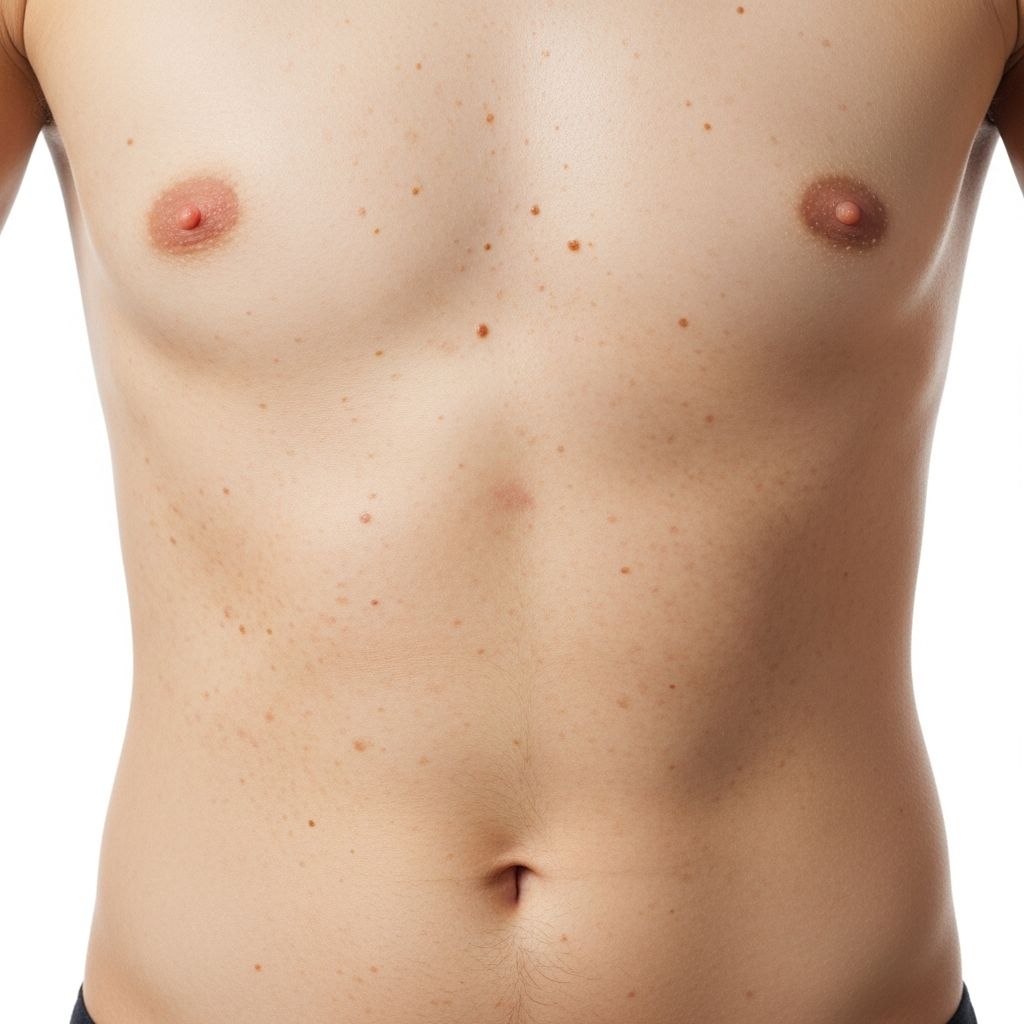
The trunk, encompassing the chest, abdomen, and back, is a common site for various dermatological conditions. These skin problems can range from mild irritations to severe inflammatory disorders, often presenting with distinct patterns such as erythema, papules, erosions, scaling, or pigmentation changes. Recognizing these patterns aids in prompt diagnosis and treatment. This article categorizes trunk skin issues based on their primary morphological features, drawing from clinical observations and histopathological insights.
Trunk: Erythema without Surface Change
Erythema, or redness of the skin, on the trunk without scaling, crusting, or papules often indicates acute inflammatory processes. This presentation is less pronounced in darker skin tones, where subtle hues like purple or brown may predominate. Common conditions include:
- Urticaria (hives): Transient, raised wheals triggered by allergens, infections, or physical stimuli. They itch intensely and resolve within hours.
- Viral exanthems: Such as those from enteroviruses or parvovirus B19, presenting as diffuse macular erythema.
- Drug eruptions: Maculopapular rashes from medications like antibiotics, appearing days after initiation.
These require history-taking to identify triggers, with management focusing on avoidance and antihistamines.
Trunk: Red Papules/Pustules
Red papules or pustules on the trunk suggest folliculitis, acneiform eruptions, or infectious processes. Pustules indicate pus-filled lesions, often bacterial or fungal.
- Folliculitis: Inflammation of hair follicles, commonly due to Staphylococcus aureus or friction from clothing.
- Pityrosporum folliculitis: Yeast-driven, itchy papules worsened by sweating.
- Guttate psoriasis: Small drop-like papules following streptococcal infection, scaly peripherally.
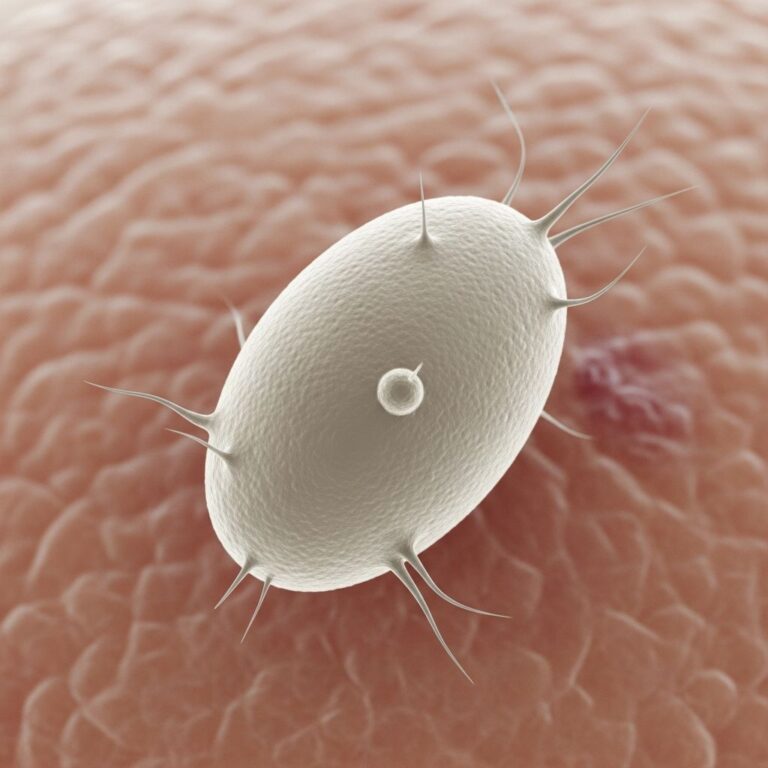
- Scabies rash: Intensely itchy papules from mite infestation, prominent on trunk folds.
Treatment varies: topical antifungals for yeast, permethrin for scabies, and topical steroids for psoriasis flares.
Trunk: Erosions, Crusting
Erosions (loss of epidermis) and crusting signal more aggressive processes like infections or autoimmune blistering disorders. These can weep or become superinfected.
- Impetigo: Honey-crusted erosions from S. aureus or streptococci.
- Herpes zoster: Grouped vesicles on erythematous base, dermatomal distribution, crusting post-rupture.
- Intertrigo: Inflammatory rash in skin folds (inframammary, abdominal), often secondarily infected with Candida or bacteria, leading to moist erosions.
Diagnosis involves swabs for culture; treatment includes antiseptics and antifungals. Severe cases may need systemic antibiotics.
Trunk: Dry Scaly and Itchy
Conditions here are intensely pruritic, often papular or eczematous, exacerbated by heat or sweat.
- Atopic dermatitis: Widespread dry, excoriated patches from chronic scratching.
- Transient acantholytic dermatosis (Grover disease): Scattered rough red papules on sun-damaged skin, common in older men, linked to sweat occlusion.
- Prurigo nodularis: Firm nodules from repeated rubbing.
Grover disease histologically shows acantholysis; management emphasizes cooling, emollients, and potent topicals. Itself resolves in weeks but relapses seasonally.
Trunk: Dry Scaly but Not Very Itchy
These lack significant pruritus, pointing to keratinization disorders.
- Tinea corporis: Annular scaly plaques from dermatophytes.
- Pityriasis rosea: Herald patch followed by ‘Christmas tree’ eruption on trunk.
- Psoriasis vulgaris: Well-defined plaques with silver scale.
- Pityriasis rubra pilaris: Orange-red follicular papules merging into plaques.
Related Stories



Mycology confirms tinea; phototherapy aids psoriasis.
Trunk: Multiple Skin Coloured Papules
Skin-coloured papules are often benign proliferations.
- Molluscum contagiosum: Pearly papules with central umbilication, viral.
- Trichodiscomas or fibrofolliculomas: In Birt-Hogg-Dubé syndrome.
- Lichen nitidus: Tiny flat-topped papules.
- Confluent and reticulated papillomatosis: Hyperpigmented net-like plaques on trunk, possibly infectious.
Curettage for molluscum; antibiotics like minocycline for papillomatosis.
Pigmentary Changes
Hyperpigmentation or hypopigmentation on the trunk can be post-inflammatory or primary. More evident in darker skin.
- Postinflammatory hyperpigmentation: From resolved eczema or acne.
- Tinea versicolor: Hypopigmented patches from Malassezia.
- Vitiligo: Depigmented macules.
- Subacute cutaneous lupus erythematosus: Annular polycyclic plaques with trailing scale.
Topical hydroquinone or azoles for tinea; sunscreens prevent worsening.
Frequently Asked Questions (FAQs)
What causes most itchy rashes on the trunk?
Common culprits include scabies, Grover disease, and atopic dermatitis, often triggered by heat, sweat, or allergens.
Is intertrigo only in folds?
Primarily yes, but trunk involvement occurs under breasts or pannus; treat with drying agents and antifungals.
How to differentiate psoriasis from tinea on trunk?
Psoriasis plaques are thicker with pinpoint bleeding on scraping; tinea shows hyphae on KOH prep.
Does Grover disease resolve?
Typically transient (2-4 weeks), but can relapse; avoid heat.
Are skin-coloured papules on trunk cancerous?
Usually benign like molluscum; biopsy if atypical.
Severe and Life-Threatening Conditions
While most trunk rashes are benign, some signal critical illness. Toxic epidermal necrolysis (TEN) features widespread erythema progressing to blisters and sheet-like desquamation, often drug-induced, with mucosal involvement. Stevens-Johnson syndrome (SJS) is similar but less extensive (<10% body surface). Necrotizing fasciitis presents with rapidly spreading erythema, pain, and bullae on trunk/abdomen, requiring urgent debridement. Prompt recognition saves lives.
| Pattern | Key Conditions | Itch Level | Treatment |
|---|---|---|---|
| Erythema no change | Urticaria, drug rash | High | Antihistamines |
| Red papules | Folliculitis, scabies | High | Topicals, permethrin |
| Erosions/crusts | Impetigo, zoster | Variable | Antibiotics, antivirals |
| Dry scaly itchy | Grover, eczema | Very high | Cooling, steroids |
| Dry scaly mild itch | Psoriasis, tinea | Low | Topicals, antifungals |
This table summarizes diagnostic patterns for quick reference.
References
- Skin problems on the trunk — DermNet NZ. 2015-09-01. https://dermnetnz.org/topics/skin-problems-on-the-trunk
- Transient acantholytic dermatosis — DermNet NZ. Accessed 2026. https://dermnetnz.org/topics/transient-acantholytic-dermatosis
- Intertrigo — DermNet NZ. Accessed 2026. https://dermnetnz.org/topics/intertrigo
- Confluent and reticulated papillomatosis — DermNet NZ. Accessed 2026. https://dermnetnz.org/topics/confluent-and-reticulated-papillomatosis
- Life-threatening skin conditions presenting to critical care — PMC (NCBI). 2021-09-21. https://pmc.ncbi.nlm.nih.gov/articles/PMC8446252/
Similar Articles








Read full bio of medha deb